Viper 5706V Review: Long-Range Security with Caveats
A Reddit user summed it up bluntly: “Yo, the Viper 5706V is like the boss of car security.” With a consistent 4.4–4.5 star rating across platforms and praise for its blend of remote start and advanced two-way security, the Viper 5706V 2-Way Car Security Remote Start System earns an investigative score of 8.7/10 for robust functionality paired with challenging installation requirements.
Quick Verdict: Conditional buy — exceptional for tech-savvy users or those willing to invest in professional installation.
| Pros | Cons |
|---|---|
| One-mile range two-way LCD remote with clear priority icons | Complex installation with vague manuals |
| Works on manual and automatic transmissions | Antenna unit feels cheap and can be fragile |
| Reliable remote start in extreme conditions | Bypass modules often required, adding cost |
| Advanced alerts like “shock sensor” and temperature monitoring | Warranty voided unless installed by certified retailer |
| Long-term durability of main system hardware | Remote battery and button wear issues over time |
| Multi-car control capabilities | High professional install prices |
| Tailored programmable options without expensive tools | Occasional sync issues when remote battery drains |
Claims vs Reality
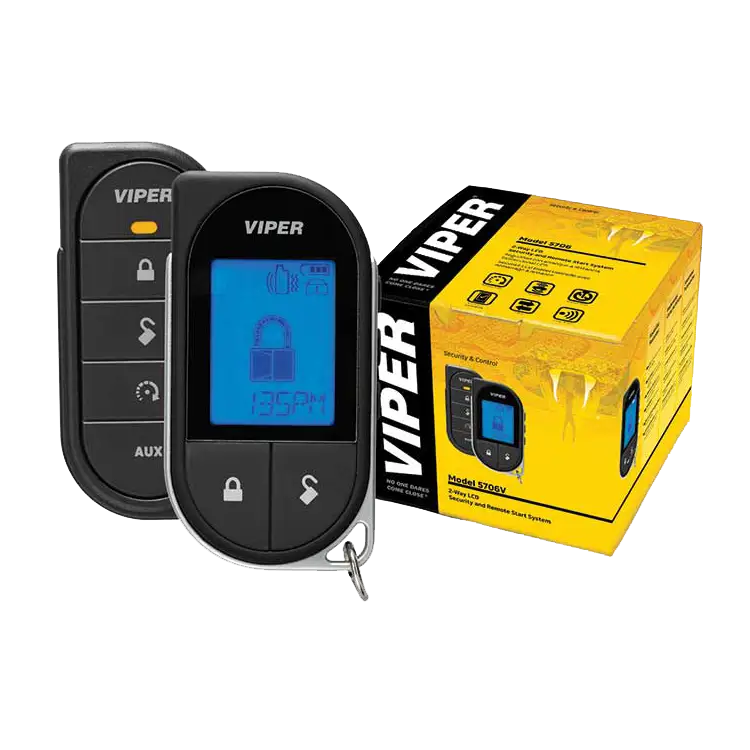
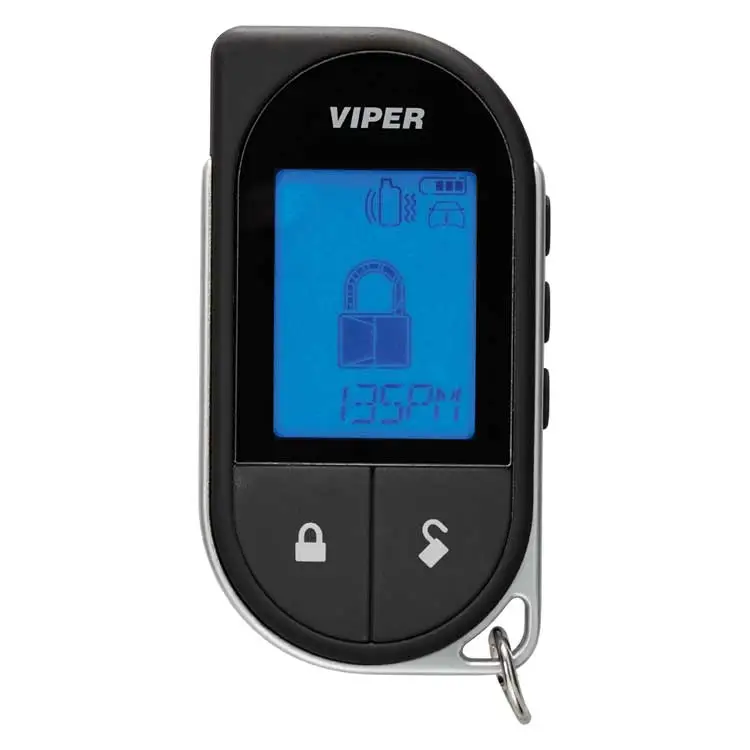
Viper markets the 5706V’s standout feature as a “full one-mile range” SST remote with crisp LCD icons and multi-function control for up to two vehicles. While many users, like Reddit user tinashe, confirm it — “got it installed on my manual Nissan Skyline and works perfectly” — others reported range variability. John Linwood Williams noted effectiveness dropped to “1/8 of a mile” in certain conditions, suggesting environmental interference can halve real-world performance.
Another bold claim: compatibility with manual transmissions. This resonated with cold-climate drivers. A verified SonicElectronix buyer said, “I can start my manual transmission car on cold winter mornings just like those with factory-installed auto-start.” However, he warned that activation required “several repetitions” of a specific procedure, hinting at a steeper learning curve.
Finally, Viper emphasizes clean UI with “priority icon maps” and ghosted unused icons. This is generally celebrated by buyers for ease of monitoring, but as Amazon reviewers revealed, remote quality control has inconsistencies. One long-term user found “buttons on the side are almost impossible to press” on his wife’s remote due to manufacturing differences, undermining usability for some.
Cross-Platform Consensus
Universally Praised
Few features draw as much applause as the 5706V’s reliable remote start. In cold regions, users report operational consistency even through obstacles. One Amazon reviewer said, “Signal penetration is very good… two floors of thick concrete above my truck and was still able to remote start it.” For commuters or winter drivers, this means a warmed or cooled cabin is nearly guaranteed.
The two-way confirmation system isn’t just marketing fluff — Reddit user kim called it “a total game-changer” for peace of mind. Drivers with valuable sound systems and aftermarket gear especially appreciate remote alerts detailing the reason for a trigger, like “shock sensor” or “door open.”
Its compatibility with multi-car control empowers households with more than one vehicle to use a single remote. A Trustpilot user praised, “The five buttons control 24 functions on each of two cars,” cutting clutter for those juggling multiple rides.
Common Complaints
Installation complexity dominates complaints. DIYers encounter vague manuals and broad “professional” guides covering multiple models without specifics. One Amazon buyer rated difficulty “9/10… not for your average DIY” because wiring demands strong schematic reading skills and module integration. This complexity drives high professional labor charges — ranges from $325 to $1200 were reported.
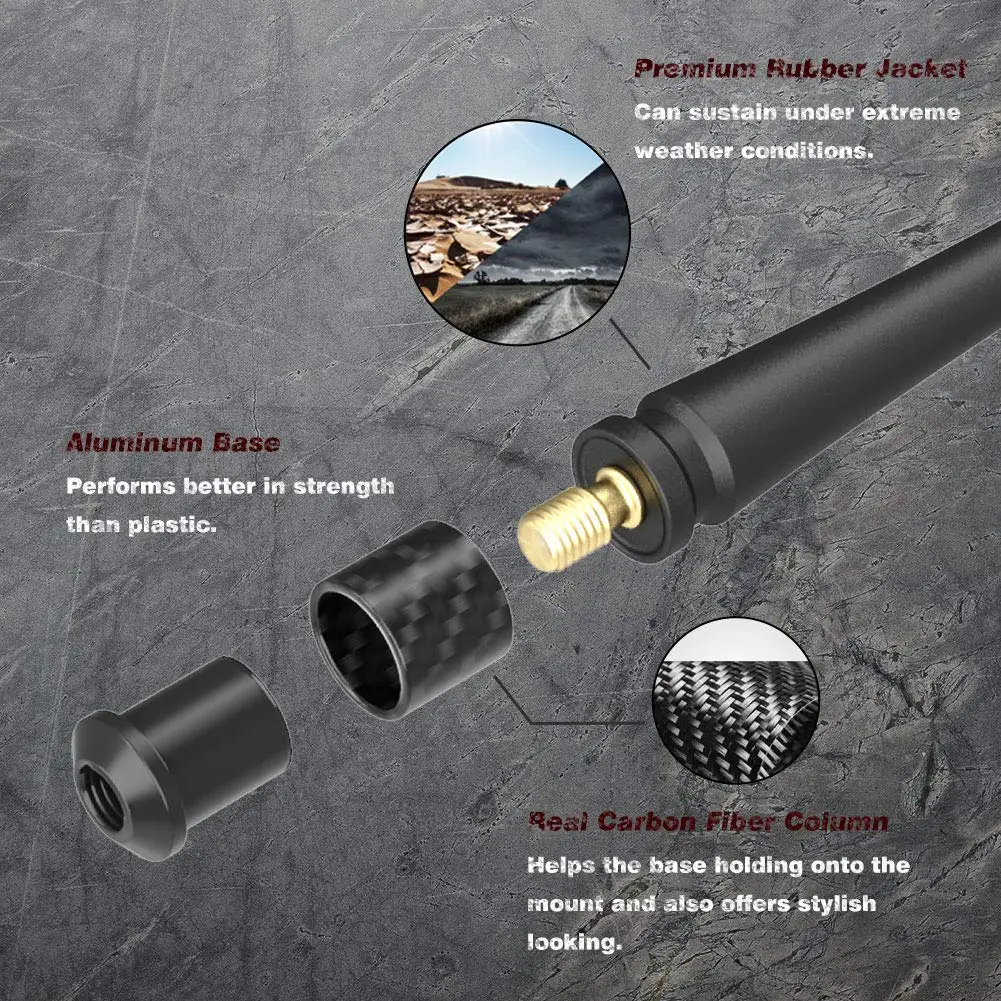
Hardware weaknesses also emerge. Both short-term and seasoned owners call the antenna module “cheap-feeling” and fragile, prone to pin bending or internal connection failures when mounted improperly. Likewise, remotes can develop quirks: intermittent button response, screen glass edge cracking, or sync loss when battery levels drop even with visible LCD activity.
Another consistent frustration: bypass modules. Vehicles with factory alarms or anti-theft systems often demand them, an extra $45–$85 expense. Lack of awareness leads to surprise costs mid-install, as multiple reviewers discovered.
Divisive Features
Silent Mode2 — disabling the car’s siren while retaining remote alerts — splits opinion. For urban residents or those parking close to neighbors, it’s a welcome discretion tool. Others argue the audible deterrent is a necessary “frighten away” function and see silent mode as counterproductive.
Temperature check replacing time on the remote is applauded by climate-conscious drivers but dismissed by minimalists who prefer uncluttered displays. While marketed for both Fahrenheit and Celsius, some noted less-than-intuitive toggling between units.
Trust & Reliability
Long-term reliability trends favor the main system hardware. A two-year owner on Amazon reported, “System continues to function fine otherwise,” even as remote issues emerged. Durability ratings average 4.6/5, reflecting robust brain module performance.
Trust concerns revolve not around the device itself, but around warranty limitations. Installation by non-certified technicians voids coverage. Antoine R. cautioned, “One tip is to go to a Viper certified installer… or you’ll risk losing your warranty.” This restriction pressures buyers into professional routes despite high install costs, potentially discouraging budget-conscious enthusiasts.
Some buyers report receiving used or outdated components despite paying for “new,” such as older antenna modules. One Amazon reviewer was tipped off by a color indicator not matching current spec, affecting remote start reliability.
Alternatives
While no direct competitors were named in user discussions, several brands under Viper’s parent company Directed Electronics share similar platforms — Clifford, Autostart, Python. One Amazon reviewer noted, “Any competent shop will have a trained DEI installer since DEI brands are the most popular.” This increases installer familiarity but doesn’t necessarily match the 5706V’s LCD UI and icon prioritization.
Price & Value
Prices swing widely depending on condition. New listings on eBay reach $262 plus shipping, while certified refurbished units sell around $199 with warranties. Open-box deals dip to $224, but risk missing retail packaging.
Community consensus urges factoring in installation and bypass costs when budgeting. Kim on Reddit found professional service justified, but others like one Amazon DIYer saved hundreds tackling install themselves — yet spent “20 hours” ensuring every wire matched diagrams. Resale value holds moderately, benefitting from brand reputation if components remain in good shape.
FAQ
Q: Does the Viper 5706V work on manual transmission vehicles?
A: Yes, but activation requires a multi-step sequence that may need repeating. Several manual owners confirm functionality in winter, though they advise practicing the procedure until routine.
Q: What’s the real-world range like?
A: Marketing promises one mile, but obstacles or interference can drop it to 1/8 mile in some areas. For most suburban or open-lot use, range meets or exceeds expectations.
Q: Do I need extra parts for remote start to work?
A: Many vehicles require bypass modules, especially with factory alarms or transponders. Costs range $45–$85, and skipping this step often stalls installation.
Q: How often do the remotes need charging?
A: Heavy users report monthly charges, light users up to two months. Micro-USB makes charging easy, but low batteries can cause signal issues or sync loss.
Q: Is installation DIY-friendly?
A: Only for experienced installers confident with schematics and module integration. Casual DIYers risk miswiring without clear, model-specific instructions.
Final Verdict: Buy if you’re a tech-oriented driver seeking long-range security with detailed feedback and willing to invest in professional or skilled installation. Avoid if you want plug-and-play simplicity or balk at hidden bypass costs. Pro tip from community: confirm installer certification and bypass needs before purchase to avoid surprise expenses.