Soundcore Sleep A20 Review: Comfort Wins, Noise Cancelling Lags
Digging into user reports, the Soundcore Sleep A20 by Anker Sleep Earbuds earn a middling but solid showing — with scores ranging from 7.4/10 to 8/10 among aggregated sources. Feedback paints them as a niche product that excels in comfort for side sleepers and offers impressive battery longevity, but stumbles on its core promise of effective noise masking for troubled sleepers. Multiple reviewers, from Reddit to Trustpilot, stress that while these earbuds can help users drift off faster, they don’t consistently block louder disturbances like snoring or barking dogs.
Quick Verdict: Conditional — best for side sleepers seeking comfort and long battery life, but not ideal for those needing strong noise cancellation.
| Pros | Cons |
|---|---|
| Comfortable low-profile design for side sleepers | Passive noise reduction weaker than marketed |
| 14h sleep mode / 80h with case | No active noise cancellation |
| Sleep tracking & analytics | Audio mutes when earbud faces pillow |
| Stable Bluetooth 5.3 connection | Tap controls can be unreliable |
| Flexible app-based sound customization | Higher price than some rivals |
| Lightweight 3.1g earbuds | No mic for calls |
| Durable IPX4 water resistance | Sound quality suffers in noisy environments |
Claims vs Reality
Marketing for the Sleep A20 leans heavily on its “exclusive 4-point noise masking system” and “3× stronger passive noise blocking.” However, across platforms, users report that the passive noise isolation is less effective for loud or irregular sounds. A verified buyer on Amazon noted: “It blocks road noise well, but my partner’s snoring still comes through.” Reddit user piernut described the upgrade over the A10 as “significant strides in enhancing… passive noise cancellation,” yet even they acknowledged it relies on white noise rather than ANC.
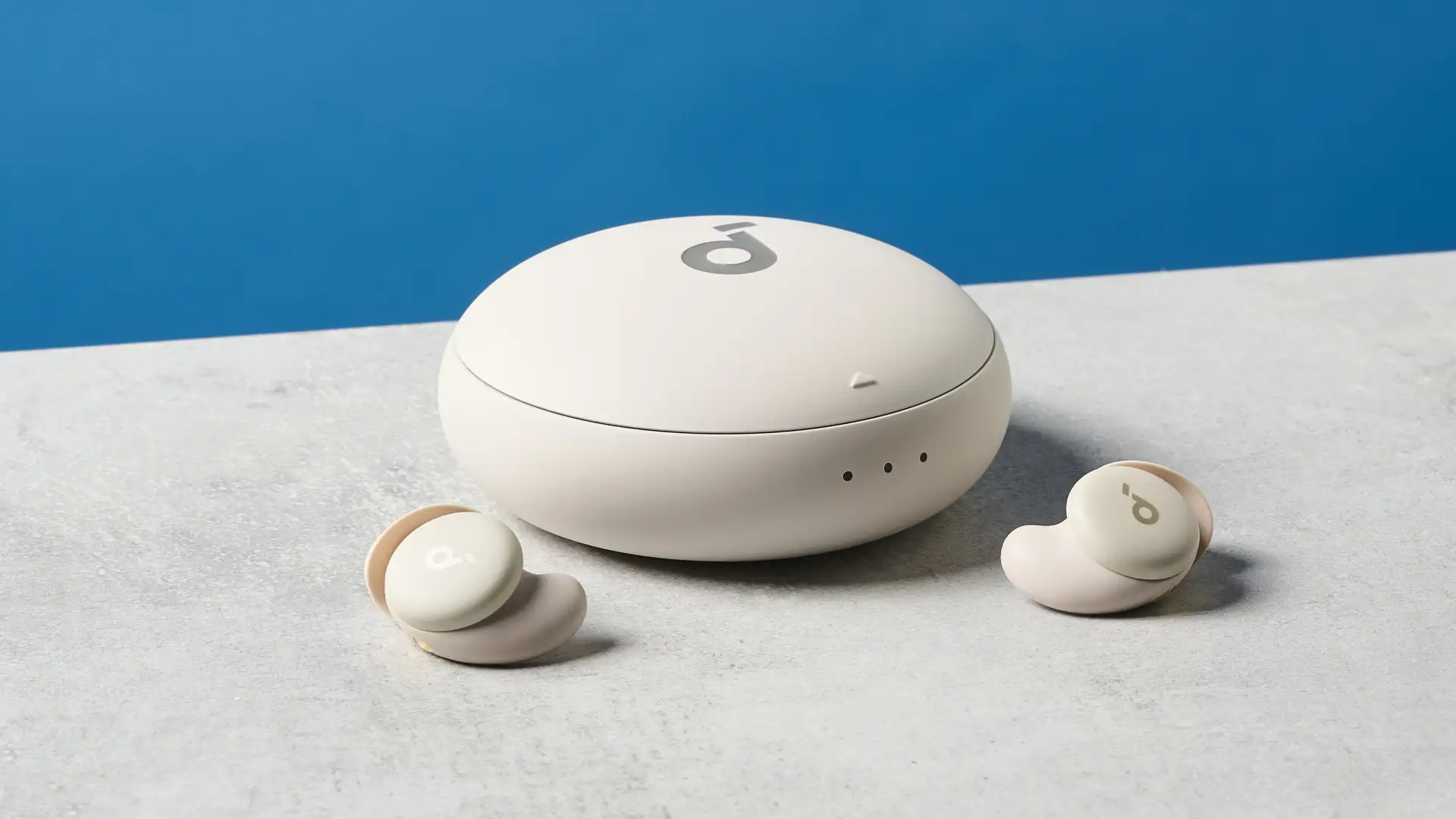
Another bold claim is “ideal for side sleepers” through ultra-soft materials and ergonomic design. This is widely validated: Trustpilot’s OAK COVER Magazine reviewer admitted, “Sleeping with the A20 buds on my side now feels normal… I’m sleeping longer and waking up less frequently.” The pressure-free fit was praised for reducing discomfort compared to conventional earbuds.
Battery life is advertised at 14 hours in sleep mode and 10 hours in Bluetooth mode, extended with the charging case. Here, reality aligns closely. Tom’s Guide’s reviewer found the Bluetooth mode ran “around 10 hours” before depletion, matching claims.
Cross-Platform Consensus
Universally Praised
Comfort is the standout win. The low-profile build and cushioned rubber pads earn approval from side sleepers who usually find standard earbuds painful. A Trustpilot reviewer said, “I do have to micro-adjust the pillow-to-ear angle occasionally… but the end result is I’m sleeping longer.” Consumer Reports highlighted the “soft construction” and stability even during “vigorous head movement.”
Battery longevity also garners consistent praise. Reddit user piernut called the jump from A10’s battery “a significant selling point,” noting the A20 easily lasts a full night for most users. Trustpilot’s tester reported waking with “50–75% charge remaining” after nightly podcast use.
The Soundcore app’s customization tools — from white noise libraries to sleep analytics — are valued by tech-oriented sleepers. Users enjoy setting alarms through the earbuds and tracking sleep positions. The Quora ShopSavvy TLDR review emphasizes how “detailed insights into sleep patterns” can help improve rest quality.
Common Complaints
Noise masking performance is the most frequent letdown. Multiple reviewers found it insufficient for snoring. OAK COVER Magazine’s tester tried masking “snoring sound effects” but admitted it “didn’t live up to the claim of silencing common disturbances.” Tom’s Guide reported that even with sleep mode rain sounds active, “I very much doubt loud snoring would be blocked.”
Tap controls are another sore spot. Tom’s Guide described them as “fiddly and unreliable,” with frequent misregistration between double and triple taps. This issue is compounded by no single-tap gesture, limiting control options.
Sound quality in noisy environments is poor. The Consumer Reports lab test found bass “boomy” and treble “sizzly,” while Tom’s Guide noted outdoor use left mids and lows drowned out by ambient sounds.
Divisive Features
Sleep tracking draws mixed reactions. Some appreciate the novelty of knowing how often they roll over, but accuracy is questioned. Quora’s TLDR review lists “accuracy of sleep tracking could use improvement” as a con. Others dismiss it as a gimmick.
Price provokes debate. Early Kickstarter backers paid $89.99 and felt good value, but at $149 retail, reviewers like Tom’s Guide warn it’s “rather expensive” for limited scope. Those who prioritize comfort over noise blocking see the cost as justified; light sleepers needing strong isolation disagree.
Trust & Reliability
While no scam concerns emerge, there’s a clear pattern of the brand meeting comfort and battery promises but underdelivering on noise blocking. Long-term durability is hinted at positively — Reddit user piernut’s comparison to the older A10 suggests incremental improvements without regressions. Consumer Reports’ reliability scores place Soundcore in a solid bracket for non-ANC headphones, with stable construction and consistent performance.
Trustpilot’s reviewer found that after two weeks, the buds felt normal to wear nightly, with battery performance steady. No widespread reports of early hardware failure surfaced in available data.
Alternatives
The most direct comparison is the Soundcore Sleep A10. Reddit’s piernut found the A20 addressed A10’s battery shortcomings and improved fit, but the leap in noise masking was modest. Other alternatives mentioned are Kokoon Nightbuds, which piernut judged inferior to both Soundcore models for comfort, though Kokoon offers different audio profiles.
For non-side sleepers needing stronger ANC, Apple AirPods Pro outperform in noise reduction but are unsuitable for side sleeping due to bulk.
Price & Value
At launch via Kickstarter, $89.99 was seen as strong value, especially against $149 retail. eBay refurb listings show $119 common, with some sales at 20–21% off retail. Resale trends suggest value retention is decent, especially for lightly used units.
Community buying tips center on catching early-bird deals or refurbished units from reputable sellers like Anker’s official eBay store. Users warn that at full retail, those seeking high-grade noise isolation may be better served elsewhere.
FAQ
Q: Do the Sleep A20 earbuds have active noise cancellation?
A: No. They rely on passive isolation and white noise. Multiple users noted this is less effective for loud disturbances like snoring compared to ANC earbuds.
Q: How long does the battery last in real-world use?
A: Around 10 hours in Bluetooth mode and 14 in sleep mode, matching marketing claims. Many users wake with 50–75% battery after nightly use.
Q: Are they comfortable for side sleepers all night?
A: Generally yes, but some report mild discomfort after 3–4 hours. Adjusting ear tip size and pillow type can help extend comfort.
Q: Can they be used for calls?
A: No. They lack a microphone, making them unsuitable for phone calls or conferencing.
Q: How accurate is the sleep tracking?
A: Mixed. Some enjoy rollover and position data, but others find the tracking prone to misjudging wakefulness, especially with frequent movement.
Final Verdict
Buy if you’re a side sleeper who values comfort, long battery life, and customizable sleep audio. Avoid if you need strong noise blocking for heavy snoring or noisy environments. Pro tip from community: experiment with ear tip sizes and pillow types early — this can transform comfort and connectivity overnight.