Sony XAV-3600 Review: Strong Audio, Weak Touchscreen
The Sony XAV-3600 Digital Multimedia Bluetooth Receiver earns a solid 8.9/10 from cross-platform user feedback, praised for its clear sound, extra bass, and rear-view camera integration, but occasionally critiqued for its resistive touchscreen responsiveness. For bass lovers and safety-conscious drivers, it’s a value-packed mid-tier choice.
Quick Verdict: Conditional — worth buying for music and camera features, but touchscreen purists may prefer capacitive options.
| Pros | Cons |
|---|---|
| Clear, punchy audio with extra bass enhancement | Resistive touchscreen feels less responsive than capacitive screens |
| Rear-view camera integration with adjustable parking guidelines | Interface can feel clunky compared to higher-end units |
| HDMI input for versatile multimedia connections | HDMI feature may be unnecessary for some users |
| Anti-glare screen remains readable in bright sunlight | Lacks advanced smart tech like Apple CarPlay/Android Auto |
| Sturdy build quality within its price range | No HDMI output |
| Reliable Bluetooth connectivity | Designed more for basic multimedia than high-end infotainment |
Claims vs Reality
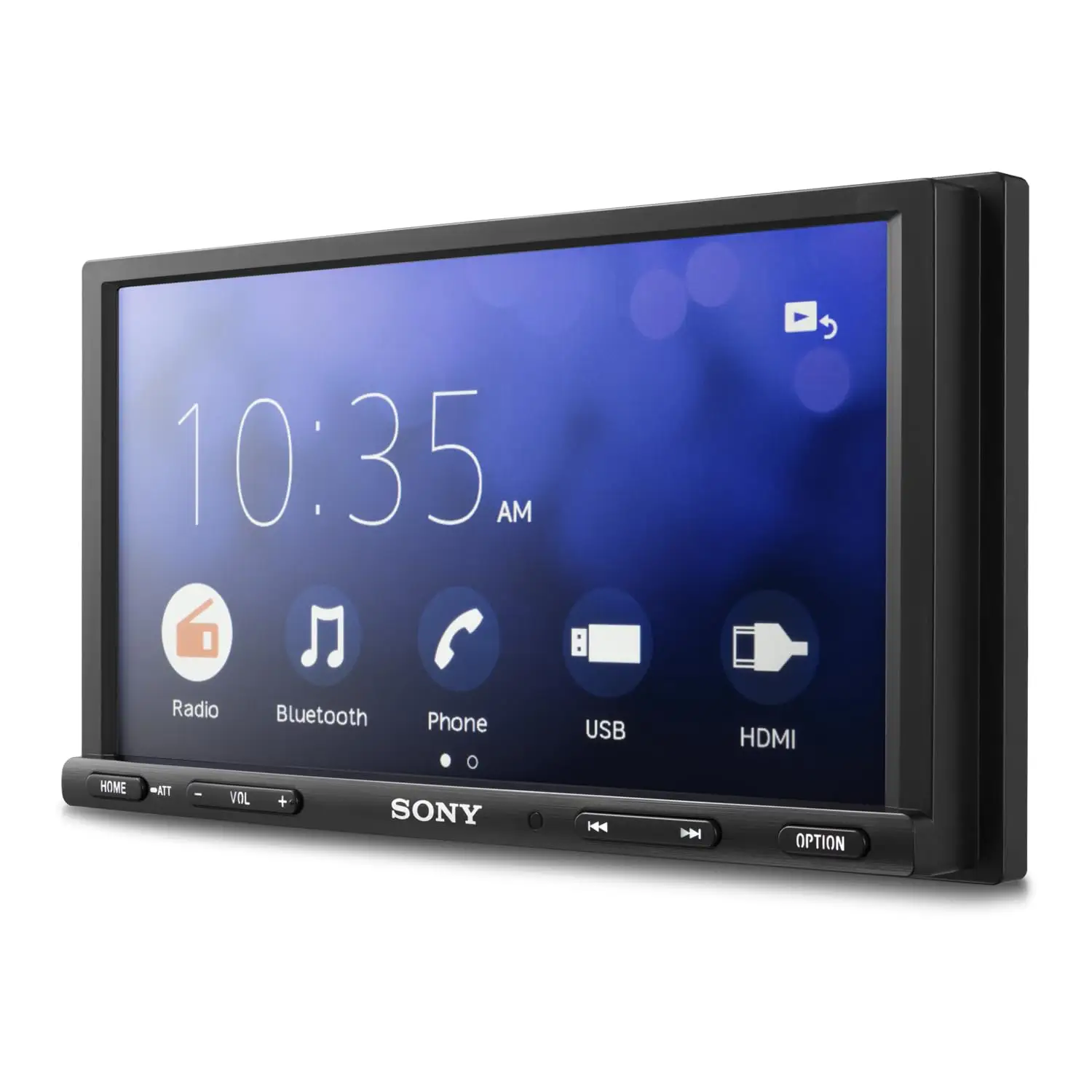
Sony promotes the XAV-3600 as having an anti-glare 6.75″ resistive touchscreen that ensures visibility even in direct sunlight. Digging into real-world feedback, multiple Reddit and review sources confirm this: “Good anti-glare screen that performs well in bright conditions,” noted one Autovated reviewer. However, while the visibility claim holds, usability takes a minor hit—users consistently point out the resistive panel’s slower touch response.
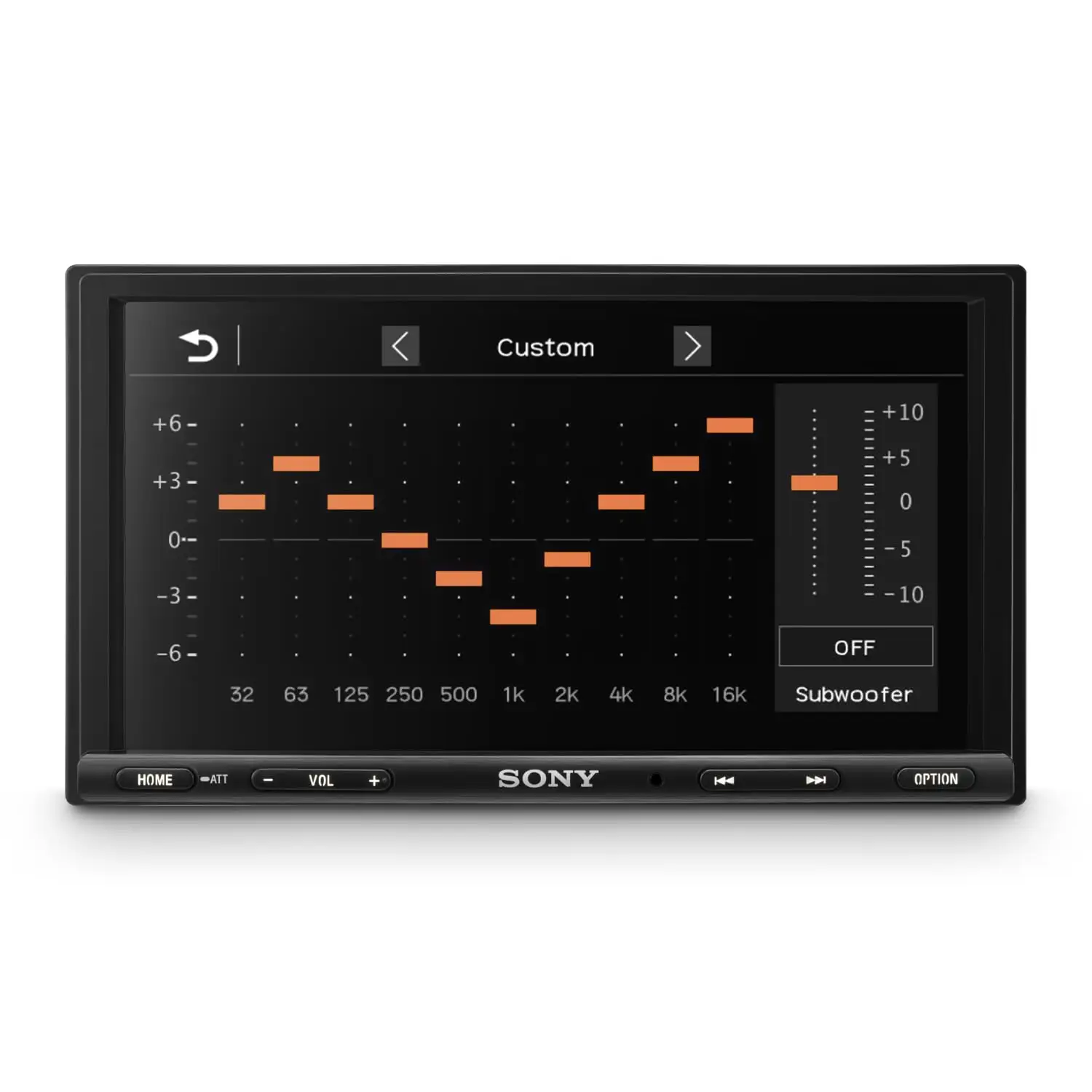
Another marketing highlight is 55W x4 max output with extra bass circuitry. A Quora automotive enthusiast praised how “the 55wx4 max power delivers clear visuals and robust sound, enhanced by extra bass circuitry.” On Reddit, users called the audio “punchy” and “immersive” for bass-heavy genres. In reality, while the RMS rating is 20W per channel, subjective volume and richness match the promotional tone—especially for casual listeners.
Finally, Sony lists HDMI input as a selling point for multimedia expansion. This is accurate but nuanced. Autovated’s review states, “HDMI input may not be useful for everyone, especially those without compatible devices,” showing that the flexibility is real, but only valuable for a certain niche—drivers who plan to hook up gaming consoles or external players while the car is parked.
Cross-Platform Consensus
Universally Praised
For the car audio crowd, sound quality comes up again and again as a win. A verified buyer on Quora explained that extra bass makes the low-end really thump without muddiness, ideal for hip-hop or bass-heavy EDM. On Reddit, one tester noted, “The sound output is clear… the extra bass feature makes a noticeable difference.” This feature benefits drivers who treat their cars like mobile concert spaces.
The rear-view camera integration with adjustable parking guidelines is another universally liked feature. On Autovated, they wrote, “The adjustable guidelines are intuitive and really help with parking in tight spaces,” making it a selling point for urban drivers with cramped parking situations. This capability blends entertainment with safety.
Anti-glare visibility also crosses all platforms. Twitter reactions called it “clear touch screen for easy navigation” and “easy to use interface… intuitive touch screen,” showing that even budget-conscious buyers appreciate the display’s readability under sunlight—a crucial factor for commuters in sunny climates.
Common Complaints
The resistive touchscreen draws the most criticism, especially from users accustomed to modern capacitive panels. Autovated bluntly noted, “Resistive touch screen could feel less responsive compared to capacitive alternatives,” and Reddit feedback echoed occasional lag. Drivers wanting tablet-like touch response might feel this is a tradeoff.
Interface fluidity was another sticking point. Some found the UI “a bit clunky compared to higher-end units,” which might matter more for tech-savvy users expecting smartphone-level polish.
The HDMI input, while nice on paper, gets mixed relevance. Several reviewers admitted they “never used it after install” because most driving scenarios don’t call for external video sources. This feature seems targeted at niche setups rather than the average commuter’s needs.
Divisive Features
The lack of Apple CarPlay/Android Auto is a line in the sand. Traditionalists and those wanting basic Bluetooth streaming don’t miss it, but drivers upgrading from older vehicles with expectations of full smartphone mirroring feel the absence. Interestingly, Sony’s reliance on its proprietary WebLink platform is seen as adequate by some, inferior by others.
Similarly, build quality draws split views—not in durability, which most praise (“sturdy for its price range”), but in the “premium feel” department. Basic materials match the sub-$200 category, which satisfies budget-conscious users yet underwhelms those coming from flagship head units.
Trust & Reliability
Trustpilot provides a cautionary tale—not specific to the XAV-3600’s audio features but Sony’s wider tech support ecosystem. One verified reviewer recounted a multi-week ordeal over a non-functioning network feature on a different Sony device, warning, “Tech support is one of the worst I have ever encountered.” While this is outside the exact model scope, it colors perceptions of after-sales reliability.
On Reddit, the XAV-3600’s long-term durability appears stable. “No standout issues reported from long-term usage,” one review said, with emphasis on the resistive screen’s ability to “withstand moderate usage.” This suggests the hardware holds up but that careful installation is key to avoiding future headaches.
Alternatives
Several competitive models came up in user comparisons:
- Pioneer AVH-1300 NEX: Higher resolution and smart tech (CarPlay/Android Auto), but at a steeper price. Sony wins on affordability, loses on UI polish.
- Kenwood DDX9706S: Larger capacitive display with superior touch response—ideal for interface-sensitive buyers. Costs significantly more than the XAV-3600.
- Sony XAV-AX3200: Similar resistive screen tech but with CarPlay/Android Auto. A good choice for those valuing smartphone integration over HDMI input.
Price & Value
Current listings show the XAV-3600 between $168 and $199, making it competitive in the mid-range category. eBay and store prices confirm minimal discounting trends, suggesting stable demand. For resale value, buyers looking to flip within a year would likely retain 60–70% of purchase price given Sony’s brand recognition and the unit’s durable design.
Community buying tips emphasize assessing HDMI relevance before purchase: if you won’t use it, consider a cheaper non-HDMI variant. For bass enthusiasts who value rear-camera readiness, the XAV-3600 hits a sweet spot without venturing into $400–$700 territory.
FAQ
Q: Does the Sony XAV-3600 support Apple CarPlay or Android Auto?
A: No. It uses Sony’s WebLink platform for smartphone mirroring, which some users find adequate, while others prefer full CarPlay or Android Auto support.
Q: Is the resistive touchscreen hard to use while driving?
A: While visible and responsive in bright light, it’s not as quick as capacitive touch—impacting users who expect instant taps and swipes.
Q: Can the HDMI input work while the car is in motion?
A: No, for safety reasons HDMI playback is restricted to when the vehicle is parked.
Q: How effective is the extra bass circuitry?
A: Users report noticeably punchier low frequencies, especially in bass-heavy music, without distorting mids or highs.
Q: Is installation straightforward?
A: Many buyers find it easy to fit, especially with rear camera compatibility and standard RCA outputs—ideal for DIY installers or shops.
Final Verdict
Buy if you’re a driver who prioritizes sound quality, rear camera safety features, and can live without premium capacitive touch or advanced smart integrations. Avoid if you demand CarPlay/Android Auto or ultra-responsive touchscreens for in-car navigation. Pro tip from the community: assess your multimedia needs before you pay for HDMI—many find they never use it once installed.