Sennheiser HD 600 Review: Neutral Sound, Mixed Comfort
The surprise isn’t that the Sennheiser HD 600 Open Back Headphone still sells well after more than two decades—it’s that users across platforms still call it “reference-grade” in 2025. Scoring a solid 9/10 in aggregated feedback, it’s widely praised for neutrality, detail, and comfort, but with recurring notes about clamp pressure and bass restraint.
Quick Verdict: Conditional buy for critical listeners and studio use
| Pros | Cons |
|---|---|
| Exceptionally neutral and natural sound | Strong clamp pressure for some users |
| Comfortable velour pads for long sessions | Lacking sub-bass extension |
| Durable build with replaceable parts | Sound leakage due to open-back design |
| Scales with high-quality amps/DACs | Stock cable overly long and prone to wear |
| Accurate imaging and separation | Narrower soundstage than some rivals |
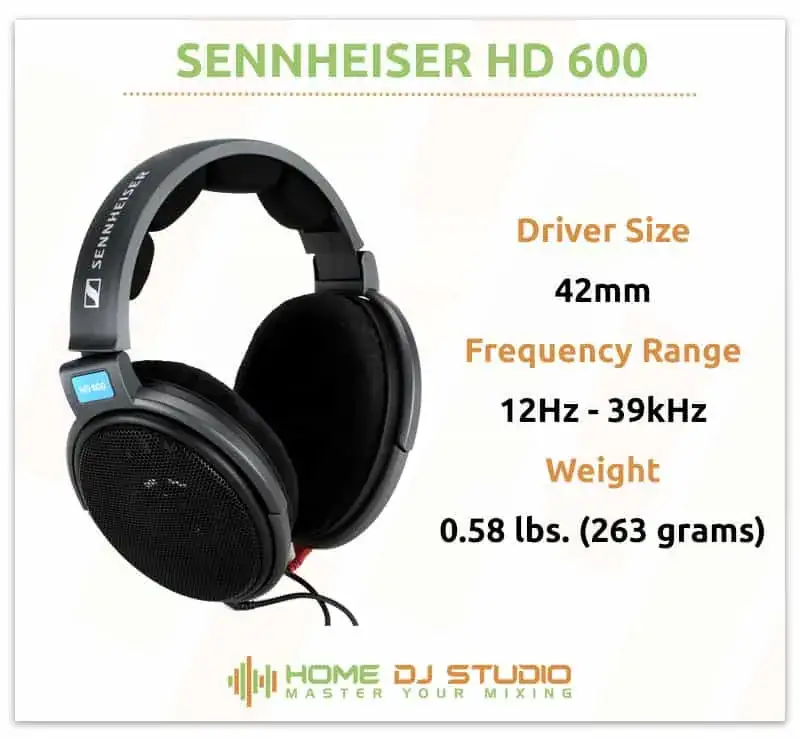
| Long-term resale value holds | Requires amplification (300Ω impedance) |
| Modular design aids repairs | Packaging downgraded in newer runs |
Claims vs Reality
Marketing promises “engineered for absolute clarity” and “natural personal listening experience.” While many users back these claims, the lived experience adds nuance. Sweetwater buyers note, “they’re natural sounding, spacious, and comfortable to use for hours,” but several Reddit reports highlight the HD 600’s narrower soundstage compared to other open-backs. One Reddit user wrote after their first day: “I knew the soundstage on the HD 600 is considered a little more narrow… while it is better than closed back, I think I have an idea of why these are considered more narrow.”
The manufacturer emphasizes “exceptionally natural, spatial and accurate sound.” Head-Fi reviewer nikp agreed—calling them “completely natural” and “transparent” with no veil—but also noted that “the size of soundstage could be bigger.” This suggests that while imaging precision meets the marketing line, spatial width may not wow all open-back veterans.
Sennheiser touts “luxurious comfort” in velour padding. Amazon feedback supports extended wear comfort, but clamp force is a recurring complaint. One Sweetwater review cautioned, “The headband seems to be unnecessarily tight… I was able to carefully bend the band to relieve the pressure.” This gap between marketing and reality matters for large-headed listeners.
Cross-Platform Consensus
Universally Praised
Neutrality is the HD 600’s core currency. Mixing engineers repeatedly call it “honest” and “what you hear is what you get.” A Sweetwater buyer with 30+ years in recording said, “You get a great 1:1 ratio from the cans to the studio monitors. There’s no coloration.” For classical fans, Head-Fi’s nikp declared it “king” for violin texture, while a Reddit user was stunned by Wagner and Beethoven clarity.
Comfort over long sessions is another strong point once fit issues are resolved. Many describe wearing them “for hours and hours on end without feeling fatigued” (Amazon verified buyer). The velour pads and moderate weight help, especially in quiet environments where open-back leakage isn’t a concern.
Durability earns trust. Modular parts are a boon—users appreciate being able to swap cables and pads easily. Trustpilot comments highlight the longevity: “A tried and tested design that will last you years.” Older models, even with peeling paint, are still operational after decades.
Common Complaints
Clamp force divides opinion. Some stretch the headband manually; others find it acceptable. Sweetwater reviewer wy hiw yg warns, “They do clamp fairly hard on your head… bend the headband backwards to stretch them out a little.”
Bass presentation is another friction point. It’s tight and accurate, but lacks sub-bass rumble. A Reddit listener noted, “For rap… not very punchy… if I’m trying to blow my ears off with bass I just pull out the Nuraphones.” Sweetwater buyers echo that they’re “not bass heavy… best for mid-range detail.”
Soundstage width is a mild letdown for those expecting expansive open-back space. Nikp’s comparison ranks HD 800 > HD 650 > HD 600 for stage size. While imaging is precise, it’s more intimate than cinematic.
Divisive Features
The long stock cable (3m) is loved in studios, disliked at desks. Some replace it with shorter aftermarket options. The open-back design is celebrated for realism but unsuitable for noisy settings—multiple Sweetwater reviews caution about “significant sound leakage.”
Trust & Reliability
Trustpilot analysis shows minimal deception in reviews and consistent praise for build quality. Concerns center on the “fragile holder pieces” for earpads, but most agree they withstand years of use if handled carefully. Long-term owners on Reddit report continued performance after a decade, with occasional pad replacements.
Downgrades in packaging have irked collectors—gone is the marbled finish and foam-lined box, replaced with “cheap, vacu-formed plastic insert” (Sweetwater review). However, the headphone itself remains consistent in sound signature across generations, a rarity in high-end audio.
Alternatives
The HD 650 shares lineage but tilts darker with more bass; Sweetwater reviewers suggest 650 for pop/rock enjoyment, 600 for mixing accuracy. The HD 800 offers far larger soundstage but can be “slightly too much treble” according to Head-Fi, and costs significantly more.
Beyerdynamic DT 880 appears often in comparisons—its detail retrieval slightly edges HD 600, with a brighter treble profile. Nikp advises it’s complementary rather than redundant: “HD 650 being the dark headphone… HD 600 will sort of fit in between.”
Price & Value
At around $299 new (Amazon, Sweetwater), the HD 600 undercuts many “summit-fi” headphones while meeting pro requirements. eBay listings show strong resale value, with used units fetching $239–$350, even vintage models approaching $320. This stability reflects its status as a benchmark in the sub-$1k category.
Community buying tips include watching for authorized dealer discounts and avoiding older runs with known paint peeling unless priced accordingly. Several note that higher-tier gear (amps, DACs) unlocks more detail, making it a scalable investment.

FAQ
Q: Can I use the HD 600 without an amp?
A: Yes, but multiple users report reduced clarity and dynamics. At 300Ω impedance, it benefits greatly from a quality headphone amplifier.
Q: Is the bass really lacking?
A: It’s accurate, not boosted. Bassheads may find it restrained. Classical and acoustic fans often prefer its tight low-end.
Q: How does it compare to the HD 650?
A: The 650 has more bass and a warmer tone; the 600 is flatter and more neutral, favored for mixing.
Q: Will the clamp loosen over time?
A: Yes—either naturally with use or by gently stretching the headband. Many owners adjust it early on.
Q: Is the soundstage small for an open-back?
A: It’s narrower than some rivals like the HD 800, but offers precise imaging and intimate vocal placement.
Final Verdict: Buy if you’re a mixing/mastering engineer, classical listener, or anyone seeking long-term neutral reference headphones. Avoid if you need isolation, exaggerated bass, or ultra-wide soundstage. Pro tip from community: pair with a solid-state amp for maximum transparency and comfort after breaking in the clamp.