Scosche GM Double/Single DIN Kit Review: 7.8/10
“Holy crap… the scosche kit doesnt even fit right (awful gaps) and onstar is disabled.” That one line captures the biggest split in real-world feedback around the Scosche Double/Single DIN Stereo Installation Kit for General Motors Vehicles: for many installs it looks factory-clean, but for others it turns into trimming, bracket-bending, and nagging fitment quirks. Verdict: Conditional buy — 7.8/10 if your vehicle and head unit truly match the fit guide and you’re okay with minor adjustment risk.
Quick Verdict
Conditional — works great when the fit is truly right; frustrating when it isn’t.
| What matters | What people liked | What people didn’t like |
|---|---|---|
| Fit & finish | “Sleek design and flush lines.” (Best Buy) | “The gap at the top is a little more obvious than it should be.” (Camaro5 forum) |
| Install difficulty | “Basically plug and play.” (Camaro5 forum) | “Had to… bend the brackets a bit to make it fit right.” (Camaro5 forum) |
| Plastic quality | “Quality is grade a plastic wise.” (Best Buy) | “Crap plastic brackets that’s way too soft.” (Maxima forum) |
| Noise/rattle | “Fit like a glove!!” (Best Buy) | “Was rattling in my dash… annoying.” (Best Buy) |
| Compatibility clarity | “This is exactly what u need if it’s the correct fit.” (Best Buy) | “Its for the 07-13 model not the 06.” (Best Buy) |
Claims vs Reality
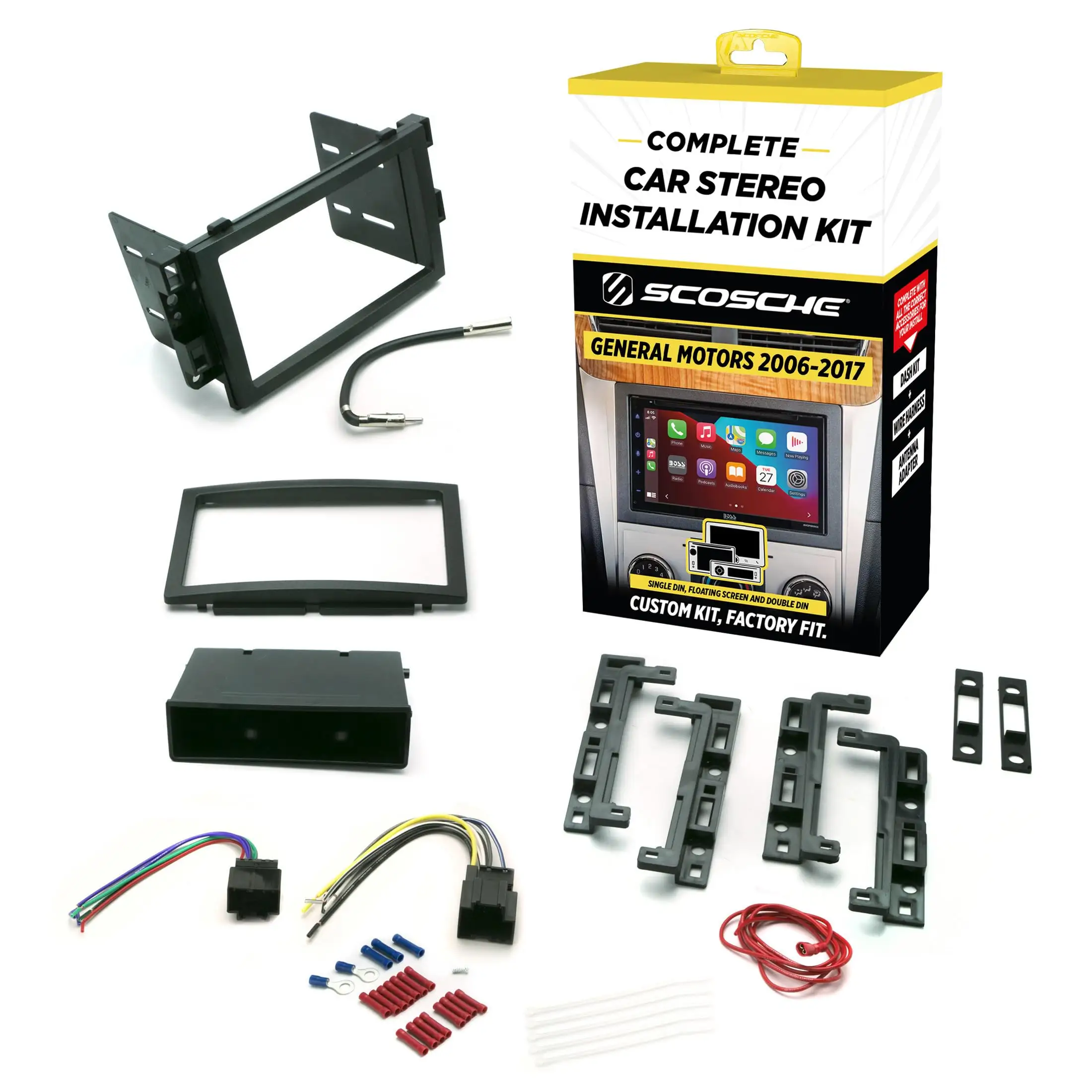
Scosche’s product pages lean hard on “gapless fit,” “factory-matched finish,” and “easy installation… no special tools.” Digging deeper into user reports, the reality is less binary than marketing suggests: some owners get a near-OEM look, while others end up fighting alignment tolerances, oversized “double DIN” faceplates, or mounts that don’t feel secure.
The “gapless fit” claim gets the most scrutiny. A recurring pattern emerged in community discussions: the kit can look “like it was made in the car,” yet still have small but noticeable alignment issues depending on the head unit and brackets. One Best Buy reviewer celebrated how it “looks like it was made in the car! looks awesome!” while a Camaro5 forum reviewer admitted that after working to seat the head unit, “the gap at the top is a little more obvious than it should be.” Even within the same thread, another poster countered: “i have no gaps in my kit,” and added that it “probably depends on you head unit as well.”
The “easy installation” claim is also conditional. For some DIYers, it really is quick: “i just slapped it in. it fitted up perfectly. good to go” (Best Buy). But the more detailed install story from Camaro5 stresses repeated trial-and-error: “had to screw the kit back in an out a few times and bend the brackets a bit to make it fit right.” Another angle: the instructions can be a limiter. The same Camaro5 reviewer said, “the directions could have included some actual diagrams… instead of just text descriptions.”
Finally, Scosche frequently markets direct harness connections “without cutting any wires,” but users still flag practical gaps in system integration—especially around factory features. On a Camaro5 forum install review, the owner noted it “doesn't come with onstar support built in,” contrasting it with Metra’s approach even while calling Metra more difficult and “prone to issues.” While official compatibility listings often specify “without OnStar” or “not compatible with factory amplified systems,” several users still treat the missing OnStar path as a negative in day-to-day ownership.
Cross-Platform Consensus
Universally Praised
The strongest praise centers on how “factory” the dash looks when everything matches. For drivers upgrading older GM trucks and SUVs—Silverado, Tahoe, Sierra—owners repeatedly describe the finished install as clean and flush. A Best Buy reviewer wrote: “perfect fit. worked great with my unit. sleek design and flush lines,” and another echoed the OEM vibe: “looks good lines up correctly looks as factory as i can get.” For users who care about interior aesthetics (and not just getting sound), this is the core value proposition: it avoids the “afterthought” look that cheap bezels can create.
Ease of install is the other big win—when the vehicle and head unit are the right combo. On the Camaro5 forum, a detailed reviewer contrasted it with a competing kit: “the install was much easier than the metra kit - basically plug and play (just follow the directions).” In retail feedback, that same theme appears in simplified language: “this is exactly what u need if it’s the correct fit” (Best Buy), and “good fitment, no modifications needed. 2010 gmc sierra” (Best Buy). The “who benefits” here is clear: DIY installers who want a straightforward afternoon job, not a custom fabrication project.
Material feel gets more love than you might expect for a plastic dash kit. Several buyers emphasize sturdiness rather than flimsiness. One Best Buy reviewer said the “quality is grade a plastic wise over all looks professional and sturdy love it.” Another longtime DIY upgrader framed it as a repeatable choice: “scosche is the way to go!… as always, scosche has came through. it fit perfectly.” This kind of feedback matters for owners who’ve done multiple stereo swaps and have a mental baseline for what “cheap plastic” usually feels like.
After those narratives, the praise clusters into a few consistent takeaways:
- Factory-style appearance is the headline when fit is right.
- Many installs genuinely feel “plug and play.”
- Plastic quality is often described as “sturdy” and “professional.”
Common Complaints
Fitment problems don’t show up as a single universal flaw—more like a roulette of small issues: gaps, tilt, rattles, and hole alignment. A Best Buy reviewer described a trip-ruining annoyance: “it works but was rattling in my dash… i had to go back to the installer to get this fixed.” That’s not just cosmetic; for commuters and road-trippers, a dash rattle becomes a constant irritant. The same reviewer also noticed an alignment oddity: “the unit face plate sticks out of the bottom more than the the top. it is an odd tilt.”
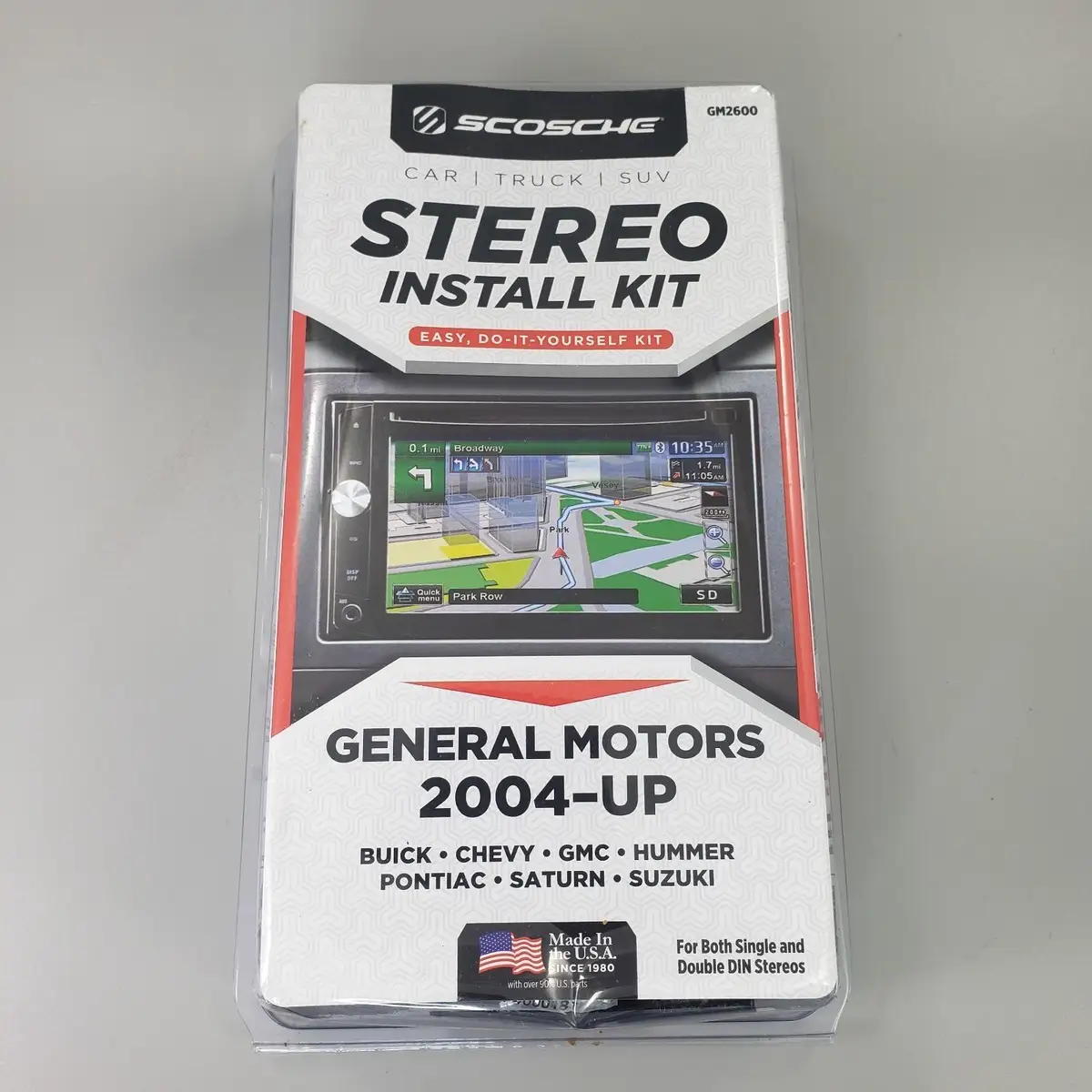
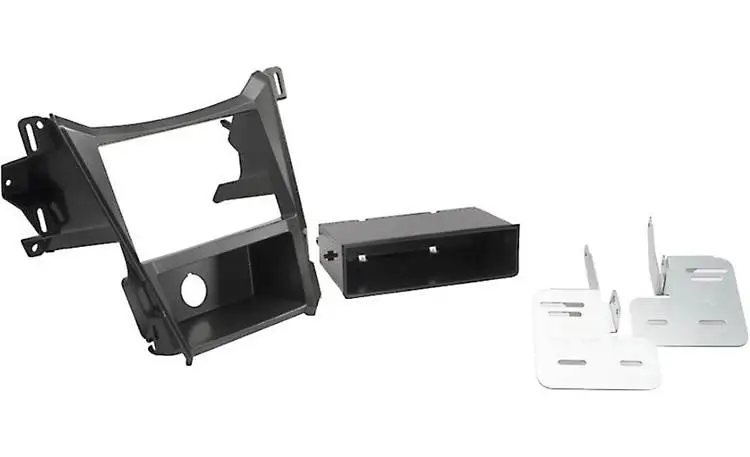
On enthusiast forums, the complaints get more mechanical and more specific. In a Maxima forum thread bluntly titled “scosche kit horrible,” one user reported: “there is no actual mounting point for the face… the radio mount holes did nt match up… they dont even include enough screws.” Another poster piled on with a durability/rigidity complaint, calling the brackets “crap plastic… way too soft,” and said the faceplate sat “snug a little tilted.” For users installing heavier touchscreens, these mounting confidence issues can be the difference between “done” and “I’m returning it.”
Instruction quality also becomes a friction point in complex dashboards. The Camaro5 reviewer wanted visuals, saying the directions lacked “actual diagrams” for disassembly. That’s especially relevant for first-time DIY installers who can wire a harness but dread breaking clips and trim panels; without diagrams, “easy install” can turn into cautious, slow disassembly or even paying a shop.
Summarizing the complaint themes after the narratives:
- Rattles and tilt complaints appear in retail reviews.
- Bracket/hole alignment issues appear in forum installs.
- Instructions are criticized for being too text-heavy.
Divisive Features
The “gapless fit” promise is polarizing because some users insist it’s true—while others can’t unsee the gaps once installed. In the Camaro5 thread, a skeptical commenter wrote: “the scosche kit doesnt even fit right (awful gaps),” while another defended it: “i love this kit… i have no gaps in my kit.” That split suggests variability tied to head unit sizing, how closely the installer follows the bracket sequence, or differences across vehicles/trim packages.
Compatibility expectations around factory systems also divide buyers. Some accept limitations as a price tradeoff; others see them as a dealbreaker. In the Camaro5 review, the owner flagged that it “doesn't come with onstar support built in (probably to keep the cost down).” For drivers who rely on OnStar or factory amplified systems, the “not compatible” fine print can feel like a harsh reality check after purchase—especially when the kit is marketed broadly as a “complete installation solution.”
Trust & Reliability
No verified Trustpilot-style scam patterns are present in the provided data; what shows up instead is the kind of reliability debate common with car audio installs: is the product flawed, or was the fit guide ignored, the head unit oversized, or the mounting sequence off?
Durability stories are mixed but telling. A YouTube reviewer describing a different Scosche dash kit format (break-off pieces for multiple models) said it’s “been probably 11 months now and is still holding up great,” emphasizing long-term hold rather than cracking or loosening. On the other hand, real-world vibration is where weak installs reveal themselves: one Best Buy customer said it started “rattling in my dash” during travel, requiring a return trip to the installer. In forum land, the concerns skew structural—glued seams, soft brackets, and “tilted” seating—suggesting that long-term satisfaction depends heavily on how solidly the stereo is anchored.
Alternatives
Only one competitor is repeatedly mentioned in user discussions: Metra. The relationship is complicated—some switch from Metra to Scosche for looks and simplicity, while others reject Scosche for mounting confidence.
On Camaro5, one reviewer framed the change as an upgrade: “i replaced my metra kit with the scosche kit,” citing better aesthetics and an easier install. But in the Maxima forum, the verdict flipped: “you’ll be much happier with the metra kit since it uses the oem metal bracket,” even though that same thread also includes frustration with Metra’s own fit issues (“absolute crap as well” from another poster). The takeaway: Metra is not portrayed as perfect; it’s portrayed as an alternate philosophy—often leaning on OEM metal brackets—while Scosche is praised for finish but sometimes criticized for plastic mounting strength.
Price & Value
At the low end, Amazon listings for some Scosche “complete installation solution” kits are shown around $14.99 (e.g., ICGM8BN, ICGM11BN), while another Amazon listing for a broader-coverage kit is shown at $24.99 (ICGM10BN). Best Buy shows $16.99 for GM1598B. On resale marketplaces, pricing swings wildly by model and demand: basic dash kits appear in the teens, while specialized Camaro kits show up around $349 on eBay listings.
Value, according to buyers, hinges on avoiding a second purchase. One Best Buy review practically reads like a warning label: “this is exactly what u need if it’s the correct fit.” Another reviewer recommended thinking ahead: “do a lil research on what you need before you buy, or at least take the dash bezel around the stereo off first.” The “buying tip” story here is that time spent verifying trim level and stereo dimensions can save you from returns, trimming, or an installer visit to chase rattles.
FAQ
Q: Does it really fit “double DIN” stereos without modification?
A: Sometimes, but not always. Scosche notes some “double din” radios are oversized and may need trimming, and buyers echo that. A Best Buy reviewer said their “double dim was a little bigger… it wasn’t easy cutting it down to make it work,” while another said “no modifications needed” on a 2010 GMC Sierra.
Q: Will it look factory once installed?
A: If your vehicle and head unit match the fit guide, many owners say yes. One Best Buy reviewer wrote, “looks like it was made in the car,” and another praised “sleek design and flush lines.” But a Camaro5 installer still noticed “the gap at the top” after multiple adjustments.
Q: Are rattles a common problem?
A: They come up often enough to take seriously, especially if mounting isn’t perfectly tight. One Best Buy customer said it “was rattling in my dash… annoying” and needed a fix by the installer. Others report the opposite, like “fit like a glove,” suggesting outcomes vary by install quality and fit.
Q: Is it truly easy for DIY installation?
A: Many DIYers call it straightforward, but dashboards can complicate it. A Camaro5 reviewer described it as “basically plug and play,” yet also said fitting the head unit was “a chore” and the directions lacked “actual diagrams.” Expect easier wiring than physical fitment in some cases.
Q: Does it support factory features like OnStar?
A: Not always—some kits and vehicle fitments explicitly exclude it. A Camaro5 reviewer said it “doesn't come with onstar support built in,” and some compatibility notes for GM kits specify “without onstar” or “not compatible with factory amplified systems.” Verify your trim and audio package first.
Final Verdict
Buy the Scosche Double/Single DIN Stereo Installation Kit for General Motors Vehicles if you’re a GM owner chasing a factory-style bezel and you’re willing to verify fitment carefully—because when it works, people say it “fit like a glove” and “looks like it was made in the car.”
Avoid it if you’re highly sensitive to tiny gaps/tilt or you’ve had past issues with dash-kit rattles; one buyer warned it “was rattling in my dash,” and forum installers complained about “awful gaps” and mount alignment.
Pro tip from the community: “do a lil research on what you need before you buy, or at least take the dash bezel around the stereo off first” (Best Buy).