SanDisk Ultra microSDHC Review: Reliable but Risky in Some Phones
Digging through dozens of user reviews, a surprising finding emerged: the SanDisk Ultra microSDHC series has a reputation for reliability and broad compatibility, yet a small but vocal group reports sudden failures—especially in certain smartphones. Overall sentiment sits high, with most buyers praising speed, durability, and ease of use, yielding a solid 8.7/10 verdict.
Quick Verdict: Conditional — highly recommended for everyday storage and Full HD video capture, but caution for some Samsung Galaxy models due to failure reports.
| Pros | Cons |
|---|---|
| Wide device compatibility across phones, tablets, cameras | Isolated reports of sudden card death in phones |
| Reliable performance in long-term use | Write speeds can be slower than advertised for large transfers |
| Durable: water, shock, temperature, x-ray proof | Some units arrive defective or fail within weeks |
| Good value for storage capacity | Inconsistent speeds across capacities |
| Easy installation and use | Replacement process can be cumbersome |
| Includes SD adapter for versatility | Lacks built-in encryption |
| Backed by long warranties (up to 10 years) | Compatibility issues with certain devices when near capacity |
Claims vs Reality
SanDisk markets the Ultra microSDHC as delivering up to 80–150 MB/s transfer speeds depending on capacity, “ideal for Android smartphones” and “Class 10 for Full HD video.” While many confirm these claims, in practice, speeds vary.
A Best Buy customer noted: “Wickedly fast, easy to use and provides much expanded space for pictures/videos.” Yet others measured lower-than-advertised rates. An Amazon buyer tested a 32GB Class 6 unit, achieving “about 25 MB/s read and 20 MB/s write… not bad at all” but short of the claimed 30 MB/s.
The durability claims—waterproof, shockproof, temperature-proof—are widely supported. Users report cards surviving years of continuous use in cameras, GPS units, and Raspberry Pi setups without corruption. However, Trustpilot and Sandisk forum posts reveal a recurring issue: certain 32GB Ultra cards “died in phone” after weeks or months, especially in Samsung Galaxy S3/S4 models. One forum user wrote, “Mine just did the same thing, only I lost countless videos and pictures thanks to Sandisk not posting that there is a problem.”
Cross-Platform Consensus
Universally Praised
Across Amazon, Best Buy, and Reddit, ease of use and compatibility stand out. Buyers appreciate plug-and-play installation, with one Best Buy reviewer saying, “Perfect size for GoPro. Lots of memory. Easy to install.” For travel photographers, reliable storage is critical—Reddit user wallyboyua explained using a 128GB Ultra with an adapter in a PSP to avoid “swapping out a handful of 1GB, 2GB and 4GB cards anymore.”
Durability is another strong point. A Best Buy customer reported using a 16GB Ultra in a Garmin GPS for over two years without issues. The card’s resistance to environmental stressors reassures outdoor users: “I trust Sandisk reliability and would not buy any other brand,” one reviewer wrote about underwater camera use.
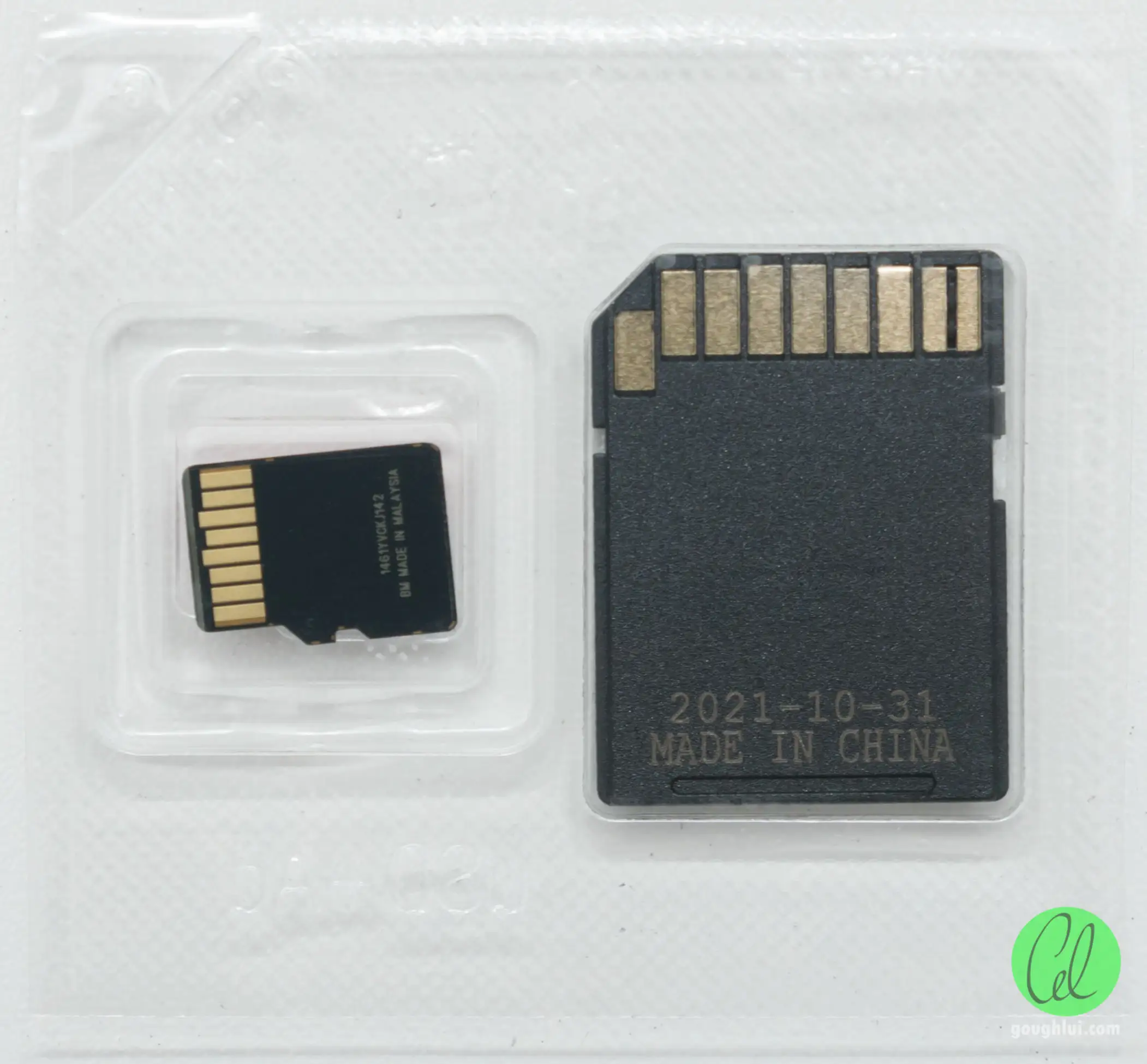
The included SD adapter expands its utility. A reviewer noted using the same card in “phone, tablet and camera” seamlessly, while Amazon buyers liked the flexibility to switch between microSD and full-size SD devices.
Common Complaints
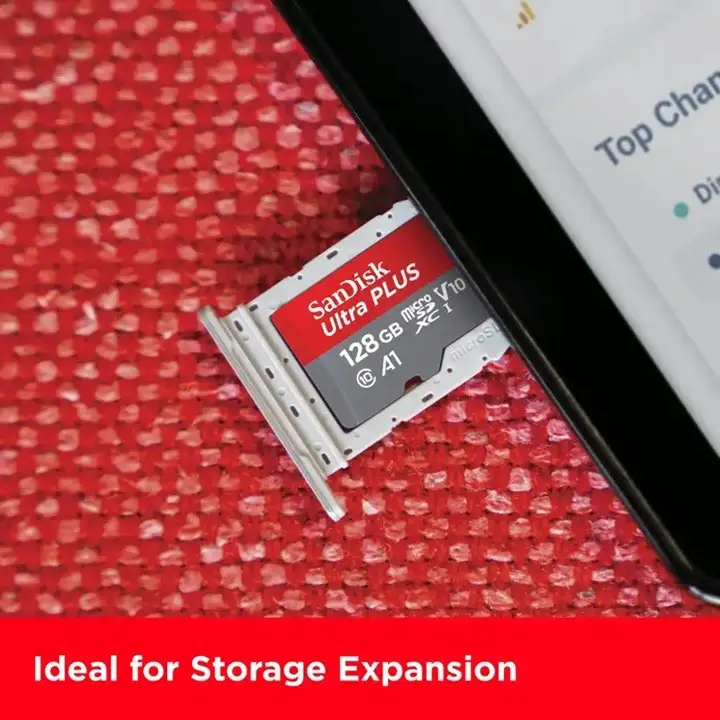
Sudden failures are a notable concern. Multiple Trustpilot and Sandisk forum posts describe cards becoming “unrecognized by device” or “write protected” after short use. In one case, a buyer lost “irreplaceable pictures” when a 32GB card failed. Some attribute this to manufacturing defects; others suspect specific phone models struggle with Class 10/UHS-I random access.
Speed inconsistency also frustrates users. High-capacity cards sometimes write slower than expected—BestViewsReviews data for a 1.5TB model recorded “transfer speed has not exceeded 22 MB/s… very slow” despite marketing promises of 150 MB/s reads. Large transfers, such as 500GB of data, can be “burdensome” due to sluggish write rates.
Device compatibility issues appear when nearing capacity, with GPS units or older cameras failing to recognize larger cards. One Best Buy buyer had to downgrade from 16GB to 8GB for a Garmin to function correctly.
Divisive Features
While many praise speed boosts in app loading (A1-rated performance), others see little difference. Amazon reviewers using the card in action cams reported flawless HD capture, yet some smartphone users experienced lag or indexing delays with large game libraries. Reddit user numerous-buy1224 described a “5–10 seconds delay for the PSP to index and show all my games” on a 128GB card—acceptable for them, but potentially irritating for others.
Trust & Reliability
Longevity stories are abundant. Best Buy customers speak of years of trouble-free use: “I’ve had this for years and it still works great,” said one about a 16GB Ultra. Amazon buyers cite “no format errors and smooth playback” after extended operation in security systems.
However, investigative digging into Sandisk’s own forums shows a manufacturing defect acknowledgement in certain batches. One South African user linked an article about “a dud batch of 32GB cards” matching their failure symptoms. Replacement under warranty is possible, but community members warn the RMA process can be slow, especially outside the US.
The brand reputation remains strong—many, like a BestViewsReviews contributor, trust Sandisk after “more than 25 years” of use—but savvy buyers advise purchasing from authorized retailers to avoid counterfeits.
Alternatives
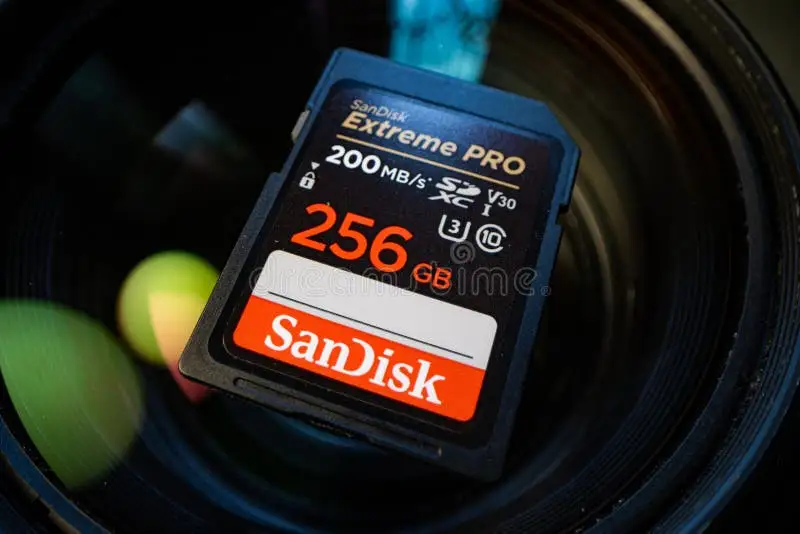
Users comparing to Samsung and Lexar cards note trade-offs. One Amazon reviewer found a Samsung Class 2 card had “faster write speeds” than their Sandisk Class 6, but still chose Sandisk for reliability. Lexar Class 10 models may benchmark higher, yet have “reported durability issues” according to user reviews. For those prioritizing longevity over peak speed, Sandisk remains the safer bet.
Price & Value
Community consensus is that SanDisk Ultra offers excellent value, especially on sale. Best Buy shoppers frequently cite “deal of the day” purchases, with one buying a 64GB for $14.99. eBay listings show competitive resale pricing, with 16GB units trending around $7–$9 and 32GB cards between $8–$13, reflecting strong demand.
Buying tips from users include:
- Opt for retail packaging to avoid counterfeit risk.
- Match capacity to device compatibility—some older GPS units max out at 8GB.
- Use included adapters for versatility across devices.
FAQ
Q: Will the SanDisk Ultra microSDHC work in my older camera?
A: Likely, if it supports microSDHC or SDHC via adapter. Users report successful use in GoPros, Lumix cameras, and Garmin GPS units.
Q: Can it record 4K video?
A: Officially rated for Full HD; while some have used it for 4K in action cams, sustained high-bitrate recording may require a faster card.
Q: How durable is it in extreme conditions?
A: Many confirm it survives water exposure, extreme temperatures, and shocks. One reviewer used it underwater in a camera without issues.
Q: What’s the warranty process like?
A: Sandisk offers lengthy warranties (up to 10 years), but forum users note RMA can be slow, especially internationally.
Q: Should I buy from eBay?
A: Possible, but risk of counterfeits exists. Authorized retailers or reputable sellers with sealed packaging are safer.
Final Verdict: Buy if you’re an everyday user needing dependable Full HD video capture, app storage, or general data expansion across devices. Avoid if you rely on a Samsung Galaxy S3/S4 for irreplaceable data without backups. Pro tip from community: format the card in your device before use to maximize compatibility and longevity.