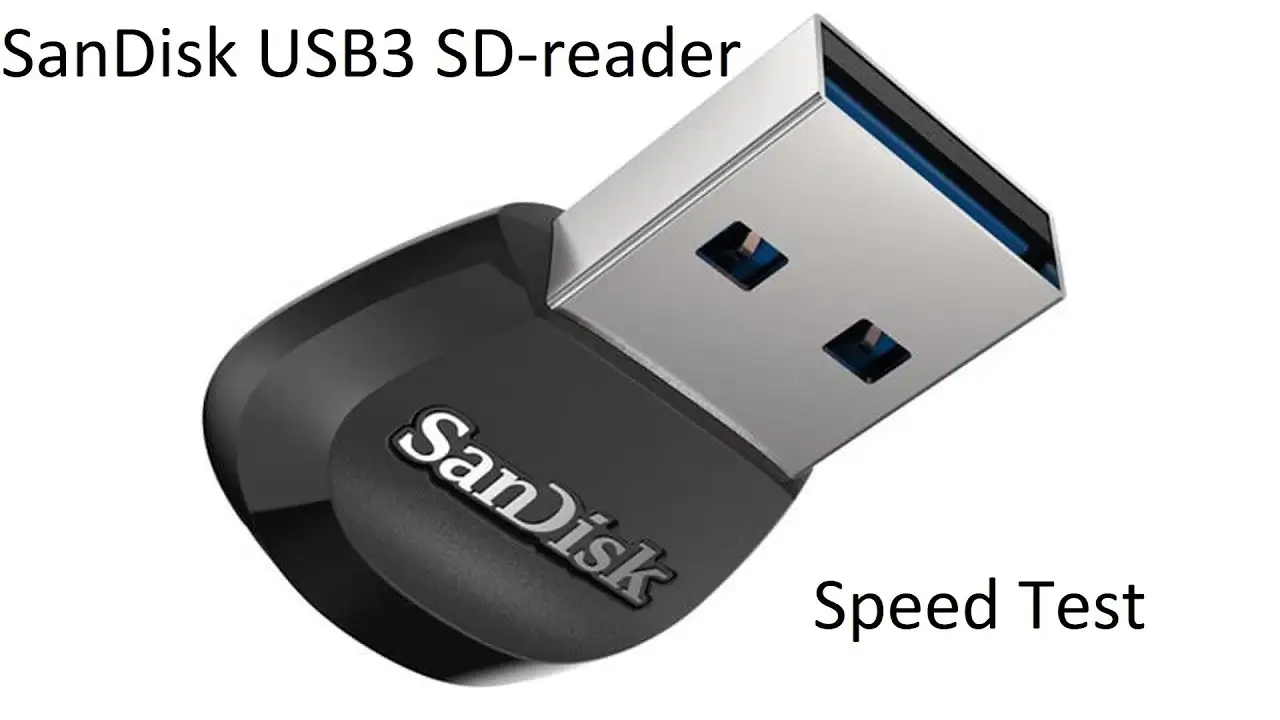
SanDisk MobileMate USB 3.0 Review: Compact Yet Limited
The SanDisk MobileMate USB 3.0 microSD Card Reader (SDDR-B531-GN6NN) has built a reputation as a compact, durable, and high-speed solution for transferring data from microSD cards — but digging into user reports reveals a more complex picture. While official specs boast up to 170 MB/s read speeds, cross-platform feedback shows performance can vary sharply depending on card type, host device, and user habits. Based on aggregated experiences, it earns a 7.8/10 for speed and portability, with caveats around build quality and compatibility with very large capacity cards.
Quick Verdict: Conditional — best for everyday transfers with UHS-I cards, less ideal for extreme speed or oversized card capacities.
| Pros | Cons |
|---|---|
| Compact and portable design | Loose USB fit in some devices |
| Fast transfers with UHS-I cards | Can struggle with >512 GB cards |
| Affordable price | Difficult to remove cards without long nails |
| Durable housing compared to plastic rivals | Mixed reports on long-term reliability |
| Plug-and-play, no drivers needed | Performance bottlenecks with top-tier cards |
| Compatible with USB 3.0 & 2.0 | Limited to microSD/microSDHC/microSDXC formats |
Claims vs Reality
One of the strongest marketing points is the up to 170 MB/s read speed thanks to proprietary technology. On paper, this means transferring gigabytes of 4K video in minutes. However, Reddit user feedback shows that achieving these speeds depends heavily on using compatible high-performance cards. A Reddit user said: "Got another card reader now read speed is up to 75 MB/s and write to 25 MB/s. That’s fast enough for starting CAD software in reasonable time" — notably lower than the claimed maximum.
SanDisk also promotes durability for extreme environments, noting shockproof, waterproof, and temperature-proof design. While this reassures outdoor photographers and drone operators, durability reports are mixed. One verified buyer on Amazon noted: "The fact that it projects only a short distance from the PC's USB port and accordingly doesn’t get bumped... is more important to me than massive storage capacity compatibility" — suggesting physical robustness in everyday use, but not necessarily a testament to surviving harsh conditions.
A third claim is plug-and-play convenience without drivers. This generally holds true, with many Reddit users reporting instant recognition by PCs and Macs. Yet, a Trustpilot reviewer countered: "About 50% of the time, it will not show up… struggles to work reliably with 1 GB to 256 GB cards and larger." This points to occasional detection issues, particularly with certain high-capacity cards.
Cross-Platform Consensus
Universally Praised
Across Reddit, ProductReview, and eBay buyer notes, portability is a standout feature. Drone pilots, dashcam owners, and Raspberry Pi hobbyists value how the MobileMate barely protrudes from the USB port, making it ideal for setups with limited space. A Reddit user shared: "I like how small the Ultra Fit is… this is metal compared to plastic." For Tesla owners, its size made it perfect for glovebox dashcam storage without clutter.
Speed — when paired with compatible UHS-I cards — is another consistently praised factor. ProductReview.com.au users found it "quicker than my computer’s existing SD card reader" and noted it beat other similarly priced readers. This makes it attractive for photographers moving large batches of images or video editors working off portable media.
Affordability rounds out the praise. Many Reddit comments highlight the ~$10–$15 price tag as a reason to choose it over bulkier, multi-slot readers. A verified Amazon buyer said: "Rather than buy an expensive drive… I was able to use this affordable adapter so that a repurposed SanDisk microSD card could be read as USB storage."
Common Complaints
The most frequent frustration is with very large capacity cards (512 GB and above). Multiple Trustpilot entries mention detection failures, and one reviewer stated bluntly: "Did not work with my 512 GB microSD card." This affects professionals using massive cards for 4K/8K workflows.
Card removal is another gripe — the slot design requires fingernail leverage. One Fakespot-highlighted review noted: "It’s difficult to get the card out unless you have razor sharp fingernails." This can slow workflows that involve frequent card swaps.
Build quality concerns also surface. Some users report loose USB fits or bent connectors, suggesting possible quality control issues. A Trustpilot reviewer suspected "either the solders were poor or there was some internal damage" after noticing a bent port.
Divisive Features
Performance with high-end cards like SanDisk Extreme Pro splits opinion. While some users report speeds close to advertised, others find the reader bottlenecks write rates. ProductReview.com.au’s pitpat tas noted: "It can cope with SanDisk Ultra speeds but can't reach the SanDisk Extreme (or Extreme Pro) speeds… though it is still compatible." For casual users, this difference might be negligible, but for professionals it’s a deal-breaker.
Trust & Reliability
Trustpilot and Fakespot data indicate minimal review manipulation but warn of potential counterfeit listings. The latter detected "over 90% high-quality reviews" yet flagged that "there may be counterfeit products sold through this listing." This means buyers should stick to reputable sellers to avoid knock-offs.
Long-term use stories are mixed. One Reddit user reported flawless operation "for the past few years… never missed a beat", while another said their unit "burn out in about 2 months max" before needing reformatting. For Tesla dashcam users, endurance-focused microSD cards paired with the MobileMate have held up well over months of continuous recording.
Alternatives
The only directly mentioned competitor is the Ugreen USB 3.0 SD Card Reader, which ProductReview compared as "about the same speed" as the MobileMate. Users choosing between them often weigh size and build — the SanDisk wins on compactness but loses out on multi-card compatibility.
Price & Value
Market trends from eBay show new units selling between $11–$17 USD, with some bundles hitting $25+. Resale value is modest, as the low entry price means used units often list under $10. Community advice leans towards buying new from authorized dealers to avoid counterfeit risks.
FAQ
Q: Will it work with 512 GB or 1 TB microSD cards?
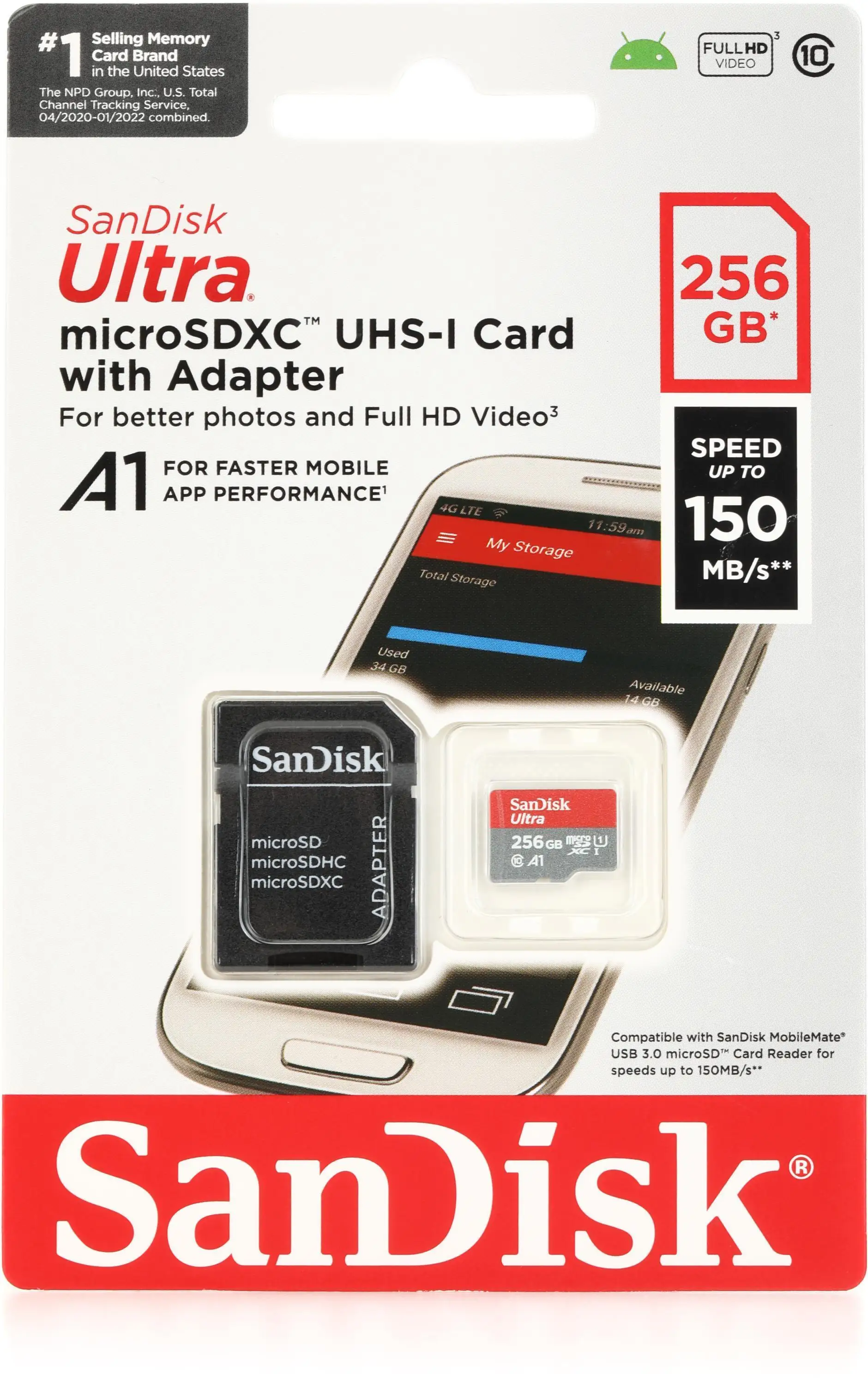
A: User reports indicate mixed success. Some large-capacity cards fail to be recognized, so it’s safer for capacities up to 256 GB unless confirmed by other owners.
Q: Does it support USB-C?
A: No. It uses USB-A, meaning you’ll need an adapter for USB-C-only devices.
Q: Can it reach 170 MB/s with any card?
A: Only with compatible UHS-I cards and host devices. Many users see lower speeds depending on card type.
Q: Is it good for continuous dashcam recording?
A: Yes, when paired with high-endurance microSD cards, several Tesla owners report months of reliable use.
Q: How durable is it physically?
A: Compact metal design resists bumps, but some users note loose USB connectors and difficulty removing cards.
Final Verdict: Buy if you’re a photographer, drone pilot, or dashcam owner seeking a compact, affordable microSD reader for UHS-I cards up to 256 GB. Avoid if you require top-tier write speeds for Extreme Pro cards or rely on oversized capacities. Pro tip from community: Pair with a high-endurance microSD for maximum lifespan in continuous-write scenarios.