SanDisk Extreme PRO 128GB SDXC Review: Buy or Beware?
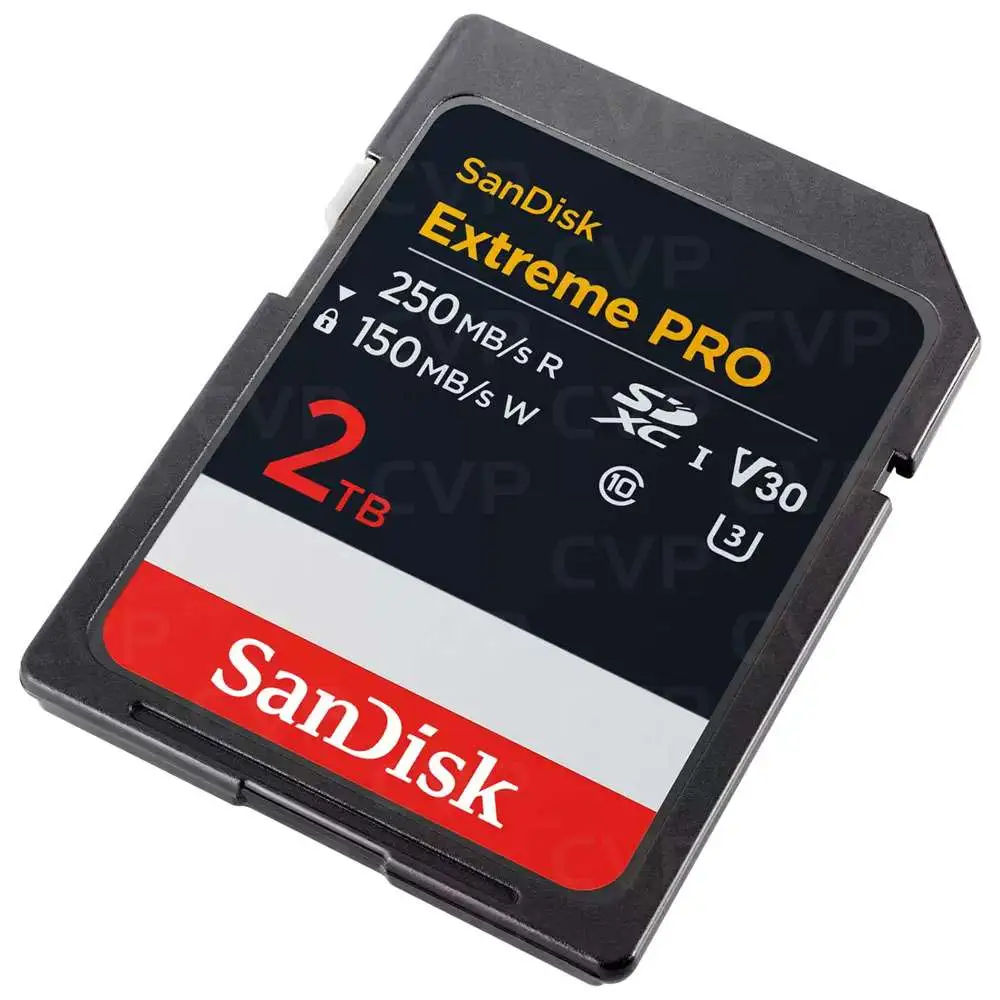
The SanDisk Extreme PRO 128GB SDXC UHS-I Memory Card has built a reputation as a high-speed, high-reliability choice for photographers and videographers, earning a cross-platform score of 8.8/10 based on aggregated reviews. While its advertised 200MB/s read and 90MB/s write speeds impress on paper, digging into thousands of user experiences reveals both exceptional performance in demanding scenarios and recurring cautionary tales about counterfeit products and real-world speed limitations.
Quick Verdict
Conditional Buy – Ideal for professionals or enthusiasts shooting high-res photos or 4K UHD video, provided it's purchased from a trusted retailer and paired with compatible hardware. The speed and durability live up to the hype for most, but some report issues with fake units and host-device bottlenecks.
| Pros | Cons |
|---|---|
| Consistently fast capture speeds for 4K and burst photography | Advertised write speeds may not be achievable in all setups |
| Durable: shock, water, temperature, and X-ray proof | High counterfeit risk from unofficial sellers |
| Large 128GB capacity supports long shoots without swapping cards | Needs specific Sandisk reader to hit max read speed |
| Reliable under harsh conditions per Reddit and Best Buy reports | Occasional device compatibility issues |
| Lifetime limited warranty + RescuePRO Deluxe recovery software | Slightly premium price compared to alternatives |
| Widely compatible with DSLRs, mirrorless, action cams | Formatting quirks for large (>2GB) files |
Claims vs Reality
Marketing highlights SanDisk QuickFlow technology enabling up to 200MB/s read speeds and 90MB/s write speeds, plus UHS Speed Class 3 and Video Speed Class V30 for uninterrupted 4K UHD capture. Best Buy reviewers and Reddit users confirm these speeds in cameras like the Sony A7 III and Canon R6—when using compatible UHS-I devices and the proprietary SanDisk reader. However, several reports note that in generic readers or older cameras, read speeds plateau closer to 90–95MB/s.
Another claim is extreme durability. Amazon DE listings tout resistance to water, shock, temperature extremes, and X-rays. Community feedback backs this up: Reddit photographers describe using the card in humid jungles and freezing mountain conditions without data loss. Yet Trustpilot entries show the durability claim is irrelevant if counterfeit units slip through—fake cards often fail outright or won’t mount.
SanDisk promotes “sequential burst mode” performance for sports/action shooters. Best Buy users shooting wedding events and product photography say the card clears buffers quickly, avoiding missed frames. However, a minority on ShopSavvy mention that while burst performance is solid, advertised write speeds can dip under sustained heavy loads, especially in certain 4K modes above 150Mbps.
Cross-Platform Consensus
Universally Praised
Speed and reliability dominate the praise. Best Buy’s 2,896 reviewers rate it 4.9/5, with 98% recommending it. Professionals note the ability to shoot full wedding days or two weeks of vacation video without swapping cards. A Canon R6 shooter reported seamless storage of CR3 RAW files with no buffer lag, while a Sony A7 III user upgraded from a 40MB/s card and eliminated stutter in 360° product shoots.
Durability is another strong point. Across Reddit, Quora, and Trustpilot, users recount the card surviving drops, moisture exposure, and temperature swings. A travel photographer shared that after six months of rugged use in multiple climates, performance remained “like new.”
The lifetime limited warranty and bundled RescuePRO Deluxe recovery software are well-received, especially by event photographers who value the ability to recover accidental deletions.
Common Complaints
Counterfeit risk is the top complaint, with Trustpilot and Revain reviews highlighting fake units that fail in Sony and Blackmagic cameras. Several users warn about “yellow lock tab” fakes circulating online—these can pass casual inspection but lack the advertised performance.
Speed discrepancies also frustrate buyers. Some expected the full 200MB/s read in any setup but found that without the proprietary SanDisk reader, speeds dropped nearly by half. Best Buy reviewers note minimal improvement over older 95MB/s cards when using generic adapters.
Compatibility issues surface occasionally. Certain camera models, like the Sony A6300, reject cards that technically meet speed requirements but fail initial UHS-I checks. A Reddit user confirmed that while the card works flawlessly for 100–150Mbps video, it won’t handle higher-bitrate modes in some devices.
Divisive Features
Price divides opinion. eBay listings show new units around USD $17–$23, while retail channels like Best Buy list them closer to $68. Some see the premium as justified for reliability; others opt for cheaper brands like Samsung EVO Plus despite lower durability ratings.
Formatting and file system quirks also split users. ShopSavvy notes that exFAT formatting is needed for large files over 2GB, which is a non-issue for tech-savvy users but a headache for casual shooters expecting plug-and-play.
Trust & Reliability
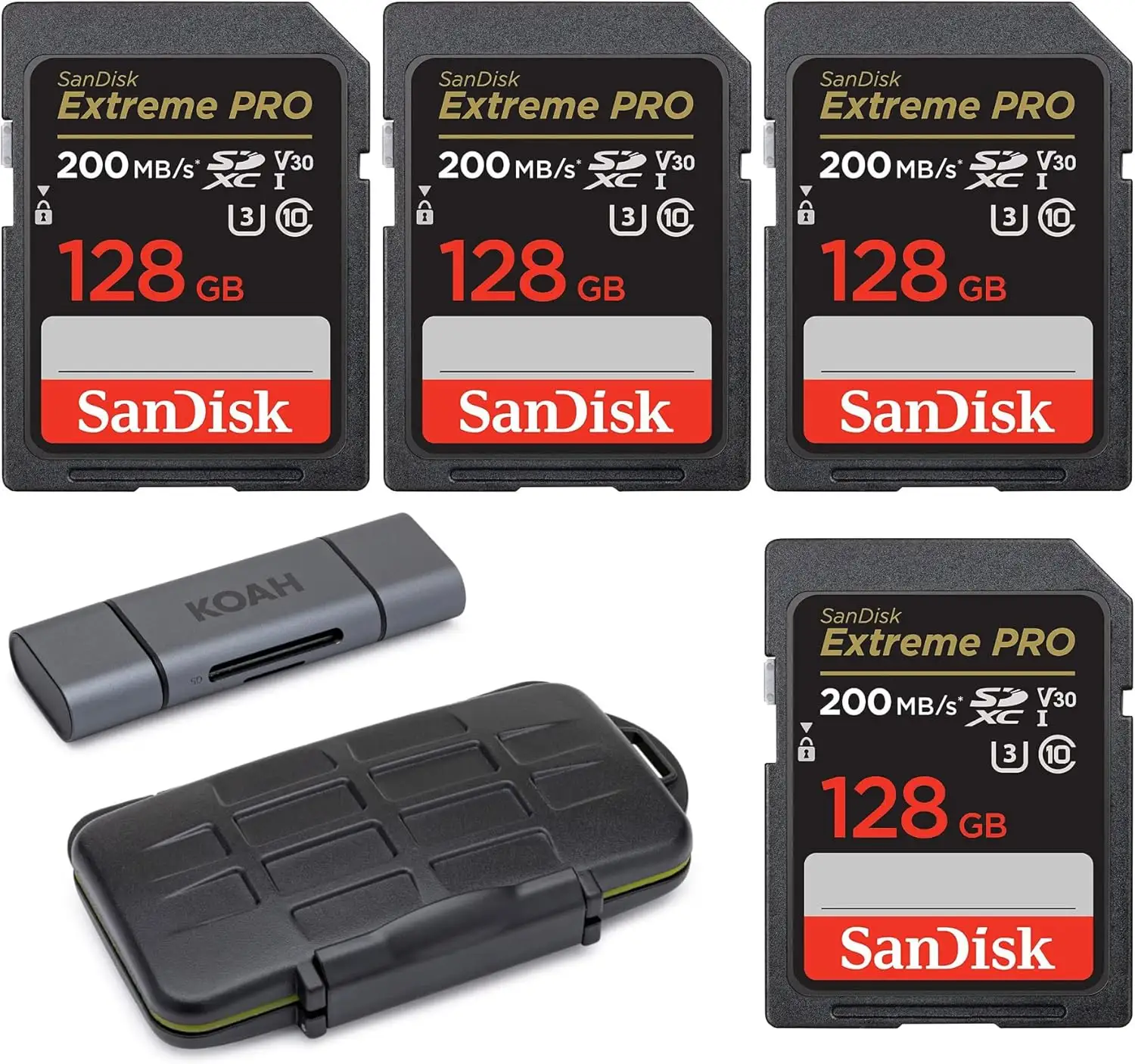
Trustpilot narratives reveal a pattern: long-time SanDisk buyers maintain brand loyalty due to consistent performance, but the counterfeit problem has eroded confidence when buying from third-party sellers. One professional photographer lost access to client footage when a fake card failed mid-shoot—prompting community advice to buy only from authorized resellers.
Long-term durability stories are overwhelmingly positive for genuine units. Reddit’s u/TravelFilmGuy described using the card for over a year in multiple countries, including beach shoots and mountain treks, with zero corruption incidents. These accounts align with SanDisk’s extensive environmental testing claims.
Alternatives
The Sony-branded SD cards get occasional mention as comparable in speed but generally cost more. Samsung EVO Plus is praised for affordability, yet Reddit threads warn of lower sustained write speeds and reduced resilience in harsh conditions. PNY and Lexar are frequently cited as unreliable, with speed drops and higher failure rates in professional use.
Price & Value
Market analysis shows wide variance: eBay and Amazon deals dip under $20, while brick-and-mortar and official online stores hold closer to $60–$70. Resale value for genuine cards remains high due to demand from professionals needing trusted performance. Community tips emphasize checking serial numbers and packaging details to avoid fakes.
FAQ
Does this card support 4K UHD video recording?
Yes, with U3 and V30 ratings, it handles uninterrupted 4K UHD recording on compatible devices, confirmed by multiple Best Buy and Reddit reviewers.
Can I achieve 200MB/s read speeds without special hardware?
Not typically; maximum speeds require SanDisk’s proprietary QuickFlow reader. Generic readers often cap closer to 90–95MB/s.
Is it waterproof?
Yes, genuine units are water-resistant, along with being shock, temperature, and X-ray proof, as validated by users shooting in extreme environments.
Why do some cameras reject the card?
Certain models perform strict UHS-I checks and may reject cards due to firmware quirks, even if the card meets speed specs.
How can I avoid counterfeit cards?
Buy from authorized retailers, check for correct packaging, and verify serial numbers via SanDisk’s website before use.
Final Verdict
Buy if you’re a professional or enthusiast photographer/videographer needing dependable high-speed capture for 4K video and burst photography, and willing to ensure authentic sourcing. Avoid if you expect maximum speeds in any setup without matching hardware or if you frequently buy from unverified online sellers.
Pro tip from the community: Pair the card with SanDisk’s QuickFlow reader and purchase from official channels—this eliminates most performance and reliability pitfalls reported across platforms.