Roku Outdoor Security Camera Review: Mixed Verdict
Few products shift so sharply from raving initial impressions to outright frustration as the Roku Outdoor Security Camera. Drawing from hundreds of user accounts, the verdict lands at 6.5/10 — capable hardware undermined by inconsistent performance and confusing limitations.
Quick Verdict: Conditional Buy
| Pros | Cons |
|---|---|
| Crisp 1080p HD video with surprisingly good night vision | Motion detection frequently fails or triggers only at very close range |
| Weather-resistant build (IP65) survives rain and snow | Many recording features locked behind subscription |
| Easy Roku TV integration for instant viewing | Battery life complaints despite “6 months” claim |
| Loud siren for deterring intruders | Poor desktop/web viewing options frustrate users |
| Simple DIY installation | Support agents often lack product knowledge |
| Affordable entry price, frequent discounts | Connectivity dropouts on wireless models |
Claims vs Reality
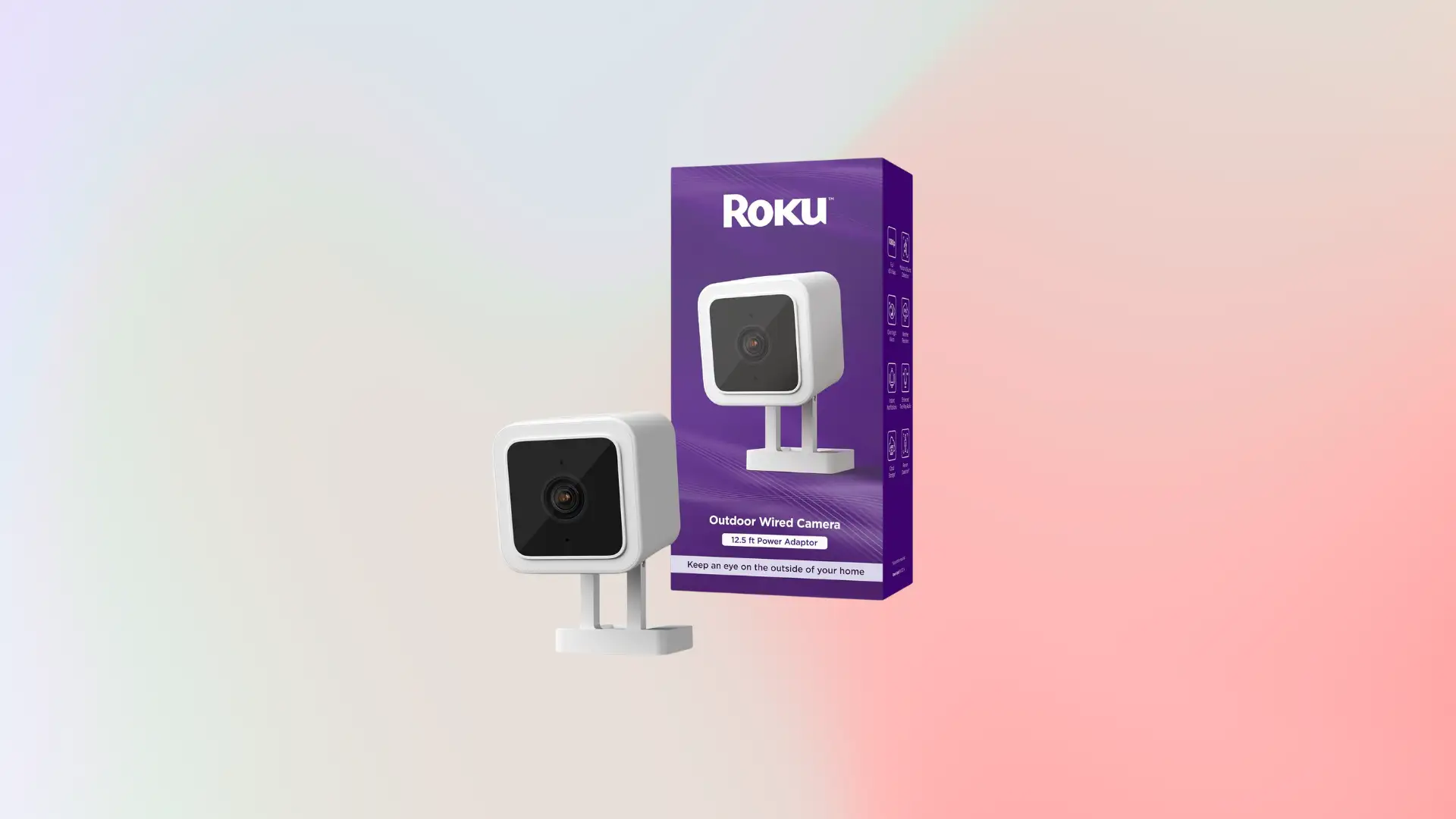
Roku markets its outdoor cameras — wired, battery-powered, and floodlight variants — as easy-install solutions with “crystal-clear” 1080p video, long battery life, and reliable motion detection. While the on-paper features are strong, many owners report performance gaps.
The long-life battery claim (“up to six months on a single charge”) quickly falters in real use. A Reddit user in the Roku Community explained, “Three hours of use sitting on my counter and the battery died. Glad I kept the box… the cashier said everyone returns these.” Although the spec sheet attributes battery longevity to fewer than ten events per day, several buyers hit low battery after just days of testing.
Motion detection is another point of divergence. Marketing highlights “smart sensors” that filter out false alerts from wind-blown trees, but users counter that detection zones often fail to trigger unless movement is extremely close. One frustrated poster wrote, “Even after increasing sensitivity… it doesn’t capture any triggers unless it is 2 feet in front of the camera.” This sharply contradicts advertised ranges and undermines mailbox or driveway monitoring.
Cross-Platform Consensus
Universally Praised
Across Amazon, Reddit, and deal-sharing sites, video quality is the clearest win. A verified Hip2Save reviewer noted, “Crystal-clear 1080p HD footage, even at night, with excellent night vision. Weather-resistant and held up through rain, snow, and freezing temperatures.” This reliability in inclement weather makes the wired and floodlight versions particularly appealing for homeowners in variable climates. The IP65-rated bodies and IP67 adapters mean winter storms rarely interrupt feeds.
Integration with Roku TVs and players earns constant applause. Owners can pull up camera feeds with a remote button or voice command, avoiding the need to grab a phone. For Roku households, this convenience is so prized that one couple reported, “We feel like our home is much safer now… checking the security feed is easy and convenient.”
The floodlight model’s illumination power also stands out. Reviewers on Amazon mentioned that the dual 2600-lumen LEDs cover large yard areas, deterring both human and animal intruders. The 105db siren is compared to “a live helicopter” in the yard — a level of intimidation most rivals can’t match.
Common Complaints
The majority of frustrations center on motion detection unreliability. From missed package drop-offs to cameras ignoring cars pulling into driveways, users often reconfigure sensitivity and zones to no avail. One Twitter/X community member lamented, “If you opt for ‘no cooldown,’ you miss things completely; even with 15 seconds cooldown, you still miss important parts.” These gaps create a dangerous false sense of security.
Subscription dependency also grates on buyers. Without the paid Roku Smart Home plan, recordings vanish from the cloud, leaving only live viewing. The Trustpilot account of a battery camera owner illustrates the pain point: repeated chats with support yielded no fix for lost events before the device “just stopped working completely.”
Connectivity dropouts plague wireless variants. Reports describe cameras disconnecting from Wi-Fi despite strong signals, forcing restarts or reinstallation. One Trustpilot reviewer summed it up: “Support did nothing to help… I’m not doing a replacement as cameras still don’t work.”
Divisive Features
Some owners love the built-in siren for its deterrence factor, while others find it impractical for routine alerts. Likewise, the two-way audio draws mixed reactions — praised for greeting visitors or shooing pets, but criticized for occasional lag and muffled outbound sound.
Durability splits opinion too: those in harsh climates often celebrate weather resistance, but indoor-heavy users question if external build quality justifies the price when firmware and app issues persist.
Trust & Reliability
A recurring concern emerges: Roku’s strong reputation in streaming devices doesn’t guarantee equal polish in security hardware. Several Reddit Community voices echo the Trustpilot sentiment that early enthusiasm turns to regret after devices fail. One long-form feedback letter from a Roku Community member criticized “zero knowledge” from phone support and noted that web/desktop viewing restrictions severely limit usability for actual security work.
Long-term posts reveal few reports of cameras “getting better” with updates — most problematic units are either replaced quickly or returned altogether. Wired variants seem more stable over time compared to battery models, which are hit hardest by performance decay.
Alternatives
Within the supplied data, Roku’s own wired outdoor camera is the safest bet for consistent power and fewer connection losses. Battery competition from the Roku Battery Camera Plus offers extended lifetime (up to 2 years under low trigger counts) but shares many app limitations. The floodlight camera wins for deterrence power but demands hardwired installation to a junction box.
Price & Value
Frequent sales radically change the equation. Reports of the outdoor camera dropping to $14.99 from $59–$79 mean bargain hunters can overlook flaws more easily. eBay resale prices hover around $45–$72, depending on condition and accessories, suggesting decent depreciation — a sign of mixed market confidence.
During heavy discounts, buyers frame purchases as “worth it” despite needing a subscription for full utility. At full price, community consensus leans toward alternative brands unless TV integration is a personal must-have.
FAQ
Q: Does the Roku Outdoor Security Camera require a subscription to record events?
A: Without a subscription, you can only view live feeds. Paid plans enable 14-day cloud storage and smart detection features.
Q: Can I view my Roku camera feed on a computer?
A: For most models, live viewing is restricted to the Roku Smart Home app or Roku TVs/players. Some wired models allow microSD card retrieval via PC, but it’s cumbersome.
Q: How far can motion detection work effectively?
A: While specs promise broad coverage, multiple users report reliable triggers only at a few feet, especially on battery models.
Q: How weather-resistant are these cameras?
A: Rated IP65, most withstand heavy rain and snow. Wired adaptors are IP67, adding extra climate tolerance.
Q: Why does my camera disconnect from Wi-Fi?
A: Wireless models are susceptible to signal drops. Placement closer to routers and using 2.4GHz networks can help, but some users experience frequent outages regardless.
Final Verdict: Buy if you’re a Roku ecosystem fan seeking integration with TVs and players, can tolerate subscription costs, and prefer wired stability over wireless convenience. Avoid if you need flawless motion capture or web-based monitoring. Pro tip from community veterans: grab it only during steep sales, and opt for the wired or floodlight version to sidestep battery headaches.