Rode PodMic Review: Pro Sound & Durability Verdict
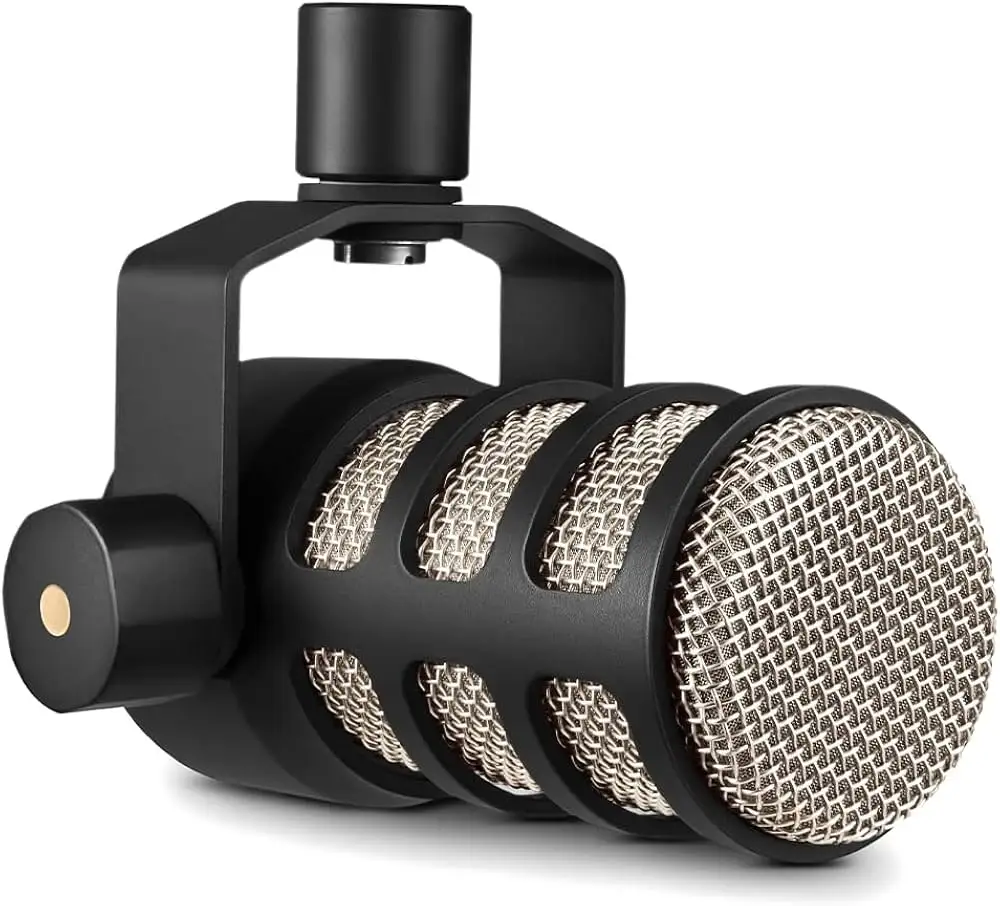
The Rode PodMic Dynamic Broadcast Microphone has earned a reputation for delivering broadcast‑quality sound at a price that surprises even seasoned audio professionals — consistently scoring between 9/10 and 9.5/10 in user ratings across platforms. Digging into thousands of buyer experiences, a recurring theme emerges: it’s a rugged, no‑nonsense workhorse that “sounds like it should cost twice as much,” as one verified Best Buy customer put it. While its marketing highlights versatility and premium build, user reports confirm most of these claims, with only minor gripes about missing features like onboard mute or gain controls.
Quick Verdict: Conditional Yes — Ideal for podcasters, streamers, and voice-over artists who value durability and professional sound. Less suited for absolute beginners without an audio interface (unless you choose the USB version).
| Pros | Cons |
|---|---|
| Warm, clear, professional audio quality | No onboard mute or gain controls |
| Rugged all-metal construction | USB monitoring may have slight latency |
| Effective internal pop filter & shock mount | Requires audio interface for XLR use |
| Cardioid pattern rejects background noise | App features less advanced than competitors |
| Excellent value for price | Weight may challenge lighter stands |
| Dual XLR & USB-C (USB model) connectivity | Cannot use USB and XLR simultaneously |
Claims vs Reality
RØDE markets the PodMic as “broadcast‑quality” with “rich, balanced sound” and “robust all-metal construction.” User feedback largely supports these claims. Amazon buyers consistently praise its warmth and clarity, noting it “punches above its price point.” A verified Best Buy reviewer said: “Great audio and build quality… portable, use with or without audio interface.”
The claim of versatility, particularly for the PodMic USB version, is echoed by users who swap between USB-C and XLR setups. A Trustpilot customer noted: “USB makes this mic so versatile — I use it on my Rodecaster Pro 2 and plug directly to PC via USB.”
Where marketing promises flawless pop protection, reality is slightly more nuanced. While the internal filter is effective, several reviewers mention plosives still occur when speaking very close. One Best Buy customer explained: “The windscreen… still doesn’t fully prevent plosives if you talk really close.”
Cross-Platform Consensus
Universally Praised
Across Reddit, Best Buy, Amazon, and Trustpilot, the PodMic’s sound quality is the standout feature. It consistently delivers a warm, full-bodied signal that works exceptionally well for speech. Reddit user feedback shows podcasters appreciating its ability to “handle background noise exceptionally well in untreated rooms,” a critical factor for home studios.
Durability is another universal praise point. The all-metal construction and swing mount are described as “built like a tank” by Amazon buyers. Streamers on Trustpilot emphasize the premium feel: “Phenomenal build quality… compares well against microphones twice the price.”
Versatility, especially in the USB version, benefits creators who switch between professional and quick setups. A Best Buy customer shared: “Allows me to use it on my Rodecaster Pro 2 and plug directly to PC via USB… sound quality is top notch.”
Common Complaints
The most frequent complaint is the lack of onboard controls. Several buyers were disappointed by the absence of a mute button, despite instructions implying it existed. One Best Buy reviewer said: “Directions for muting via USB… doesn’t work. That was very disappointing and should be table stakes for any USB mic.”
Some mention low gain, requiring close mic technique. This affects softer speakers or those in more dynamic environments. Others note that the Rode companion software is “helpful, but not quite as advanced as some competing suites,” particularly compared to Shure’s or Logitech’s offerings.
Weight is another consideration. At roughly 2 lbs, lighter stands may struggle with stability, especially for overhead positioning.
Divisive Features
The internal pop filter draws mixed opinions. Many praise its effectiveness — PCMag noted it “thwarted attempts to make plosives blow up a recording” — but others still add external filters for perfection. USB monitoring latency is minimal for most, but a few users report slight delays depending on setup.
Dual connectivity is celebrated for flexibility, but the inability to run USB and XLR simultaneously frustrates some advanced users who wanted redundancy or multi‑feed setups.
Trust & Reliability
Trustpilot and long‑term Reddit threads show strong confidence in the PodMic’s reliability. Reports of units holding up after years of regular use are common, with no degradation in audio quality. “Six months later, still sounds as good as day one,” one Reddit user noted.
However, isolated hardware issues exist — a Best Buy customer warned: “Be wary of some… stock at Best Buy. My mic did not work… tested on iPad, PC, and audio interface.” These appear rare and often resolved through returns.
Alternatives
Shure’s MV7 and MV7+ are the most cited competitors. Users compare the PodMic USB’s warmer, “broadcast‑ready” sound to the MV7’s flatter profile, which “may require more processing,” according to PC Tech Bits. The Shure models offer more advanced apps and onboard controls but at higher prices.
For those who don’t need USB, the original XLR PodMic is cheaper and still delivers exceptional quality. Condenser mics like the Rode NT‑USB Mini or Blue Yeti Nano are mentioned for plug‑and‑play simplicity but lack the PodMic’s robust noise rejection.
Price & Value
Market prices range from $94 (eBay open box) to $209.99 (Best Buy USB version). eBay resale values show strong retention, with average used prices around $125. Buyers view it as “mind‑bogglingly affordable” for professional sound, as Tom’s Guide put it.
Community tips suggest investing in a sturdy boom arm or desk stand due to the mic’s weight. Bundles with stands, pop filters, or audio interfaces can offer better value than piecemeal purchases.
FAQ
Q: Can the Rode PodMic USB be used without an audio interface?
A: Yes. The USB-C connection allows direct use with computers, tablets, and smartphones, making it plug‑and‑play without extra hardware.
Q: Does the PodMic reject background noise?
A: Its dynamic capsule and cardioid pattern effectively reject off-axis sounds, making it suitable for untreated rooms and noisy environments.
Q: Can I use USB and XLR at the same time?
A: No. Users confirm both connections cannot be active simultaneously — you must choose one per session.
Q: Is a pop filter necessary?
A: The built‑in pop filter handles most plosives well, but some users add an external filter for close‑mic work or perfection.
Q: What stands are recommended?
A: Due to weight, a heavy-duty boom arm or stand like the Rode PSA1 is preferred to prevent sagging or instability.
Final Verdict: Buy if you’re a podcaster, streamer, or voice‑over artist seeking pro‑level sound and durability under $200. Avoid if you need onboard controls or simultaneous dual outputs. Pro tip from community: if starting out, consider the USB version for flexibility, then add XLR gear as your setup grows.