Ricoh DB-110 Battery Review: Reliable But Short-Lived
A verified buyer summed it up best: “The Ricoh GR III is a great camera but runs through batteries pretty fast. I always carry spare batteries and use them.” That single line captures the essence of the Ricoh DB-110 Rechargeable Li-Ion Battery story — a compact, high-capacity lithium-ion designed for Ricoh’s GR III, GR IIIx, WG-6, G900, and Theta X — but one that inspires equal parts praise for its reliability and frustration over its endurance. Overall user sentiment averages around 8.5/10, with clear strengths in compatibility, build quality, and charging ease, contrasted by recurring complaints about short operational time and official pricing.
Quick Verdict: Conditional — worth buying if you prioritize OEM reliability over maximum runtime, but serious shooters should consider carrying extras.
| Pros | Cons |
|---|---|
| 100% OEM compatibility with Ricoh cameras | Battery life often falls short of expectations |
| Reliable power output across challenging conditions | Higher price than third-party alternatives |
| Compact and lightweight for travel | Prone to overheating in summer (GR III reports) |
| Maintains charge well in storage | Official charge time ~2.5 hours feels slow |
| Consistent battery meter readout | Requires BJ-11 charger (sold separately) |
| Solid construction; durable over time | Aftermarket batteries may offer higher capacity |
Claims vs Reality
Ricoh’s marketing emphasizes “long life and consistent power” for the DB-110. It’s a claim that resonates with those who need their camera ready at a moment’s notice — but digging into field reports tells a more nuanced story. Reddit user telemach described months of testing, concluding that the DB-110 “is certainly providing longest time available but at a cost… it is around 80–95 minutes” in the GR III, depending on temperature and shooting style. That statement, while validating OEM longevity compared to many third-party cells, still falls short of “all-day” performance.
Another repeated claim is “perfect compatibility” and accurate battery status reporting. That one holds up well; even non-OEM alternatives with proper chips deliver correct readouts. A community seller in Europe noted about his third-party variant: “The battery status is displayed correctly on your camera screen… 100% compatible without detrimental effects.” In practice, the DB-110’s cooperation with Ricoh’s BJ-11 charger and real-time monitoring means photographers aren’t caught off guard by sudden depletion.
Finally, Ricoh suggests durability under environmental stress. While there’s plenty of praise for operation in varied conditions, outdoor summer use unearths a weakness. Telemach observed overheating shutdowns: “There are no vents to release heat from battery so if your camera turns off to prevent overheating then just switch battery and continue shooting.” This is not unique to Ricoh’s cell, but OEM buyers should be aware.
Cross-Platform Consensus
Universally Praised
On Amazon, owners rave about the DB-110’s threadbare list of surprises — in a good way. “Works in my Ricoh… as advertised,” said one verified buyer, highlighting the fact that OEM cells almost always deliver plug-and-play compatibility without voltage anomalies. Event photographers appreciate its ability to hold charge in storage for weeks; an Amazon customer noted theirs retained “over 90% after a couple of weeks.”
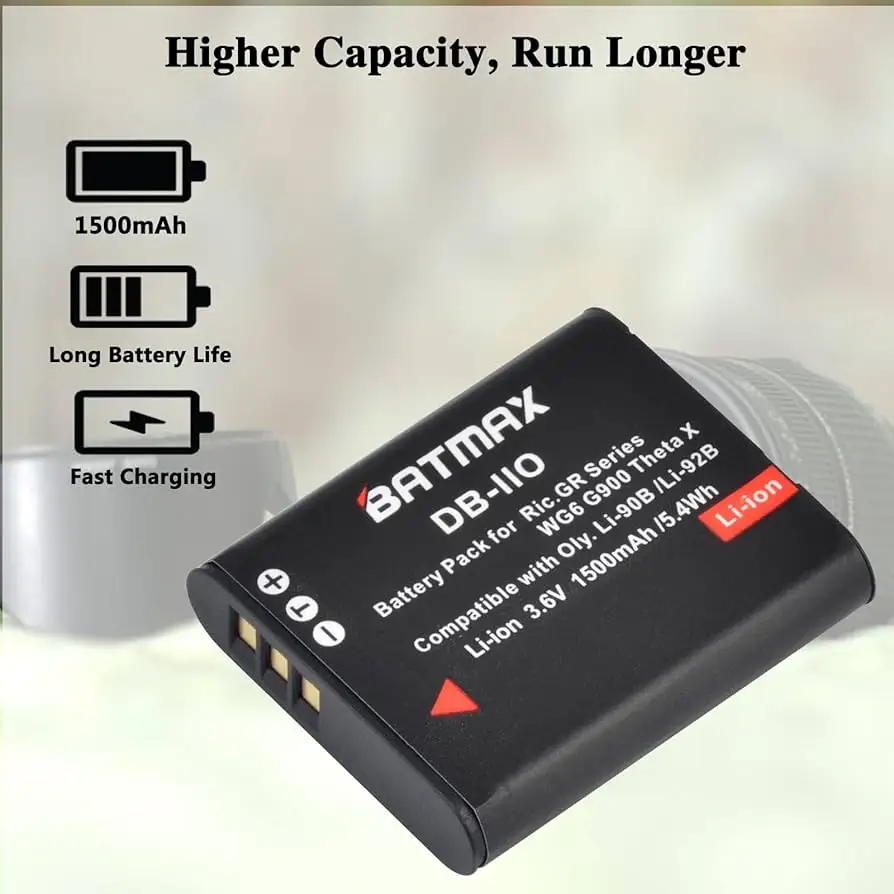
For travel shooters, the DB-110’s small footprint is equally important. One UK retailer’s listing described it as “compact and lightweight… perfect for photographers on the go,” a sentiment backed by street photographers who fit several into slim side pockets without the battery bulge common in older Ricoh packs.
Long-term users echo that the charger integration is seamless: the BJ-11 fills an empty DB-110 in about 2.5 hours, predictable enough for multi-day shooting schedules. A Trustpilot review applauded the Wasabi charger’s built-in prongs for direct wall use — functionality identical to Ricoh’s own — saying, “No extra cord needed.”
Common Complaints
Battery life headlines nearly every critical thread. While Ricoh states the GR III with DB-110 can achieve up to 200 shots under optimal conditions, real-world use paints a shorter picture. Telemach’s stopwatch approach measured 80–95 minutes for OEM, with third-party brands often slipping into the 60–75 minute zone. A DPReview commenter sarcastically lamented, “A freshly charged battery ends before the concert you’re photographing does.”
Price is another sticking point. Many see the ~$39.95–$49.99 MSRP as steep for 1350mAh, particularly when third-party units advertise 2000mAh at half the cost. “Huge saving on the purchase price,” proclaimed a European seller offering a non-Ricoh version, adding that performance was “identical” except for brand markings.
Summer overheating affects GR III users disproportionately. Reports suggest the cell’s thermal limitations are more about camera design than the battery itself, but the end result is the same — unexpected shutdowns during warm weather shoots.
Divisive Features
Charge times prompt debate. Ricoh’s official 2.5-hour spec is acceptable for many; others, especially those accustomed to faster third-party dual chargers, find it sluggish. A Quora listing boasted USB-C dual chargers that fill two third-party DB-110s at 500mA each, cutting turnaround.
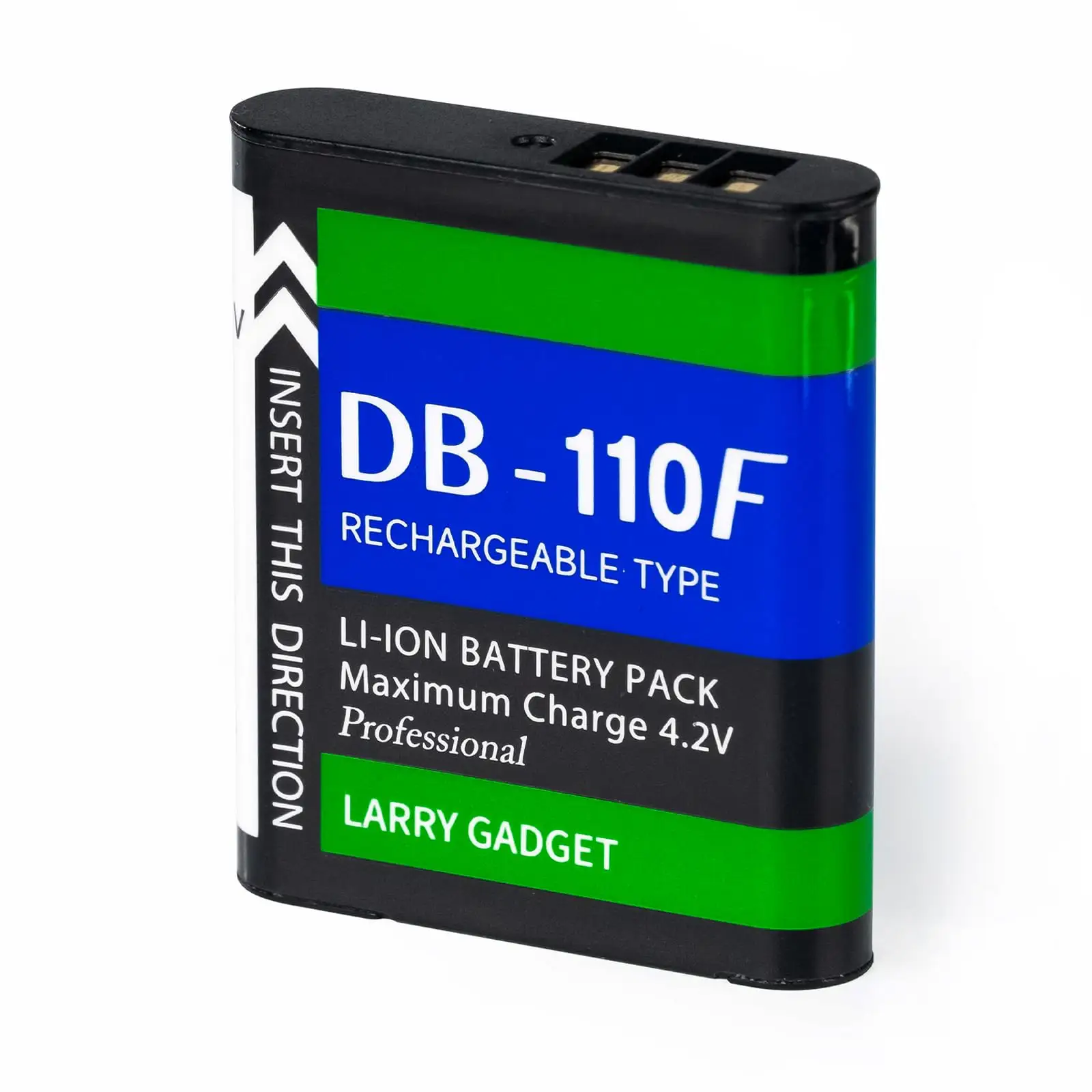
Third-party vs OEM capacity claims are another battleground. While users of 2000mAh aftermarket cells enjoy longer sessions, some caution about build quality and safety. “Until one day you will notice smoke coming from battery compartment,” one Reddit participant warned after seeing overheated generics. Yet others counter they’ve “never met anyone that has actually had this problem” and happily switch between official and compatibles.
Trust & Reliability
Brand trust remains decisive. Ricoh warns that “damage caused by rechargeable batteries from a third-party manufacturer is not covered by the warranty,” a reminder that OEM purchase shields buyers against warranty voids. Trustpilot feedback for Wasabi third-party packs suggests no widespread deception — “over 90% high quality reviews” — but still notes occasional inconsistencies in charger output readings.
Long-term reports are generally positive for OEM DB-110 durability. Unlike older Ricoh cells, this one maintains near-full capacity months in, with minimal swelling risk. “Hope they lasts while and do not bulge,” a Trustpilot reviewer wrote, noting a history of trouble-free storage.
Alternatives
Alternatives crop up in multiple threads. Cameron Sino (1200mAh) and Jupio (1270mAh) earn mention from telemach for their fair balance of cost and endurance, but both lag behind DB-110 in runtime. High-capacity third-party cells at 2000mAh (from sellers like DSTE) claim “more photos or videos per charge… completely harmless to your camera or charger,” with accurate battery metering.
Wasabi Power’s DB-110 pack is particularly popular, trading around $25–$30 for two batteries plus charger. Reviews say they “work well and are a good low cost alternative to the OEM Ricoh GR batteries,” with life “not much different than OEM.” Reliability for these appears solid over years, with some buyers using Wasabi across multiple camera brands.
Price & Value
Current OEM pricing hovers around $39.95 (Amazon) to €49.99 (Europe), occasionally discounted to $29.95–$37.95 via eBay or authorized dealers. Resale of used OEM packs sees $20–$30 depending on condition. Many buyers justify OEM cost through peace of mind and warranty protection, while budget-focused shooters find better value in vetted aftermarket brands.
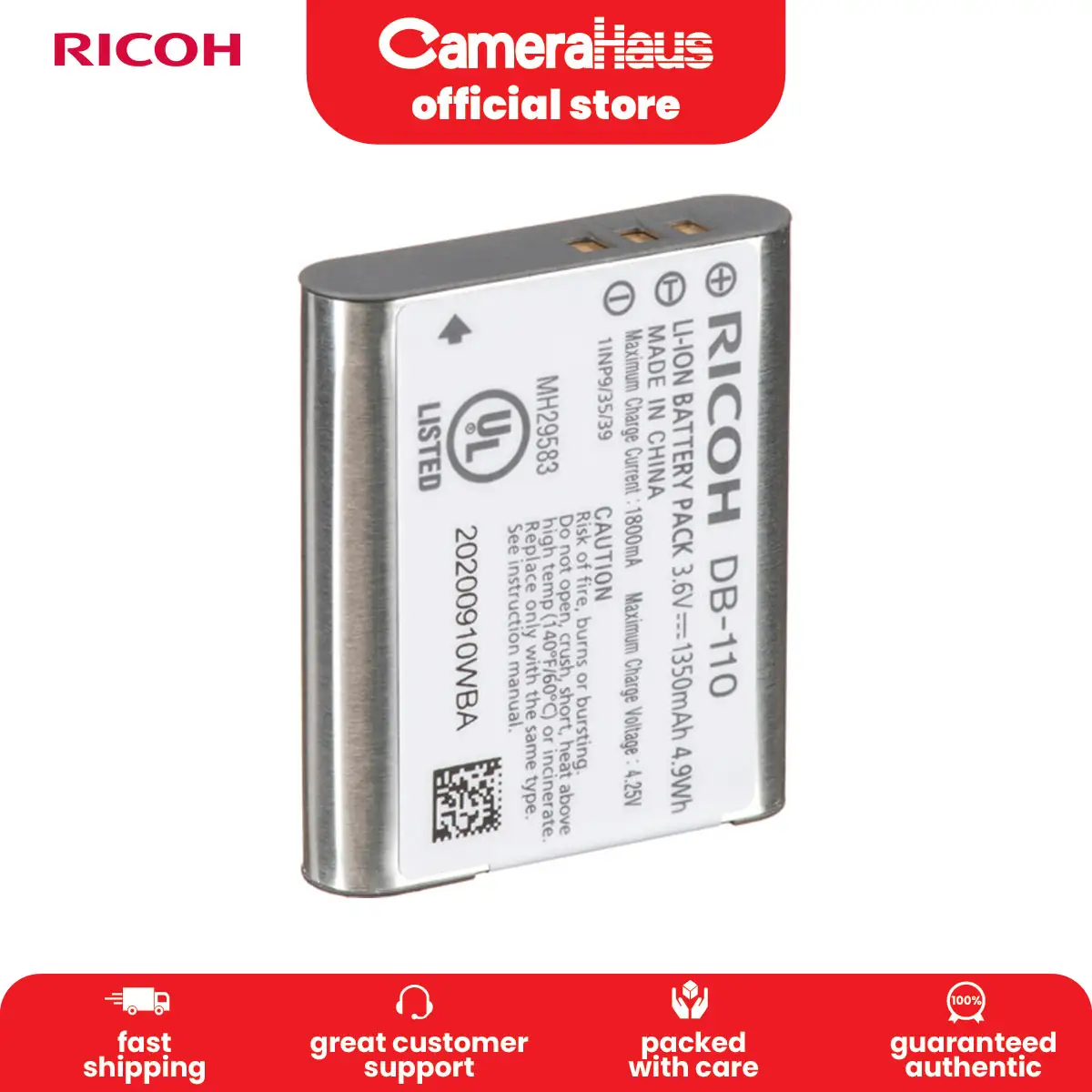
Community buying tips include sourcing OEM through regional Ricoh stores during seasonal sales, or pairing one OEM with cheaper third-party spares to balance safety and cost. As one seasoned user put it, “Use the official batteries first, but have no problem switching to compatibles when that runs out.”
FAQ
Q: Is the Ricoh DB-110 battery worth buying over third-party options?
A: Yes, if you want guaranteed compatibility and warranty coverage. No brand disputes charger safety or battery metering with OEM, though runtime gains from high-capacity third-party cells tempt heavy shooters.
Q: How long does the DB-110 last in the GR III?
A: Most users report 80–95 minutes under normal use, shorter if shooting intensively in high temperatures. Official claims of 200 shots are achievable under ideal conditions only.
Q: Can the DB-110 overheat?
A: Yes, especially in summer with GR III. Reports link shutdowns to camera design, not just the battery, but swapping cells can get you shooting again quickly.
Q: Do I need the BJ-11 charger?
A: Officially, yes — Ricoh specifies BJ-11 for optimal charge. Third-party USB-C chargers are available and often faster, but may affect warranty coverage.
Q: Will third-party DB-110 batteries damage my camera?
A: Most reputable brands are safe, but extremely cheap cells can pose overheating risks. Ricoh’s warranty does not cover damage from generics.
Final Verdict: Buy if you’re a Ricoh shooter prioritizing OEM compatibility, accurate battery readings, and warranty safety. Avoid sole reliance if you’re a heavy event or travel shooter — carry at least one spare. Pro tip from the community: Pair an OEM DB-110 with high-capacity third-party spares for the best blend of reliability and endurance.