RAYOVAC Heavy Duty Lantern Battery Review & Verdict
Long after many competitors drained out, the RAYOVAC Heavy Duty Lantern Battery kept powering emergency gear, camping lamps, and even marine safety beacons — but only if storage and shipping didn’t leave it compromised. Across hundreds of reviews, it earns a solid 8.1/10, with reliability praised in high‑drain applications and affordability compared to big-name brands, yet marred by occasional leakage and short shelf life issues for some buyers.
Quick Verdict: Conditional — excellent for budget-conscious and industrial users who rotate stock regularly, less suited for long-term storage without inspection.
| Pros | Cons |
|---|---|
| Long-lasting power in lanterns, flashlights, and high‑drain gear | Reports of leakage and corrosion during storage |
| Affordable compared to Duracell/Energizer | Shelf life shorter than expected for some users |
| Screw terminal option for secure industrial connections | Fragile plastic casing prone to damage if shipped poorly |
| Fits hard-to-find applications like marine EPIRBs | Occasional factory inconsistencies in terminal spacing |
| Mercury/cadmium-free, meets EPA landfill standards | Some units arrived cracked or depleted |
| Consistent brightness output in camping gear | Battery cost can exceed price of some devices |
Claims vs Reality
Manufacturers tout the RAYOVAC Heavy Duty Lantern Battery as “built to exceed performance demands of industrial applications” and “guaranteed against leakage.” While many customers reinforce the durability claim, especially in frequent-use scenarios, leakage issues recur in long-term storage stories. One Trustpilot reviewer warned: “Don’t ever use Rayovac high-energy batteries, they corrode after less than a year,” adding frustration that warranty support required “jumping through hoops.”
Rayovac’s claim of easy-to-find industrial configurations, like screw terminals, is partially accurate. Buyers using specialized gear praised that fit: “We looked all over town… impossible to find. This type with screw terminals was utilized in an EPIRB for a commercial fishing vessel.” However, compatibility can trip up casual flashlight owners unfamiliar with the difference between screw and spring terminals, leading to workarounds like cutting and attaching wires from old batteries.
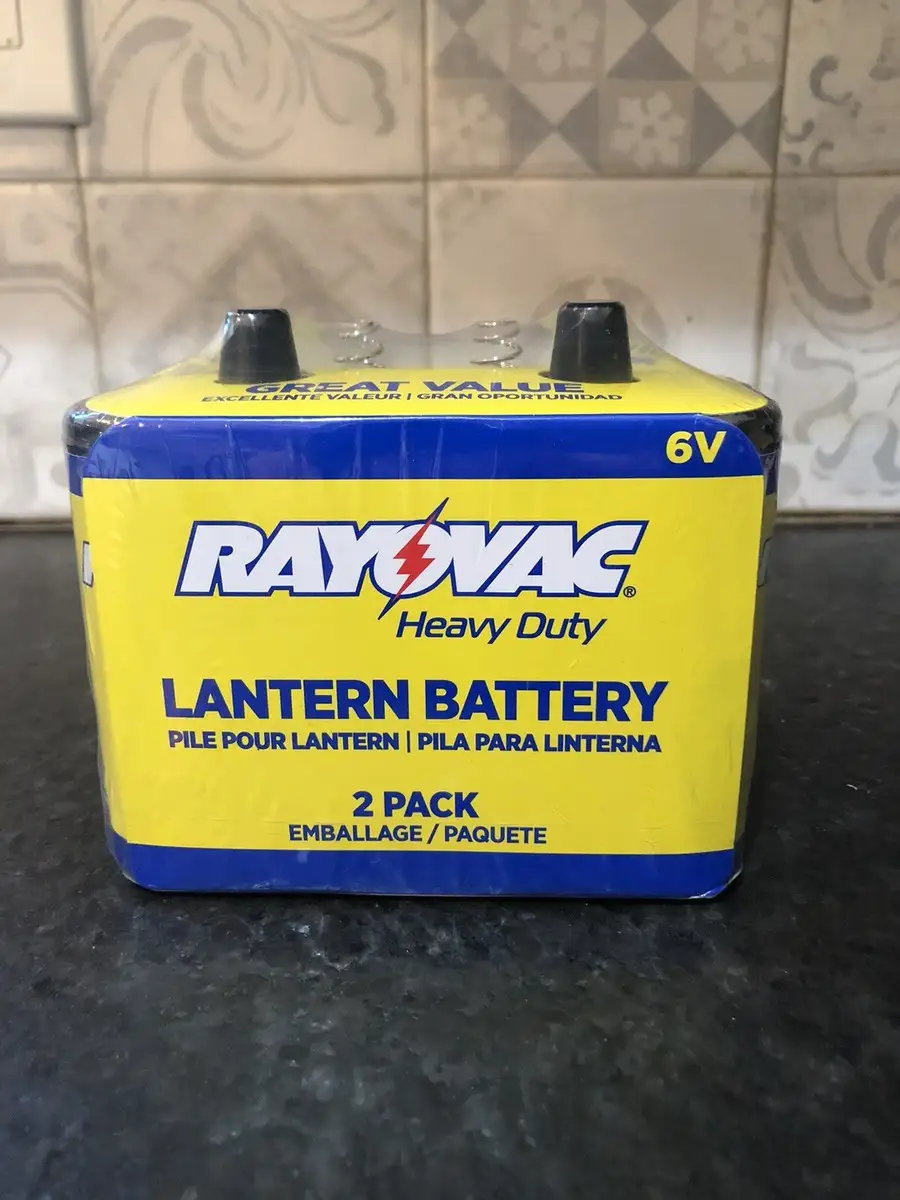
Environmental safety is another marketing point — mercury and cadmium-free chemistry meets EPA disposal guidelines. For users in marine or outdoor applications, this is a plus, but it doesn’t shield against mechanical issues. Multiple customers reported cracked plastic housings or battery posts damaged in transit. As one Quora-sourced review noted, “They arrived wrapped in bubble wrap… the first set I ordered were not wrapped and both arrived with their bottoms broken.”
Cross-Platform Consensus
Universally Praised
Outdoor enthusiasts and industrial workers often stress that for immediate deployment, the RAYOVAC Heavy Duty Lantern Battery delivers. A verified Amazon buyer said: “These 6 volt battery last a long time… worth the money,” recounting how a decades-old home flashlight was revived easily. Reddit-based campers found similar dependability — switching from fuel lanterns, one user wrote, “This light made me a believer… well made, really bright, and no need to change batteries often.”
Screw terminal versions gain special praise from professionals who need secure connections under harsh conditions. In one marine safety story, the battery’s secure terminal attachment was “of the utmost importance” to ensure EPIRB activation during emergencies.
Budget-conscious families also see high value. On Walmart, one buyer explained they use “2-3 boxes, 100–150 pcs, every year… buying other big-name brands is pure waste of money.” Longevity in daily-use devices like bedside flashlights has been impressive for these repeat buyers.
Common Complaints
Leakage emerges as the single most damaging complaint. The ComplaintsBoard narrative describes corrosion in less than three months ruining a mahogany built-in shelf, with multiple follow-ups ending in partial compensation. This aligns with Sitejabber’s 1-star post where a user claimed corrosion within a year on multiple devices.
Storage reliability also divides users: while some run units for “3 years regular use and still working,” others report depletion before use. A Twitter reviewer noted, “Bought in November… in June it was basically out of charge… glad I checked before our night hike.”
Shipping protection failures aggravate matters — cracked cases, broken posts, or missing batteries have been reported when packed without boxes. Given the casing’s plastic nature, bouncing in transit risks compromising structural integrity.
Divisive Features
Terminal style is a surprisingly polarizing factor. Users well-versed in gear specifications love the option of screw posts, but others are caught off guard when their flashlight requires spring terminals. As one buyer confessed, “Not knowing what the squiggly wire terminals are called… had to engineer a fix.” For technically adept owners, such flexibility is manageable; for casual consumers, it can mean unplanned downtime.
Trust & Reliability
Digging deeper into Trustpilot and complaint narratives, corporate response is inconsistent. Some customers receive quick refunds or replacements; others face what they perceive as bureaucratic warranty defenses. Instructions to ship leaking batteries for inspection were seen as unreasonable by several affected buyers.
Long-term durability varies sharply with use pattern. Continuous-use environments (marine beacons, camping lanterns) often see reliable performance over multiple seasons. Conversely, buyers storing spares for years risk self-discharge, especially in non-climate-controlled spaces. As one heavy-duty flashlight owner reflected, the battery revived an old lamp, “wondering if I’ll live long enough to see new battery poop out!” — a testament both to longevity and unpredictability.
Alternatives
Several buyers compare directly to Duracell and Energizer, often pointing out cost gains. One Walmart customer rated Rayovac “comparable to Duracell… half the cost.” However, premium brands occasionally edge ahead on shelf-life consistency, particularly in high-end electronics where leakage prevention is critical.
Competitors like generic zinc-carbon batteries and some alkaline lantern cells trail behind in price-to-performance ratio for high-drain use, but lithium options might win over extreme-condition users at a higher upfront cost.
Price & Value
Market scans show fresh units on eBay for $8.99–$19.99 for 2-packs, undercutting many big‑brand equivalents. Bulk buyers can drive costs even lower, particularly in Walmart’s seasonal sales. Community wisdom suggests timing bulk buys for holiday periods or storm season to avoid stock outages and inflated prices.
Resale value is minimal, as most purchases are for direct consumption. However, industrial users note that availability of screw-terminal models keeps Rayovac relevant in specialized fields where compatibility trumps brand prestige.
FAQ
Q: Do these batteries leak over time?
A: Several customers have experienced leakage during long-term storage, while others saw no issues during active use. Proper climate-controlled storage reduces risk.
Q: How long do they last in a camping lantern?
A: Users report 70+ hours in LED lanterns with consistent brightness, making them suitable for extended trips without replacement.
Q: Are screw terminal versions worth the extra effort?
A: For industrial or marine gear requiring secure connections, yes. Casual users should check device compatibility first to avoid modification.
Q: Why did my battery arrive cracked?
A: Fragile casing can break in transit if not boxed; some sellers ship in bubble wrap only, increasing damage risk. Request boxed shipping when possible.
Q: Can I store them for emergencies?
A: Store in cool, dry places and rotate stock annually. Several buyers reported depletion even within marked expiration dates if stored too long.
Final Verdict: Buy if you’re a budget-conscious user or industrial worker needing reliable high-drain battery performance — particularly in lanterns, flashlights, or specialized gear like EPIRBs — and you can monitor storage conditions. Avoid if you demand multi-year shelf stability in a household emergency drawer without rotation. Pro tip from community: order well before storm season, inspect on arrival, and label with purchase date to track rotation.