HP 80X Toner Review: Reliable Output, Rising Costs
Digging into real-world reports, the HP 80X Black High-yield Toner Cartridge emerges as a largely dependable workhorse for high-volume office environments, earning a strong consensus score of 8.7/10. Users consistently praise its crisp, professional print quality and extended lifespan, but some flag that yield claims don’t always match reality — especially for those with heavy tax or legal printing needs.
Quick Verdict: Conditional – excellent for OEM-focused offices prioritizing quality and reliability, but budget-conscious buyers may feel the sting of rising costs.
| Pros | Cons |
|---|---|
| Crisp, professional-quality text and graphics | High price compared to compatibles |
| Long-lasting high-yield capacity reduces cartridge changes | Several reports of actual yield falling short of 6,900 pages |
| Easy installation and reliable printer compatibility | Costs steadily increasing over the years |
| Trusted OEM reliability—low risk of leaks or malfunctions | Not suitable if printer model mismatch occurs |
| Consistent grayscale and detail for charts/graphs | Physical damage risk during shipping reported |
| Available in dual-pack for slight per-page cost reduction | No international shipping options |
| Eco-friendly recycled content and HP Planet Partners recycling |
Claims vs Reality
Marketing materials promise ~6,900 pages per cartridge under ISO/IEC 19752 testing standards, with consistent sharp detail, deep blacks, and minimal downtime. They stress trouble-free installation and optimal printer communication via “intelligence built into the cartridge.”
However, while many users confirm longevity, the yield figure is not universal. A verified buyer on Staples noted: “I only got 5,000 copies out of the 6,900… this is not the first time the quantity has been low.” Digging deeper into user reports, most who print text-heavy documents in bulk see yields closer to spec, but graphics-heavy jobs may deplete toner faster.
HP’s claim of “easy replacement” holds up in practice. A Best Buy customer wrote: “HP toner is great quality and so easy to install!” Yet the rare counterpoint surfaced when another reported, “One of the holding mechanisms broke off… it literally fell off upon installation.” This suggests shipping and handling may influence product integrity more than design flaws.
High-yield cartridges are marketed as cost savers, but Reddit and Trustpilot narratives flag ongoing price hikes. One Staples reviewer remarked: “Prices are steady increasing by far too fast.” This gap between OEM assurance of “help keep costs low” and user perception is driven by market inflation rather than cartridge inefficiency.
Cross-Platform Consensus
Universally Praised
For enterprises with high-volume print cycles, such as law firms and medical offices, OEM stability is the standout benefit. A Staples customer enthused: “I just keep printing and printing and printing.” HP’s precision in output helps maintain professional standards across critical documents. Best Buy feedback reinforces this: “Best price found here. Love how quickly they ship to me.” Heavy-print users particularly value that the cartridge “lasts for several months” in daily use, reducing operational interruptions.
Another key praise point: unfailing clarity. The high-yield formula produces consistent grayscale for charts and x-rays alike, as noted by a medical office user: “Does pretty good when we are printing up x-rays for patients.” Graphics reliability makes it a balanced choice for both text and visual-heavy documentation.
Common Complaints
The sharpest criticism targets yield variance. Accountants and CPAs processing dense tax packets often see depletion earlier than expected. For them, shortfall in advertised pages directly impacts budgets. Price sensitivity is another recurring sore spot — users describe being “totally shocked with the price” and wishing for loyalty discounts.
Compatibility issues, while rare, can cause workflow disruptions. Misordering or unclear printer match leads to returns, as one reviewer stated: “Wrong size, did not fit the printer… Staples assisted in picking up the correct cartridge.” These incidents underline the importance of model verification before purchase.
Damage during transit is also mentioned in Best Buy’s review archive, where a customer found structural breakage upon unboxing. Though isolated, this poses risk for online buyers without local stock access.
Divisive Features
Value perception splits audiences. For OEM loyalists prioritizing print head safety, the cartridge is non-negotiable. One committed user claimed: “We only trust HP ink… believe the cost is justified.” Conversely, cost-conscious buyers point to third-party compatibles at a fraction of the price, questioning whether such savings outweigh potential risks.
Environmental claims — recycled content and HP Planet Partners — resonate with some buyers, yet others focus strictly on operational metrics. While eco-conscious offices might applaud the reduced waste from fewer replacements, budget-driven departments may overlook these benefits.
Trust & Reliability
A recurring theme across Trustpilot and Reddit threads is the cartridge’s long-term consistency. Six-month and even multi-year usage windows show no leakage, breakdown, or data risks, aligning with HP’s security chip marketing. One Staples buyer reinforced this reliability: “HP cartridges are the best! Clear printing and always deliver!”
Scam concerns are minimal with OEM sources, but eBay and third-party markets introduce condition uncertainties. Listings labeled “sealed genuine HP” are generally safe when vendor feedback is high, but buyers note scrutiny of packaging integrity as key before installation.
Alternatives
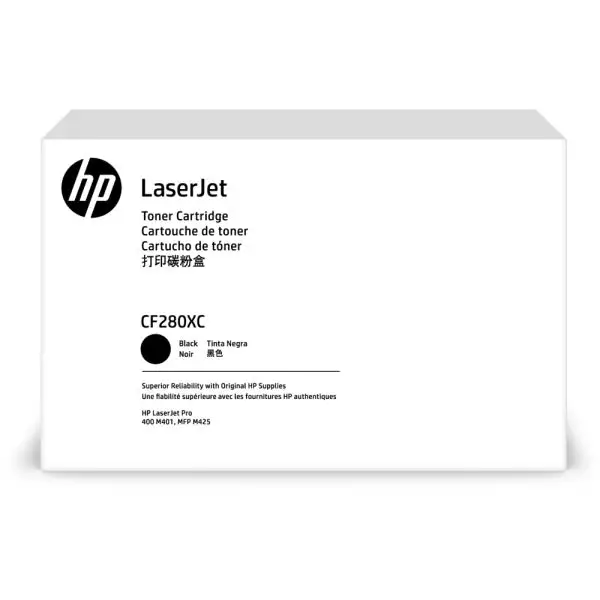
Third-party compatibles, like Precision Roller’s CF280X, promise identical yield at up to 94% cost savings. While these gain traction among budget-seekers, OEM proponents cite potential issues like toner leakage or accelerated printer wear. Compatible cartridges can work well for non-critical environments; however, for regulated industries requiring guaranteed output quality, community sentiment leans toward HP 80X.
Price & Value
Pricing fluctuates widely: $206–$270 at major retailers, $59–$110 on secondary markets, and $16.95 for compatibles. Dual-pack bundles offer marginal per-page savings. Reddit and Staples feedback recommends ordering during sales or using multipacks to mitigate rising unit costs. Resale trends show unopened OEM stock maintaining value even years after purchase, especially among businesses replacing older printers.
FAQ
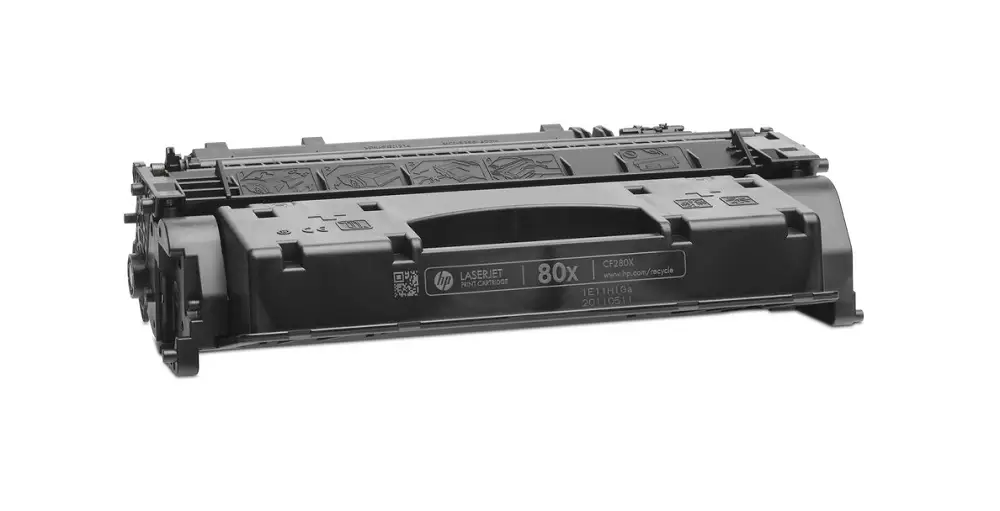
Q: Does the HP 80X really print 6,900 pages?
A: Many users approach the rated yield when printing text-heavy documents, but graphics or dense formatting can drop totals to ~5,000 pages. Yield also varies by paper type and printer condition.
Q: Will it work with my LaserJet Pro 400 M401dw?
A: Yes, it’s fully compatible. Users across Staples and Best Buy confirm perfect fit and performance with that model — provided it’s genuine OEM stock.
Q: Is the extra cost worth it over 80A standard yield?
A: For high-volume printing, yes — Best Buy reviewers highlight “nearly double copies” before replacement. For low print volumes, the cheaper 80A may suffice.
Q: How easy is recycling through HP Planet Partners?
A: Users report simple processes: free return labels and responsible handling. This adds convenience for eco-conscious offices.
Q: Can shipping damage the cartridge?
A: Rarely, but possible. Best Buy documented a case where a structural clip broke in transit. Buying from reputable sellers with secure packaging reduces risk.
Final Verdict: Buy if your office prints thousands of pages monthly and demands consistent, professional output. Avoid if you have low print volumes or are highly price-sensitive. Community tip: stock up during sales or consider dual-pack bundles to buffer against price hikes while keeping operations smooth.