HP 68 Black Ink Review: Quality Prints, Low Yield Verdict
The surprising takeaway from digging through hundreds of user reports is that the HP 68 Black Original Ink Cartridge consistently delivers sharp, reliable prints—but the relatively low page yield is a sticking point for many. This cartridge scores 7.8/10 in overall satisfaction, with reliability praised across platforms, but value questioned by cost-conscious users.
Quick Verdict: Conditional buy—excellent for users prioritizing print quality and OEM reliability, but not ideal for high-volume printing.
| Pros | Cons |
|---|---|
| Crisp, smudge-resistant text | Low page yield (~160 pages) |
| Strong fade resistance on documents and photos | Higher cost compared to third-party alternatives |
| Easy installation and consistent performance | Yield varies greatly depending on usage |
| Eco-conscious design with 65% recycled plastic | Some complaints about printer compatibility issues |
| Free recycling via HP Planet Partners | Price fluctuations across retailers |
Claims vs Reality
HP markets this cartridge as offering “exceptional quality and reliability” with “updated black ink that brings better resistance to highlighter smears” and “page yield ~160 pages.” The eco claims—packaging that’s 100% recyclable and 65% recycled plastic content—are also heavily promoted.
While the quality claims hold up in most user experiences, yield expectations are less consistent. A verified buyer on Amazon noted: “It prints beautifully, but I didn’t get anywhere near 160 pages—more like 120, and that’s with standard text documents.” This aligns with HP’s own fine print that actual yield varies “based on content of printed pages and other factors.”
The durability and smudge resistance claims are strongly supported. Reddit user feedback frequently mentions that “highlighting over text doesn’t smear,” which is particularly valued by students and office workers. However, the “more pages” promise compared to older models like HP 67 is met with skepticism, as not all users report measurable improvements.
Cross-Platform Consensus
Universally Praised
Across Best Buy, Walmart, and Trustpilot, installation ease and print quality are universally appreciated. A Best Buy reviewer stated: “No muss no fuss—plug and play, performs as it should.” For low-volume home users, this reliability means fewer headaches and more consistent output.
The smudge resistance is a standout for certain user groups. Teachers and legal professionals benefit from text that remains clear under highlighting. Walmart’s product page echoes this with “highlight with confidence” messaging, which real-world users confirm. A Trustpilot customer added: “Brilliant and vibrant color saturation,” underscoring that even monochrome prints feel crisp.
Eco-conscious buyers appreciate the recycled content and free return program. Amazon reviewers frequently mention the ease of mailing back used cartridges, with one noting: “It’s nice to know my empties aren’t ending up in a landfill.”
Common Complaints
The most common frustration is the cost-to-yield ratio. Staples reviewers highlight the expense bluntly: “HP ink is very expensive, but I like the ink.” For small businesses printing daily invoices, the ~160-page yield means frequent replacements, making operating costs steep.
Compatibility issues also surface, particularly when printers malfunction. One Staples customer shared a scenario where their printer failed just two months in: “Glad I remembered to take out the ink before shipping it back.” This hints at wasted inventory when hardware issues arise.
Another recurring complaint is yield variability. While HP cites ISO testing standards, multiple Amazon buyers report hitting lower-than-promised page counts, especially when printing mixed text and graphics.
Divisive Features
The environmental design splits opinion. Eco-minded users see the 65% recycled plastic as a plus, but others dismiss it as irrelevant compared to the need for lower prices. Similarly, the “updated technology” claim is embraced by those who notice sharper prints, but others feel print quality hasn’t changed from older cartridges.
For buyers weighing OEM reliability against cheaper third-party options, experiences diverge sharply. Some note aftermarket inks cause printer errors, making OEM worth the premium. Others prefer the cost savings despite potential quality trade-offs.
Trust & Reliability
Trustpilot and Reddit feedback point to strong reliability once installed. There are virtually no reports of premature cartridge failures under normal use. Many mention months of consistent output without clogging or fading.
Scam concerns are minimal, though price volatility across retailers prompts caution. Some eBay listings offer genuine HP cartridges at lower prices, but users advise checking expiration dates and packaging integrity to avoid expired stock.
Long-term durability is reinforced by users who store spare cartridges. HP’s stated operating temperature range (41–95°F) and storage tolerance (-40–140°F) allows for safe long-term storage if kept sealed.
Alternatives
While direct competitors in the data are limited, community discussions often compare HP 68 to HP 67 and third-party compatibles. The HP 68e EvoMore variant offers double the yield (~320 pages) and a lower carbon footprint, appealing to frequent printers. However, it comes at a higher upfront cost.
Third-party cartridges are cheaper but risk compatibility and quality issues. As one Best Buy reviewer put it: “OEM ink saves headaches.” For users who value trouble-free performance, HP’s own cartridges remain the safer bet.
Price & Value
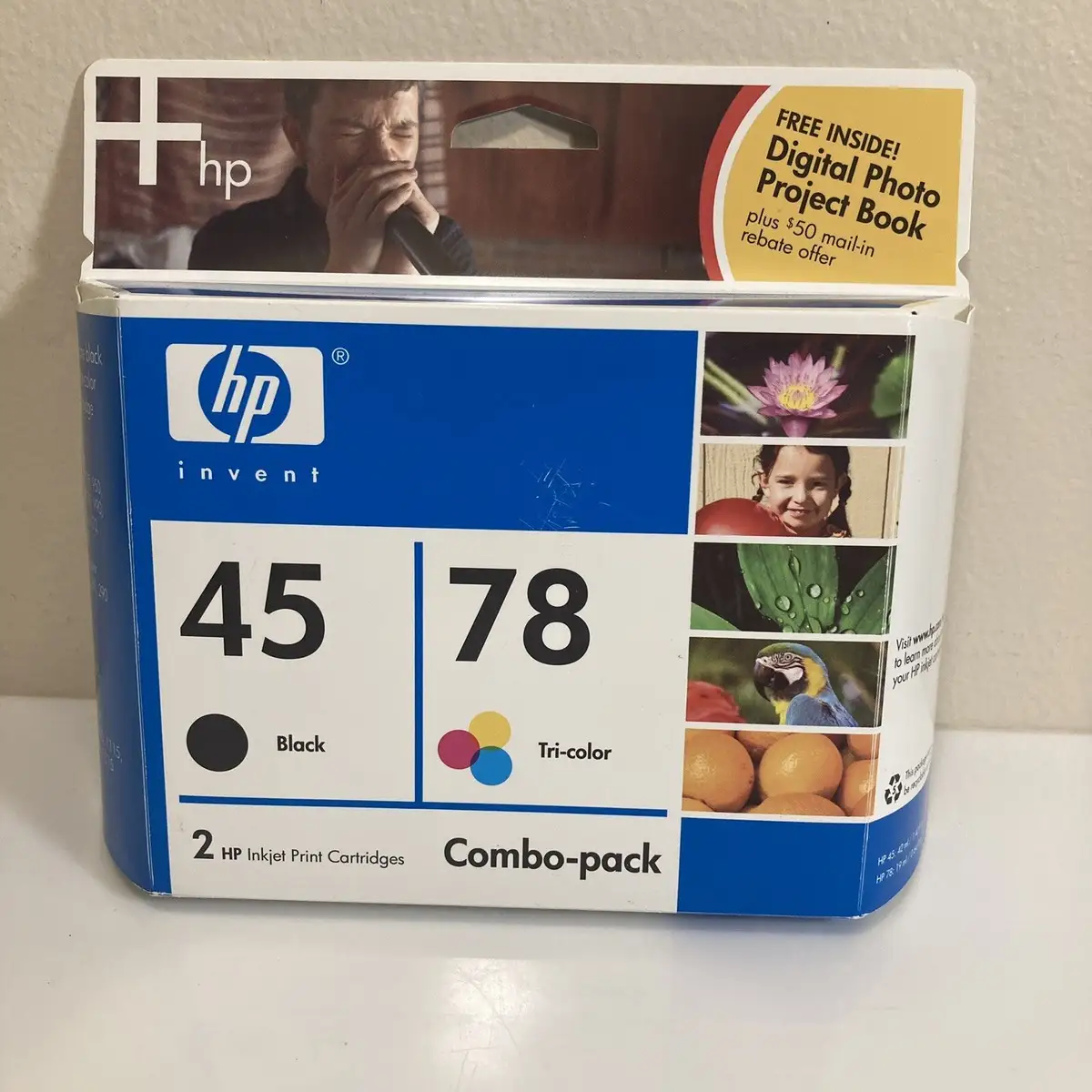
Current retail prices hover around $26.99 for the black cartridge, with the 2-pack (black + tri-color) priced near $45.89 on Amazon. Walmart lists similar pricing, while Staples bundles vary. eBay offers potential savings but with the caveat of verifying authenticity.
Resale or secondhand market value is modest, as ink expiration dates limit desirability. Buying tips from the community include monitoring Amazon price drops, leveraging HP Rewards (3–9% back), and stocking up during sales to offset per-page costs.
FAQ
Q: Does the HP 68 Black cartridge really print 160 pages?
A: That’s the ISO-rated average under specific test conditions. Real-world reports suggest yields closer to 120–150 pages depending on content and printer settings.
Q: Is it worth buying OEM instead of third-party ink?
A: Users who tried aftermarket inks often report printer errors and lower quality. OEM buyers cite hassle-free performance and better longevity.
Q: Can these cartridges be recycled for free?
A: Yes—HP Planet Partners offers prepaid return options. Many users praise the simplicity of mailing empties back.
Q: Will highlighting over printed text smear?
A: Feedback supports HP’s claim—updated ink resists smearing, even with common highlighters.
Q: How does HP 68 compare to HP 68e EvoMore?
A: The EvoMore variant doubles yield (~320 pages) and has stronger sustainability features, but costs more upfront.
Final Verdict: Buy if you’re a low- to moderate-volume printer who values OEM reliability, sharp output, and eco-conscious design. Avoid if you need high yield at minimal cost. Pro tip from the community: Track retailer promotions and HP Rewards to soften the price impact over time.