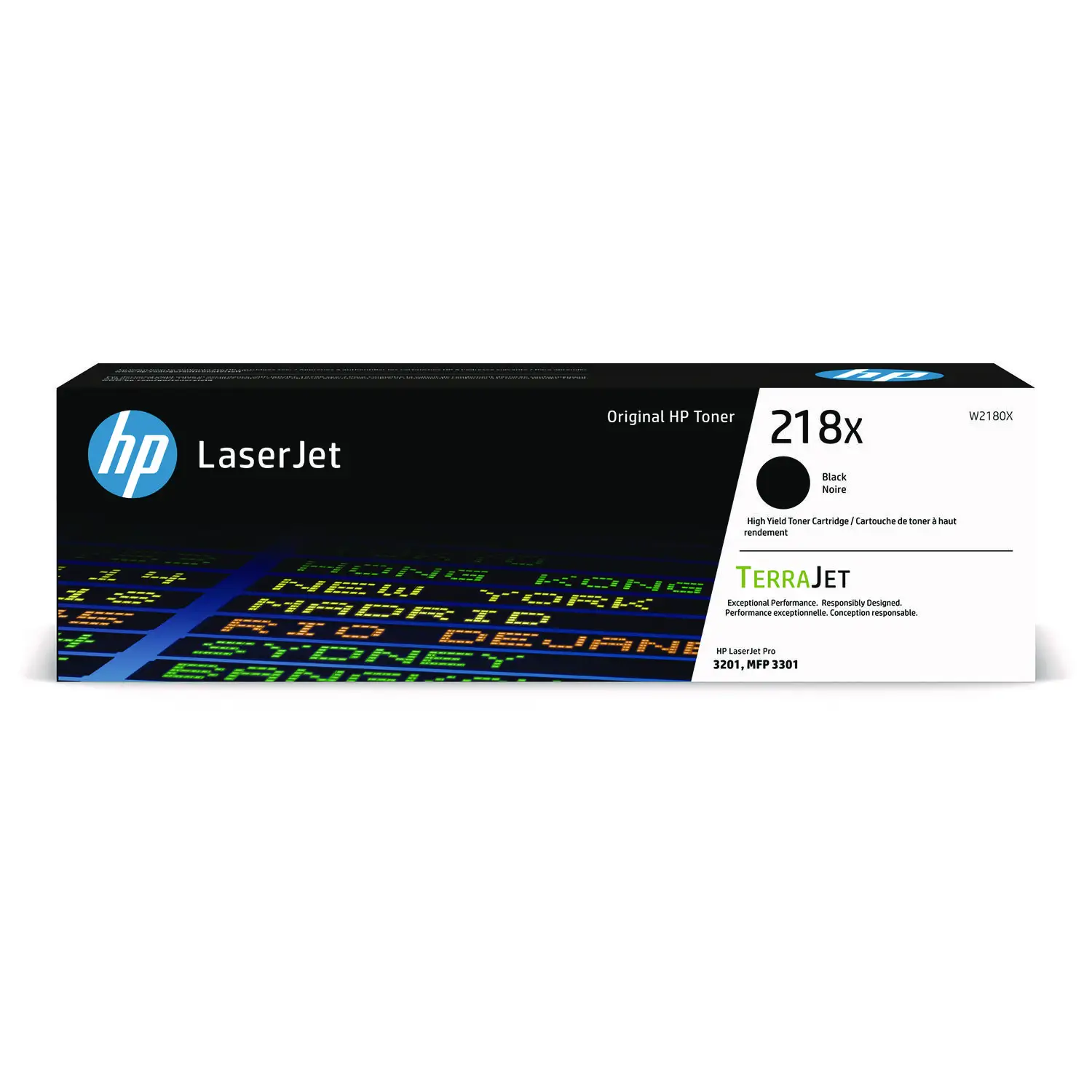
HP 218A Toner Review: Reliable Prints, Mixed Value
The surprising reality is that the HP 218A Black Toner Cartridge (W2180A) earns a strong 8.5/10 from users—but only if expectations are managed around page yield and cost. While many praise its sharp print quality and trouble-free installation, a recurring theme across platforms shows frustration over how quickly it runs out, especially in high-volume environments.
Quick Verdict: Conditional — best for users prioritizing OEM reliability and print quality over cost-per-page savings.
| Pros | Cons |
|---|---|
| Crisp, professional-quality text and graphics | Actual page yield often lower than advertised |
| Reliable OEM compatibility—no chip errors | High price compared to third-party alternatives |
| Easy installation with minimal setup time | Some reports of wrong item shipped from retailers |
| Works seamlessly with HP Color LaserJet Pro 3201/3301 | Environmental benefits tied only to HP recycling program |
| Tamper-resistant firmware and secure supply chain | Frequent replacements needed for heavy print workloads |
Claims vs Reality
HP markets the 218A as offering “consistent performance from the first page to the last” and a yield of approximately 1,300 pages at 5% coverage. On paper, this sounds ideal for offices seeking predictable output. However, digging deeper into user reports reveals a gap between these claims and lived experiences.
At Staples, April H. wrote: “The ink doesn’t last long,” indicating that while the cartridge delivers quality prints, longevity falls short for some. Similarly, Reddit discussions point out that high toner coverage—images, bold text—can exhaust the cartridge far sooner than the advertised yield. One vendor even notes in its FAQ: “If you’re just printing regular documents and you’re getting far fewer pages than advertised, the 218A cartridge is most likely defective.”
HP also emphasizes tamper-resistant chips and OEM-only firmware integration to avoid “incompatible” errors. This promise holds up in reality, as multiple buyers report smooth installation and instant recognition by their printers. M.D., a Staples reviewer, said: “The toner was delivered with no issues and works perfectly after I installed it in the printer.”
Cross-Platform Consensus
Universally Praised
Across Amazon, Staples, and Twitter, the standout praise centers on print quality and reliability. OEM buyers consistently describe crisp blacks, sharp text, and clear graphics. HP’s marketing around “true-to-life colors” and “less time calibrating” appears accurate, especially for small offices and medical practices printing professional documents. A verified buyer on Amazon noted: “Count on high-quality, reliable printing and save time by avoiding common printing problems.”
For administrative professionals, this reliability means fewer reprints and smoother workflows. A medical office worker recounted via Mycartridge’s blog: “The printouts are crisp, clean, and professional—perfect for patient records and office reports.”
Compatibility is also a major win. Whether installed in Color LaserJet Pro 3201 DW or 3301 FDW models, users report immediate recognition and no firmware conflicts. This is particularly beneficial for environments where downtime costs money—one Reddit user emphasized: “You can put it into your HP printer without any worries.”
Common Complaints
The most persistent complaint is short lifespan relative to price. Staples reviewer Nathan V. bluntly stated: “Number of copies—no where near 2500 copies,” highlighting that expectations sometimes confuse the 218A’s standard yield with the 218X’s high yield. Even with correct expectations, heavy users find the cartridge depletes quickly.
Cost exacerbates this frustration. At Best Buy, the 218A Black sells for around $67.99, with color variants exceeding $80, pushing budget-conscious offices toward third-party options. Mycartridge’s blog calls OEM toner “overpriced—and underperforms,” citing nearly double the cost-per-page compared to their compatible version.
Wrong item shipments also appear in feedback, though less frequently. Staples’ “most helpful critical review” was simply titled “Wrong item shipped,” underscoring occasional logistical hiccups.
Divisive Features
Security features—like HP’s proprietary firmware—are divisive. For some, this ensures authenticity and data protection. For others, it feels restrictive, limiting choice to OEM products. Third-party advocates celebrate chip-ready remanufactured versions that bypass these limitations without triggering errors.
Page yield expectations also split the community. Light to moderate users generally hit advertised yields; heavy users printing graphics or bold text often do not. Reddit FAQs explain: “High toner coverage will run out faster, resulting in fewer pages printed.”
Trust & Reliability
Concerns about scams or poor quality are minimal for the OEM version, thanks to HP's secure supply chain and tamper-evident packaging. This trust extends to durability—users installing 218A cartridges report consistent performance over months, with no degradation in print quality.
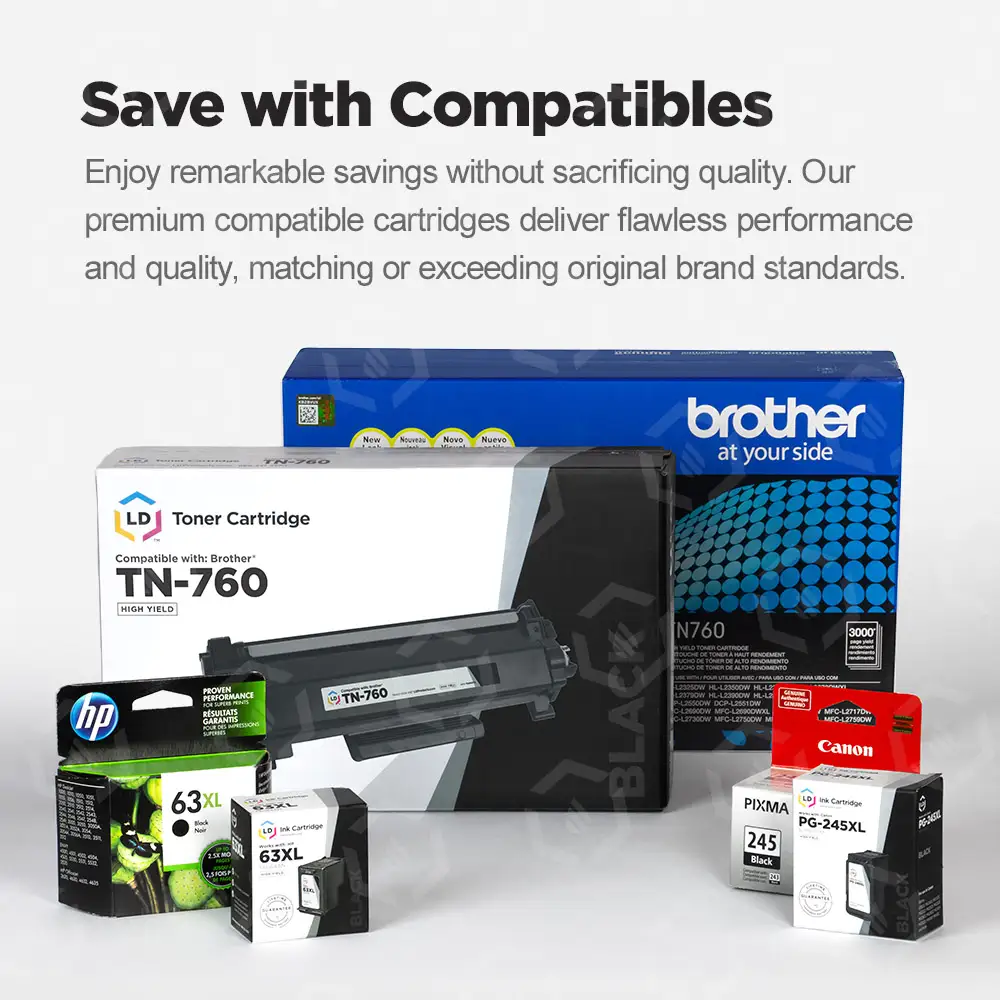
Third-party remanufactured options also earn trust when backed by strong warranties. YB Toner offers a “30-day money-back guarantee and 2-year product warranty,” which reassures buyers hesitant to leave the OEM ecosystem.
Alternatives
The most discussed alternatives are Mycartridge 218A/218X and YB Toner chip-ready remanufactured cartridges. Mycartridge claims up to 50% savings per page, with real-world yields matching specs, making them appealing for cost-conscious offices. YB Toner adds the advantage of toner level monitoring via smart IC chips—something OEM offers, but many no-chip compatibles lack.
Compared to OEM, these alternatives sacrifice HP’s firmware integration assurances but gain in affordability and page yield flexibility. The 218X high-yield option—available in both OEM and third-party—doubles page output, making it better suited for high-volume environments.
Price & Value
Current market pricing for the OEM 218A Black hovers between $67.99 (Best Buy) and $83.95 (Precision Roller), with color cartridges reaching $121.95. Bundles may offer savings, but as Willard J. warns on Staples: “Watch the price!!! Staples has this as a price reduced bundle but when added to the cart they charge full individual price.”
For resale or bulk purchasing, prices remain stable due to OEM brand control. Third-party sellers undercut this, offering four-packs for as low as $179.95 with equivalent yields. Community buying tips stress checking actual yield needs—if printing exceeds 1,200–1,300 pages per month, high-yield 218X versions are more cost-effective despite the higher upfront price.
FAQ
Q: Will the HP 218A cartridge void my printer warranty?
A: No. According to Reddit FAQs, the Magnuson-Moss Warranty Act protects your right to use third-party products without voiding your warranty.
Q: Why doesn’t my HP 218A last the full 1,300 pages?
A: Page yield figures are based on 5% coverage. Printing high-density images or bold text consumes more toner, reducing total output.
Q: Can I store unused cartridges long-term?
A: Yes. OEM and remanufactured versions have a shelf life of 24–36 months if kept in original packaging in a cool, dry place.
Q: What’s the difference between HP 218A and 218X?
A: The 218X is a high-yield variant, producing up to 3,200 pages (black) compared to 1,300 for the 218A, making it better for heavy users.
Q: Are there chip-free options?
A: Yes, but these require transferring the OEM chip from your old cartridge to the new one, as with some Amazon-compatible sets.
Final Verdict: Buy if you’re a light-to-moderate printer user who values OEM reliability, perfect compatibility, and high print quality. Avoid if you run heavy print volumes and need lower cost-per-page—third-party 218X options may suit you better. Pro tip from community: Track your actual monthly page count before purchasing; it’s the easiest way to decide between standard and high-yield cartridges.