G.SKILL Trident Z Neo DDR4 64GB Review: Strong but Flawed RGB
When DDR5 started becoming mainstream, DDR4 pricing sharply dropped — and that’s when many users pounced on the G.SKILL Trident Z Neo DDR4 RAM 64GB (2x32GB). Across platforms, it consistently scores high, with ratings like 4.8/5 on Amazon and PCPartPicker. For performance-tuned AMD Ryzen builds, this dual-channel CL18 kit promised “unparalleled” speed and vivid RGB control. But digging into community feedback reveals a clearer picture: exceptional stability for most, marred by recurring RGB control software headaches.
Quick Verdict: Conditional – buy with confidence for high-capacity, high-speed AMD/Intel builds, but be ready to wrestle with RGB software quirks.
| Pros | Cons |
|---|---|
| Stable at rated 3600 MHz via XMP | RGB control software bugs and sync issues |
| Excellent for heavy multitasking, creative work, and gaming | Some units arrive faulty or degrade early |
| Compatible with many AMD/Intel boards | No non-RGB version available |
| Attractive dual-tone design | Uneven RGB brightness noted by some |
| Supports tight timing tweaks for enthusiasts | Customer service frustrations in some cases |
| High resale value and demand | Potential BIOS overclock misconfigurations |
Claims vs Reality
Marketing emphasizes “optimized DDR4 performance for AMD Ryzen platforms.” That’s borne out in practice, with Reddit user reports showing clean plug-and-play 3600 MHz performance via XMP on both X570 and B550 boards. A verified Amazon buyer said: “Installed them, enabled XMP in BIOS and it was off to the races… rock-stable with zero issues despite heavy encoding hours.”
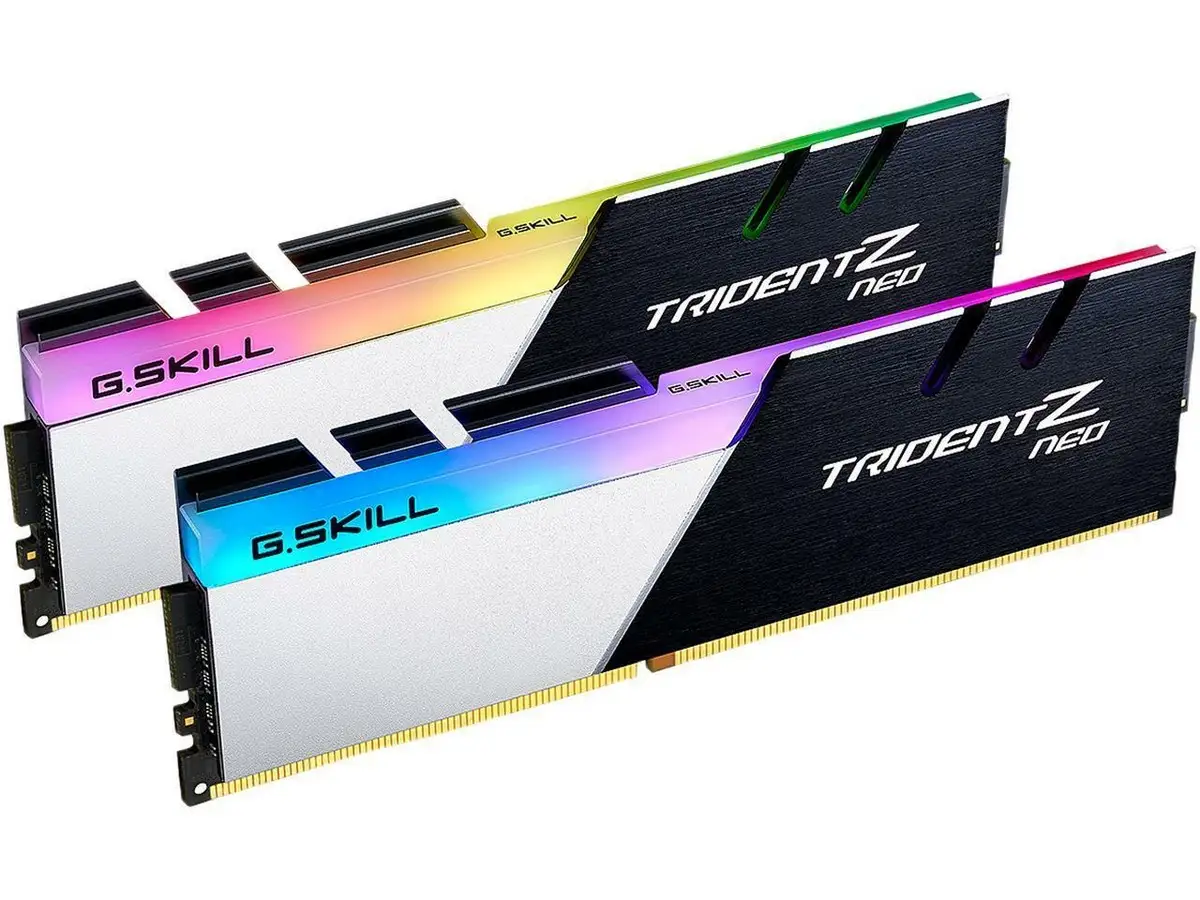
The brand also touts “fully customizable 8-zone RGB lighting.” This is where reality diverges. Multiple users complain that the G.SKILL control software must run at boot for lights to sync, and the newest version sometimes fails outright. One PCPartPicker review admitted: “The latest version wasn’t working, I had to use the previous version… if the software isn’t running on boot, the RGB lights don’t sync up.”
Finally, G.SKILL claims “crafted with hand-screened ICs” for signal integrity. While stability is indeed a strength, overclocking results vary. Reddit enthusiasts on the RGB variant note Samsung B-die kits “overclock like a dream… tightened all the way down to 13-14-16-36,” but others on Micron dies saw much less headroom.
Cross-Platform Consensus
Universally Praised
Heavy multitaskers and creative professionals find the 64GB capacity transformative. A Reddit build log from a TRX40 server user proclaimed: “I have two of this same set (128GB)… no problems setting XMP, RGB recognized by the MSI board… easy choice for my AMD 5800X build.” For gamers, even genre-specific needs benefit: one PCPartPicker user cited strategy games and simulation titles running smoother with the massive pool.
Stability under load is another consistent win. Amazon buyer with a Ryzen 3900X reported: “My previous RAM set didn’t work with XMP… these run at advertised 3200MHz no problem.” While marketed for AMD, Intel builders see equal gains; overclockers on Intel Z390 have pushed beyond spec with solid results.
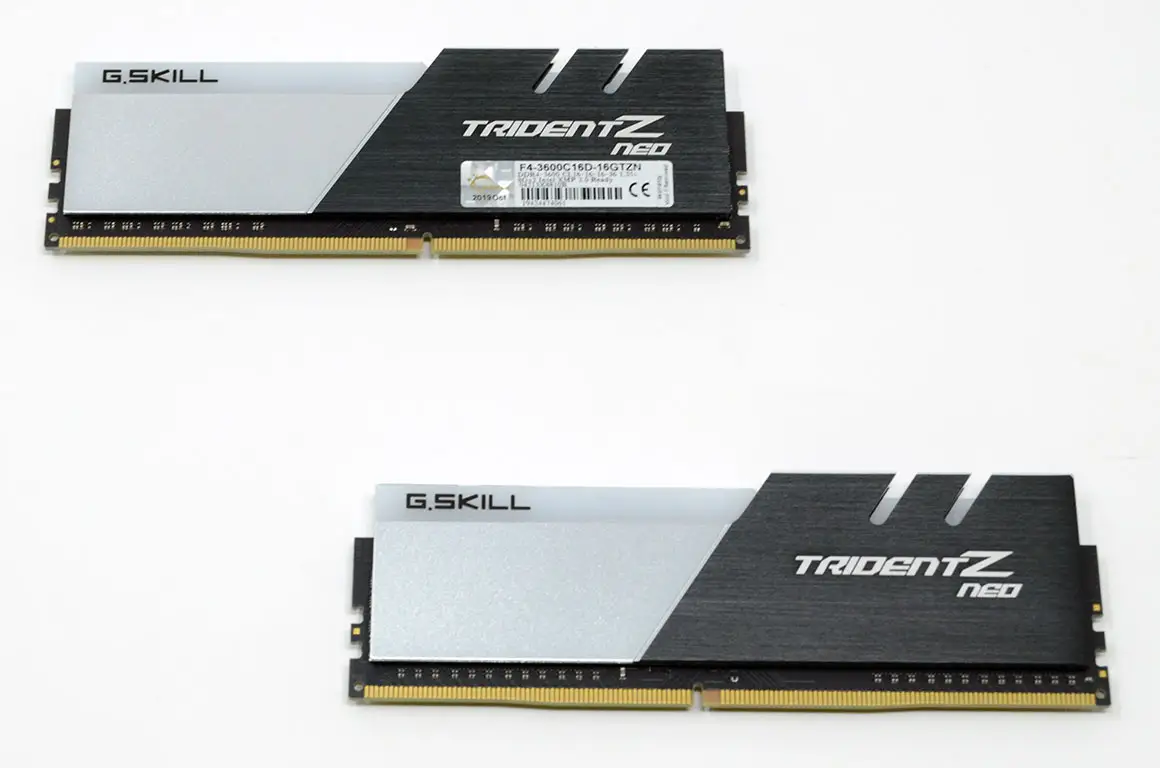
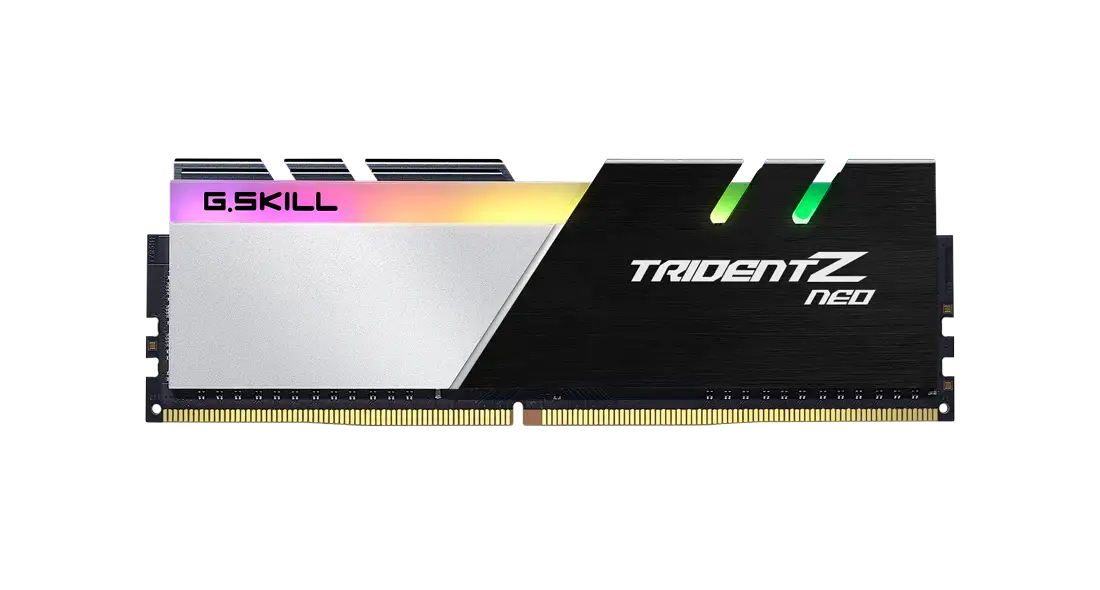
Cosmetic appeal also draws acclaim. The dual-tone aluminum heat spreader and beveled edge match modern builds, often syncing with motherboard RGB ecosystems like ASUS Aura or MSI Mystic Light. Even those indifferent to RGB concede it’s “nice to be able to match the overall colors.”
Common Complaints
RGB control software gets the most heat. Without it running at startup, lighting reverts to default, or zones misalign. A frustrated G.SKILL Tech Forum poster detailed spending “2-4 hours every single time” fixing lighting after shutdowns, uninstalling/reinstalling the program repeatedly.
Hardware reliability isn’t flawless. Some users report DOA sticks or early failures — “one of two chips is faulty… worked intermittently” said an Amazon reviewer. Another Newegg buyer saw one module fail after just three days. While these seem rare relative to total sales, they stand out because RAM is generally expected to last years.
Brightness inconsistency also surfaces. One Trustpilot-linked review praised performance but wished “the RGB was more evenly spread… some uneven spots and no as bright/white as I would have hoped.”
Divisive Features
The RGB itself — a selling point for some — is a nuisance for others. One Redditor admitted buying the kit without caring for lighting, only to find there was “no non-RGB version available.” For minimalists, the constant need for control software can be off-putting.
Price positioning also splits opinion. Early buyers called it “surprisingly well priced… rocked all the benchmarks,” while others, particularly DDR5 eyeing upgraders, now hesitate given newer tech.
Trust & Reliability
Trustpilot-style community notes flag occasional G.SKILL customer support frustration. The most severe complaint in the tech forum accused the company of unresponsiveness: “I’ve emailed them 4 times… called every day… they hang up or don’t answer.” That contrasts sharply with the many long-term stability posts where users run the kit over a year without hiccups.
Long-haul Reddit reports add weight to durability claims. One user kept the kit at 3600 MHz “for a year and a half” on daily workloads without errors. Another notes that in a high-core-count Threadripper workstation, the modules have been stable for massive render jobs.
Alternatives
Corsair Vengeance RGB is the most cited alternative, often brought up in context of better customer support and potentially more stable RGB control. A G.SKILL forum poster lamented not choosing Corsair: “I should have went with my gut… not worth the trouble.”
Team Group memory briefly entered comparisons — one Quora user replaced it with G.SKILL after repeated crashes, noting immediate stability improvements.
Price & Value
Current retail prices hover around $154.99 on Amazon US and £145.98 in the UK, with eBay resale holding well between $137–$179 for this DDR4-3600 variant. The drop in DDR4 pricing due to DDR5’s rise makes high-capacity kits like this a sweet spot for those not ready to overhaul platforms.
Buying tips from the community: check your motherboard’s QVL before purchase, especially for Ryzen systems, to ensure plug-and-play XMP. Enthusiasts recommend verifying IC type (Samsung vs Micron) if overclocking is a priority.
FAQ
Q: Does this kit work with Intel as well as AMD?
A: Yes. While marketed for AMD Ryzen, users report flawless performance on Intel Z390 and newer boards using XMP profiles to hit rated speeds.
Q: Can I run it without RGB lighting?
A: Not entirely — there’s no non-RGB variant for this capacity/speed combo. You can disable effects via software, but illumination persists unless physically modified.
Q: Is overclocking beyond 3600 MHz stable?
A: Results vary. Samsung B-die kits overclock well, with some tightening timings significantly. Micron-based kits tend to have less headroom.
Q: What happens if I mix this with other RAM kits?
A: Mixing kits can cause stability issues or failure. G.SKILL advises using matched kits only.
Q: How is long-term reliability?
A: Most users report multi-year stability, but isolated cases of early failure exist — ensuring warranty support readiness is wise.
Final Verdict: Buy if you’re building a high-capacity DDR4 rig for gaming, creative work, or heavy multitasking and value both speed and aesthetics. Avoid if RGB control software reliability is critical to your build experience, or if you expect flawless customer service responsiveness. Pro tip from community: Check IC type before purchase if tight timing overclocks are part of your plan, and always enable XMP/DOCP in BIOS to unlock full performance.