Google Coral USB Accelerator Review: Worth the Buy?
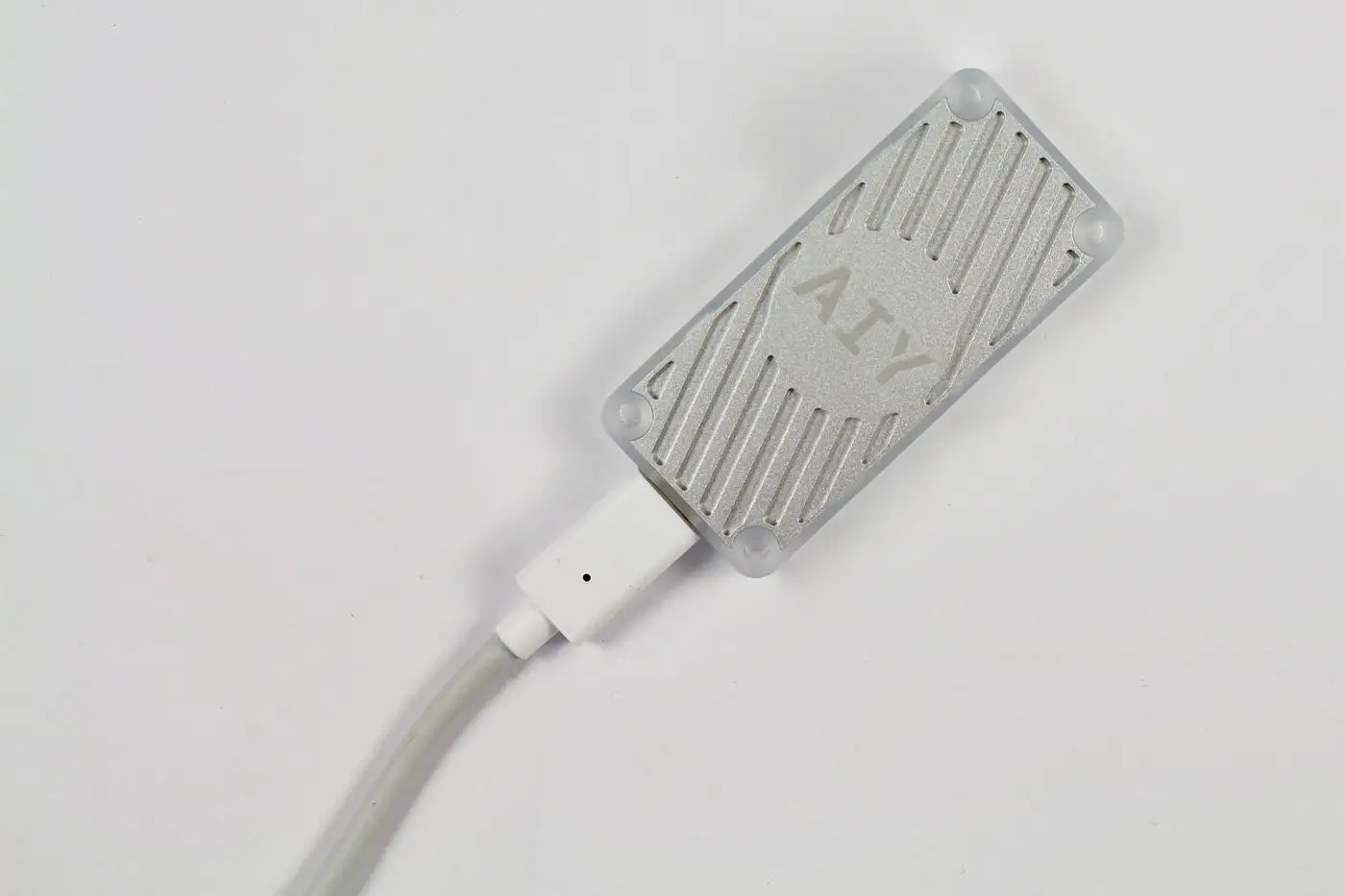
The once-elusive Google Coral USB Accelerator still generates strong debate among AI hobbyists, home surveillance tinkerers, and embedded ML developers — earning an overall 7.8/10 from aggregated user feedback. When it works, it’s blisteringly fast at object detection with microscopic power draw. But stock shortages, overheating reports, and stagnant software support mean it’s not for everyone.
Quick Verdict: Conditional Buy
| Pros | Cons |
|---|---|
| Dramatic inference speed gain (100ms CPU → ~10ms Coral) | Chronic stock shortages, scalper markups |
| Low CPU usage allows more camera streams | Overheating in USB model without throttling |
| Works across Debian Linux, macOS, Windows | Stagnant ecosystem since ~2019 |
| Simple plug-and-play setup | Limited model compatibility (TensorFlow Lite) |
| Excellent for NVR software like Frigate | Competing accelerators now more powerful for same price |
| Low power use (~0.5W/TOPS) | Some users report unreliable supply chain and delays |
Claims vs Reality
Marketing boasts frame rates of up to 400 FPS on mobile vision models like MobileNet V2, adding that it “works with Raspberry Pi and other Linux systems” and “supports TensorFlow Lite.” In practice, the FPS gain is real — Reddit user u/Nick*** documented ~80ms CPU inference dropping to ~10ms with USB Coral — but several limits emerged.
While officially touted as cross-platform, multiple users hit unexpected snags. A Home Assistant user noted: “The coral only does object detection. It does not help with decoding the video.” This catches some buyers off guard if they expect all-around video acceleration. Others warn that the Pi’s native USB power delivery may not be enough, recommending a powered hub to avoid intermittent recognition or device dropouts.
And while the 400 FPS claim is accurate for small models, Hacker News discussion underscores Coral’s narrower compatibility: “Only supports small neural networks… Documentation hasn’t improved since release.” Those relying on YOLO variants often need workarounds or conversion scripts to TFLite.
Cross-Platform Consensus
Universally Praised
When the use case is right — primarily fast object detection in NVR setups like Frigate — Coral’s performance lift is unambiguous. Reddit user u/BotlandPL shared: “Inference speed drop from 100ms to 8ms, CPU load 75% drop to 30% (i5-8500), 7 cameras — really is great.” For users running multiple high-res cameras, this means fewer missed events and faster alerting. Camect’s demo found events became richer: “Before Coral: car detected. With Coral: car, person, dog detected” in overlapping feeds.
Mobile developers similarly appreciate its minimal footprint. The form factor and low draw make it viable on Raspberry Pi or Intel mini-PCs without significant heat or battery penalties, assuming stable power delivery.
Common Complaints
Availability frustrations dominate. Long waiting lists, shifting backorder dates, and scalper markups 2-4× MSRP flood Reddit threads. One user lamented: “Ordered last November… just shipped now, a year later.” Another warned prices had spiked as high as $200–$300 from resellers. Even when available, some buyers found the USB model unreliable under continuous load: “The USB model sucks, it overheats unless in high efficiency mode — defeats the purpose.”
The software ecosystem’s stagnation is a deeper annoyance. Hacker News users note “no news since the core wasn’t updated” and that newer accelerators outclass its 4 TOPS performance. Running newer Python versions or expanding to non-TFLite models often triggers compatibility hurdles.
Divisive Features
Coral’s low power consumption (~0.5W/TOPS) draws praise from energy-conscious setups — especially where electricity costs are high — but detractors counter with better alternatives. Hailo-8 hats for Raspberry Pi deliver 3–6× the compute for similar cost, though with different integration complexity. Some say Coral’s USB portability makes it unbeatable for quick demos on any machine; others dismiss it as “basically abandoned.”
Trust & Reliability
Trustpilot-style commentary points to mixed signals from Google. While no widespread scam is linked to Coral hardware itself, repeated stock droughts and absent roadmap cement the perception of a semi-abandoned product. “Google’s flightiness strikes again,” one Hacker News user observed, likening Coral to other short-lived hardware tiers. For long-term NVR installations, this raises concern over replacement availability.
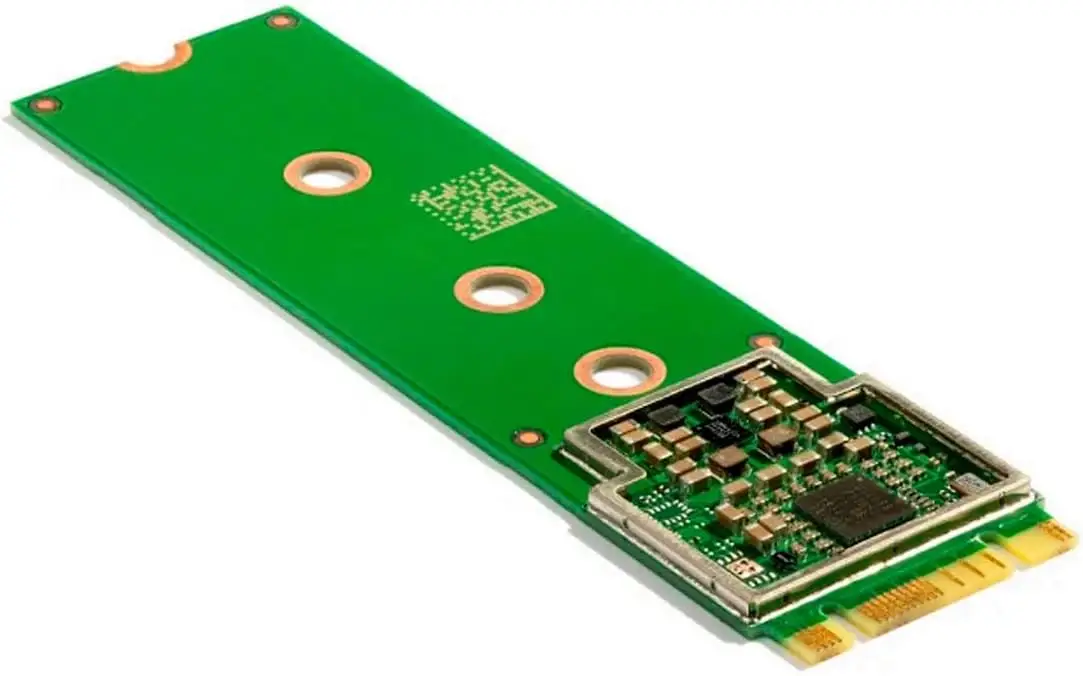
In terms of durability, several users report running units continuously for 1–2 years without failure — provided heat was managed. Mini-PCIe and M.2 variants appear more stable for 24/7 workloads than the USB stick, which can run hot at idle.
Alternatives
Community comparisons focus on Hailo accelerators, Intel Movidius NCS2, and Nvidia Jetson kits. A Frigate user summarized: “Hailo-8 hat for Pi — $80 and more than 3× Coral’s compute.” Others point to sub-$200 Intel mini-PCs with OpenVINO, handling 5+ camera streams at comparable inference speeds without dedicated TPU hardware. Movidius NCS2’s performance is generally seen as inferior to Coral unless paired with integrated Myriad X cameras to avoid USB bottlenecks.
Price & Value
Current eBay listings range from ~$64 for unopened units to $149–$250 depending on scarcity and region. During severe shortages, prices exceeded $400. Verified buyers advise monitoring UK/EU sellers like OKdo or PiHut for restocks, or considering the M.2 variant for savings if your board supports it. Resale value trends upward in scarcity cycles, making Coral a rare tech item that can appreciate temporarily.
FAQ
Q: Does Coral USB Accelerator help with video decoding?
A: No. Users confirm it only accelerates ML object detection — decoding must be handled by your CPU/GPU.
Q: Can it run YOLO models?
A: Only via custom conversions to TensorFlow Lite, which some find tricky. Standard YOLO architectures aren’t directly supported.
Q: Is overheating a problem?
A: On USB models, yes — without throttling, they may run hot. Powered hubs and adequate ventilation reduce risk.
Q: Works with Raspberry Pi 4 without a hub?
A: Sometimes, but several users advise a powered hub for stability, especially alongside SSDs or other USB devices.
Q: Why is it often out of stock?
A: Ongoing supply chain constraints and small production runs; some suspect Google prioritizes enterprise customers.
Final Verdict
Buy if you run multi-camera NVR software like Frigate or Camect, need sharp object detection without tying up your CPU, and can find one near MSRP. Avoid if you require broad model compatibility, heavy sustained loads on USB, or dislike uncertain product lifecycles.
Pro tip from the community: If your system supports M.2 or mini-PCIe, those Coral variants outperform USB sticks for reliability and thermals.