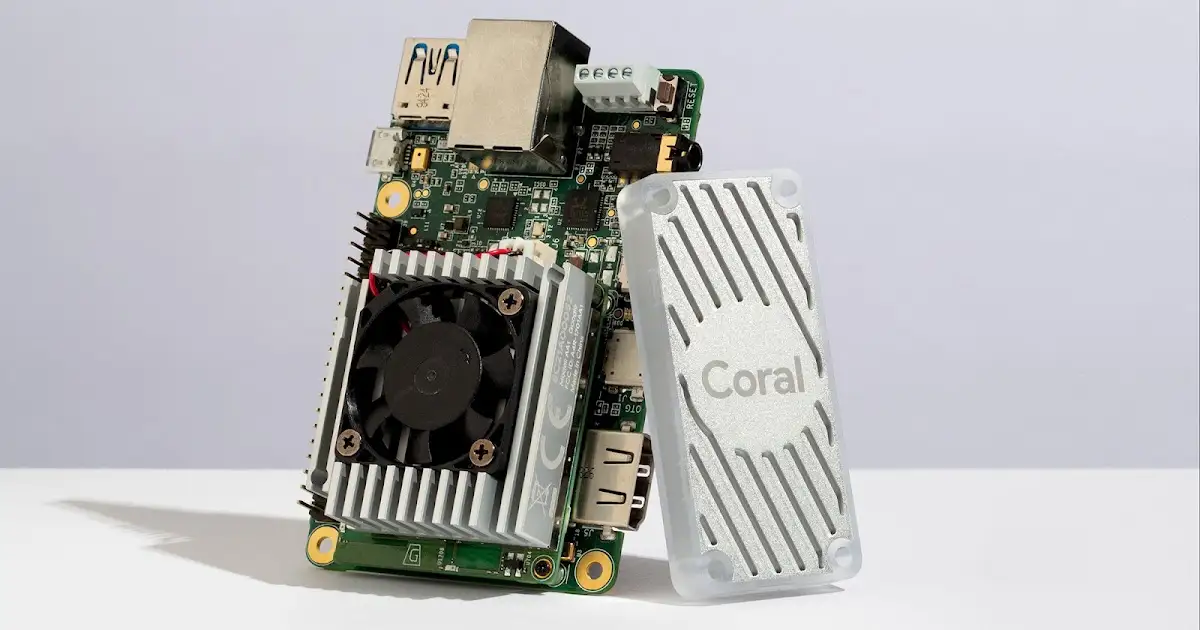
Google Coral USB Accelerator Review: Strong Yet Stalled
The surprise isn’t its specs—it’s the speed boost users report in real-world security setups. Google Coral USB Accelerator earns a solid 7.9/10 for dramatically reducing inference latency and CPU usage in object detection workloads, especially for Frigate NVR and TensorFlow Lite deployments, but it’s hampered by aging hardware, occasional overheating, and frustrating stock shortages.
Quick Verdict: Conditional buy for AI hobbyists, NVR builders, and ML prototypers—skip if you need latest-gen performance or broad model support.
| Pros | Cons |
|---|---|
| Massive inference speed-up (CPU to Coral drop from ~80ms to ~10ms) | Stock availability issues, scalper pricing |
| Low power draw (~0.5W per TOPS) | Generates heat, may need powered USB hub |
| Easy plug-and-play with Debian Linux, macOS, Windows | Limited to small TensorFlow Lite models |
| Fits into Raspberry Pi & mini PC workflows | Ecosystem stagnation since ~2019 |
| Noticeable CPU load reductions in NVR setups | Poor single-image performance without batching |
Claims vs Reality
Google positions the Coral USB Accelerator as a 4 TOPS Edge TPU device delivering “high-speed ML inferencing” across major platforms, promising up to 400 FPS on MobileNet V2 and exceptional efficiency. Official specs tout broad TensorFlow Lite compatibility and cross-platform support.
Digging deeper into user reports shows these claims stand up—but only under the right conditions. A Reddit user explained: “With a USB Coral we typically see about 10ms inference, with a PCIe Coral I see 6-7ms”, contrasting their CPU-only 80ms times. In Frigate setups, such drops transform detection pipelines, especially for multiple cameras.
However, marketing glosses over thermal limits and model size constraints. One Hackers News commenter noted: “It’s basically abandoned at this point and only works with older Python versions”, pointing to ecosystem stagnation since 2019. While performance benchmarks match the claims for supported models, the Edge TPU struggles with unsupported architectures—forcing workarounds or conversion to TensorFlow Lite.
Another hidden discrepancy: single-image workloads. A GitHub issue thread revealed that for lone image inference, CPU can be faster because “the first inference on Edge TPU is slow—it loads the model into memory each time”. This overhead disappears when processing batches, but it undermines Google’s blanket speed claims for all scenarios.
Cross-Platform Consensus
Universally Praised
The most consistent feedback celebrates its ability to slash inference times while keeping CPU use low. For surveillance builders, this means more cameras per machine. A GitHub user reported: “Inference speed drop from 100ms to 8ms, CPU load 75% down to 30%—7 cameras on i5-8500”.
Hobbyists using Raspberry Pi 4s also benefit from its simplicity: plug it into USB 3.0, add a few config lines, and Frigate immediately leverages the TPU. Multiple Reddit posters noted it’s “wayyy faster than CPU,” and that lower latency results in fewer missed events, even under visual clutter like spider webs triggering false positives.
Portability is another plus—USB form factor allows quick swaps between systems for demos, prototyping, and field deployments without the need for M.2 slots. A Twitter reaction summed it up: “One nice thing… it is USB. You can get it to work on practically any machine. Great for demos.”
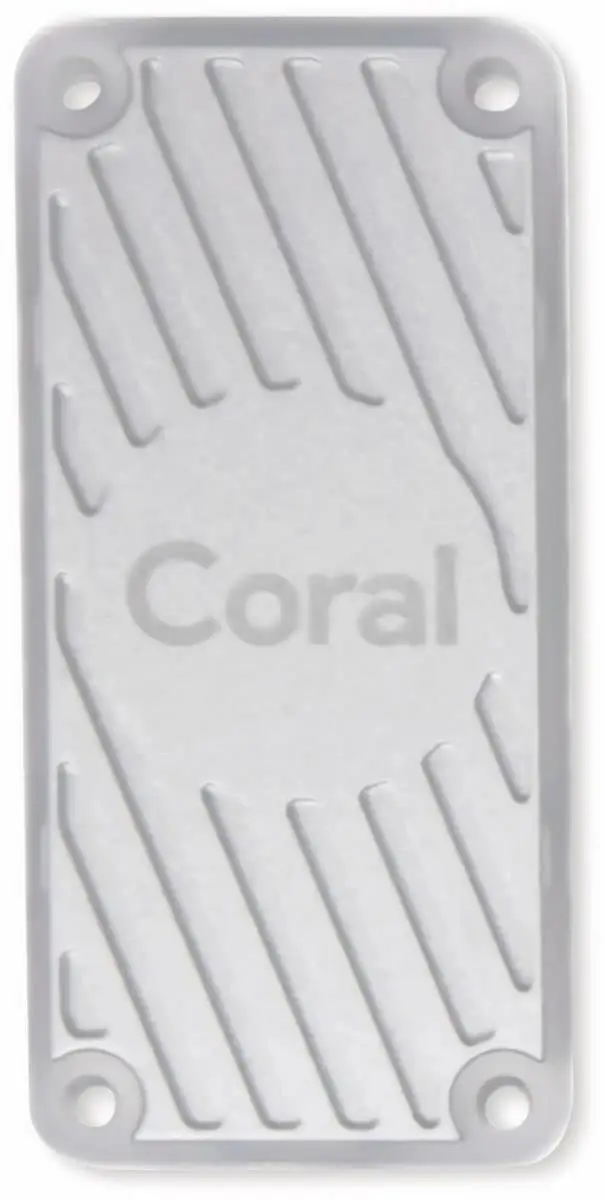
Common Complaints
Frustrations cluster around hardware stagnation and support. Several users call it “basically abandoned” and lament no updates since 2019. This leaves it trailing newer competitors in TOPS and model compatibility. Stock scarcity magnifies the problem: one GitHub discussion chronicles months-long delays with shifting distributor dates, spawning scalper resales at 2–3× MSRP.
Heat is a physical constraint. A Redditor bluntly said: “The USB model sucks. It overheats unless you put them in high efficiency (low performance) mode, which defeats the purpose.” Pi setups especially encounter undervoltage and USB power draw issues, prompting widespread powered-hub recommendations.
There’s also frustration over Google’s “flightiness”—users worry about premature discontinuation. As a Hacker News user put it: “What’s the point in buying a Google product when there’s a good chance they’ll drop support in 5 years or less?”
Divisive Features
Power efficiency earns polarization. While spec sheets tout ~2 TOPS/W, some call it “energy hungry” for modern standards. In niche deployments, however, it outclasses dedicated GPUs in watt-per-task terms—one user compared Coral’s 0.5W load favorably to their GTX 1080’s draw.
Model support is another split. For TensorFlow Lite MobileNet variants, Coral delivers as promised; for YOLO or custom architectures, the journey is trickier. A developer working on YOLO ports remarked: “Beyond the basic examples… wasn’t able to run anything else… Found Hailo much more powerful.” But others share scripts and converters to adapt unsupported models, keeping Coral viable in certain homebrew pipelines.
Trust & Reliability
Stock drama has hardened buyer caution. GitHub and Reddit threads track endless “expected date slips” from RS Components, Element14, and Mouser. Some cite direct responses from Google pointing to silicon shortages, but users remain skeptical: a few saw shipments trickle through after nearly a year on backorder.
On the reliability front, long-term users confirm stable operation in continuous NVR workloads—several running Coral for 2+ years without hardware failure, even in high-temp environments. Yet maintenance risk exists if your workflow depends on Google’s software updates. As one veteran user reflected: “Been waiting for the ecosystem to run newer models to no avail.” The core TPU design is unchanged, meaning longevity is limited by evolving ML requirements, not physical wear.
Alternatives
When comparing to mentioned rivals, Hailo chips top the list. A Redditor highlighted: “Hailo-8 L hat… has more than 3× the compute power… bigger Hailo-8 has 6× Coral’s compute.” Price is competitive—small hats at ~$80, larger ~$135, both better on model variety.
Jetson Orin Nano supercharged performance at 67 TOPS, albeit at $250 and with higher complexity. OpenVINO on Intel iGPUs also emerged as a pragmatic fallback: it matched or beat Coral for some object detection tasks at <5W, using off-the-shelf mini PCs.
Movidius NCS2 and MyriadX-based Oak cameras received mixed reviews—good for per-camera acceleration without USB transfers, but cost scalability breaks for multi-camera setups.
Price & Value
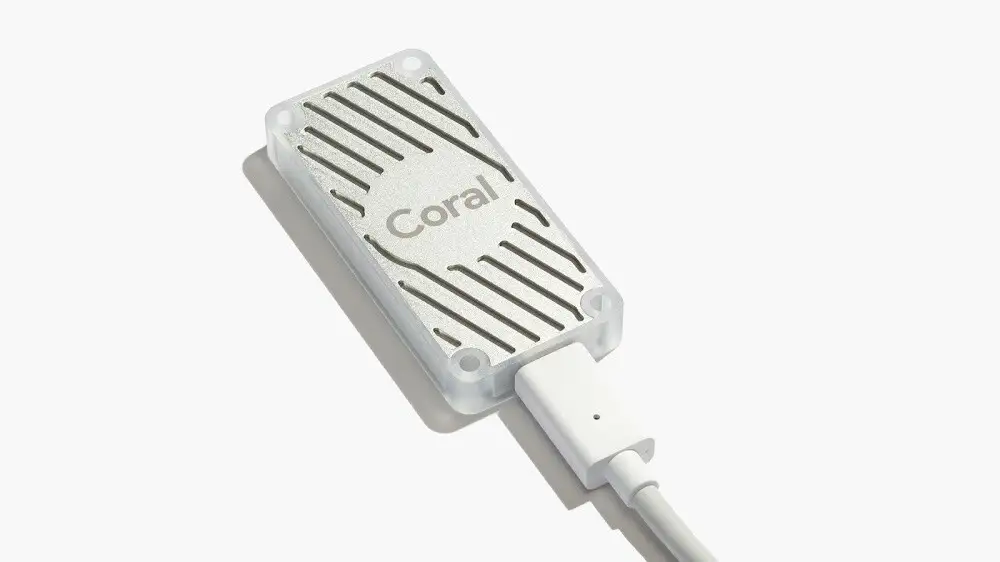
Official pricing starts around $59.99, but market reality is fickle. eBay listings range from $149 to nearly $200, reflecting scarcity. During chip shortages, some sold for $450+. Community advice leans toward pre-ordering from reputable distributors to avoid scalpers, or buying bundles (like AIY Maker Kits) where Coral is included.
Resale holds if stock remains tight, but saturation from newer alternatives could depress value. Users who snagged at MSRP describe it as a “no-brainer” for certain jobs; those paying scalper rates admit it’s hard to justify beyond niche needs.
FAQ
Q: Does the Coral USB Accelerator work with all ML models?
A: No. It’s optimized for TensorFlow Lite models compiled for Edge TPU. Custom architectures must be converted, often with constraints on operator support.
Q: How much power does it draw compared to a GPU?
A: Typical load is ~0.5W per TOPS, far less than discrete GPUs—but efficiency varies by task and model type.
Q: Can it speed up single-image inference?
A: Not significantly. Single-image jobs suffer from model-loading overhead; batching multiple images yields best gains.
Q: Is it plug-and-play on Raspberry Pi?
A: Mostly—USB 3.0 connection, config changes, and installing Edge TPU runtime. Powered hubs recommended to avoid undervoltage.
Q: Why is it often out of stock?
A: Silicon shortages, small production runs, and possible product line stagnation have led to chronic scarcity.
Final Verdict
Buy if you’re an AI hobbyist, NVR builder, or embedded developer needing portable, low-power acceleration for supported TensorFlow Lite models—especially in Frigate, where latency and CPU usage gains are dramatic. Avoid if you require broad model support, cutting-edge performance, or guaranteed long-term software updates.
Pro tip from the community: Pre-order from trusted distributors and be ready to batch jobs—the Coral USB Accelerator shines when kept busy.