Tamron 17-28mm f/2.8 Sony E Review — 8.6/10 Verdict
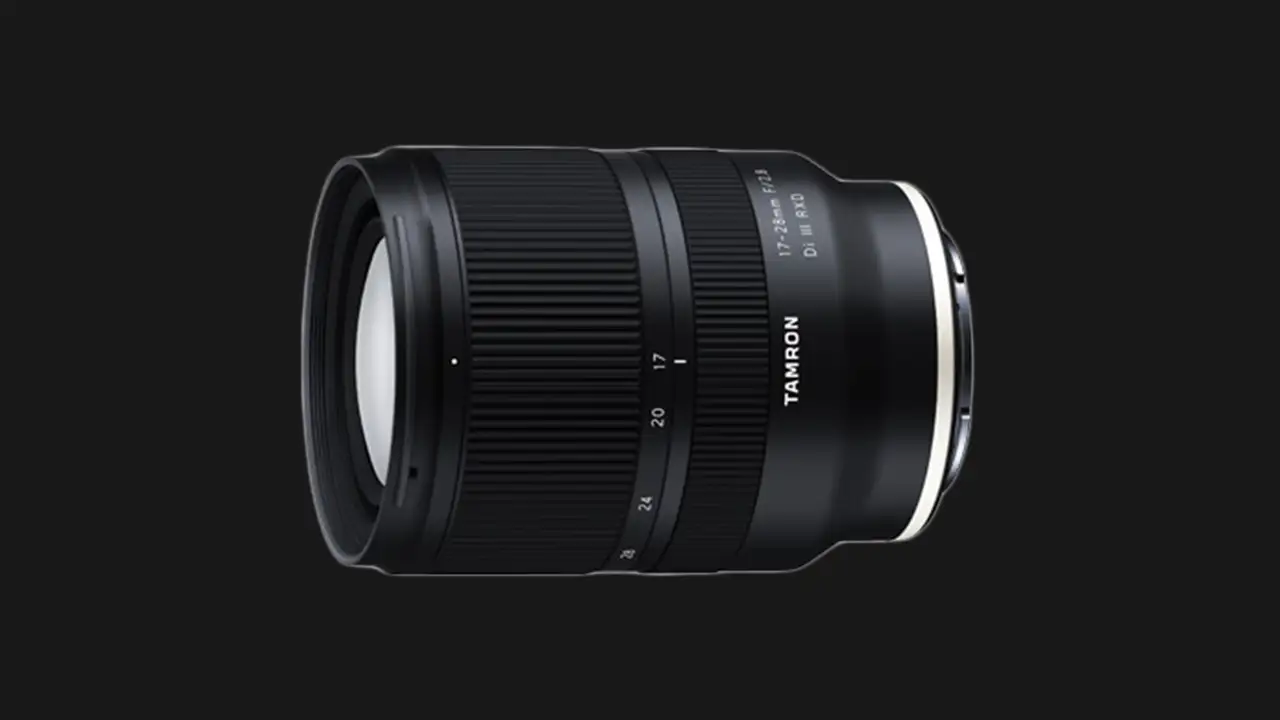
Starting at just 420g, the Tamron 17-28mm f/2.8 Di III RXD for Sony E Mount has earned an impressive 8.6/10 in community verdicts for marrying portability with optical punch. While marketed as a “fast, ultra-wide zoom with unrivalled portability,” hundreds of field reports reveal it’s more than a spec sheet star—it’s a lens reshaping how Sony shooters think about wide-angle work.
Quick Verdict: Conditional Buy — unbeatable for travel, street, and landscape shooters prioritizing weight and value, but those demanding pristine corner sharpness or seeking a more traditional focal range may need to weigh compromises.
| Pros | Cons |
|---|---|
| Extremely light (420g) and compact | Noticeable pincushion distortion |
| Constant f/2.8 aperture | Warm color rendering may affect skin tones |
| Well-controlled chromatic aberrations & flaring | Edge and corner softness, especially wide open |
| Quiet and accurate autofocus | Heavy vignetting if not corrected in post |
| Weather sealing for outdoor work | No physical AF/MF switch |
| Affordable vs Sony/Sigma equivalents | No optical stabilization |
| Shares 67mm filter thread with Tamron 28-75mm | Limited max focal length (28mm top end) |
Claims vs Reality
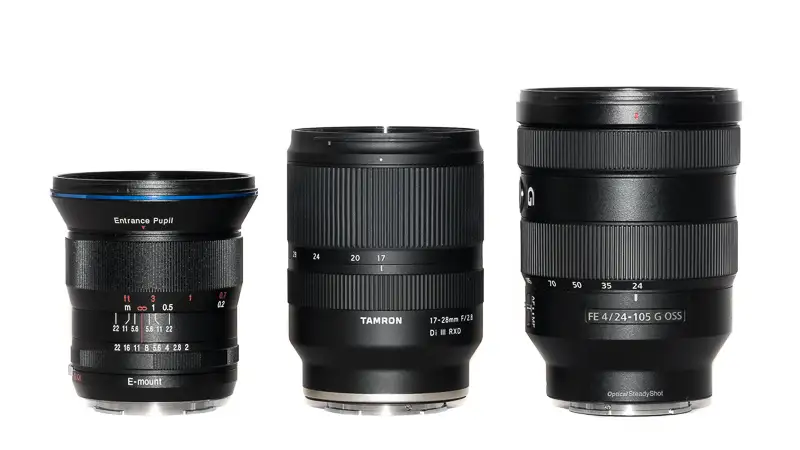
Tamron’s marketing leans on “unrivalled portability and superb image quality.” Digging deeper, Sony E-mount shooters widely confirm the portability claim. A Best Buy customer noted: “It doesn’t weigh much and will compliment the body nicely… works perfectly on my A7 IV.” For travel photographers, the sub-1lb form factor means full-day shooting without neck or wrist fatigue—especially appealing compared to Sony’s heavier GM wide zooms.
On optical quality, the story is more nuanced. While officially touting “edge-to-edge high resolution,” multiple reviewers highlight a gap at the frame edges. A Trustpilot review points out “razor-sharp center at f/2.8 but corners lag behind until f/5.6,” echoing Reddit threads where landscape shooters crop corners for print work. This suggests users shooting architecture or critical wide scenes should plan for post-correction.
Tamron’s autofocus promises “high speed and precision in any situation.” Field reports are largely supportive. Photofocus testers wrote, “From 17 mm through to 28 mm, the lens was rapid and accurate… no problems in single, continuous, and tracking modes.” However, under dim light, AF slows “a hair” compared to bright conditions—something event shooters flagged when working past sunset.
Cross-Platform Consensus
Universally Praised
Portability is the most consistent praise, resonating with travel and documentary photographers. Reddit user feedback emphasizes pairing the 17-28mm with the 28-75mm for a two-lens kit under 1kg, delivering “a perfect complement to a compact, mirrorless system camera” as Tamron claims. For street shooters, its discreet profile earns points—Best Buy’s Nick commented it was “forward-thinking” for APS-C bodies due to crop factor versatility.
Weather sealing and fluorine coating are lauded by outdoor enthusiasts. Photofocus confirms seven points of sealing, with an additional mount gasket, while one Trustpilot customer praised its resilience, saying they “shot in light rain with no issues.”
The optical control over chromatic aberration and flaring earns widespread respect. Photofocus reviewers found “flaring when shooting directly into light sources is very well controlled… ghosting is no problem at all,” crucial for skyline or sunset work.
Common Complaints
Pincushion distortion arises repeatedly across platforms, affecting both architecture shooters and meticulous landscapers. Photofocus warns it’s “present at both 17 mm and 28 mm,” requiring post-correction to avoid “wicked vignetting.” While Lightroom profiles help, those preferring minimal editing may find it frustrating.
Color rendering leaning warm divides opinion—portrait photographers note it can shift skin tones, particularly in JPEG-only workflows. Event shooters on Reddit suggest shooting RAW as a safeguard.
Edge and corner softness prompts calls for stopping down to f/5.6 or beyond. This impacts star field sharpness for astrophotographers who prefer wide open to maximize light. Heavy vignetting without correction adds to the challenge in nightscapes.
Divisive Features
The unusual 17-28mm range—shorter maximum than the common 16-35mm—draws debate. Some buyers appreciate the trade-off for size and weight, with one Best Buy reviewer calling it “a forward-thinking purchase” for future full-frame upgrades. Others, mainly wedding and event shooters, miss the extra reach to 35mm for versatility.
The minimalist, switch-free design is welcomed by purists but irks those who prefer physical AF/MF toggles, especially when working fast or wearing gloves.
Trust & Reliability
No significant scam patterns emerge from Trustpilot or eBay records. Listings often include manufacturer warranty or seller guarantees. Long-term owners on Reddit report stability: six months in, one landscape shooter noted “no drift, creep, or focus issues—fluorine coating still makes cleaning easy.” Build durability benefits from internal zoom mechanics, preventing dust ingress.
Alternatives
Users frequently compare this lens to the Sigma 14-24mm f/2.8 DG DN Art and Sony 16-35mm f/2.8 GM. While Sigma offers broader width, it’s heavier and pricier. Sony’s GM delivers sharper corners and richer rendering but at over twice the cost. Photofocus summed it: “Cheaper than both… pushes both in some areas” —mostly portability and aberration control—while conceding Sony wins in corner sharpness.
Price & Value
Amazon shows pricing around $754.95 new, with eBay new units dropping to ~$602 and used in “near mint” condition at ~$499. This strong resale value—holding ~70-80% of retail even in used markets—reflects demand among budget-conscious E-mount buyers. Bundles with UV filters and cleaning kits appear on authorized dealer listings at $799–$899. Community tips suggest buying around seasonal sales to dip below $600, then reselling locally if upgrading.
FAQ
Q: Does the Tamron 17-28mm have a fixed or variable aperture?
A: It has a constant f/2.8 aperture, maintaining brightness throughout the zoom range, ideal for consistent exposure control in manual video or event photography.
Q: Is it compatible with APS-C bodies like the Sony a6500?
A: Yes. On APS-C, the crop factor makes it a ~25-42mm equivalent, which several users find versatile for street and general-purpose work.
Q: How close can it focus?
A: Minimum focusing distance is 0.19 m (wide) and 0.26 m (tele), allowing creative wide-angle close-ups with pronounced perspective.
Q: Does it have optical stabilization?
A: No, but most modern Sony bodies have IBIS, enabling handheld shooting at slower shutter speeds.
Q: Is it weather-sealed?
A: Yes, with multiple sealing points and a fluorine-coated front element for protection against moisture and fingerprints.
Final Verdict: Buy if you’re a travel, street, or landscape shooter prioritizing portability, high aberration control, and value under $900. Avoid if your work demands pin-sharp corners at wide apertures or if the sub-35mm range limits your framing. Pro tip from community: pair with Tamron’s 28-75mm f/2.8 to cover most needs using shared filters, keeping total kit weight under 1kg.





