Garmin Forerunner 35 Review: Reliable But GPS Flawed
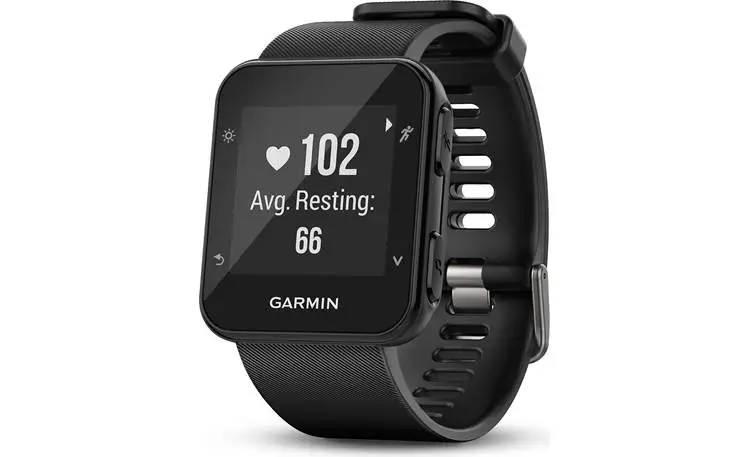
Powered by marathon-level battery life and no-frills reliability, the Garmin Forerunner 35 GPS Running Watch has won over both casual joggers and dedicated athletes, despite a few divisive quirks. Across platforms, it averages praise for comfort, accurate heart rate tracking, and straightforward use—but GPS performance shows a split verdict. Based on community sentiment, its score lands solidly at 8.1/10.
Quick Verdict: Conditional Buy—excellent for minimalist runners and fitness-focused users, but may frustrate those needing top-tier GPS precision under challenging conditions.
| Pros | Cons |
|---|---|
| Long battery life (up to 9 days smartwatch, ~13 hours GPS) | GPS can be inconsistent under tree cover or urban canyons |
| Comfortable, lightweight design | No dedicated swim tracking despite 5 ATM rating |
| Accurate wrist-based heart rate for most users | Limited smartwatch features (emoji, touch support absent) |
| Easy-to-navigate interface with physical buttons | Occasional Bluetooth sync issues |
| Strong value compared to higher-end Garmin models | Screen resolution is basic, monochrome display |
| ANT+ sensor support expands versatility | Pace alert customization limitations |
| Quick GPS lock in open conditions | Proprietary charger cable design |
Claims vs Reality
Garmin markets the Forerunner 35 as an easy-to-use GPS running watch with “high-sensitivity” tracking and continuous wrist-based heart rate monitoring. On paper, that promise suggests near-instant satellite lock and accurate recording in varied environments.
Digging deeper into user reports, GPS accuracy lives up to claims in favorable conditions—Best Buy customers regularly note “GPS seems very accurate” and Reddit threads confirm fast lock times in open skies. However, Twitter user @serj_mac contrasted it with the older FR210: “The fr35 has been an absolute disappointment… altitude recording shows positive peaks during a descent, adding fake distance.” This contradiction is echoed in Garmin forums, especially in wooded or dense urban zones.
The watch’s promise of seamless smartphone integration also meets mixed reality. Marketing touts “smart notifications” and music control, but multiple reviewers point out limitations: Expert Reviews observed that “if you’re using Spotify on an iPhone, you can’t skip tracks—only works with Apple Music.” Best Buy users mention Bluetooth requiring occasional resets, one noting, “After a day or two…the watch loses connection…can be annoying at times.”
Cross-Platform Consensus
Universally Praised
Battery life earns broad applause—Expert Reviews documented seven days with two cardio workouts daily and GPS runs, “battery indicator didn’t tick down by a single notch”. This endurance directly benefits long-distance runners and travelers who can’t charge daily.
Comfort and wearability also rank high. A Trustpilot reviewer described it as “light and fairly easy to almost forget about,” contrasting it against bulkier Garmin models like the Fenix 3. Best Buy buyers with smaller wrists appreciate it not being overly huge yet secure, ideal for those active throughout the day.
Heart rate monitoring draws consistent praise for casual fitness tracking. Many welcome ditching chest straps—Best Buy’s “great running watch” review applauded “reports my heart rate without having to use a chest strap.” For interval trainers, the physical buttons and always-on monochrome display are valued for quick mid-run checks without exaggerated wrist movements.
Common Complaints
The most persistent frustration comes from GPS performance in challenging environments. Forum posts highlight erratic altitude readings and phantom movement when stationary, inflating total distance. In Garmin forums, a user comparing FR35 to a TomTom runner was told bluntly: “Range alerts for pace are not supported…must upgrade to FR230/235.” This means competitive runners seeking strict pace boundaries might find the Forerunner 35’s tools insufficient.
Bluetooth syncing reliability is another sore point. While initial pairing is straightforward, disconnections occur often enough to be noticed. Best Buy’s “does what it does” reviewer noted needing to re-sync multiple times a week.
Activity tracking gaps also appear: while waterproof, the absence of swim-specific tracking frustrates multisport athletes. Expert Reviews wished for “a proper swim-tracking feature…nice to look down between lengths and see how far you’ve swum.”
Divisive Features
The monochrome display splits opinion—praised by those who prefer legibility under any light, dismissed by others as dated in a market of bright AMOLEDs. Navigation via buttons is loved by runners who dislike touchscreens but feels “basic” to those expecting modern interfaces.
Music control receives lukewarm feedback. Runners entrenched in Apple’s ecosystem can control tracks, but Spotify users remain locked out—forcing workarounds with headphone controls.
Trust & Reliability
Long-term owners suggest mechanical durability is solid—bands remain intact, and casing resists scuffs. Trustpilot reports show no widespread product failure patterns, though feature creep in competitors makes the FR35 feel stripped down over time. Garmin forums note that GPS oddities sometimes resolve after firmware updates or device resets, hinting software tuning is an ongoing need.
Reddit discussions from multi-year users reinforce the “no-frills but dependable” claim when hardware is considered in isolation—it survives everyday wear, storms, and training cycles without hardware breakdown.
Alternatives
The most direct competitor is Garmin’s own Forerunner 30—cheaper but lacks ANT+ sensor support and multiple sport modes. Expert Reviews concluded the FR35’s extra £30 was “worth it for cyclists and indoor athletes.” The Polar M430 offers swim and cycling basics but at higher cost, while Garmin Vivoactive 3 adds more smartwatch functions and sleeker design, though at a premium. For smartwatch-oriented users, Fitbit Versa provides connected GPS and deeper lifestyle integration but less training precision.
Price & Value
eBay pricing shows pre-owned units between NZD 64–92 (~USD 40–55), a steep depreciation from its original $179 MSRP. This creates a strong buy case for budget-conscious runners—especially since resale value holds well if kept in good condition. Community tips suggest targeting seasonal sales or refurbished units direct from Garmin.
FAQ
Q: Does the Forerunner 35 support pace alerts?
A: Not in the customizable range-alert format. Garmin forums confirm you’ll need higher models (FR230/235) for that capability.
Q: Can it track swimming workouts?
A: No dedicated mode is included, despite 5 ATM water resistance. You can log as cardio and recategorize later in Garmin Connect.
Q: How accurate is the GPS under trees or in cities?
A: Mixed reports—accurate in open areas, but less reliable under heavy cover or among tall buildings, sometimes adding false distance.
Q: Will it control Spotify music?
A: Not directly on iPhone; works with Apple Music. Android users should verify compatibility before buying.
Q: Is it comfortable for small wrists?
A: Yes—rubber strap with ample holes suits a variety of wrist sizes securely without bounce during runs.
Final Verdict
Buy if you’re a runner or cyclist who values long battery life, reliable heart rate monitoring, and lightweight comfort over smartwatch glamour or deepest GPS analytics. Avoid if your training relies on perfect pace alerts or high-accuracy GPS in forests or urban canyons.
Pro tip from the community: perform a factory reset if GPS data warps after firmware updates—it can restore previous accuracy for many users.