EVEREADY 6V Super Heavy Duty Battery Review: 7.6/10
A lantern that’s “still bright 6 weeks later” is the kind of real-world detail that keeps popping up around the EVEREADY 6V Super Heavy Duty Battery—but so does the occasional complaint that it can feel “light weight” and underpowered right out of the package. Verdict: Conditional buy for low-to-moderate drain and emergency storage, 7.6/10 based on the supplied review excerpts and ratings.
Quick Verdict
For emergency lanterns and rarely-used flashlights, the EVEREADY 6V Super Heavy Duty Battery generally lands as a “works as it should” purchase—especially for shoppers prioritizing price. But users who expect maximum brightness or high-drain performance describe dimmer output and doubts about freshness.

| Verdict | Best For | Evidence from users |
|---|---|---|
| Conditional Yes | Emergency flashlights/lanterns | Amazon reviewer: “great for long-term storage… ‘for the purpose of keeping a flashlight handy but mostly unused, the heavy duty model is just fine.’” |
| Yes | Value-focused buyers | Amazon reviewer: “price is right”; another: “great price fast shipping.” |
| Conditional | Moderate-drain gear (some success) | Amazon reviewer using a fish finder: “powered right up, the led screen is bright works great.” |
| No (for some) | People expecting peak brightness | Amazon reviewer: “the flashlight isn’t very bright after changing to this battery.” |
| No (quality consistency worries) | Buyers sensitive to “freshness” | Amazon 3-star: “package felt light weight… light was from a battery that was not brand new… ‘i will not get this again.’” |
Claims vs Reality
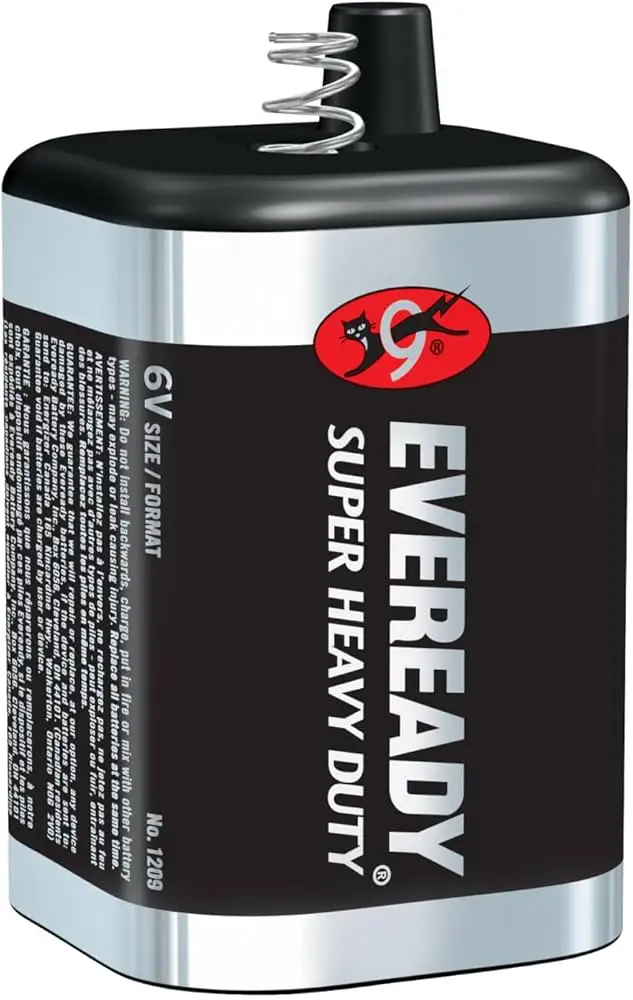
The marketing around the EVEREADY 6V Super Heavy Duty Battery leans on reliability and storage readiness. BatteryProducts describes it as “guaranteed leak-free,” “not alkaline,” and “capable of use for up to 3 years when inactive,” positioning it as a practical, affordable option for lanterns, RVs, lighting systems, and backup power. BIG W similarly frames it as “designed to help minimize leakage” and “lasts up to 3 years in storage.” On paper, the pitch is clear: dependable standby power at a lower cost than alkaline.
Digging deeper into user feedback from Amazon reviews, the storage-focused claim has direct echoes. One Amazon reviewer explicitly frames their use case as emergency readiness: “great for long-term storage,” explaining they keep the batteries in flashlights that “don’t see much use except for emergencies like power failures,” concluding that “for the purpose of keeping a flashlight handy but mostly unused, the heavy duty model is just fine.” That’s the marketing promise, reflected in a real household scenario where the battery spends more time waiting than working.
Where the “reality check” emerges is around performance expectations the phrase “super heavy duty” can trigger. One Amazon reviewer offers a mild warning by experience: “seems to work fine” but adds “the flashlight isn’t very bright after changing to this battery.” Another gives a more skeptical account immediately on arrival: “the package felt light weight… when turning on the flashlight it seems as if the power… was from a battery that was not brand new,” concluding, “i will not get this again.” While official listings emphasize suitability for lanterns and flashlights, these stories suggest brightness and perceived freshness can be hit-or-miss for users who want strong output on day one.
Finally, the “not alkaline” positioning matters in practice, and at least one community reviewer explicitly connects performance to correct chemistry and device type—albeit for Eveready AA “heavy duty” cells, not the 6V lantern battery. On ProductReview.com.au, reviewer “sb caris 00” writes: “these are heavy duty batteries… not alkaline or lithium… in correct usage… intermittent and low drain devices they’re reliable… in high drain devices… they’re not intended for that use.” While this feedback is about AA batteries, it mirrors the same chemistry-driven expectation-setting that appears in the 6V product descriptions.
Cross-Platform Consensus
Universally Praised
The most consistent “win” for the EVEREADY 6V Super Heavy Duty Battery is straightforward functionality in classic lantern and large-flashlight roles, especially when the buyer’s goal is preparedness rather than daily use. A recurring pattern emerged in Amazon comments: people swap it into older gear and get immediate results. One reviewer describes a simple success case: “its a simple heavy duty 6 volt battery… when i switched out the previous same one that was not working anymore, it came right on, i use this in a lantern. i would recommend.” For someone keeping a lantern in the garage or car for outages, that “came right on” moment is the entire job.
Another segment that benefits is owners of legacy or niche devices still built around the spring-terminal 6V form factor. An Amazon reviewer using an older fish finder shared a very specific, device-centric outcome: “i purchased 2 6v batteries for my old hummingbird fish finder. powered right up, the led screen is bright works great.” That kind of detail suggests compatibility isn’t theoretical—it’s showing up in real use where the device is otherwise hard to support with modern rechargeable ecosystems.
Value and availability also show up as a practical advantage across listings. Amazon reviewers repeatedly reduce the experience to cost efficiency: “price is right” and “great price fast shipping.” Meanwhile, BatteryProducts positions bulk pricing aggressively (“price lowers by quantity”), which speaks directly to industrial buyers or facilities managers stocking for barricade flashers or worksite lanterns—use cases also echoed by Northern Safety’s description: “designed for low drain applications in flashlights, barricade flashers, and lanterns.”
After those narratives, the “praise” picture can be summarized like this:
- Emergency readiness: “great for long-term storage… mostly unused… just fine.” (Amazon)
- Compatibility: “powered right up… led screen is bright.” (Amazon)
- Price: “price is right”; “great price fast shipping.” (Amazon)
Common Complaints
The most common disappointment isn’t total failure—it’s performance that feels weaker than expected. For users swapping the battery into a flashlight and expecting a noticeable brightness jump, the reports can sound deflating. One Amazon review is blunt: “the flashlight isn’t very bright after changing to this battery.” For someone relying on a high-output beam (searching a yard, roadside work, or any situation where illumination equals safety), that kind of dimness isn’t a minor nit; it changes whether the product fits the job.
Quality perception issues also appear, framed as doubts about whether the battery is truly fresh. A 3-star Amazon reviewer describes a first-impression problem: “as soon as it arrived the package felt light weight,” and when used, the output felt like it was “from a battery that was not brand new.” The frustration culminates in purchasing intent: “i will not get this again.” Even though other users describe good results, that story highlights the kind of inconsistency fear that makes buyers second-guess bulk purchases.
A third complaint pattern is more subtle: the chemistry tradeoff. Even when a battery “works as it should,” some buyers hint that carbon zinc may be better for standby than for frequent use. One Amazon reviewer explicitly draws that line: if they used the flashlights regularly, they would “probably opt for the alkaline version,” but for mostly unused emergency lights, “the heavy duty model is just fine.” In other words, the product can disappoint if the buyer’s real need is high-drain endurance, even if it satisfies low-use readiness.
After those narratives, the “complaints” picture can be summarized like this:
- Brightness shortfall: “flashlight isn’t very bright after changing.” (Amazon)
- Freshness/consistency doubts: “package felt light weight… not brand new… will not get this again.” (Amazon)
- Chemistry expectations: “regular basis… opt for alkaline.” (Amazon)
Divisive Features
The same “budget standby” identity that makes the EVEREADY 6V Super Heavy Duty Battery appealing is also what divides buyers. Some shoppers treat it as a perfect emergency item: one Amazon reviewer can’t “remember how many years” it’s been since replacement in rarely-used flashlights, suggesting that long idle periods are where it shines. Others interpret “super heavy duty” as a promise of high output—and end up dissatisfied when the light looks underpowered.
There’s also a split between “it does the job” pragmatists and spec/quality skeptics. One Amazon reviewer sums it up as “works as it should,” while another scrutinizes physical feel (“light weight”) and subjective performance (“not brand new”), arriving at the opposite purchase decision. The product’s identity—low-cost carbon zinc 6V—creates two entirely different yardsticks.
Trust & Reliability
On the trust side, the supplied data includes repeated Amazon review excerpts in multiple sections, but the “scam” or counterfeit anxiety appears most strongly in non-6V contexts. ProductReview.com.au’s harsher language targets Eveready AA “super heavy duty” packs, including claims of poor and inconsistent charge and customer service frustration (for example, “Stu” describing “pull your hair out material,” and “zedster act” calling it a “scam battery”). Those accounts aren’t specifically about the 6V lantern battery, but they show that some consumers already approach the brand’s “heavy duty” labeling with suspicion.
For the specific EVEREADY 6V Super Heavy Duty Battery Amazon excerpts provided, the reliability story is more grounded: good for storage and emergencies, with occasional doubts about freshness and brightness. One Amazon reviewer’s scenario—keeping lantern batteries in flashlights for rare power failures—captures the long-haul reliability expectation: “great for long-term storage… mostly unused.” Another adds an early durability datapoint: “Lantern still bright 6 weeks later.” Still, a contrasting story exists in the 3-star “not brand new” perception, which can undermine trust even before long-term testing happens.
Alternatives
The only named competitor repeatedly mentioned by users in the provided data is Energizer—but those mentions are mainly in the context of AA/AAA comparisons on ProductReview.com.au, not 6V lantern batteries. That said, the user logic is consistent: for higher-drain or longer-lasting performance expectations, some recommend paying more. ProductReview reviewer “tim h.” compares prior results: “the previous battery was an energizer that lasted for the better part of a year… with the eveready… had to change the battery twice in the last month,” concluding “spend the money and buy an energizer instead.” Again, that’s not the 6V model, but it reflects a buyer mindset: cheap zinc-based cells for emergencies versus premium alkaline for sustained output.
Within the 6V lantern category itself, the Amazon reviewer who would “opt for the alkaline version” if using flashlights regularly effectively suggests the alternative class: alkaline 6V lantern batteries (without naming a brand). For frequent use cases—worklights, ongoing outdoor trips, or anything closer to daily drain—buyers may align better with that higher-performance chemistry, based on the expectation-setting implied in the reviews.
Price & Value
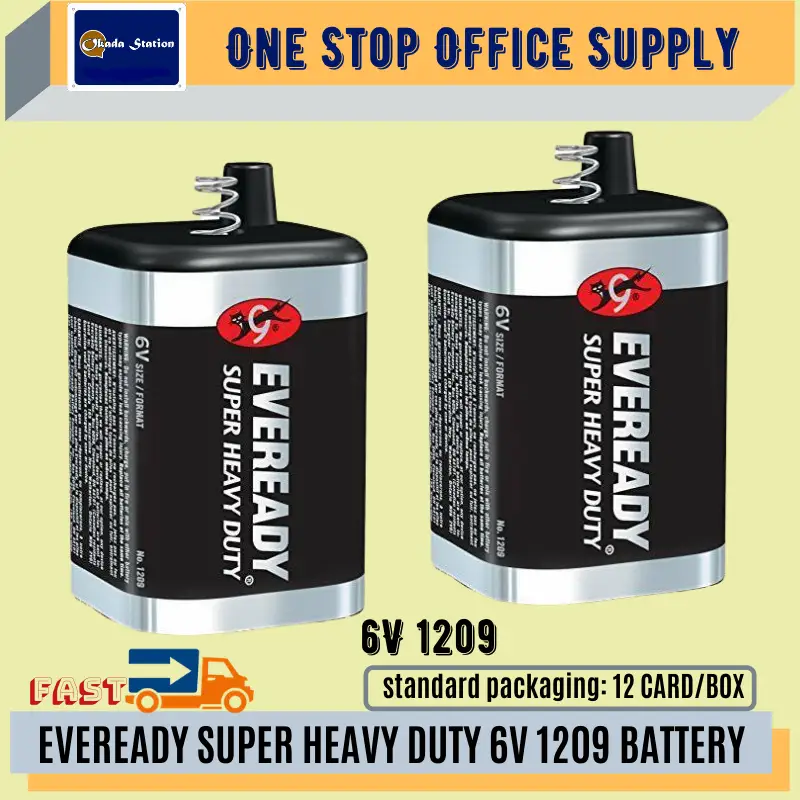
Pricing varies widely by channel and pack size in the supplied listings, which shapes value perceptions. Amazon lists a 1-count around $7.90 (with a “typical price” shown as $9.49) and a 2-count at $16.99, while BatteryProducts lists $6.81 each with bulk discounts (e.g., $4.85 each at 12–119, $4.47 each at 120+). Those numbers contextualize why Amazon reviewers keep repeating price satisfaction: “price is right” and “great price fast shipping.”
Resale/market pricing on eBay also reflects variability: listings show a “2 pack” at $18.50 and a single at varying prices, suggesting convenience and shipping can push the real-world cost up or down depending on seller and timing. For budget-minded buyers, the strongest “buying tip” implied by the data is to purchase in quantity from bulk channels when you know you’ll need multiple units.
From a value standpoint, the best-fit story is consistent: if the battery is destined for an emergency lantern or a rarely-used large flashlight, users describe it as “just fine.” If the buyer is chasing maximum brightness or long continuous runtime, the same “cheap standby” value proposition may feel like false economy.
FAQ
Q: Is the EVEREADY 6V Super Heavy Duty Battery good for emergency flashlights and power outages?
A: Yes—especially for devices that sit unused most of the time. An Amazon reviewer said: “great for long-term storage… for the purpose of keeping a flashlight handy but mostly unused, the heavy duty model is just fine.” Another noted their lantern was “still bright 6 weeks later.”
Q: Will it make my lantern or big flashlight brighter than before?
A: Not always. One Amazon reviewer reported: “the flashlight isn’t very bright after changing to this battery.” If you’re replacing a depleted battery, it may “come right on,” but buyers expecting a big brightness boost sometimes feel disappointed.
Q: Is this an alkaline 6V lantern battery?
A: No. Listings describe it as carbon zinc / zinc-based chemistry (for example, “zinc carbon” on Amazon and “zinc-manganese dioxide” on industrial listings). One Amazon reviewer even said they’d choose an “alkaline version” for regular use, implying this one suits standby use better.
Q: Are there quality or freshness concerns?
A: Some buyers raise concerns. A 3-star Amazon reviewer said the package “felt light weight” and the light output seemed like it came from a battery “that was not brand new,” ending with “i will not get this again.” Other reviewers, however, describe normal operation.
Q: What devices do people actually use it in?
A: The supplied reviews mention lanterns and large flashlights, plus at least one niche device: an Amazon reviewer said they used it in an “old hummingbird fish finder,” reporting it “powered right up” and the “led screen is bright.”
Final Verdict
Buy the EVEREADY 6V Super Heavy Duty Battery if you’re stocking a spring-terminal 6V lantern battery for an emergency flashlight/lantern that mostly waits in a closet, garage, or car kit—where “great for long-term storage” matters more than peak output.
Avoid it if you need maximum brightness or expect “super heavy duty” to mean high-drain performance; one Amazon reviewer warned the light “isn’t very bright after changing,” and another felt it wasn’t “brand new.”
Pro tip from the community mindset: if you’re using the device regularly, consider stepping up to “the alkaline version,” as one Amazon reviewer suggested for frequent-use flashlights.