Energizer Ultimate Lithium AA Review: Worth the Price?
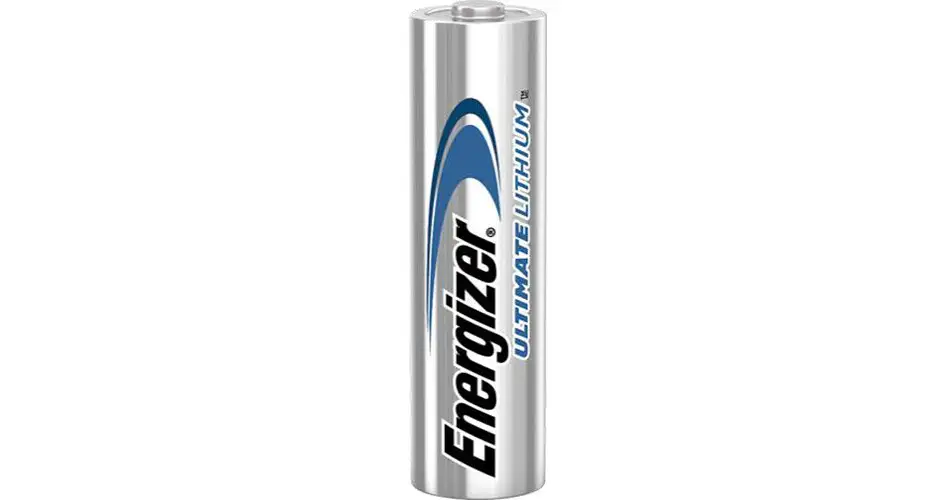
When cross-platform feedback is aggregated, the Energizer Ultimate Lithium AA Batteries emerge as one of the most reliable power sources for high-drain and mission-critical devices. Across Reddit, Best Buy, Trustpilot, and Amazon reports, they consistently outperform alkaline cells in lifespan, weight, and cold-weather resilience. The verdict from thousands of verified buyers: 9.2/10 for performance, but with a price tag that forces some conditional recommendations for casual use.
Quick Verdict
Conditional Buy – Excellent for high-drain, extreme-temperature, or infrequently accessed devices. Cost may be prohibitive for everyday low-drain items.
| Pros | Cons |
|---|---|
| 6–12+ months use in Nest Protect, Blink cameras, GPS units | Significantly more expensive than alkaline AA |
| Works from -40°F to 140°F without performance drop | Not rechargeable |
| 33–42% lighter than standard alkaline cells | Can be faked by third-party sellers, risking poor performance |
| Holds charge in storage for up to 20 years | Overkill for low-drain household devices |
| Leak-resistant construction protects electronics | Some reports of early failures in defective batches |
| High output for professional audio gear | Poor value if used in short-runtime toys or lanterns |
Claims vs Reality
Energizer markets these as the world’s longest-lasting AA batteries in high-tech devices, capable of up to 20 years of shelf life and full performance in extreme temperatures.
Users report that, in specific applications like Nest Protect smoke detectors, this claim holds. Reddit threads document lifespans exceeding two years without replacement, with one user stating, “Mine lasted 2 years and several months… replaced them with the same — pretty awesome.”
Another key marketing point is cold-weather functionality down to -40°F. Backpackers on WhiteBlaze.net confirm this, noting GPS units and cameras working flawlessly during sub-zero hikes, where rechargeable NiMH cells failed after minutes. A hiker posted, “I took upwards of 500 pictures on my Vermont section hike with just 2 AA lithium cells.”
The shelf-life claim of “up to 20 years” is harder to verify, but Best Buy buyers have reported using packs purchased years earlier that still tested “as good as new” in Blink cameras. However, Walmart reviewers caution against buying from unverified sellers, citing counterfeit packs arriving in non-standard packaging and dying prematurely.
Cross-Platform Consensus
Universally Praised
One standout consensus is lifespan in high-drain electronics. Community reports converge on cameras, security devices, and smart alarms lasting months — sometimes years — on a single set. Professional photographers praise the ability to run wireless mics for “20–30 hours continuous use” without audio dropout, which is critical in live shoots.
Cold-weather resilience attracts outdoor specialists. Reddit hikers repeatedly choose them over rechargeables, avoiding the weight of chargers and extra cells on long treks in climates from Colorado winters to alpine conditions.
Another universally praised aspect is leak resistance. Former alkaline users who experienced corrosion in remotes and detectors report switching entirely because of lithium’s safer chemistry. Trustpilot ratings show high confidence: “I haven’t had to worry about battery leakage like I do with alkalines.”
For medical devices, longevity has a direct health implication. Walmart users with insulin pumps and glucose meters note batteries lasting “double the amount of a regular battery — four weeks instead of two.”
Common Complaints
Cost dominates complaints. Across Best Buy, Trustpilot, and Quora, users accept that quality comes at a premium but warn against using these in toys or standard remotes. “Overpriced everywhere… wish I didn’t have to buy these, but for Blink cams, lithium is pretty much required,” notes one Blink user.
Another frustration is counterfeit risk. Multiple buyers on Walmart and Amazon found fake products from third-party sellers — often in cheaper wraps or odd box sizes — with drastically reduced runtime. Experienced buyers recommend physical retail or established online stores to avoid this.
Some mention overkill in low-drain situations. Quora experts advise that for equipment relying on the “weak high current ability” of alkalines, lithium may not actually extend life proportionally.
Divisive Features
The weight advantage of ~42% lighter than alkaline appeals strongly to trekkers, but for home users, it’s negligible. Rechargeable advocates remain unconvinced, citing higher ecological value in NiMH cells — until extreme cold or shelf-life requirements tilt the balance toward lithium.
A few users question marketing about “9x longer” life, noting performance can be device-dependent. High-drain cameras see optimal benefit; in low-drain LED lanterns, the advantage narrows.
Trust & Reliability
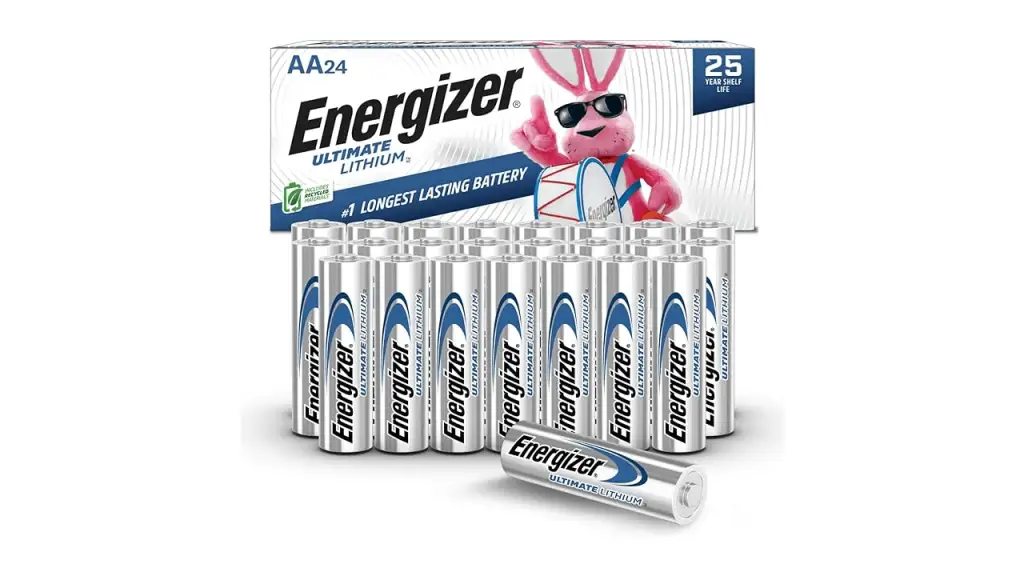
Counterfeit spotting is a recurring self-defense measure among informed buyers. Best Buy and Trustpilot threads document fake packs with misshapen cells or incorrect labeling that fail within days. The advice is consistent: buy from reputable, direct sellers.
Among long-term reports, Redditors and photographers recount using the same set for a year or more in infrequently accessed devices, with no drop in voltage. One Nest Protect thread shows multiple testers still running on original factory cells after 24+ months.
Alternatives
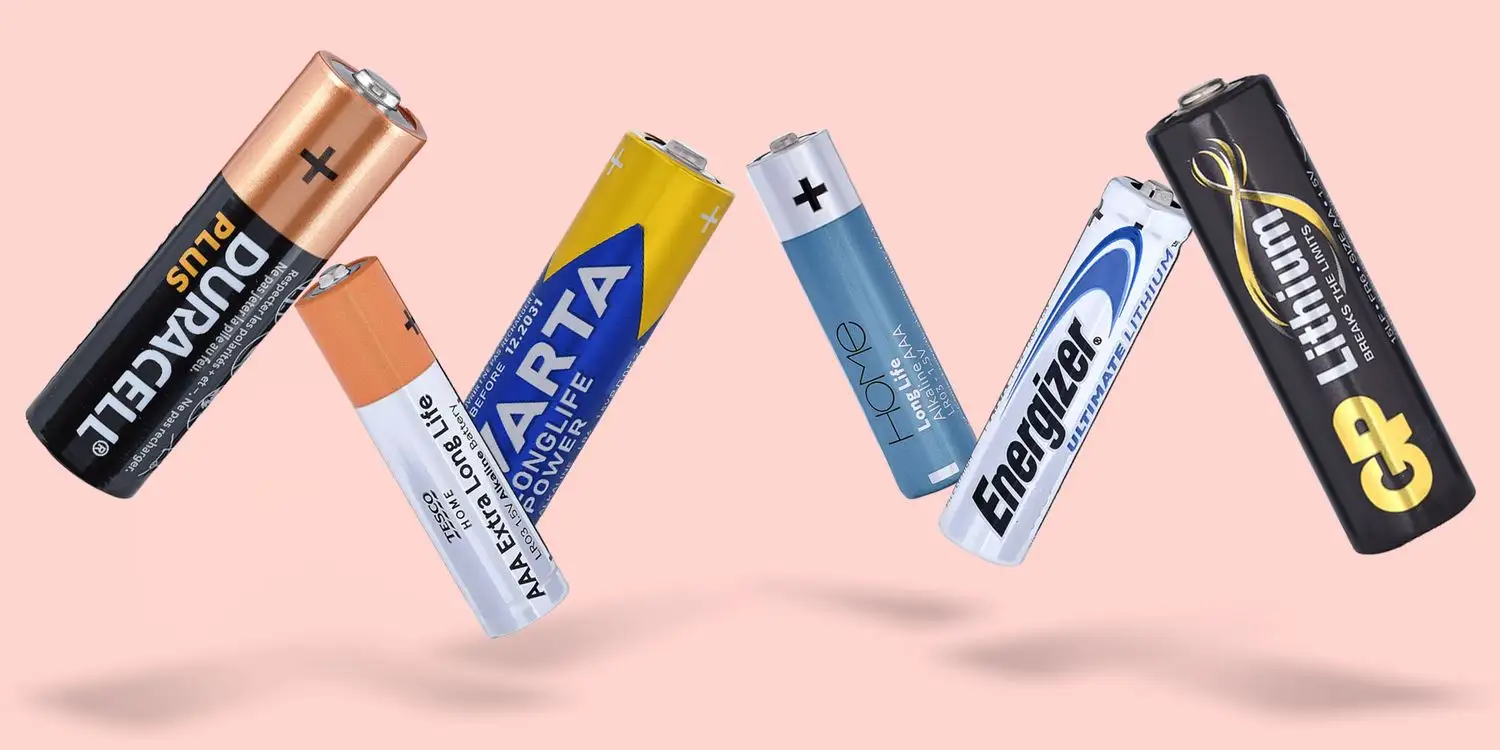
Duracell’s alkaline AA range appears in eBay and Quora comparisons but fails to match lifespan in extreme cold or high drain. NiMH rechargeables, such as Sanyo Eneloop, get praise for eco-friendliness and cost over time but lose appeal in sub-zero environments. Users blend strategies: rechargeable for warm, daily-use items; Energizer lithium for seldom-accessed, critical devices.
Price & Value
As of current eBay listings, standard 8-packs range from $10.99 to $14.99, with bulk 100-packs at $210. Smaller packs are often discounted via brick-and-mortar price matches. Walmart often beats Amazon on legitimate packs, according to buyers, but vigilance against third-party sellers is key.
Outdoor enthusiasts and security system users see long-term value because replacements are infrequent. For casual household gear, the premium offers little incremental benefit.
FAQ
Q: Can these replace alkaline batteries in all devices?
Yes, but performance gains are most noticeable in high-drain or extreme-temperature devices. In some low-drain electronics, the life gain may be modest.
Q: Are they rechargeable?
No. Energizer Ultimate Lithium AA are primary (single-use) cells and cannot be recharged.
Q: How long can they last in Nest Protect smoke detectors?
User reports from Reddit show 2+ years of continuous use before replacement warnings.
Q: Do they work in extreme cold?
Yes. Verified buyers report reliable function down to -40°F, outperforming alkalines and many NiMH rechargeables.
Q: How to avoid counterfeit packs?
Buy from established retailers or Energizer-authorized sellers. Avoid unusual packaging or misshapen cells.
Final Verdict
Buy if you run security cameras, critical sensors, outdoor gear, or medical devices — especially in extreme climates or infrequently accessed locations. Avoid if you mainly need batteries for toys, basic remotes, or warm-weather household items.
Community Pro Tip: Outdoor photographers and hikers advise carrying a spare set only for emergencies — given the long lifespan, most won’t need replacements mid-trip.