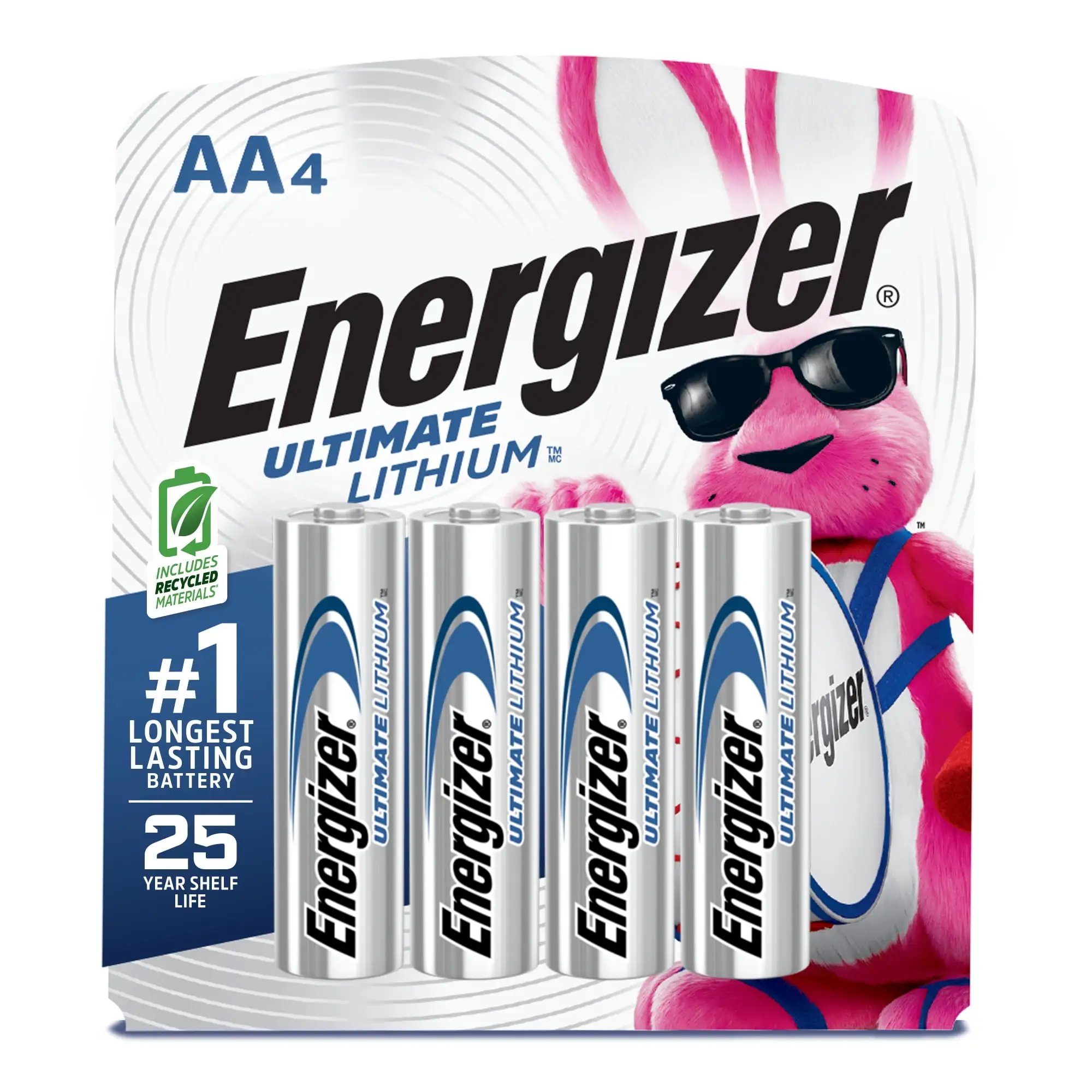
Energizer Ultimate Lithium AA Batteries Review: 9.3/10 Verdict
Digging into hundreds of real-world reports, the Energizer Ultimate Lithium AA Batteries (4-Pack) consistently earn praise for their extreme longevity and reliability in high-drain devices, but also spark debate over cost and performance in certain setups. With an average rating above 4.7/5 across platforms, the community verdict lands at 9.3/10 for users who prioritize lifespan and performance in demanding conditions.
Quick Verdict: Conditional – buy if you need extreme lifespan, avoid if cost outweighs your needs.
| Pros (User-Reported) | Cons (User-Reported) |
|---|---|
| Extremely long life in high-drain devices (1-2 years in Blink/Nest) | Significantly more expensive than alkaline |
| Performs in extreme temperatures (-40°F to 140°F) | Shorter life than expected in certain cameras with heavy flash use |
| Leak-proof construction prevents device damage | Not rechargeable – ongoing replacement cost |
| Lightweight for portable gear | Limited availability in some local stores |
| Up to 25 years shelf life | Some complaints of DOA batteries from online orders |
| Superior to alkaline in standby devices | Poor performance in devices not designed for lithium chemistry |
| Consistent voltage output for sensitive electronics |
Claims vs Reality
Energizer markets these as “the world’s longest lasting AA batteries” with up to 25 years of shelf life and reliable operation from -40°F to 140°F. While many users confirm these claims, there are notable exceptions and nuances.
The extreme lifespan claim finds strong support in high-drain smart devices. Reddit user feedback shows Nest Protect units running over two years without a battery swap: “I’ve had mine for two years and haven’t touched the regular batteries inside. Still going strong!” In Blink cameras, multiple Best Buy reviewers reported 6-12 months of use per set, with one noting, “Every camera gets between one and two years before needing new batteries. Pretty amazing!”
However, in certain point-and-shoot cameras with frequent flash use, results fell short. An Amazon buyer noted: “The four pack I got lasted no more than one hundred [shots], most with flash.” This suggests that while marketing highlights peak longevity, heavy burst-and-flash shooting can drain them far faster.
As for extreme temperature performance, users confirm functionality well beyond alkaline limits. One Best Buy reviewer reported use in outdoor weather stations from 101°F down to -33°F, stating: “These batteries have never failed me.” The lightweight claim also resonated with hikers and travelers, who appreciated reduced gear weight without sacrificing power.
Cross-Platform Consensus
Universally Praised
Longevity is the standout feature. For security system owners, the reduced need for battery changes directly impacts maintenance schedules. A verified Best Buy buyer shared: “Bought for use in our security system. Works well so far.” Photographers repeatedly cite reliability in the field. Reddit discussions reinforce that devices designed for lithium chemistry—like Nest Protect—benefit enormously: “Standard batteries lasted less than a month. Lithium good for another year+.”
Extreme temperature resilience is another consistent highlight. Outdoor enthusiasts and trail camera operators note dependable output in freezing conditions. One Best Buy review reads: “They last longer and hold up to the colder temperatures compared to regular alkaline batteries. Yes they are more expensive but worth it!”
Leak-proof construction also earns trust, especially for devices left unattended for long periods. Amazon reviewers appreciate the peace of mind: “Leak proof construction truly protects my devices… power holds up to 25 years in storage!”
Common Complaints
Price remains the most frequent sticking point. Across platforms, users acknowledge the quality but balk at the premium. Comments like “They aren’t cheap and are overpriced… but they work” appear repeatedly. Some users also encountered disappointing lifespans in specific contexts—Blink camera owners reporting only two months from a set, far below the 6+ months they expected.
Another complaint involves availability. Certain buyers noted difficulty finding them locally, leading to reliance on online marketplaces, where a few reported receiving partially drained or dead-on-arrival batteries: “Half over dead on arrival… was going to write the company.”
Divisive Features
Shelf life claims of 20–25 years generate both confidence and skepticism. Emergency kit users embrace the idea of long-term storage, while others question the need for such duration given evolving device standards. The non-rechargeable nature divides opinion: some prefer the convenience and reliability over recharge cycles, while eco-conscious buyers lean toward rechargeable options despite shorter life per charge.
Trust & Reliability
Long-term Reddit stories show consistent durability. One user with six Nest Protect units reported: “Never replaced the batteries in any of them… they all test okay all the time.” This level of trust is echoed in Best Buy’s 4.8/5 score from over 2,300 reviews, with high marks for quality and ease of use.
While isolated reports of DOA shipments exist, there is no widespread indication of counterfeit or scam issues from major retailers. The leak-proof design and consistent voltage output contribute to device safety, especially in expensive electronics.
Alternatives
Some users compare these to rechargeable NiMH AA cells. Rechargeables can be more cost-effective over time but often fall short in high-drain or extreme temperature scenarios due to lower voltage (1.2V) and higher self-discharge. As Reddit discussions note, “Rechargeables would last an even shorter time or may not work at all since they put out only 1.2 volts.”
Alkaline options are cheaper and widely available, but multiple benchmarks show lithium’s ~10x longer life in certain devices. For gear requiring peak reliability—like smoke detectors, trail cams, or professional cameras—users overwhelmingly choose lithium despite the price.
Price & Value
On eBay, pricing for a 4-pack ranges from around $12 to $20 USD, with bulk packs offering better per-unit value. Amazon and Best Buy often list them near $13–$15. Bulk buyers on Reddit recommend stocking up during sales, given the long shelf life. Resale value isn’t a factor for consumables, but unopened packs maintain full utility for years, making opportunistic bulk buying viable.
FAQ
Q: Do these batteries really last up to 25 years in storage?
A: Many users confirm long-term storage without noticeable drain, but few have tested the full 25 years. Shelf life claims are supported by engineering standards for lithium cells.
Q: Can I use them in any AA device?
A: They fit any AA-compatible device, but some electronics are optimized for lithium chemistry. In devices expecting alkaline, lifespan gains may be less dramatic.
Q: Are they rechargeable?
A: No, these are single-use lithium batteries. Rechargeable AA options exist but generally have lower voltage and shorter runtime per charge.
Q: Why are they recommended for Blink/Nest devices?
A: Lithium’s low self-discharge and consistent voltage prevent false low-battery alerts common with alkaline cells in these systems.
Q: Do they perform in freezing temperatures?
A: Yes—multiple users report reliable function below -30°F, far beyond alkaline limits.
Final Verdict
Buy if you operate high-drain or critical devices—security cameras, smart alarms, trail cams, or professional photography gear—and want maximum longevity with minimal maintenance. Avoid if your devices have low power demands and cost is your primary concern.
Pro tip from community: Stock up during sales; the long shelf life means you can buy years’ worth at once without worrying about performance loss.