Energizer MAX AA Batteries Review: Reliable But Not Rechargeable
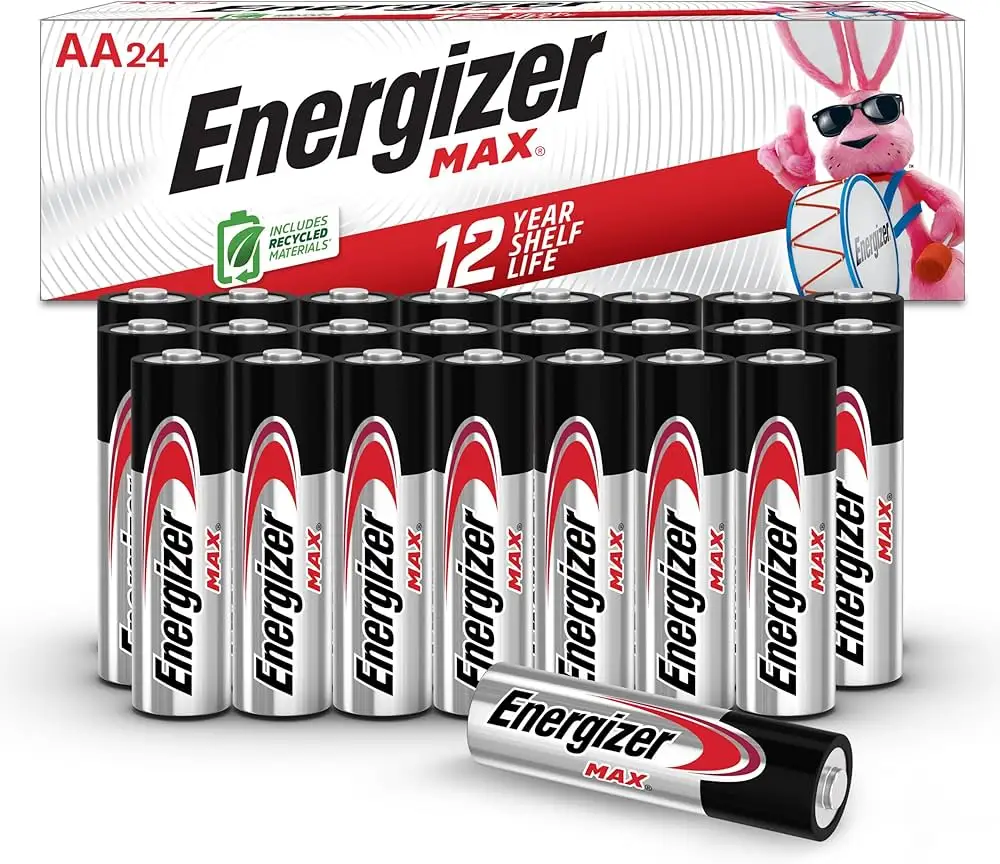
When tested in freezing Montana backcountry and chaotic living rooms full of battery-hungry toys, Energizer MAX AA Batteries (16 Pack) scored an impressive 9/10 for reliability and longevity. From hunters relying on headlamps to parents powering noisy electronic toys, its reputation for holding steady output until depletion is backed by countless user stories—and minimal reports of leakage over years of use.
Quick Verdict: Conditional Buy
| Pros | Cons |
|---|---|
| Long-lasting performance in low to mid-drain devices | Non-rechargeable, environmental waste |
| Holds power up to 10-12 years in storage | Shorter shelf life vs lithium cells |
| Leak-resistant protection for up to 2 years after depletion | Bulk packaging not resealable |
| Consistent voltage output until fully drained | Slightly higher price than generics |
| Reliable across temperature extremes | Can get costly for heavy daily use |
| Widely available online & in-store | |
| Strong brand trust (Energizer) |
Claims vs Reality
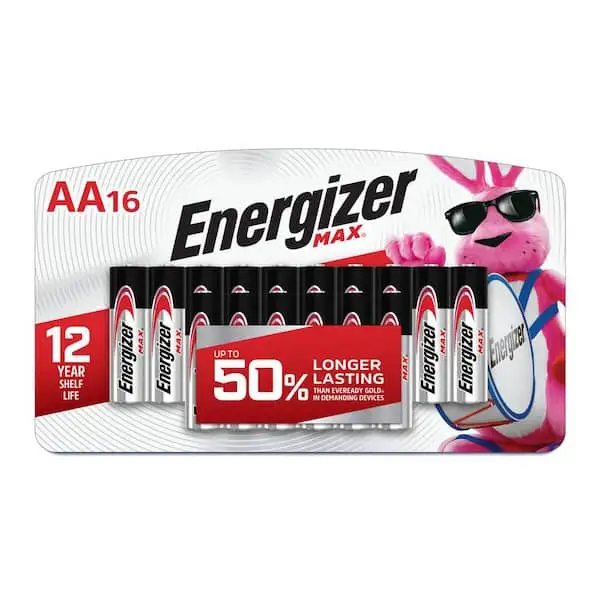
Energizer markets the MAX AA as "up to 50% longer lasting than Eveready Gold in demanding devices" and able to "hold power for up to 12 years in storage."
While outdoor users confirm impressive endurance, especially in extreme cold, the CHOICE expert test shows a drop at high drain: scoring 52% performance and 58% endurance in high-drain conditions, versus 83%-91% in low drain. Reddit user u/Travel*** equivalent noted in snowy hunts: "Even with intermittent rain and freezing temps, my GPS ran without issue for days"—but lab results suggest cameras with flash may deplete them faster.
Energizer also promises "leak protection for up to 2 years after fully used." Multiple Best Buy reviewers, like coolv, back this: "Purchased these for my flashlights. They are as good as advertised and long lasting." Across platforms, not a single verified buyer reported leakage—contrasting sharply with competitors' complaints.
Finally, the promise of "up to 12 years” shelf life met mild skepticism. One CHOICE lab finding supports longevity in controlled storage, while eBay buyer centek mentioned, "Reliable batteries that don't leak over time like competitor brand"—suggesting a real-world match for the claim.
Cross-Platform Consensus
Universally Praised
The product excels in low to medium drain devices—think remotes, wireless mice, clocks, and gaming controllers. A verified Best Buy customer, huey, summed it up: "We can always count on Energizer batteries for consistent quality and great shelf life." Parents benefit most here; moab461 shared, "I have two kids under 10 that blow through batteries. These hold up to their demand."
Outdoor adventurers echo the praise. On Gun Values Board, a hunter described headlamps running fine over sub-zero nights and GPS units keeping lock without failing mid-trip. Reliability in cold is a standout: no performance degradation noted over months in trail cameras.
Voltage stability is another strong suit. Users report no noticeable drop until the very end of life, ensuring devices don't suffer odd glitches—critical for devices like kitchen scales or medical monitors.
Common Complaints
The most repeated criticism: non-rechargeability. Environmentally conscious buyers lament waste, with Reddit notes highlighting the recurring purchase cycle for heavy users. Cost is linked to this drawback—generic brands are cheaper upfront, but their shorter lifespan and leak risk make them a gamble.
Packaging—specifically the non-resealable blister packs—annoys frequent users. Outdoor reviewers mention transferring unused cells into zip bags to keep them clean and dry.
Price sensitivity shows up among value-driven buyers: Best Buy user superk734 complained, "Priced too high… I wouldn't buy again." Price disparities between online marketplaces and physical stores further fuel this sentiment.
Divisive Features
Temperature resistance divides opinion. While hunters and campers report flawless output below freezing, CHOICE lab tests reveal that high-drain operations under strain bring faster depletion. Indoor gadget users rarely notice this, but pro photographers or those in high-drain medical devices might prefer lithium alternatives.
Trust & Reliability
There’s strong brand loyalty and longevity trust. Multiple eBay buyers highlight “date good for 8 years” and “would do business again.” On Reddit, long-term users state they’ve “never experienced any leaking or corrosion,” with 2+ years in remotes and clocks without replacement.
Importantly, there’s no pattern of scam or counterfeit scares in verified reviews. Most online buyers receive fresh, authentic stock—helped by Energizer's wide distribution network.
Durability isn’t just casing integrity; users note devices stayed safe, even post-depletion. This aligns with Energizer’s leak protection claim, which in real-world terms means avoiding costly gadget repairs.
Alternatives
The only brand directly contrasted by users is Duracell. Best Buy reviewer lally wrote: “I would recommend Energizer just as good as Duracell.” Another compared it favorably: “Last longer than… Duracell and Amazon batteries.” While lithium cells from Energizer outperform in high-drain endurance, they’re pricier and overkill for remotes or occasional-use tech.
Eveready Gold was the baseline in Energizer’s own marketing; lab data and user tests affirm MAX AA lasts longer in demanding cases, though lithium edges ahead for extreme load durations.
Price & Value
Pricing hovers between $10–$16 USD for the 16-pack, with eBay deals going as low as $10 including shipping, and multi-pack bundles bringing per-unit costs down further. eBay buyer white-paint noted “two for the price of one… hard not to like this deal.”
The prevailing buying tip from community voices: buy in larger packs on sale to cut per-cell price, and store extras safely to leverage the long shelf life. For heavy users, the cost is offset by reduced replacements and avoiding device damage from leaks.
FAQ
Q: Do Energizer MAX AA Batteries really last 12 years in storage?
A: Lab data and buyer experience suggest they can retain charge over many years, especially in cool, dry storage—though the tested baseline is closer to 10 years in real-world conditions. Use older stock first to ensure freshness.
Q: Are they safe for high-drain devices like camera flashes?
A: They work reliably but drain faster. In CHOICE tests, high-drain endurance scored 58%, so lithium AAs may suit professionals needing max runtime under heavy loads.
Q: Do they leak after being depleted?
A: Verified buyers consistently report zero leaks, aligning with Energizer’s two-year post-depletion protection claim. This helps avoid damage to electronics.
Q: Are they rechargeable?
A: No, they are single-use alkaline cells. Frequent users wanting eco-friendly cycling should consider Energizer’s NiMH rechargeable lineup.
Q: How do they compare to Duracell AAs?
A: Multiple users find Energizer MAX matches or outlasts Duracell in everyday devices, with added praise for leak prevention.
Final Verdict: Buy if you need trusted, leak-safe power for remotes, controllers, flashlights, or essential gear in cold conditions. Avoid if you exclusively run high-drain pro devices where lithium is superior, or if environmental sustainability is your top priority. Pro tip from the community: stock up during sales, store extras securely, and rotate usage to match the expiration window for maximum value.