DYMO Rhino Flexible Nylon Labels Review: Costly Pick (6.5/10)
The loudest “feedback” isn’t about peel strength or print clarity—it’s about cost. One Trustpilot reviewer didn’t mince words, calling the Rhino ecosystem a “complete rip off!!!” and arguing the real hit comes after checkout, in “tco ( total cost of ownership )” over years of tape purchases. That single complaint frames a bigger tension in the available data: DYMO Rhino Industrial Flexible Nylon Labels are marketed as jobsite-tough, but the only actual end-user narrative here centers on price, waste, and hardware durability.
DYMO Rhino Industrial Flexible Nylon Labels verdict: Conditional — 6.5/10
Quick Verdict
For cable and wire labeling, DYMO Rhino Industrial Flexible Nylon Labels look purpose-built on paper: flexible nylon for wrapping, “split backing,” and “thermal transfer printing technology – label text won’t smudge , smear or fade.” But the most detailed real-world account focuses less on performance and more on ownership economics—especially compared with Brother.
| Decision | Data-backed takeaway | Evidence source |
|---|---|---|
| Buy? | Conditional: best if you’re locked into Rhino printers and accept higher tape cost | Trustpilot review narrative |
| Biggest pro | Designed for wire/cable wraps; “has no memory so it stays where you want it” | Amazon (Specs) |
| Biggest con | Tape cost per foot criticized as “highway robbery” vs Brother | Trustpilot |
| Durability risk | Cutter failures reported on Rhino units (“broken cutters”) | Trustpilot |
| Outdoor use | Conflicting guidance: “not recommended for outdoor use” vs claims of UV resistance | Amazon (Specs) vs Dymo site copy |
| Application ease | “easy - to - peel split - back design” emphasized across listings | Amazon (Specs), Dymo pages |
Claims vs Reality
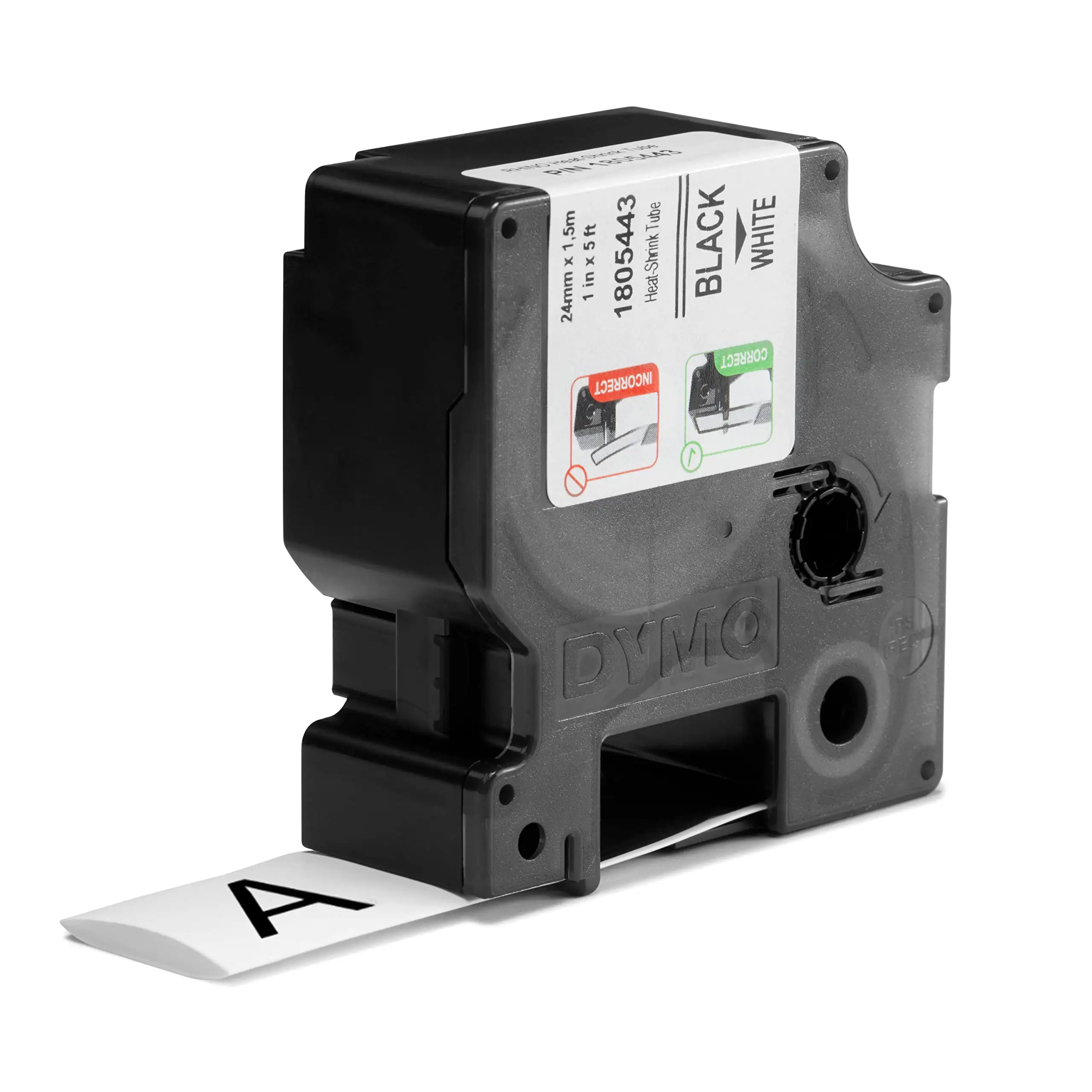
DYMO’s positioning is clear: these are made for hard jobs—wrapping wire and cable, sticking to textured/curved surfaces, and staying readable. Amazon’s spec copy claims the tape is “specifically designed and formulated for wrapping wire and cable,” and that the “flexible structure has no memory so it stays where you want it, without unwrapping and falling off.” DYMO’s product pages reinforce that tone, highlighting “industrial - strength adhesive” and “tear - proof” construction.
Digging deeper into user feedback, though, the strongest real-life narrative doesn’t confirm or deny adhesion performance—it reframes the product through cost and ecosystem constraints. A Trustpilot reviewer says they’ll “assume that this product functions as one would expect” and instead focuses on the economics: “both label printers are extremely wasteful of label tape out of the box,” and DYMO’s supplies pricing becomes the core complaint.
A recurring gap emerges between “tough labels” marketing and the ownership experience. The same reviewer argues DYMO’s Rhino line is “strictly not compatible with any of the dymo home or office labeling products,” which changes the value proposition for anyone hoping one labeler covers both jobsite and office. As they put it: “if one wants to use the rhino to print labels for home and office environments, you are forced to use the overpriced and poorly suited nylon tape or purchase a second dymo ( non - rhino ) label printer !”
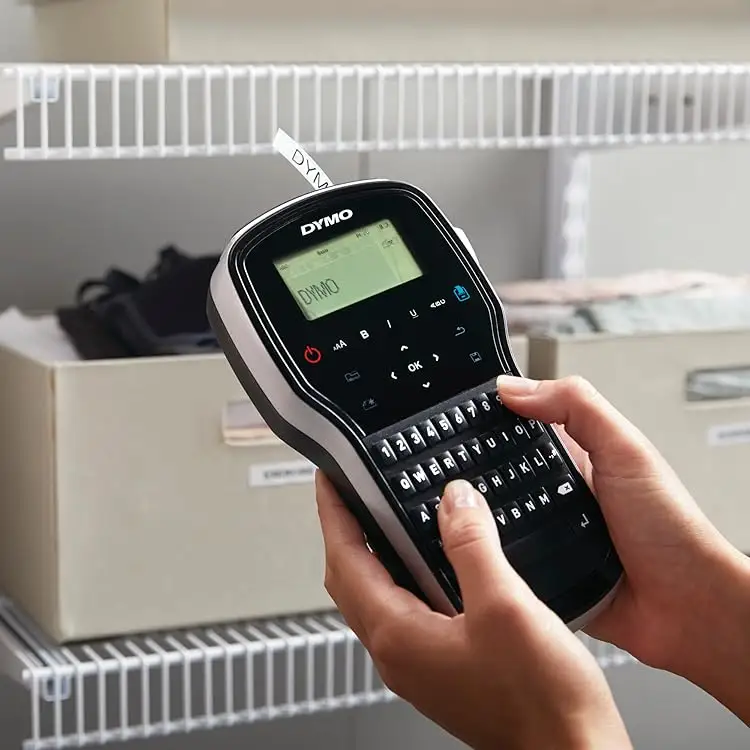
Another contradiction shows up in environmental/outdoor messaging. Amazon specs for the 18488 tape say “not recommended for outdoor use,” while other product descriptions claim adhesives that resist “uv light” and that labels resist “uv light and more.” While officially positioned as indoor-focused in multiple places, the broader marketing language about UV resistance risks confusing buyers who equate “UV resistant” with outdoor suitability.
Cross-Platform Consensus
Universally Praised
The clearest “praise” pattern in the provided sources comes from consistent marketing descriptions across retailers and DYMO’s own pages, rather than independent community stories. Across Amazon listings and DYMO product pages, DYMO Rhino Industrial Flexible Nylon Labels are repeatedly described as purpose-built for wiring and curved surfaces. The Amazon spec language emphasizes wire-wrap behavior: “flexible structure has no memory so it stays where you want it, without unwrapping and falling off.” For electricians and IT installers who need cable wraps that don’t spring back, that “no memory” claim is the entire point of flexible nylon.
Ease of application is another repeated strength in the product copy: “easy - to - peel split - back design makes applying labels quick and easy.” For maintenance teams doing repetitive labeling—patch panels, rack cabling, or conduit runs—split backing is positioned as the workflow feature that reduces fiddling time per label.
Print durability is also positioned as a dependable advantage. Amazon calls out “unique thermal transfer technology puts smear - proof black print on white tape,” and another listing echoes: “label text won't smudge , smear or fade.” For users labeling cables that get handled, tugged, and pulled through tight spaces, the implied benefit is readability over time—especially when labels serve as troubleshooting shortcuts.
That said, these are consistent claims, not corroborated by multiple first-person reports in the provided data. The only detailed end-user narrative does not praise print or adhesive performance directly; it largely “assume[s] that this product functions as one would expect,” which leaves the performance “consensus” grounded more in repeated manufacturer/retailer descriptions than user storytelling.
- Repeated strengths in listings: “no memory” flexible nylon, split backing, smear-resistant thermal transfer text
- Intended best-fit users: electricians, IT/cable installers, facilities/MRO teams labeling curved or textured surfaces
Common Complaints
Cost dominates the complaint landscape in the one detailed user account. The Trustpilot reviewer compares DYMO Rhino nylon tape pricing to Brother’s flexible ID tape and concludes: “the difference in cost is startling.” They quantify it as a per-foot issue: DYMO’s 11.5 feet per cartridge versus Brother’s 26.2 feet, leading them to claim: “the dymo 1 / 2 " tape costs me 2.7x as much as the brother tape. if that 's not highway robbery i don't know what is.”
Waste is part of that frustration. The same reviewer argues both systems waste tape “out of the box,” but claims users can reduce it by learning settings—then still concludes “the p-touch is ultimately more efficient” because “you waste less material per cut.” For high-volume labelers—AV/IT companies, for example—the “recurring” tape cost becomes the main budget line, not the printer itself: “we are an av / it company and print a lot of labels and thus spend much more on the supplies than the actual printers.”
Hardware durability gets pulled into the complaint narrative too. While the product here is the label tape, the Rhino ownership experience includes the tool that dispenses it. The Trustpilot reviewer reports: “we've now owned 2 brother and 3 dymo units and two of the three rhinos now have broken cutters.” They frame it as a possible design issue: “a design flaw in the cutter,” and add a practical sting: “the cutter is part of the unit and cannot be replaced.”
- Main complaint theme: high tape cost per foot versus competitors
- Workflow complaint: tape waste per cut, even if adjustable
- Ecosystem complaint: Rhino-only tape compatibility limits versatility
Divisive Features
Outdoor suitability is where the messaging itself becomes divisive. Amazon specs for DYMO Rhino Industrial Flexible Nylon Labels explicitly say “not recommended for outdoor use,” which would matter for contractors labeling exterior runs, outdoor junction boxes, or equipment exposed to sun. Yet other descriptions claim resistance to “uv light,” and some DYMO pages describe labels as “uv resistant” and “water resistant.” While officially framed as indoor-oriented in multiple places, the broader UV language can suggest a tougher outdoor profile than the “not recommended” note implies.
The Rhino ecosystem lock-in is also divisive depending on the buyer. For teams already standardized on Rhino printers, the “only use rhino industrial tape” requirement may feel normal. But for mixed environments (jobsite + office), the same lock-in becomes a deal-breaker. The Trustpilot reviewer is blunt: Rhino printers “can only use rhino industrial tape,” and nylon labels “don't look right on file folders !” That’s less about technical performance and more about whether the product fits the buyer’s broader labeling habits.
Trust & Reliability
A scam-style pattern isn’t present in the provided Trustpilot content; the available Trustpilot feedback is a single, highly negative review focused on value and durability rather than fraud. The tone is still severe: “Complete RIP OFF!!!” and “complete rip off ! ! !” with repeated emphasis on long-run ownership costs and perceived pricing strategy: “i think this is by design as they really make their money on labels.”
Long-term durability stories from Reddit (“6 months later…” style updates) are not actually present in the provided Reddit section. The included Reddit-community block reads like product page copy (features, temperature range, UL/ROHS) rather than firsthand posts. The only long-horizon reliability claim comes indirectly through that Trustpilot reviewer’s fleet experience: multiple units, field use, and “broken cutters” across two of three Rhinos—presented as a reliability concern for professional teams printing lots of labels.
Alternatives
Only one competitor is explicitly discussed in user feedback: Brother P-touch. The Trustpilot reviewer positions the choice as basically binary: “there are really only two players - brother and dymo.” For cost-sensitive teams printing high volumes, their argument is that Brother wins on tape economics: Brother’s flexible ID tape offers more length per cartridge, and they describe it as “ultimately more efficient.”
They also imply workflow and output flexibility differences: “you can print larger fonts on the smaller sized labels” with P-touch, and waste per cut is lower. For an AV/IT shop labeling hundreds of feet of cable, the takeaway is simple: if consumables cost is your primary constraint, the user story here argues Brother is the safer budget bet.
Price & Value
Current pricing in the provided data varies by channel. One Amazon specs block lists the 18488 at “price : $ 22 . 99,” while another mentions online shopping where “the dymo tape is $ 11 . 80 online” in the Trustpilot reviewer’s cost comparison. Retailers like OfficeCrave show a range (e.g., “as low as $ 19 . 20”), and UK listings show different currency and pricing. The wider point isn’t the exact number—it’s that cartridge length is only 11.5 feet for the 1/2-inch tape, making per-foot cost the value battleground.
Resale/market chatter is thin in the provided eBay section; it includes listings and third-party compatible tape claims rather than sold-price trends. One eBay listing advertises “premium compatible label tape ( not oem )” and specifies: “rhino 5200 , rhino 6000 ( don't compatible with dymo rhino 6000 + ).” For buyers looking to cut supply costs, that kind of compatibility caveat becomes a practical risk—especially if you own newer Rhino models.
Buying tips emerging from the only detailed community narrative are operational rather than transactional: learn printer settings to reduce waste. The Trustpilot reviewer says there are settings that “can dramatically reduce the waste if you read the manual and learn how to properly use the product.” For high-output users, that advice is essentially a cost-control tactic.
FAQ
Q: Are DYMO Rhino flexible nylon labels good for wrapping wires and cables?
A: Yes—at least by design intent. Amazon specs describe them as “specifically designed and formulated for wrapping wire and cable,” and emphasize the flexible structure “has no memory so it stays where you want it.” DYMO product pages also position them for “wires , cables , and rounded surfaces.”
Q: Are these labels outdoor-rated?
A: Not consistently. Amazon specs for the 18488 tape say “not recommended for outdoor use,” but other descriptions mention resistance to “uv light.” While marketing language suggests durability, the explicit “not recommended” guidance points to indoor-focused use unless you have controlled conditions.
Q: What’s the biggest complaint from real users?
A: Cost per foot and total cost of ownership. A Trustpilot reviewer calls it a “complete rip off!!!” and claims “the dymo 1 / 2 " tape costs me 2.7x as much as the brother tape,” arguing the economics outweigh day-to-day performance for high-volume professional labeling.
Q: Do Rhino label makers waste tape?
A: One user says yes, especially by default. The Trustpilot reviewer states: “both label printers are extremely wasteful of label tape out of the box,” but adds that settings can “dramatically reduce the waste” if you learn the device. They still claim Brother is more efficient per cut.
Q: Are Rhino printers locked to Rhino tape cartridges?
A: Yes, according to user feedback. The Trustpilot reviewer says Rhino printers “can only use rhino industrial tape” and are “strictly not compatible with any of the dymo home or office labeling products,” which matters if you want one labeler for both industrial cable wraps and everyday office labels.
Final Verdict
Buy DYMO Rhino Industrial Flexible Nylon Labels if you’re an electrician, IT installer, or facilities tech already standardized on Rhino printers and you specifically need flexible nylon cable wraps with split backing and smear-resistant thermal transfer text. Avoid if you’re cost-sensitive at high volumes or want a single ecosystem for both jobsite and office labeling—one Trustpilot reviewer warns the tape pricing feels like “highway robbery” and emphasizes “tco” over the long run. Pro tip from the community: reduce waste by learning the printer settings—“there are settings that can dramatically reduce the waste if you read the manual.”