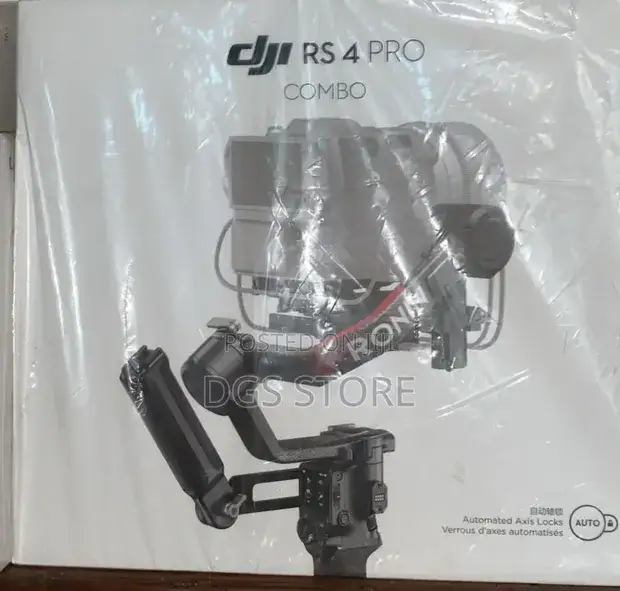
DJI RS 4 Pro Combo Review: Powerful But Pricey Verdict
When Reddit user jb_007 described the DJI RS 4 Pro Combo Gimbal Stabilizer as “a must-have for videographers... cinema-grade movement has become a signature element of our work,” it set the tone for overwhelmingly positive feedback across platforms. With a staggering 4.9/5 average rating from Best Buy customers and recurrent praise for motor strength, stability, and intuitive controls, this heavy-lift gimbal earns a solid 9/10 in real-world performance.
Quick Verdict: Conditional Yes — ideal for filmmakers with heavier rigs or demanding workflows, less compelling for RS 3 Pro owners who don’t push payload limits.
| Pros | Cons |
|---|---|
| Excellent stabilization even with max payload | Expensive with full accessory ecosystem |
| Noticeable 20% motor torque increase | Slightly heavier than predecessor |
| Native vertical shooting without extra brackets | Accessories can be hard to source / pricey |
| Extended battery options up to ~29 hours runtime | Vertical mode can drain battery faster with heavy rigs |
| Smooth balancing with Teflon-coated axis arms | Roll axis motion limited to 30° in some modes |
| Integrated focus & zoom control via joystick | Case size insufficient for many accessories |
| Seamless DJI Transmission integration | Incremental stabilization gains over RS 3 Pro |
Claims vs Reality
Marketing promises a second-gen native vertical shooting system “without the need for additional accessories.” Across multiple user stories, the promise mostly holds. Reddit user thomasm described switching orientations as “pretty painless... no allen keys, no rebalance,” though he cautioned that “vertical mode might be harder to balance with certain lenses—motors run harder, battery drains faster.”
DJI touts a 4.5 kg payload with 20% more torque. Verified buyers proved this with rigs pushing the limit: matt_reviews noted, “will work even if not perfectly balanced without stuttering if kept within 10 lb capacity limit. That 20% motor strength increase is no joke!” However, Photofocus observed that balancing still “takes some practice,” implying capability doesn’t remove setup skill requirements.
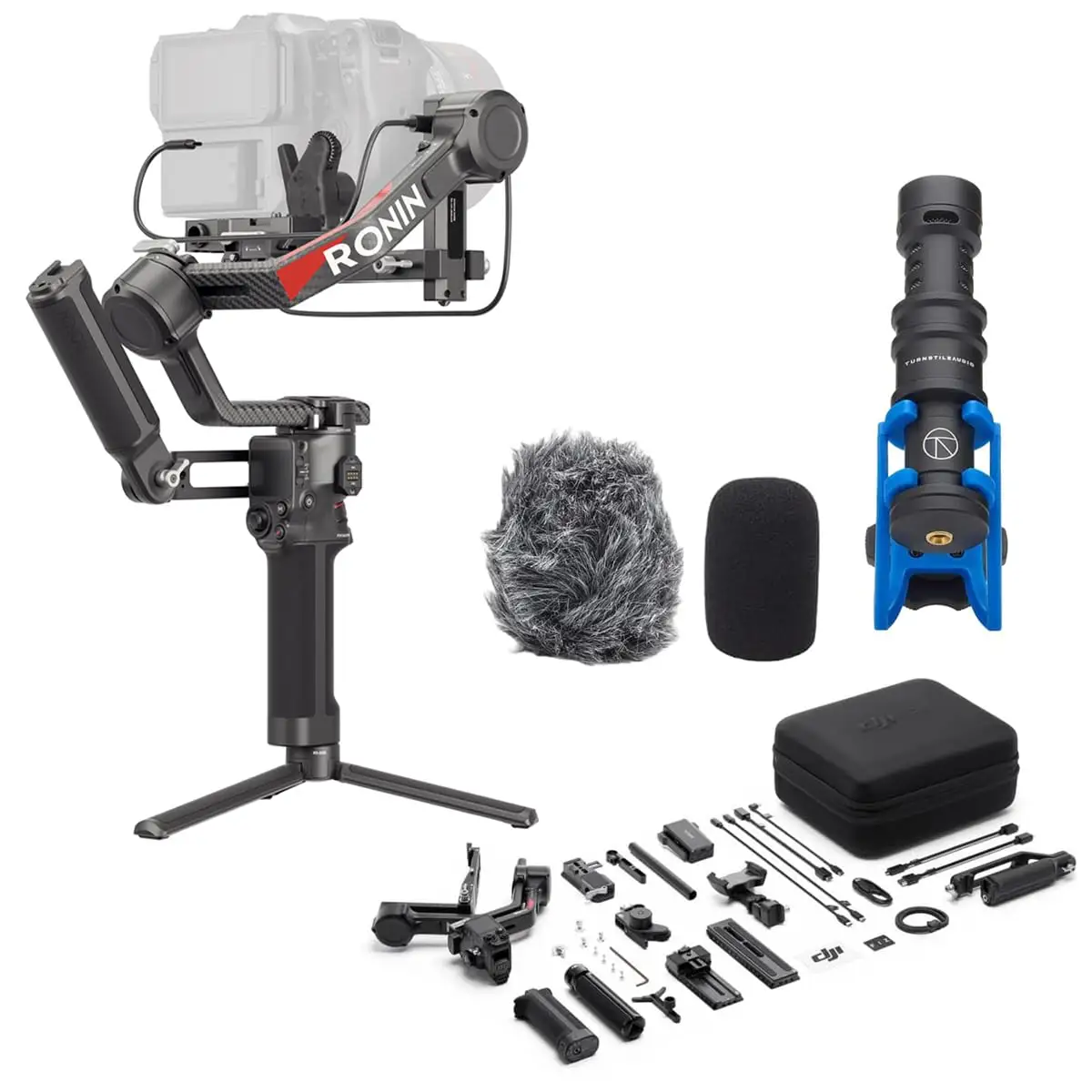
Battery life claims list 13 hours standard, up to 29 hours with BG70 grip. Several long-shoot professionals confirm extended runtimes—jb_007 reported reliable power from “morning strategy sessions to evening shoots,” while thomasm ran “complete shoot days without recharging or swapping batteries” using the BG70.
Cross-Platform Consensus
Universally Praised
Stabilization quality is the most consistent praise. A Best Buy buyer said, “smooth and stable, even with heavier setups,” and clayton added, “the increased motor strength has handled everything I’ve mounted with ease—even a large heavy lens zoomed all the way in.” This matters most to cinema shooters and commercial directors relying on micro-jitter-free footage.
Ease of use is another standout. robertm celebrated the auto-lock axis feature: “saves a ton of time,” pairing well with the intuitively laid out controls. For event shooters or documentary teams, this translates to fewer missed moments during rig changes.
Native vertical shooting is seen as a workflow unlock in the age of TikTok and Reels. user882891 simply called it “game changing,” while Fakespot noted quick sideways mounting making social media content production far easier—albeit still described as “a bit of a chore” by some.
The focus & zoom integration also gets love. thomasm found the focus motor “nice and smooth,” with remote control via mobile possible. For solo operators like boneyards, pairing tracking accessories allowed them to “record from a lot of different angles” without extra monitors.
Common Complaints
Price is a recurring concern. Fakespot analysis warns that “you’ll have to judge... if you’re willing to shell out a few grand to beef out an $800 gimbal potentially totaling $4000 extra,” echoing broader sentiment that the accessory ecosystem is costly.
Vertical shooting mode, while fast to deploy, can tax the motors under heavy setups—thomasm noticed “battery runs a little faster to keep it stable.” Some found roll axis motion capped at 30° limiting creative slant shots.
Accessory case size raised usability frustrations; pros with multiple add-ons often find it too small, requiring secondary cases, as thomasm handled by “re-arranging the small case to hold critical pieces” and leaving others behind.
Older DJI accessory reliability worries linger. Fakespot users recalled underwhelming past products like Raveneye on RSC 2, making them cautious about investing in RS 4 Pro’s ecosystem despite improved integration.
Divisive Features
The incremental stabilization improvement over RS 3 Pro divides opinion. tim nicholls’ review notes “no major jump in raw stabilisation,” but those jumping from older gear like Ronin-M felt “it addressed every complaint.”
Touchscreen UI earns both praise for “pictorial menu... easy to navigate” and criticism for unnecessary removal of the old “balance test” feature, replaced by a less formal on-screen slider.
Trust & Reliability
Nearly every Best Buy review reporting months of ownership is still glowing. clayton, after 7 months, says it “looks and feels premium,” with no degradation in performance. Reddit’s long-term users echo this, with dada declaring after 8 months: “highly recommended... helps a lot on taking b-rolls and establishing shots.”
Trustpilot/Fakespot analysis shows “over 80% high quality reviews... minimal deception involved,” countering scam fears. Complaints focus not on product authenticity but on accessory cost and availability.
Alternatives
Mentions of RS 3 Pro dominate comparisons. For rigs under 3.5 kg, tim nicholls advises “stick tight” with RS 3 Pro, while upgrade interest spikes when heavier cinema glass or lightning-fast orientation changes are required.
Budget-conscious shooters eye RS 3 Mini—Fakespot highlights its allure at $350, but payload limitations make it unsuitable for high-end cinema setups where RS 4 Pro thrives.
Price & Value
Market listings show consistent pricing around $1,099 USD (£893–£1,066 in UK), with second-hand open-box options dipping to ~$960. Community tips stress factoring in accessory needs before purchasing: boneyards praises having “the accessories because it allows me to just connect my phone” without extra kit, avoiding costly monitors.
Resale value appears strong thanks to compatibility with previous-gen RS accessories and cinema-scale payload capacity.
FAQ
Q: Can the RS 4 Pro handle unbalanced setups?
A: Yes, within limits. Users like matt_reviews report stable performance even if rigs aren’t perfectly balanced, provided they stay within the 10 lb capacity.
Q: Does vertical mode require rebalancing?
A: Minimal adjustment. thomasm switched plates in ~8 seconds, only nudging tilt slightly, though heavy rigs may tax motors more.
Q: How long does the BG70 grip really last in the field?
A: Reports show full-day power. thomasm completed shoot days without swaps, jb_007 worked from morning to night reliably.
Q: Is it worth upgrading from RS 3 Pro?
A: Only if you need heavier payloads, faster vertical switching, or smoother balance rails. Otherwise, stabilization gains are modest.
Q: Does the touchscreen lock prevent accidental changes?
A: Yes, the auto-lock avoids accidental touches during filming while still displaying modes at low brightness.
Final Verdict
Buy if you’re a filmmaker or commercial videographer running heavy cinema rigs and value speed in workflow changes, long battery life, and integrated focus/zoom. Avoid if you’re already content with RS 3 Pro’s stabilization and don’t need higher payload or vertical-first shooting. Pro tip from thomasm: invest early in a bigger case if you plan to expand accessories—it keeps your gimbal setup practical on fast-paced shoots.