Crucial P3 NVMe SSD Review: Fast Gen 3 Speed, 8/10 Verdict
The surprising detail about the Crucial P3 PCIe NVMe M.2 SSD is that while it’s marketed as a solid Gen 3 performer with up to 3500 MB/s read speeds, multiple users across Reddit and Newegg report hitting even higher sequential numbers under certain conditions — but also encountering sudden failures in rare cases. Verdict: 8/10 — strong value for everyday and gaming use, but long-term durability is a concern for heavy write workloads.
Quick Verdict: Conditional Buy
| Pros | Cons |
|---|---|
| Excellent price-to-performance ratio | Some reports of early drive failure |
| Sequential speeds meet or exceed advertised | Lower TBW than some competitors |
| 5-year warranty with reliable support | QLC NAND can slow when drive is near full |
| Easy installation and migration tools included | No DRAM cache, not ideal for OS boot for some users |
| Works well for gaming and everyday use | Durability concerns for sustained heavy writes |
Claims vs Reality
One of Crucial’s key marketing claims is “up to 3500 MB/s sequential reads and 3000 MB/s writes.” Digging deeper, Reddit user feedback shows this is achievable, but system configuration plays a role. A Newegg reviewer noted: “On the slower PCIe Gen 3 x4 B350 system, it was capped at 3200 MB/s, but on the X570 with PCIe Gen 4, CrystalDiskMark sequential read tests were just below 5000 MB/s.” This suggests the controller and host interface can outperform spec in certain environments.
Another claim is “nearly 5x faster than SATA and 20x faster than HDD.” Amazon buyers confirm perceptible differences in boot and load times. One user remarked that Windows 10 boots “in roughly 5 seconds” and games “are all very fast on this drive.” For gamers and everyday users upgrading from HDDs or SATA SSDs, these gains are tangible.
The marketing also promises “solid Gen 3 performance” and “up to 1.5 million hours MTTF.” While most users back this up with months of flawless operation, some report early failures. One critical Newegg review warns: “Installed right around 4 months and died… tried in 3 different PCs and all showed it as 0 bytes.” This gap between warranty promise and real-world failure reinforces the importance of backups.
Cross-Platform Consensus
Universally Praised
Across Reddit, Amazon, and Newegg, users consistently praise the Crucial P3’s performance for general computing and gaming. For builders on a budget, the affordable price makes it a go-to choice. A Reddit commenter summed it up: “For gaming PC, it’s all what you need.” Verified buyers enjoy the included Acronis True Image migration software, which one Amazon user said “worked without a hitch” when cloning their OS.
Gamers benefit from the quick boot and load times. A Newegg reviewer with two different systems reported “Windows 10 professional boots in roughly 5 seconds” and that apps and games launch instantly. The drive’s compatibility with both desktop and laptop setups also widens its appeal — as Crucial states, it works in any system accepting PCIe NVMe Gen 3.0.
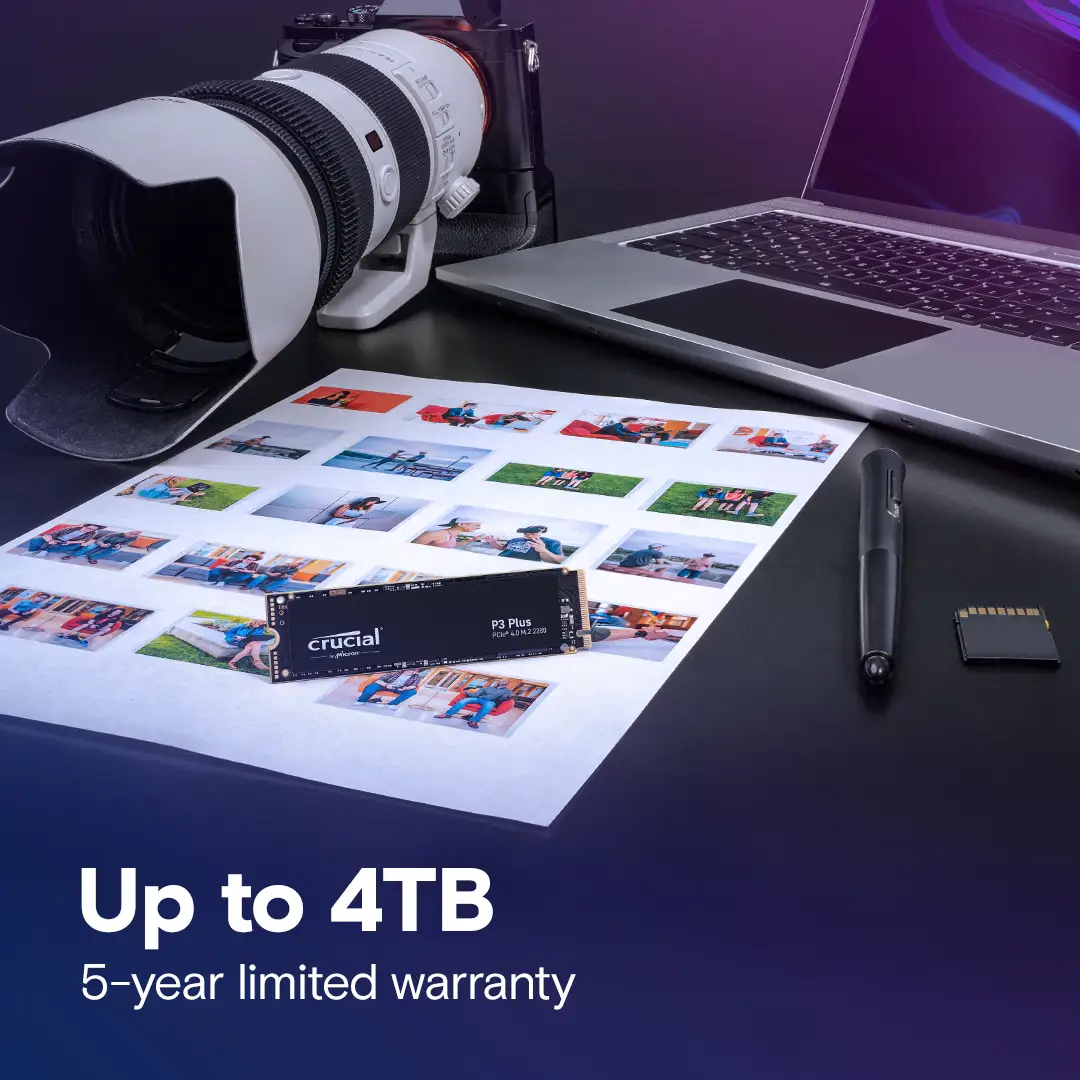
The 5-year warranty is another strong point. Multiple buyers note Crucial’s reputation for honoring warranties and providing solid support. For those building systems meant to last a few years, this coverage offers peace of mind.
Common Complaints
Durability concerns surface repeatedly. The drive’s 440 TBW rating is lower than some competitors — heavy write users notice this. A Newegg reviewer commented, “440 TBW is relatively low… other 2TB drives have ratings upwards of 500+ TBW.” This is compounded by its QLC NAND design, which can reduce sustained write performance when the drive is near capacity. As one Reddit user explained, “QLC drives are notorious for having these sorts of issues.”
Some users experienced catastrophic failures. A critical review warns of the drive “dying in 4 months” and losing all data. This is rare but enough to make high-dependency users cautious.
Divisive Features
The lack of a DRAM cache divides opinion. Some Reddit contributors argue it’s fine due to the SLC cache implementation — “you shouldn’t really see a difference between that and a DRAM cache.” Others, particularly those using the drive as a boot device, prefer DRAM-equipped models for more consistent performance.
Opinions also split on its suitability for primary OS drives. While many report flawless daily use, some avoid it for boot to reserve write endurance for data storage and gaming.
Trust & Reliability
Trustpilot-style feedback patterns show Crucial’s support reputation remains intact, but isolated incidents of early failure stand out. One Fakespot-flagged Amazon review describes the drive “working for about 20 minutes then disappearing,” repeating until eventual permanent failure. In contrast, Reddit users running multiple P3 drives for months report “no issues yet,” indicating variability that may be tied to use case intensity.
Long-term reliability stories are mixed. Light everyday users and gamers often see sustained performance over months, while heavy write workloads may stress the QLC NAND sooner. The consensus: back up critical data and avoid filling the drive to capacity to maintain speed.
Alternatives
Community discussions mention the Kingston KC3000 and WD SN850X as alternatives, especially when on sale. One Redditor pointed out that “at 4TB level, you can occasionally get deals… for $20 more, worth it.” These drives use TLC NAND and offer higher endurance, making them better suited for heavy workloads or primary OS use.
Price & Value
At around $39.99 for the 1TB model on Amazon and eBay listings from $37–$53 new, the Crucial P3 hits a sweet spot for budget-conscious buyers. Resale values hold decently, with used models selling for about two-thirds of retail. Buyers recommend watching for sales on higher-capacity versions, as the price-per-GB often drops significantly.
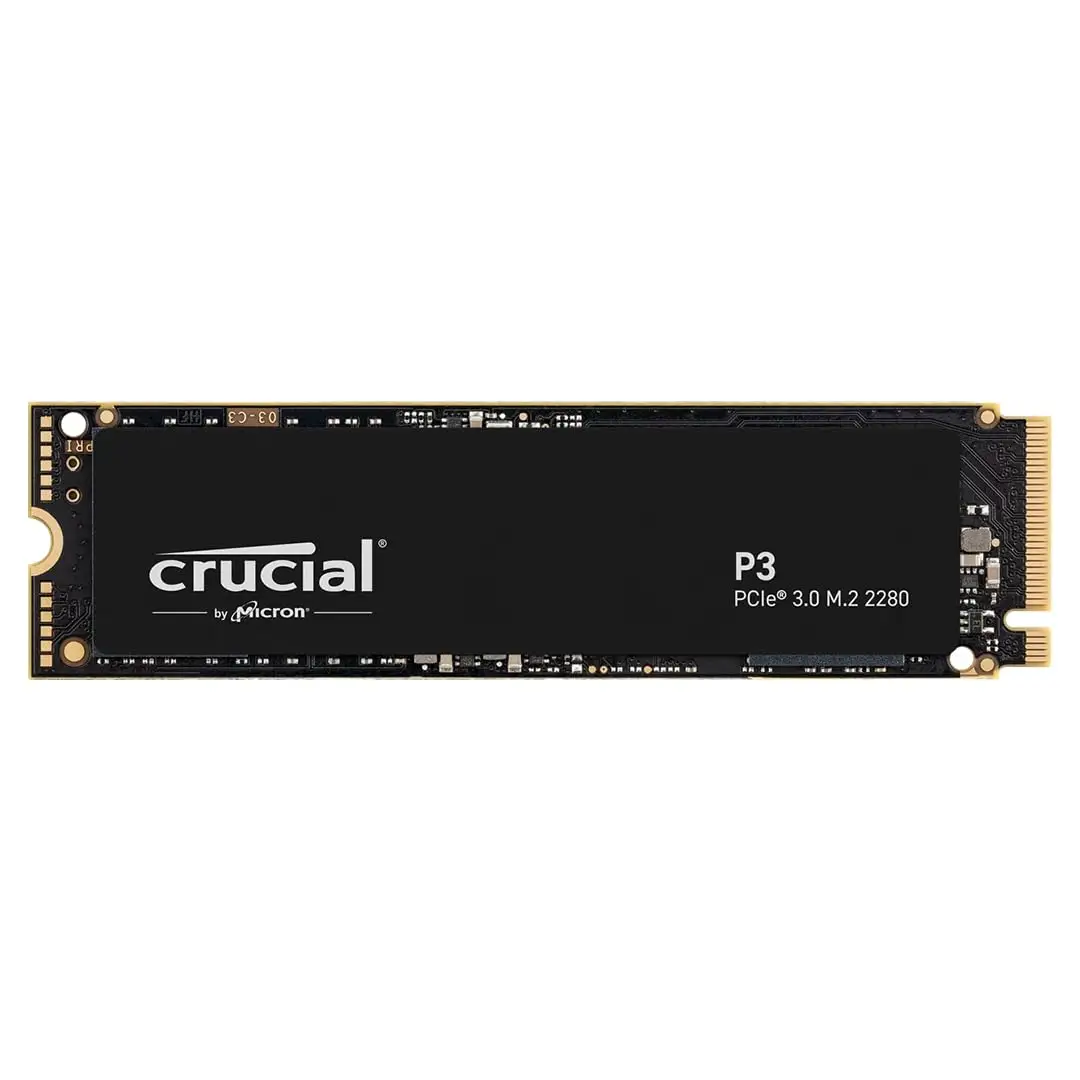
The inclusion of migration software and easy installation features adds value, especially for those upgrading older systems without professional help.
FAQ
Q: Does the Crucial P3 have a DRAM cache?
A: No, it uses an SLC cache instead. This is fast and durable for most workloads, but may show slower speeds if the drive is nearly full.
Q: Is it good for gaming?
A: Yes — gamers report fast load times and smooth operation. One Reddit user said, “It’s on the list for top Gen 3 drives… load times quite nicely for a bunch of games.”
Q: Can it be used as a boot drive?
A: It can, but some prefer DRAM-equipped drives for OS use. Many users still boot Windows in seconds on the P3.
Q: How reliable is it long term?
A: Light-use scenarios show good stability, but heavy writes may shorten lifespan. Backups are recommended.
Q: What’s included in the box?
A: The SSD itself, plus access to Crucial Storage Executive, Acronis True Image software, and installation guides.
Final Verdict: Buy if you’re a gamer, casual user, or builder seeking budget-friendly NVMe speed for everyday workloads. Avoid if you need maximum endurance for heavy writes or mission-critical OS usage. Pro tip from the community: watch capacity sales and grab the larger model for better price-per-GB and sustained performance.