Asurion Toy Accident Protection Plan Review: 7.4/10
“They deny my claim… Asurion is nothing but a grab n go scam,” wrote an Amazon reviewer—while another verified buyer insisted the exact opposite: “This plan was worth every penny!” That whiplash is the story of the ASURION Toy Accident Protection Plan: when it works, people sound relieved; when it doesn’t, they sound furious. Verdict: Conditional buy — 7.4/10.
Quick Verdict
Yes/No/Conditional: Conditional — best for break-prone toys (RC cars, drones) and households that actually file claims; risky if you hate admin friction or worry about eligibility/“normal use” disputes.
| What users focus on | What they say | Who it matters to | Sources |
|---|---|---|---|
| Fast reimbursements (when approved) | “resolved within minutes with a full refund” | Parents replacing kids’ toys fast | Amazon reviews |
| Easy claim flow (for some) | “extremely easy and fast” | Busy buyers who want a quick online path | Amazon reviews |
| Missing/unclear plan records | “they had no record of my plan” | Anyone who needs proof at claim time | |
| Denials/delay perceptions | “denying and delaying to avoid coverage” | People expecting instant coverage | |
| Value skepticism | “waste of money” / “feels like a scam” | Buyers who never successfully claim | ReviewIndex/Fakespot summaries |
Claims vs Reality
Amazon’s plan description emphasizes a frictionless promise: “you pay nothing for repairs – parts, labor, and shipping included,” and “most claims approved within minutes,” with reimbursement via “an Amazon e-gift card for the purchase price” if repair isn’t possible (Amazon product description). On paper, that reads like a straightforward safety net for expensive toys and electronics-like gadgets.
Digging deeper into user reports, that “approved within minutes” message does match some real stories—especially when the item is clearly broken and the user can submit the right documentation quickly. A verified Amazon reviewer described a fast refund after an RC car issue: “purchased a rc csr for our grandson… made a claim and it was resolved within minutes with a full refund.” Another verified buyer echoed the speed: “so easy to fill and they refunded the money on a gift card instantly” (Amazon customer reviews).
But the same “easy claims” positioning collides with accounts of plan confusion and administrative dead ends. Reddit user u/kjto*** said: “I’ve had a laptop (about $250) and when I called they had no record of my plan even though I could see it on my account.” And Reddit user u/lfn673*** alleged a drawn-out denial mindset: “after two hours on a chat… the company has a clear agenda of denying and delaying to avoid coverage” (Reddit thread).
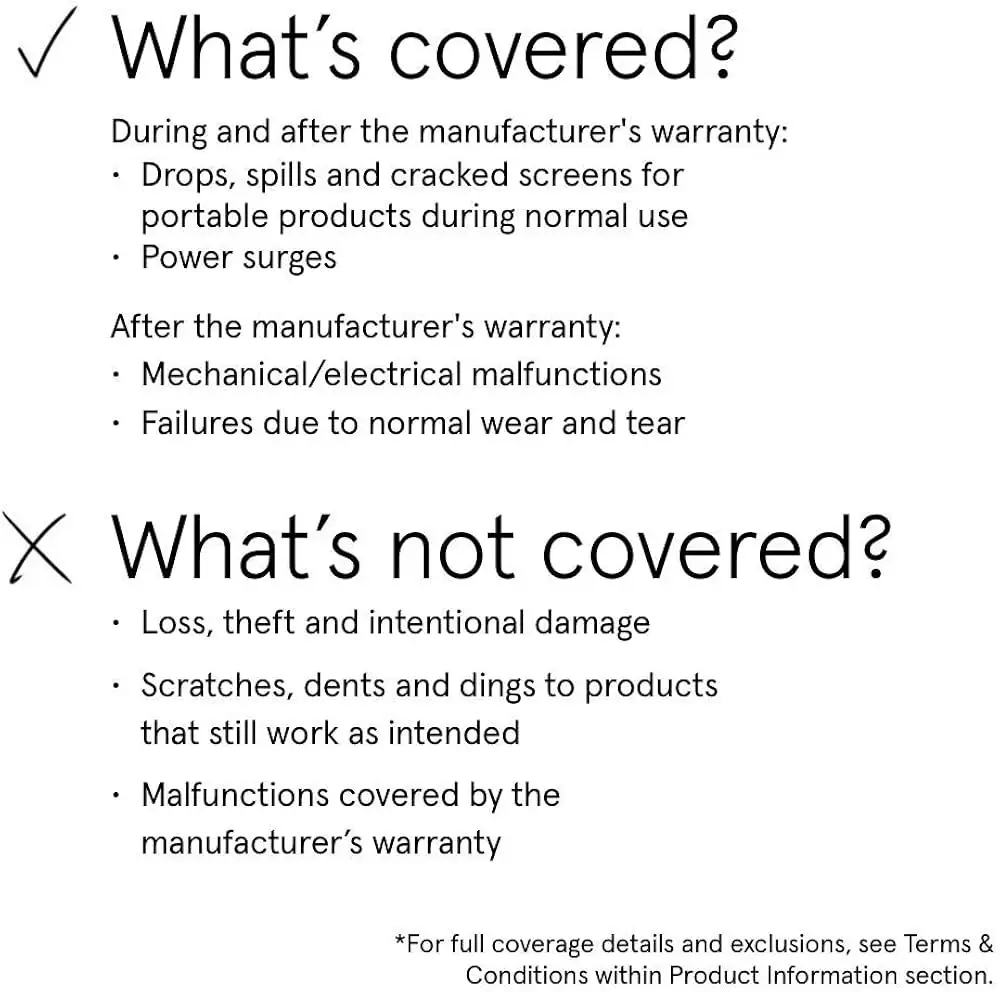
Where the gap widens most is around boundaries—what counts as covered use, and what triggers a denial. In the same Reddit discussion, one commenter warned that using indoor cameras outside can fall outside “normal use,” saying: “generally using an indoor product outdoors means it falls outside of normal use” (Reddit). While Amazon’s description highlights drops, spills, and cracked screens “due to normal use” (Amazon product description), community talk suggests “normal use” can become the fault line when people assume coverage is broader than it is.
Cross-Platform Consensus
Universally Praised
The clearest praise shows up when a claim leads to an uncomplicated replacement or reimbursement, especially for toys that predictably crash, snap, or short out. For parents buying RC cars and drones for kids, the plan is frequently framed as a way to avoid a second full-price purchase after an inevitable accident. A verified Amazon reviewer urged others to get it after a nephew’s RC car broke: “This plan was worth every penny!… once they received the broken car… I was sent… a gift card to Amazon for the amount of my initial purchase… I highly recommend!!!” (Amazon customer reviews). For that buyer, the “send it in → get paid back” flow matched the marketing narrative almost perfectly.
A recurring pattern emerged: people who successfully used the plan often describe the customer interaction as low-friction and emotionally reassuring—especially for break-prone hobby gear. Another verified buyer said Asurion “really didn’t ask any questions and sent me an Amazon gift card” after drone motors failed, concluding: “now no matter how small or big… if I am offered Asurion protection I take it!!” (Amazon customer reviews). For drone owners—where repairs can be complicated and parts expensive—the appeal isn’t just coverage; it’s the simplicity of converting a failure into a refund code.
Speed is the other repeated theme. Several stories revolve around quick turnaround once the claim is accepted. A verified buyer noted: “quick and easy to put in claim online. got a full refund on a toy that stopped working” (Amazon customer reviews). And Reddit user u/ls8rc*** shared a similarly blunt win: “when it stopped working just over a year later they refunded me the entire amount on my amazon gift card balance” (Reddit thread). For households juggling birthdays, holidays, and disappointed kids, “fast credit” reads like the feature that matters.
After those narratives, the praise tends to condense into a simple mental model: “send proof, ship it back, get a gift card.” A verified Amazon reviewer described an accidental destruction scenario: “we filled out the form online, shipped back the parts and got a full credit. could not have been easier” (Amazon customer reviews). In these best-case stories, the plan functions less like “repair insurance” and more like “refund insurance.”
- Best-loved outcome: quick Amazon gift card reimbursement (Amazon reviews, Reddit).
- Most praised workflow: online filing + prepaid label + refund after receipt (Amazon reviews).
- Strongest fit: RC cars, drones, helicopters—things that “break easy” (Amazon reviews).
Common Complaints
The strongest complaints cluster around friction: trouble locating the plan, trouble filing, or feeling stonewalled. TheReviewIndex summary quotes the kind of moment that turns a protection plan into panic: “when the headphones broke, i tried to pull up the plan but could not” (TheReviewIndex review analysis). That experience matters most to buyers who assumed the plan would be instantly accessible at claim time—because the value proposition collapses if the coverage can’t be found.
Delay is the next recurring allegation. TheReviewIndex excerpt includes: “the toy broke right away… and it took months to get everything lined up” (TheReviewIndex). Whether that “months” reflects back-and-forth paperwork, eligibility questions, or shipping logistics, the emotional takeaway is clear: people buy these plans to avoid hassle, not add to it.
Suspicion escalates quickly when delays or denials show up. The same analysis includes the blunt accusation: “feels like a scam” (TheReviewIndex). On Reddit, the tone gets even more specific about intent. Reddit user u/lfn673*** said: “the company has a clear agenda of denying and delaying to avoid coverage” (Reddit). Fakespot’s excerpted complaint frames friction as deliberate: “is the friction purposeful to make people give up? they make up a reason to not pay… been trying for 2 days” (Fakespot page).
Another pain point is plan/communication visibility. One Amazon reviewer complained: “i have never received the protection plan or an email with that… very disappointed” (Amazon customer reviews). For users who are already anxious about whether the plan is real, missing confirmation or unclear documentation becomes the seed of distrust.
- Most repeated frustration: finding the plan/starting a claim is “difficult” (TheReviewIndex).
- Worst-case timeline: “took months” to finalize (TheReviewIndex).
- Trust failure trigger: denial + vague reasoning = “scam” language (Amazon reviews, Reddit, Fakespot excerpts).
Divisive Features
The plan’s promise of “easy claims” is polarizing because it seems highly sensitive to the scenario. Some users describe near-instant resolution; others describe long chats, escalations, or dead ends. An Amazon reviewer on a higher-priced tier noted: “first claim reps… seemed like they were trying find a reason to deny claim. escalated to manager and it was promptly resolved” (Amazon customer reviews). That story lands in the middle: the system eventually paid out, but only after the user pushed.
Another divisive line is what counts as acceptable “normal use.” In the Reddit discussion about indoor cameras used outdoors, one commenter cautioned: “generally using an indoor product outdoors means it falls outside of normal use” (Reddit). For buyers who stretch a product beyond its intended environment, that boundary can turn into a coverage dispute—even if the device is technically still under a roof.
Finally, there’s a philosophical divide about extended warranties in general. Reddit user u/k5epn*** argued: “these ‘insurance’ plans are very rarely worth it… and commonly deny coverage due to nebulous terms” (Reddit). Meanwhile, Reddit user u/kdhuth*** took the opposite stance after multiple claims: “we have made three claims and they were paid immediately… totally worth it to us” (Reddit). The same plan reads either like an essential safety net or a bad bet, depending on whether the user’s experiences land on the “paid quickly” side or the “fought for it” side.

Trust & Reliability
Scam concerns show up repeatedly in the summarized review-analysis sources, where users describe friction, difficulty locating the plan, and slow processes as evidence of bad faith. TheReviewIndex excerpt uses the blunt verdict: “feels like a scam,” while price-focused complaints get harsher: “first time bought insurance for a toy… waste of money because there’s no one to honor the insurance” (TheReviewIndex review analysis). Fakespot’s excerpted criticism goes further by attributing motive: “is the friction purposeful to make people give up?” (Fakespot page).
At the same time, long-lived positive stories exist—but they’re framed around claims outcomes, not “durability” in the usual product sense, because this is a service. Reddit user u/ls8rc*** described a time-based win: “just over a year later they refunded me,” and Reddit user u/ksae2*** said: “definitely not a scam” after a refund on a leaking tent (Reddit). The reliability question, in user language, isn’t “Will the plan last?”—it’s “Will the plan be findable and honored when I need it?”
Alternatives
Only one direct competitor is named in the data: DJI’s own protection. An Amazon reviewer who felt denied recommended switching: “go with dji care refresh” and claimed: “they deny my claim” (Amazon customer reviews). For drone buyers, that signals a practical alternative strategy: use manufacturer-specific coverage rather than a general retailer plan, especially if you expect gray-area claims about crashes, connectivity, or “normal use.”
On the other hand, multiple positive Asurion stories involve drones specifically—water submersion, hard landings, broken propellers—where users describe receiving shipping labels and eventual replacement credit. One Amazon reviewer said: “drone hit a branch… landed in the water… within a week… we received a gift card to amazon to replace the drone” (Amazon customer reviews). So the alternative decision, based on user feedback, often hinges on which ecosystem you trust more: brand-specific drone coverage versus a general claims pipeline that may reimburse via Amazon credit.
Price & Value
Official Amazon messaging frames value as “no additional cost” at claim time—“you pay $0 for repairs” including shipping (Amazon product description). For buyers who successfully claim, the plan price reads like a small “entry fee” to avoid a full repurchase. A verified buyer even described a kind of “rental” mindset after replacement and refund: “they replaced the item once, it broke again, they gave me a refund… for two months renting it for the cost of protection” (Amazon customer reviews). For parents of kids who crash RC cars and drones, that story illustrates how the plan can pay off quickly.
But value flips hard for anyone who can’t access or redeem the coverage. TheReviewIndex’s price sentiment is consistently negative, quoting complaints like: “waste of money” and “total waste of money” (TheReviewIndex). Reddit skepticism also frames these plans as structurally unfavorable: Reddit user u/k5epn*** said they “very rarely worth it” and cited “nebulous terms” as the denial lever (Reddit).
Community “buying tips” show up implicitly in how people talk about which items deserve coverage. One Reddit commenter tied the plan’s usefulness to household reality: “having multiple school aged kids has changed my opinion… i have them on every one of their phones and tablets” (Reddit). Translating that to toys: if the user expects frequent breakage, the plan is treated as rational. If the toy is durable or rarely used, people view the plan as dead money.

FAQ
Q: Is the ASURION Toy Accident Protection Plan actually easy to use?
A: Conditional. Some verified Amazon buyers said the process was “extremely easy and fast” and “resolved within minutes with a full refund.” Others reported difficulty locating coverage—TheReviewIndex quotes: “when the headphones broke, i tried to pull up the plan but could not.”
Q: Do people really get refunded, or is it mostly denials?
A: Both outcomes appear. Verified buyers described full reimbursements via Amazon credit, like: “refunded the money on a gift card instantly.” But denial experiences exist too—one Amazon reviewer wrote: “they deny my claim,” and Reddit user u/lfn673*** alleged “denying and delaying to avoid coverage.”
Q: What toys/items seem to benefit most from the plan?
A: Break-prone, crash-prone items. Many positive stories center on RC cars, drones, and helicopters. A verified buyer wrote, “would do again for something that i think could break easy like a drone,” and another reported getting “a full credit when my son’s rc was accidentally destroyed” (Amazon reviews).
Q: What’s the biggest risk buyers mention?
A: Administrative and eligibility friction. Users described trouble pulling up coverage, long timelines (“took months”), and feeling pressured by process. Reddit user u/kjto*** said Asurion “had no record of my plan,” and a Fakespot excerpt asks, “is the friction purposeful to make people give up?”
Q: Is there a better alternative for drones?
A: Some users explicitly recommend DJI’s plan. An Amazon reviewer advised: “go with dji care refresh” after a denied claim. However, other drone owners reported successful Asurion outcomes, including replacements after water damage and hard landings (Amazon reviews).
Final Verdict
Buy the ASURION Toy Accident Protection Plan if you’re protecting crash-prone toys (RC cars, drones) for kids or frequent use and you’re willing to document issues and follow the claim steps—because multiple verified buyers describe fast refunds like “resolved within minutes with a full refund.” Avoid it if you’re allergic to claim friction or fear plan-tracking issues, since some users say they “could not” pull up the plan or felt the process “denying and delaying.” Pro tip from the community: keep your purchase and plan details handy, because the worst complaints start when a broken toy meets missing paperwork.