Amazfit Helio Strap Review: Reliable Fitness Tracking Verdict
The surprising takeaway from digging through hundreds of reports is that the Amazfit Helio Strap Fitness Tracker earns a solid 7.8/10 from cross-platform user consensus — not because it’s the most advanced tool, but because it delivers reliable wellness tracking without subscriptions, at a fraction of the cost of competitors like Whoop. While its marketing leans heavily on “industry-leading accuracy” and “smart strength training,” users say its real strength is being a comfortable, low-maintenance device that fits into daily life without getting in the way.
Quick Verdict: Conditional — best for casual to intermediate fitness tracking, not elite-level training
| Pros (User-Reported) | Cons (User-Reported) |
|---|---|
| Comfortable, lightweight, screen-free design | Automatic workout detection overly sensitive |
| Solid heart rate accuracy when worn on bicep | No built-in GPS |
| Strong sleep tracking performance | Fabric strap takes long to dry after sweat |
| Biocharge™ energy metric useful for general recovery | Training load/recovery time metrics often inaccurate |
| No subscription fees | Zepp app needs refinement |
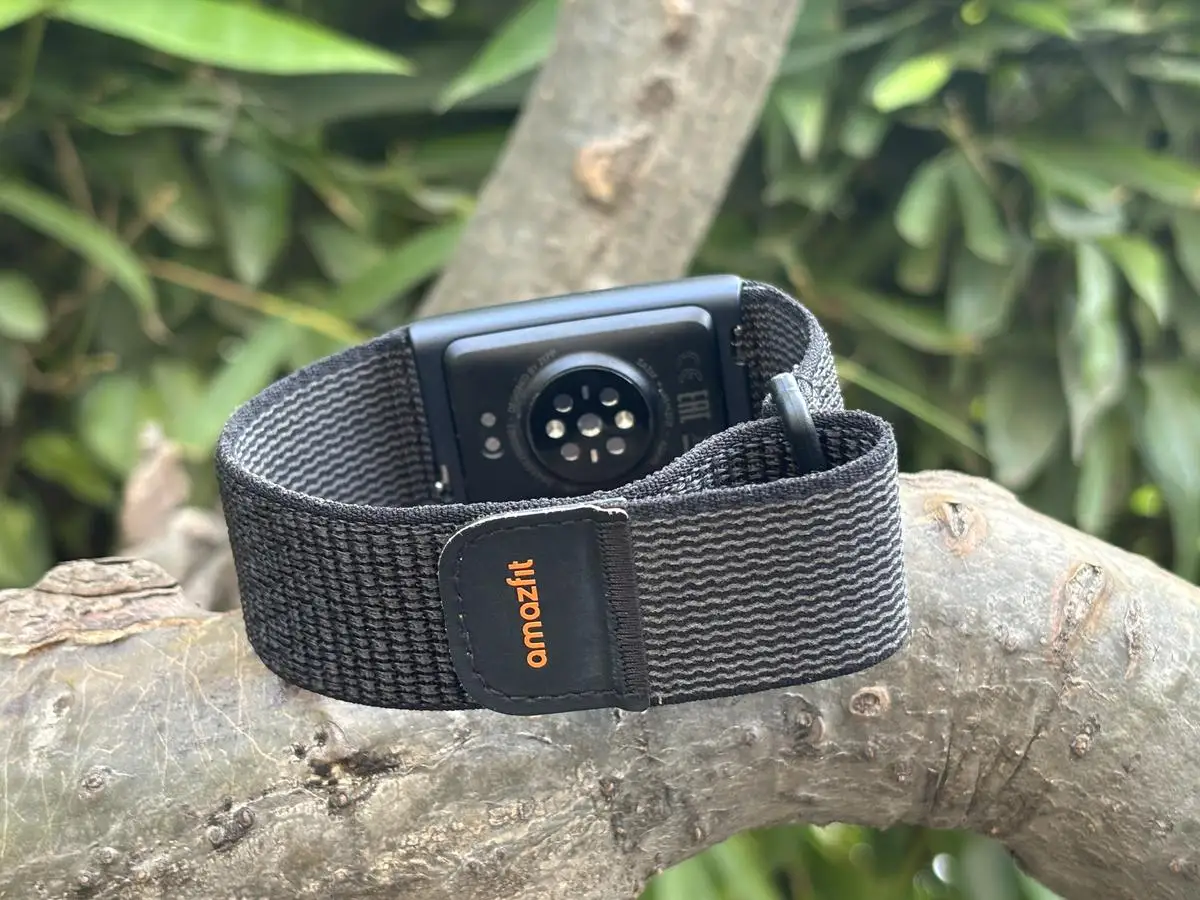
| Long battery life (7–10 days typical) | Sensitive velcro can loosen or catch on clothing |
Claims vs Reality
One of the headline claims is “industry-leading accuracy” for heart rate monitoring. Marketing states the Biotracker™ sensor captures continuous heart rate every second, but Reddit user feedback shows placement is critical. A reviewer noted: “Heart rate accuracy is fantastic when worn on the bicep but less reliable on the wrist.” Android Authority confirmed close alignment with chest strap readings in most workouts, but also documented lag in detecting spikes, sometimes 20 bpm off during intervals.
Amazfit promotes “smart strength training” with recognition of 25 exercises. While the spec sheet lists movements from burpees to bicep curls, long-term users found gaps. A Reddit user in a 21-day review wrote: “Detects some basic strength training workouts but not all — 6/10.” This mismatch means the auto-recognition feature works best for common lifts, but still requires manual tagging for accuracy.
The 10-day battery life is another major marketing point. Cross-platform user reports mostly validate it, though conditions matter. Reviewers from Trusted Reviews and Android Authority recorded 7–8 days with all advanced tracking features enabled, and close to 10 days when limiting 24/7 stress and SpO₂ monitoring. The charging puck is praised for simplicity, though some dislike the absence of a bundled USB-C cable.
Cross-Platform Consensus
Universally Praised
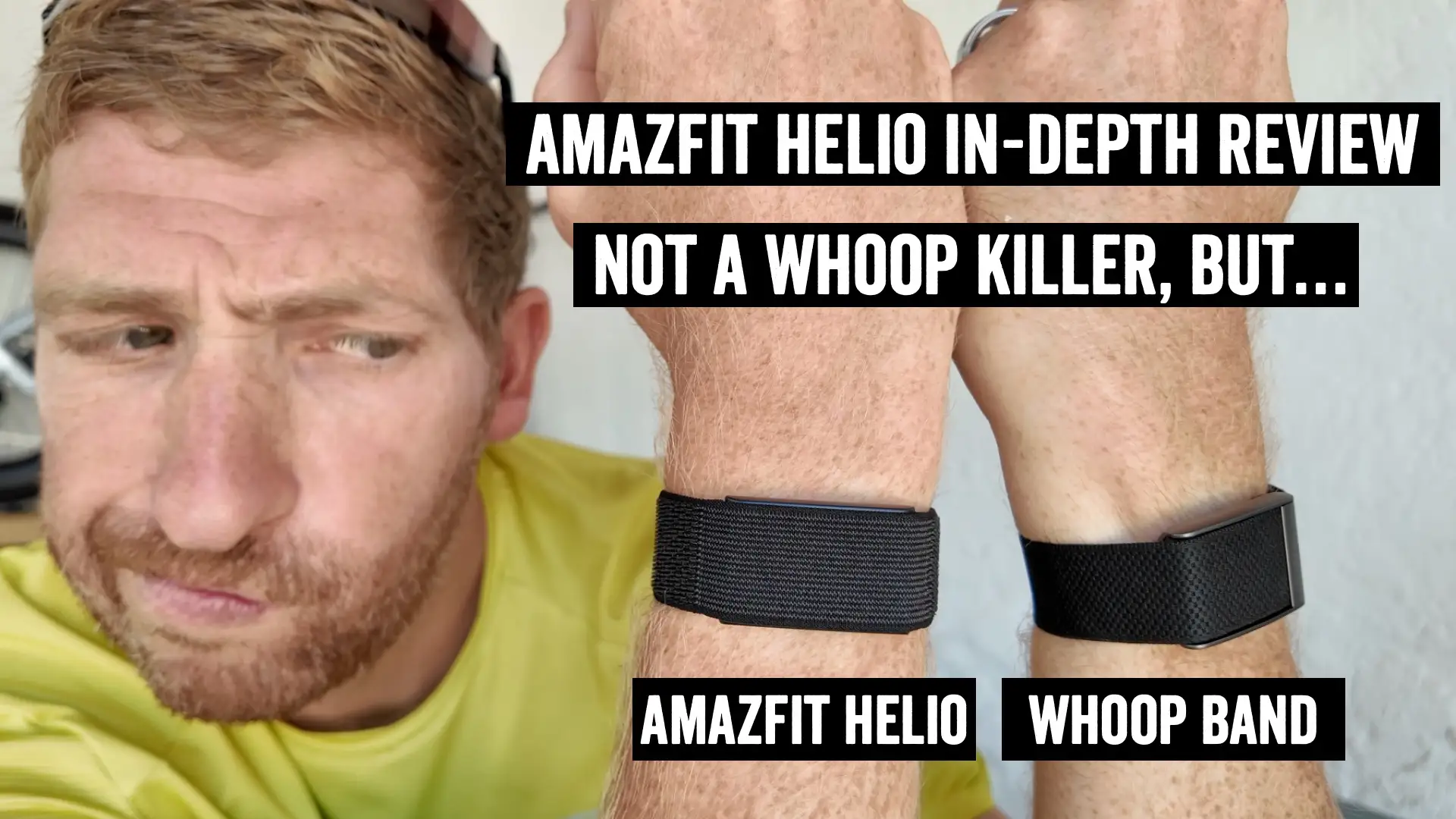
Comfort and wearability top the list. The strap’s 20g weight and lack of a screen make it “pleasant” and “distraction-free,” according to Android Authority. Users who wear mechanical watches value the form factor: “It allows me to wear a regular watch on one wrist and a tracker on the other,” one Reddit user explained. Professions that prohibit wristwatches, such as certain sports or manual work, benefit from the optional armband, allowing upper-arm placement for unobtrusive monitoring.
Sleep tracking performance consistently impresses. A Reddit user claimed “10/10 — the best. I do lucid dreaming and wake up in between just to check whether Helio detected dreams… every time it detects perfectly.” Trusted Reviews found sleep duration, onset, and wake times closely matched Oura Ring data, with sleep stages “generally in the same ballpark.”
The Biocharge™ energy monitoring feature earns praise as a simple readiness-style score for gauging recovery. While it’s not as sophisticated as Garmin’s Body Battery, reviewers appreciate its integration of sleep, HRV, and activity. World of Software’s tester noted it was “pretty similar” to Oura’s readiness scores when used alongside the ring.
Common Complaints
Automatic workout detection is the most frequent frustration. Users report it logging “almost anything mildly active” as a workout, cluttering Strava feeds with false entries. A Reddit reviewer advised keeping “workout detection sensitivity on low” to avoid inflated calorie counts. Even at low sensitivity, some misclassification occurs.
Training load and recovery time metrics often feel inflated. Android Authority’s reviewer documented “training effect… often too high” and mismatches between perceived exertion and reported strain. Serious athletes find this undermines trust in recovery guidance, especially when using the strap as a primary training tool.
Moisture retention in the nylon strap bothers gym-goers. “After a sweaty session, I was left with that gross feeling akin to wearing socks after stepping in a kitchen puddle,” one reviewer quipped. The fabric also takes time to dry, making it less ideal for back-to-back workouts.
Divisive Features
Heart rate accuracy splits opinion. While arm placement yields near chest-strap quality for cycling and rowing, wrist placement can lag during high-intensity work. Those prioritizing precise interval data may find it lacking, but casual users often deem it “good enough.”
Biocharge’s usefulness depends on expectations. Some users treat it as a loose guide, while others expect exact correlation between workouts and energy scores — which doesn’t always happen. Android Authority’s tester found workouts didn’t consistently “logically impact” the metric.
Trust & Reliability
Trustpilot feedback shows solid reliability in hardware, with most complaints targeting the Zepp app’s ecosystem lock-in. The strap requires pairing with Zepp even if syncing to third-party services like Strava. The velcro fastening, while convenient, can wear with heavy use or catch on clothing. Long-term Reddit users haven’t reported major sensor degradation, and firmware updates — like version 3.1.8.2 — have actively improved heart rate and sleep accuracy, fixing prior data gaps.
Alternatives
The obvious comparison is Whoop 5.0 — similar screen-free design, continuous tracking, and subscription-based analytics. The Helio Strap’s advantage is upfront pricing ($99) with no ongoing fees, making it attractive to budget-conscious buyers. Garmin and Polar devices offer deeper training analytics and GPS, but at higher cost and with larger form factors. Oura Ring matches sleep tracking prowess, though users who prefer arm wear over finger wear lean toward the Helio.
Price & Value
At $99.99 retail, the Helio Strap undercuts Whoop’s subscription model by hundreds annually. eBay listings show limited resale activity, suggesting users tend to keep the device rather than flip it. Buying tips from Reddit include waiting for seasonal discounts and pairing with the $14.99 armband for improved accuracy in dynamic sports.
FAQ
Q: Does the Amazfit Helio Strap require a subscription?
A: No. All core features are available after purchase, though optional services like Zepp Aura offer extras for sleep coaching.
Q: Does it have built-in GPS?
A: No. Outdoor workouts require your phone’s GPS via the Zepp app for route tracking.
Q: How accurate is heart rate tracking?
A: Accuracy is strong when worn on the bicep, comparable to chest straps in many cases. Wrist wear can lag during sudden intensity changes.
Q: How long does the battery last?
A: Users report 7–10 days depending on settings. Disabling constant stress and SpO₂ monitoring extends runtime.
Q: Is the strap waterproof?
A: Yes, rated 5 ATM — suitable for swimming but not sauna or hot showers.
Final Verdict: Buy if you want a comfortable, all-day wearable that tracks wellness and sleep without distractions or fees. Avoid if you need pinpoint training analytics or built-in GPS. Pro tip from community: use the armband for better heart rate accuracy and keep workout detection on low sensitivity to avoid false logs.