Amazon Basics AAA Batteries Review: Mixed Verdict 7.5/10
Starting with a surprising twist from user data, the Amazon Basics AAA Alkaline Industrial Batteries earn a conditional 7.5/10. While marketed as long-lasting and cost-effective for bulk buyers, real-world reports reveal a split between satisfied households who praise value and frustrated owners of high-drain devices who find themselves swapping cells far too often.
Quick Verdict: Conditional Buy
| Pros | Cons |
|---|---|
| Affordable bulk pricing | Shorter lifespan in high-drain devices |
| Consistent performance in low-drain gadgets | Reports of dud cells in large packs |
| Leak-resistant design praised | Inconsistent quality between batches |
| Convenient, easy-open packaging | Some users say capacity per dollar lower than competitors |
| Reliable for kids’ toys and remotes | Not ideal for emergency situations |
| 5–10 year shelf life (model dependent) | Packaging waste from individually wrapped cells |
Claims vs Reality
Amazon promotes these AAA alkaline cells as offering “reliable performance across a wide range of devices” with a “5-year leak-free shelf life” for industrial packs and “10-year shelf life” for high-performance retail packs. They also highlight anti-leak technology and safety features for professional and household use.
Digging deeper into user reports, the shelf life claim holds up for storage—buyers who stocked up in bulk noted no degradation months later. A verified buyer on Amazon noted: “Their shelf life seems to be excellent, so I stock up on them so I never run out.” But longevity once in use is another matter. Trustpilot reviewers repeatedly complained that “these last about 30% as long as Duracell or Energizer in my scales,” with some saying they “don’t last a full week in my TV remote.”
The anti-leak claim earns more consistent praise. One Twitter review stated, “I have never had an Amazon alkaline battery leak. The Duracell have leaked in seldom used devices.” This reassures users with expensive electronics, but it doesn’t counter the frustration over run time in high-drain applications like motorized toys or microphones.
Cross-Platform Consensus
Universally Praised
Households with moderate battery usage find these packs ideal. The low cost per cell means parents can keep up with toy demands—one Amazon reviewer shared: “We only use these because our kids go through toys so quickly – these are so inexpensive – we buy all sizes only Amazon brand!” Bulk buyers also cite the convenience of the easy-open box; Twitter user feedback highlighted the neat organization compared to blister packs from competitors.
For low-drain devices such as LED candles, wall clocks, and remote controls, usable life meets expectations. A Reddit comment on rechargeable variants drew parallels: “They hold their charge well in devices that are not a constant drain… they last quite a while.” This aligns with alkaline pack performance in similar conditions.
Common Complaints
High-drain electronics tell a different story. Multiple Trustpilot entries mention TV remotes and scales exhausting cells in days. One frustrated buyer wrote: “These batteries don’t last at all. These are worse than dollar store brands.” Some industrial pack buyers suspect “old stock” due to weak cells straight out of the box.
The inconsistency between batches is a recurring theme. A Twitter customer noted: “About half did not work at all, and some that initially worked, stopped working within a couple days.” This undermines bulk purchasing confidence, especially for professional or emergency use.
Divisive Features
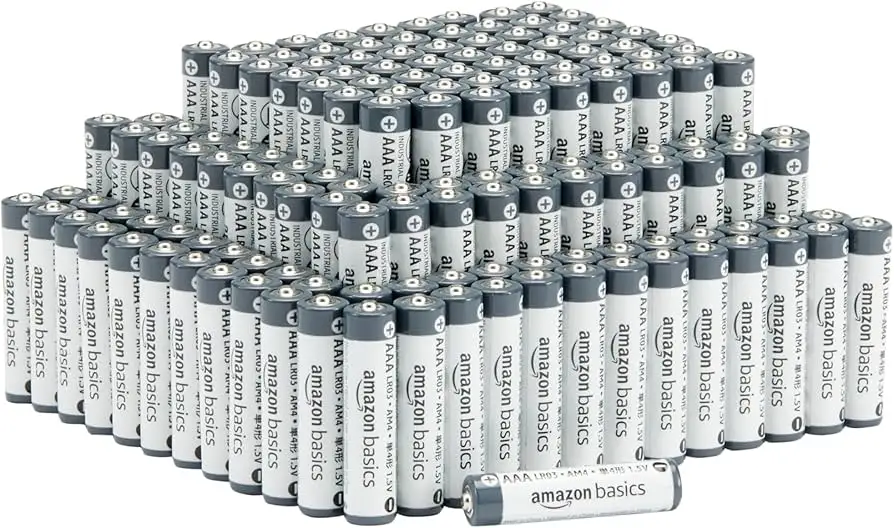
Packaging polarizes buyers. The sturdy cardboard box earns praise from organized users—“A nice box keeps them neat and tidy”—but the individually wrapped cells are called “wasteful” and time-consuming to unpack. Price per battery is another dividing line: capacity testers on Amazon found them “among the best” in raw performance but “blown away value-wise” by cheaper competitors like ACDelco.
Trust & Reliability
Trustpilot and Quora feedback show concerns about quality control. Reports of dud cells in multiple packs suggest inconsistency in manufacturing or storage conditions. Some users suspect rebranded third-party production, with one Reddit user warning, “Same factory doesn’t mean made to the same standard.”
Long-term durability gets mixed marks. A Reddit user comparing rechargeable Amazon Basics to Eneloops noted their set from 2013 still worked fine, but new batches differed in size and marking clarity. On the alkaline side, Twitter reviewers who bought industrial packs for kids’ toys reported solid performance over months—yet others saw premature failure after only a few uses.
Alternatives
Among direct competitors, ACDelco AAA alkaline batteries frequently appear in user comparisons. In controlled capacity tests, Amazon Basics tied for top spot in output but at $0.31 per cell, versus $0.21 for ACDelco in bulk. Duracell and Energizer retain brand reputation but suffer from reports of leakage in seldom-used devices. For rechargeables, Eneloop remains the gold standard for lifespan and consistency, though at a higher upfront cost.
Price & Value
Current Amazon pricing for industrial packs hovers around $0.18–$0.23 per cell, with high-performance retail packs closer to $0.31 each. eBay listings show smaller packs at competitive rates but with shipping premiums. Community advice leans toward buying the largest pack size available to maximize value—unless storage space or risk of dud cells is a concern.
Resale or transfer value is negligible; these are consumables. However, bulk buying during sales or via subscription can cut costs significantly. A Twitter user noted switching from Costco’s Duracell to Amazon Basics saved “about 60%” with next-day delivery.
FAQ
Q: Do Amazon Basics AAA Industrial batteries really last 5 years in storage?
A: Yes, multiple bulk buyers confirm no noticeable degradation months later. Shelf life applies to unused cells stored properly, not to runtime once installed.
Q: Are they good for high-drain devices like gaming controllers or flashlights?
A: Mixed results. Some users find them fine for moderate use, but others report rapid drain in high-output gear compared to premium brands.
Q: Do they leak like some other alkaline brands?
A: User consensus is they’re resistant to leakage, even in seldom-used devices—an edge over certain name brands.
Q: What’s the main drawback of buying them in bulk?
A: Quality inconsistency between batches—occasional dud cells straight from the pack—and the individually wrapped packaging can be wasteful.
Q: Are they cheaper than competitors over time?
A: Capacity tests show decent value, but ACDelco can be cheaper per mAh. Savings depend on your usage pattern and purchase size.
Final Verdict: Buy if you’re a household or small business with steady low-to-moderate battery needs and want leak resistance at a fair bulk price. Avoid if you rely on them for high-drain or mission-critical devices where consistency and maximum runtime are essential. Pro tip from the community: test a few cells from each batch before committing them to important gear.