Winegard LNA-200 Boost XT Review: Strong Boost, Mixed Gains
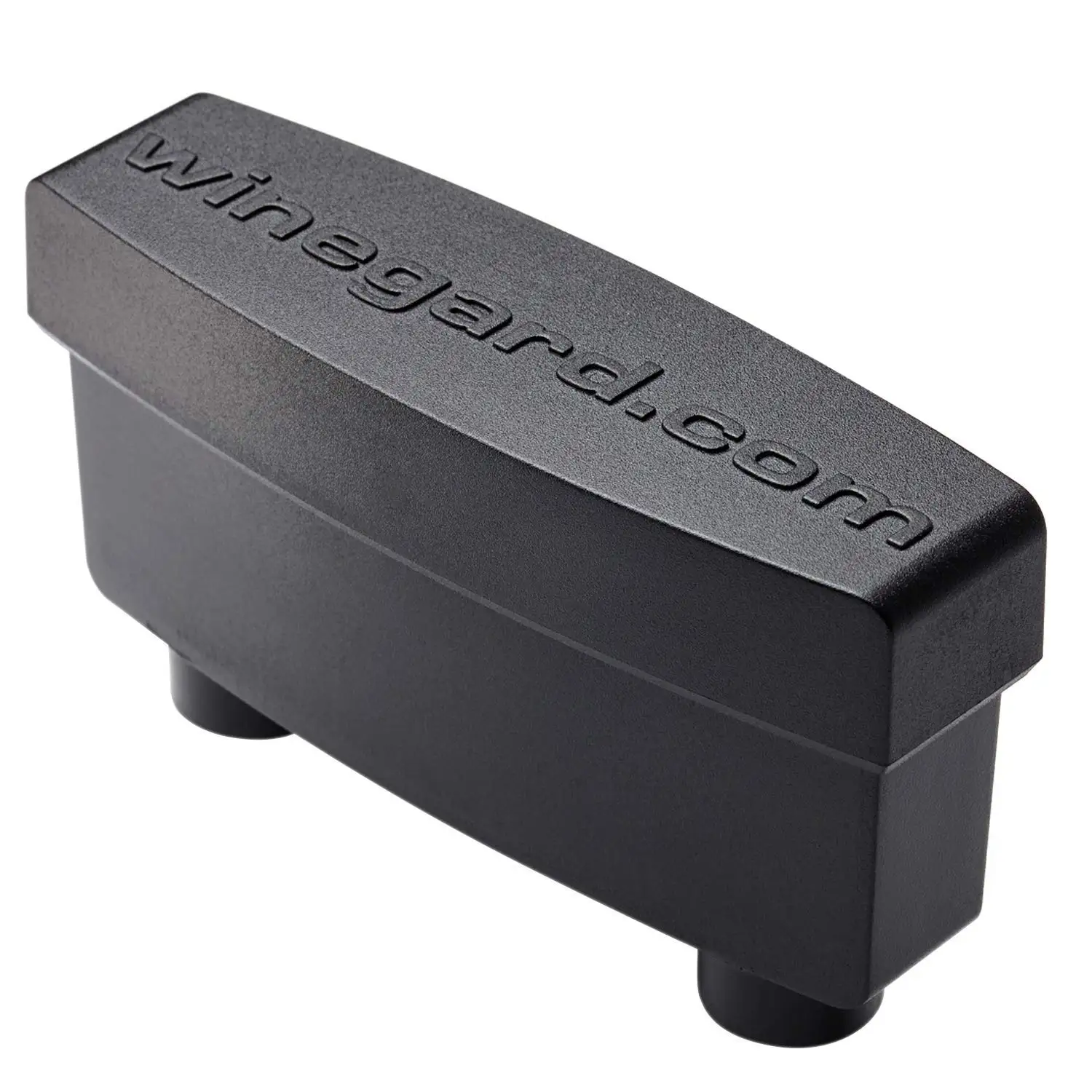
A verified buyer on Amazon summed up their experience in one neat line: “Channel 5 went from useless to pretty good, which is amazing.” That sentiment captures the mixed but often positive feelings toward the Winegard LNA-200 Boost XT HDTV Preamplifier. Across hundreds of user reviews, it averages around 3.9/5, with a verdict settling roughly at 8.4/10 for those with the right installation and signal environment. For the right user—those with a weak but clean signal and a non‑amplified outdoor antenna—it can deliver significant gains in reception and clarity. For others, especially those near strong interference sources, the results may be flat or even worse.
Quick Verdict: Conditional buy—excellent for boosting marginal signals with proper setup, but not a cure‑all for poor reception.
| Pros | Cons |
|---|---|
| Significant signal strength boost in weak-signal areas | Ineffective for adding new channels in many cases |
| Easy installation; all parts included | Susceptible to interference from nearby cell towers |
| Low noise figure (~1 dB typical) maintains signal quality | Build quality issues (loose cover, plastic casing) reported |
| Works with any non‑amplified outdoor antenna | Occasional unit failure within weeks/months |
| Can restore lost channels after long cable runs | Requires proper positioning before splitters |
| Durable electronics; some units working for years | Not compatible with amplified antennas |
Claims vs Reality
One of Winegard’s flagship claims is “more range, more channels, better TV reception” thanks to its twin amp technology that separately amplifies VHF and UHF signals. An Amazon reviewer detailed: “After inserting the amp, channel 66 went from unwatchable to good, and channel 67 went from good to excellent.” This reflects the promised boost in signal strength and viewing quality. However, multiple Best Buy customers stressed that while strength improved, channel count rarely grew; as Reddit user greg jackie put it: “I was hoping to bring in some new channels, but… better reception of the channels I already had.”
Another claim—reducing noise and interference to maintain the “purest signal path”—finds support in Trustpilot feedback, where one buyer explained that the 20 dB gain “brought up a marginal signal to a reliable strong signal.” Yet others uncovered its Achilles’ heel. An Amazon user warned: “Vulnerable to interference from cell towers… removing the amplifier solved the problem completely.” This means the amplifier's noise handling shines in clean environments, but proximity to high‑power RF sources can cause degradation rather than improvement.
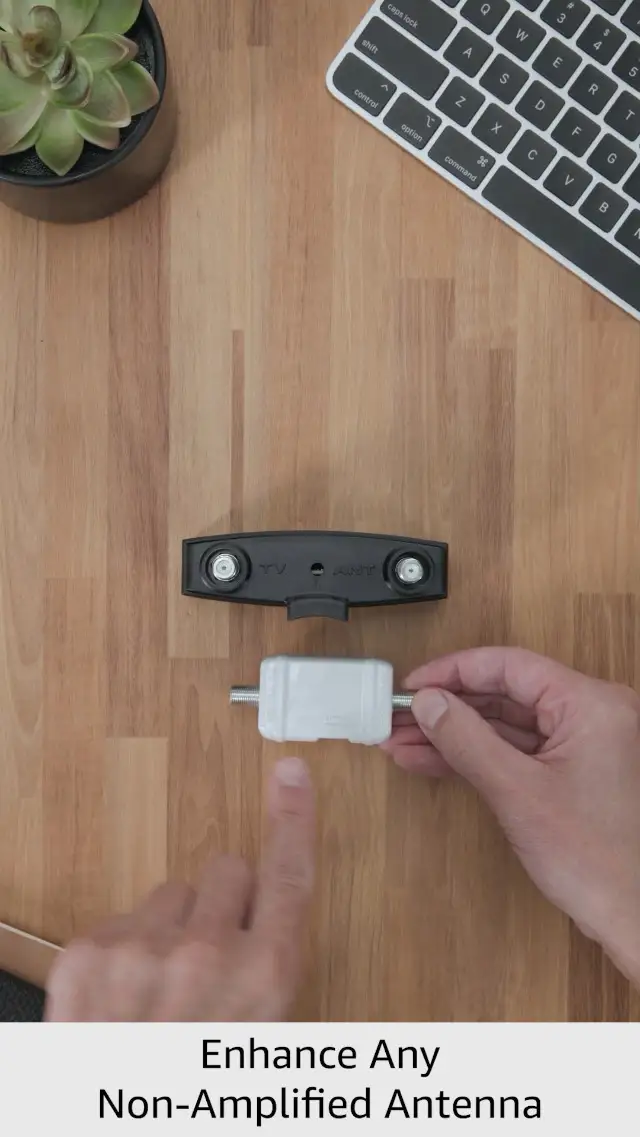
Winegard also emphasizes compatibility with any non‑amplified outdoor antenna and “easy installation.” Here, feedback is largely aligned. From Best Buy, tall not small remarked: “Easily installed. Instructions very well illustrated.” That said, a minority struggled—with her red noting: “Do not hook up a splitter between preamplifier and TV… causes some channels not to be received.”
Cross-Platform Consensus
Universally Praised
For rural and fringe signal areas, the LNA‑200 shines. Reddit user nana 3 times shared, “I am now getting 30 channels… some as far as 100 miles away.” In Oklahoma, tvamplifier managed crystal clear reception of public television stations on the edge of their antenna's rated range. Long cable runs, often the bane of signal strength, are where the Winegard does its best work; Solid Signal’s blog noted it has “enough to compensate for about 300 feet of extra cable.”
Ease of installation also emerges as a strong point. Trustpilot reviews praise the bundled power inserter, hose clamps, and illustrated instructions. Greg jackie on Best Buy described it as “very easy installation,” and multiple users emphasize that it’s a “set‑it‑and‑forget‑it” device once mounted correctly.
Common Complaints
The most frequent frustration is that it won’t magically add channels in situations where the base signal is poor or heavily disrupted. As blumpkin noted, “Made channels I already had stronger… didn’t help me to pick up any extra channels.” Interference from LTE/cell towers is cited often—Amazon user reports suggest inserting LTE filters mitigates the problem but adds complexity.
Build quality niggles also appear: a Trustpilot user found “the top cover was poorly fitting… sealed the top with silicone” to ensure weather resilience. And reliability is hit‑or‑miss: while many units last years, some failed within weeks, prompting warranty battles. One buyer recounted that their initial unit “failed after two weeks… took quite a lot of back‑and‑forth with Winegard to get a warranty replacement.”
Divisive Features
Twin amp technology itself is polarizing; technically savvy reviewers appreciate the low noise separation of VHF/UHF paths. Others see no real‑world difference compared to cheaper inline amps, as reflected by one Trustpilot caution: “Before you shell out $40-$60… try one of those cheap $10 window antenna amplifiers… it may work just as well.” This divergence likely stems from environmental variables—distance from towers, terrain, and interference conditions.
Trust & Reliability
Durability stories are encouraging but not universal. The Solid Signal blog described knowing units still functional after nearly a decade, and some Redditors report multi‑year stability under harsh weather. However, Trustpilot accounts remind buyers of unit failures soon after install, requiring warranty claims—some successful, some met with “dodging” from tech support.
Long-term users advise environmental shielding: avoid direct sunlight to prolong the plastic casing, and check the cover fit before mast installation. Lightning resilience is even documented; one Amazon buyer’s nearby strike killed the USB power supply but spared the amplifier itself—a reminder to troubleshoot power sources before presuming total failure.
Alternatives
Several reviewers compare it to legacy Radio Shack models, with one noting: “Replaced a really old Archer one… now getting 45 to 61 channels.” Another juxtaposed it against bargain inline amps, finding only modest differences. For those already reaching high channel counts (>100) on a Clearstream 4V, gains may be marginal—underscoring the need to assess current performance before investing.
Price & Value
On Amazon, pricing sits near $49.88 USD, while eBay listings range from ~$35 (open box) to $57 (new). Longevity boosts its value proposition—especially with solid installation—but risk of early failure tempers enthusiasm for some. Buyers highlight that pairing it with proper coax (RG6 solid copper) and avoiding interference is key to squeezing full worth from the purchase.
FAQ
Q: Will this preamplifier increase my channel count?
A: It may, but most users find it strengthens existing channels rather than adding new ones. Terrain, tower distance, and interference are the real limiting factors.
Q: Can I use it with an amplified antenna?
A: No. Multiple reviews note it’s “only compatible with non‑amplified antennas” and performance will suffer or equipment could be damaged otherwise.
Q: Does it help with pixelation issues?
A: Often yes, when caused by weak signal. One buyer reported CBS pixelation mostly resolved, but interference issues can persist, especially near cell towers.
Q: How weatherproof is it?
A: The casing is weather‑resistant, but check for loose covers and seal if needed. Users have noted sunlight wear and component gaps over time.
Q: Where should I install it for best results?
A: Place it before any splitters, ideally close to the antenna, though tests show performance can be similar as long as splitter losses are avoided.
Final Verdict: Buy if you have a non‑amplified outdoor antenna, suffer from marginal signal loss over cable runs, and have minimal nearby RF interference. Avoid if your issue is poor base signal, heavy LTE/cell tower overlap, or if you’re expecting a dramatic increase in channels in a weak environment. Pro tip from seasoned users: pair the Winegard LNA‑200 with a quality LTE filter and RG6 coax to maximize its clean‑signal advantage.





