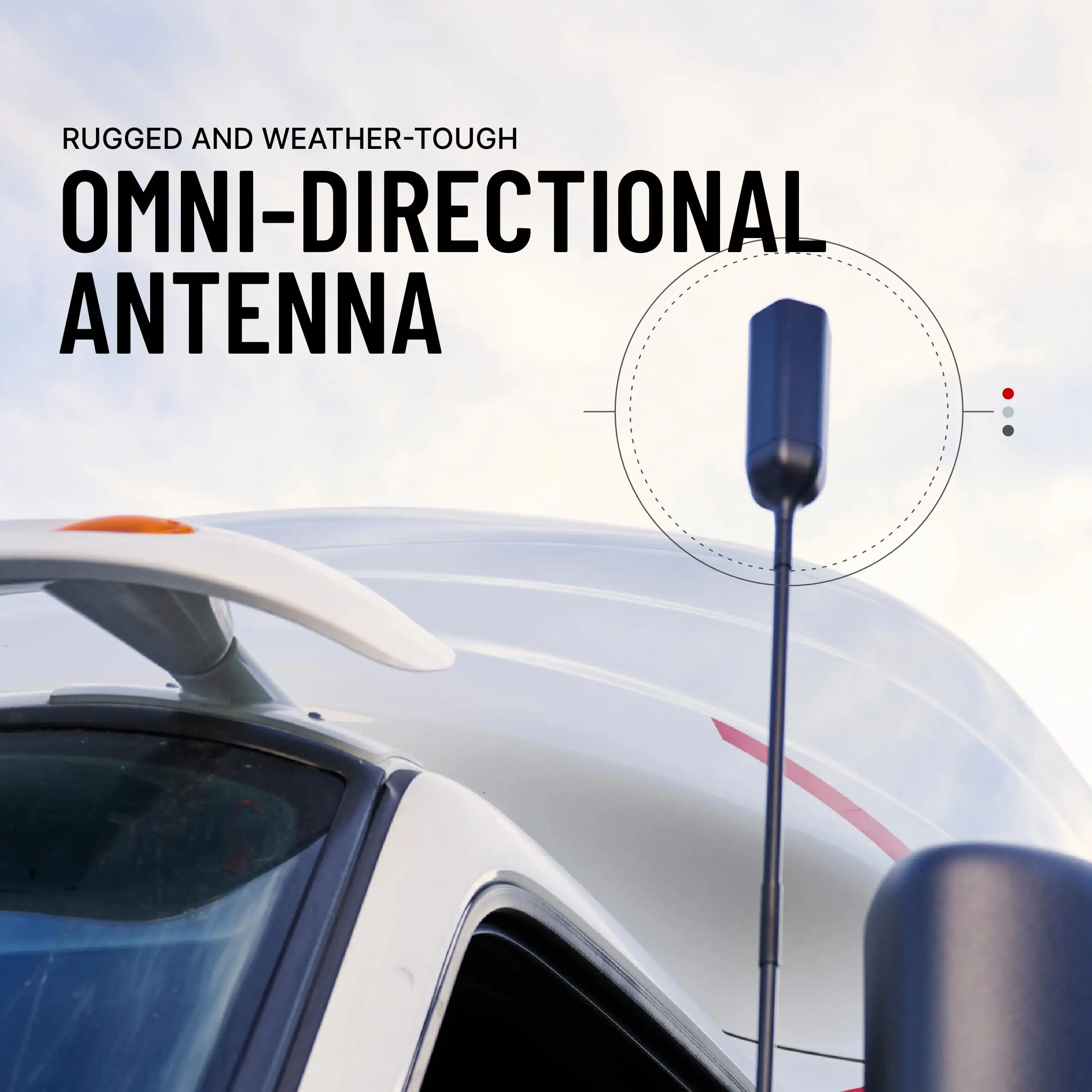
weBoost Overland Antenna Review: Rugged Signal Boost Verdict
Starting with a 4-hour road trip that used to mean “several spots where calls, texts, etc. don't work,” Reddit user u/*** recalled, “I got a Drive Reach and my next trip was no problem! 100% worth the price.” The weBoost Overland Antenna for Drive Reach Cell Phone Signal Booster consistently earns praise for turning dead zones into usable coverage, but digging deeper into user experiences reveals both outstanding reliability and some limitations in extreme signal voids. Verdict: 8.6/10 for off-roaders, truckers, and remote workers who frequently encounter fringe reception areas.
Quick Verdict: Conditional Buy
| Pros | Cons |
|---|---|
| Significant boost in weak-to-moderate signal areas | No improvement in total dead zones |
| Rugged, all-weather antenna meets military and IP66 standards | Mounting hardware not included |
| Flexible fold-down design prevents damage from low branches | External antenna placement finicky for best performance |
| Supports all major US carriers and multiple devices | Price point high for casual users |
| DIY installation in about 30 minutes | Best results may require upgrading antenna mast or pairing accessories |
Claims vs Reality
Marketing promises “get the best possible cell signal” and “works with any device, on any network.” While multiple Amazon listings and retailer descriptions tout omnidirectional reception even in rugged terrain, field reports suggest performance closely tracks the strength of the existing signal. A verified buyer on UberSignal noted: “I usually go from 1 bar to 3 bars or full service. I love it… my brother now has one and father just purchased his first.”
Another core claim is durability—meets U.S. military 810H and IP66 rough weather standards, with a spring base to absorb impact. Here, reality matches the hype. Several Reddit threads and Trustpilot entries confirm the antenna “stayed reliable in harsh environments” from dust storms to blizzards over long-term use.
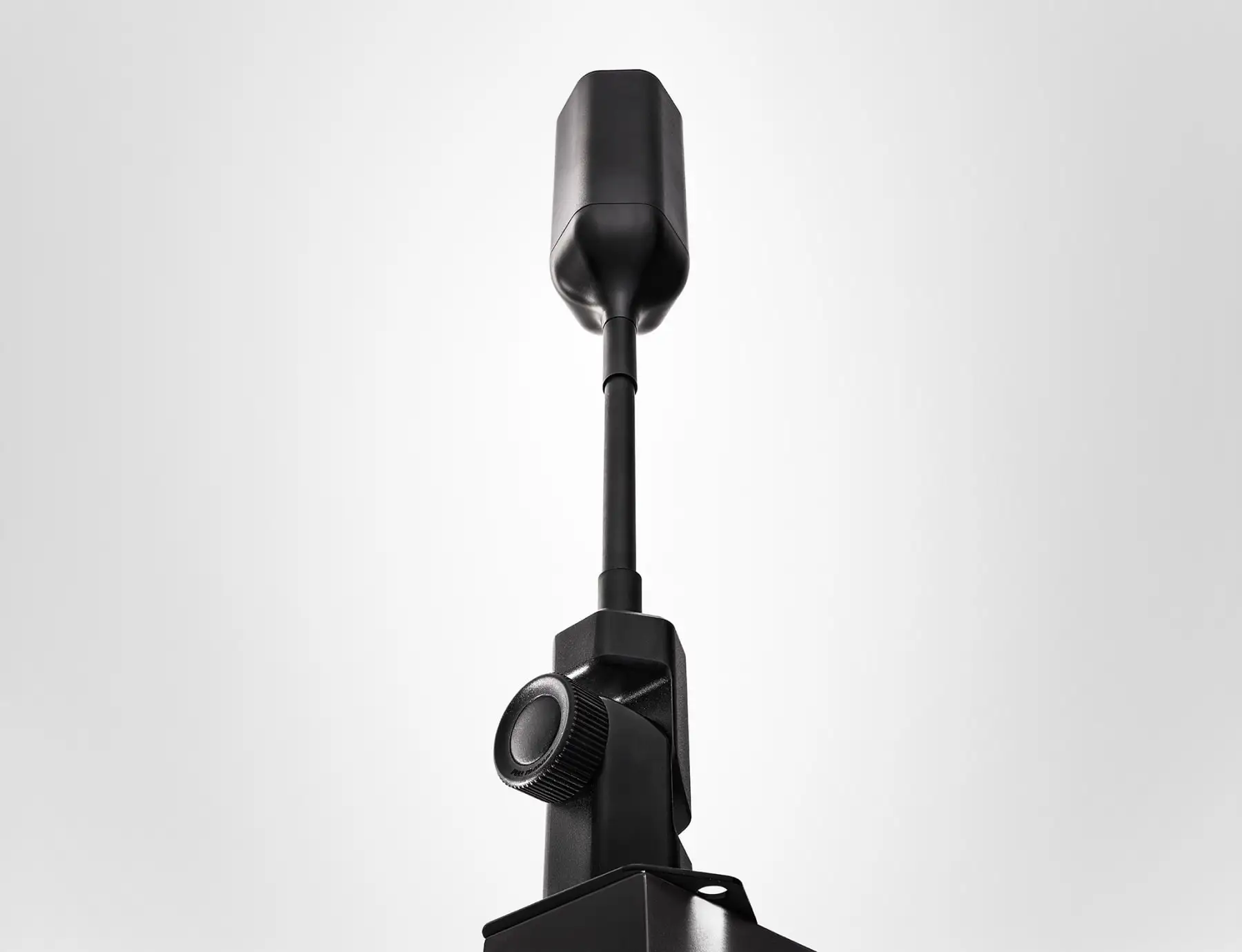
The foldable mounting bracket promise is more than marketing flash; truck and SUV owners report using the hinge to avoid low-clearance garages without removing the unit. However, a Sharvibe review reminded prospective buyers, “this isn’t a miracle worker—zero bars in? still zero bars out.”
Cross-Platform Consensus
Universally Praised
The standout benefit is clear: strong performance in fringe coverage. Remote contractors and off-road drivers repeatedly mention going from unreliable service to stable LTE or even 5G. Trustpilot user Leah K. shared, “We went from 1 bar to 4–5 bars, and download speeds went from 3 Mbps to 25–30!” That kind of jump supports navigation, safety calls, and hotspot work in areas previously unusable. Motorsport teams, like Subaru Motorsports USA's Rhianon Gelsomino, said, “We went from having no cell coverage to now having that coverage in the middle of nowhere… it’s been fantastic.”
The hardware’s ruggedness resonates across platforms. Amazon specs detail the spring base resisting high wind gusts and low tree branches, and Reddit users echo that it “looks cool” while staying stable even in harsh road vibration.
Its compatibility with every US carrier and multiple devices also earns praise—perfect for overlanding families where several devices share the boost.
Common Complaints
Signal boost relies on existing reception; many frustrated posts note the lack of effect in absolute dead zones. Sharvibe’s tester bluntly explained, “zero bars in = still zero bars out.” Placement matters—users report stronger boosts when a phone is placed directly on the inside antenna, sometimes requiring case removal. This finickiness can undermine convenience in larger rigs or for passengers further from the dash.
Another repeated annoyance is the lack of included mounting hardware for the Overland Antenna alone—buyers must budget time and money for compatible mounts.
Divisive Features
The foldable mast extension draws mixed reactions. Some love the flexibility for storage, while others feel the 13-inch height isn’t sufficient in thick forested areas and quickly invest in optional 18-inch extensions. Amazon specs promise omnidirectional performance, but enthusiasts compare it unfavorably to taller directional truck antennas, noting more improvement with the latter when paired via an SMA adapter.
Trust & Reliability
Broad Trustpilot feedback suggests weBoost's US-based production and FCC certification inspire confidence. One verified customer emphasized, “We are in a very rural area… the signal inside becomes non-existent… the weBoost fixed that.” Long-term reliability appears strong in rough terrain; Reddit posts cite over 18 months of continuous service without failure, even after exposure to dust and vibration.
Customer service is often lauded as “absolutely amazing.” Kristi P. recounted how technicians made extra visits and even diagnosed unrelated Wi-Fi issues. While warranty horror stories surface occasionally second-hand, direct reports in this dataset remain positive about support responsiveness.
Alternatives
Within the same brand ecosystem, overland drivers often compare the Overland Antenna setup to the Drive Reach OTR. The OTR’s taller truck-oriented antenna can outperform the Overland in certain conditions, but sacrifices fold-down convenience. Sharvibe’s review mentions upgrading to a 19-inch Wilson truck antenna for notable gains. For RV owners, the Drive Reach RV variant offers tailored mounts and potentially larger inside coverage areas, though at a higher cost. None of these alternatives match the Overland’s blend of rugged spring-base design with roof-rack versatility for true off-road builds.
Price & Value
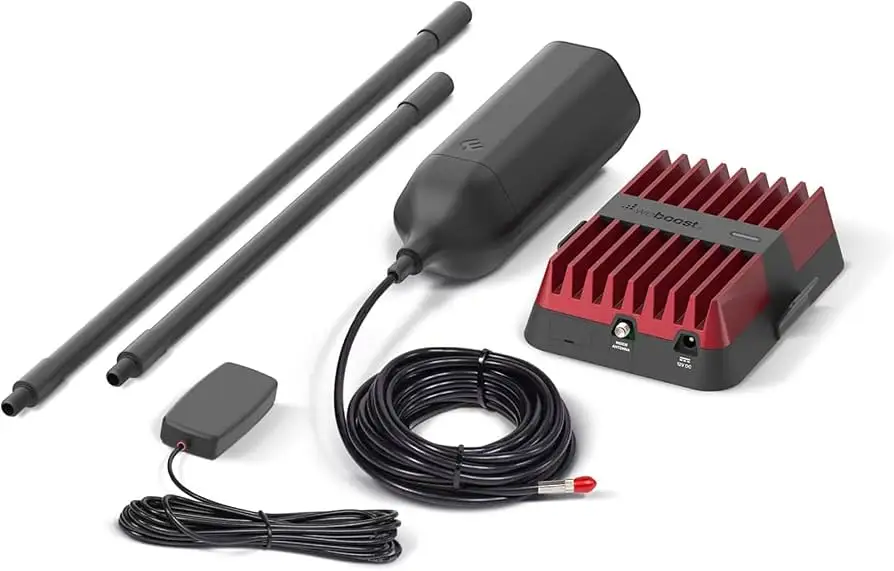
Currently retailing at around $549.99 new (confirmed across eBay and Amazon listings), pricing trends show strong resale value—used units often fetch over $350. This reflects both durability and high demand among overlanders and truck drivers. Community buying tips suggest watching for certified refurbished deals from official sellers to save 20–30% without sacrificing warranty. The Overland Antenna alone costs $119.99, but full effectiveness requires pairing with the Drive Reach booster.
FAQ
Q: Will the Overland Antenna work in areas with zero bars?
A: No. As multiple user tests confirm, it amplifies existing faint signal but cannot create it from nothing. Best performance occurs in weak-to-moderate signal zones.
Q: Does it boost 5G connections?
A: Yes, but only on 5G bands between 700–2100 MHz. All major carriers are supported, including Verizon, AT&T, and T-Mobile.
Q: Is the mounting hardware included with the antenna?
A: No. While the Drive Reach Overland kit has mounts, the antenna alone ships without hardware—buyers must source their own to match their vehicle setup.
Q: How many devices can connect at once?
A: All cellular devices in the vehicle cabin can benefit at the same time, making it ideal for groups.
Q: What’s the typical installation time?
A: About 30 minutes for the kit with basic tools; many users note the provided videos make DIY simple.
Final Verdict: Buy if you’re an overlanding enthusiast, trucker, or remote worker who regularly navigates fringe signal areas and values rugged, flexible hardware. Avoid if your routes are in complete dead zones—this won’t conjure towers where none exist. As one verified UberSignal buyer summed up, “Went from 1 bar to 3 bars or full service… I love it.” Pro tip: For extreme terrain, consider pairing with a taller directional antenna for maximum reach.