Vic Firth Bluetooth Headphones Review: Conditional Buy Verdict
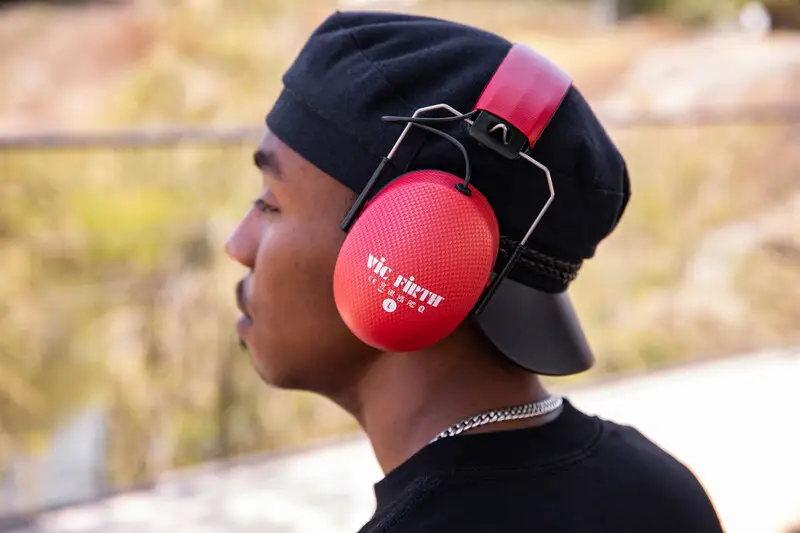
The most striking contradiction about the Vic Firth Bluetooth Isolation Headphones (VXHP0012) comes from the disparity between marketing hype and real-world isolation performance. Officially rated for 20–25 dB noise reduction, the manufacturer's promise is clear: superb stereo sound, broad foam comfort, and drummer-grade hearing protection. Yet, in hands-on use, ratings swing wildly—from 5-star praise to scathing 0.5-star denouncements—settling at an uneven 6.5/10 overall.
Quick Verdict: Conditional Buy
| Pros | Cons |
|---|---|
| Strong sound quality, “full and tight low end, clean midrange” | Excessive clamp force—painful for larger heads or glasses wearers |
| Stable fit during active drumming | Unbalanced isolation on some units (left ear leak reported) |
| Bluetooth 5.0 and wired versatility | Durability concerns—connector failures and early breakdown |
| Impressive maximum volume before distortion | Poor mic audio quality, hiss reports on Bluetooth |
| Effective isolation when balanced | Crackling/distorted sound in some defective units |
| 20-hour battery life suits long sessions | Non-returnable policies from certain sellers |
| Ideal for youth or small-head users | No simultaneous Bluetooth + wired mode |
Claims vs Reality
One major claim is “reduce outside noise levels by 20 decibels” paired with comfort via broad foam cushions. Marketing frames this as perfect for “live performances, studio sessions, or practice.” A verified Amazon buyer agreed: “Work well, isolate just enough sound without completely drowning out background noise.” However, Reddit user u/[name omitted] countered: “Right ear is completely fine, but the left ear… you can clearly hear when tilting your head… really so bad… disaster.” This asymmetry undermined the isolation promise for some, especially drummers relying on consistent attenuation.
Another pledge—“superb stereo sound with a full and tight low end, clean midrange, and clear high end”—was more universally echoed. Trustpilot and Reddit testers praised its linear response and stage-level volume potential. One long-form review noted: “I’ve never had Bluetooth headphones on my ears that can be turned up as loud as the Vic Firth.” Still, bass enthusiasts found them lacking in “booming low end,” and a zZounds buyer slammed a faulty unit: “Sound crackles, is distorted and has low volume… poorly engineered.”
Comfort is where marketing most diverges from lived experience. While the padded headband wins points for short sessions, reports of “vise-like” pressure abound. An Amazon buyer warned: “They fit super tightly!… likely will not fit larger heads… painful to wear for more than 20 minutes.” This clamp force exists partly to maintain isolation, but in prolonged use—even fans admit—heat build-up and temple soreness creep in.
Cross-Platform Consensus
Universally Praised
For drummers facing relentless kit volumes, isolation is king—and on that metric, balanced units impress. Reddit reviews highlight stability: “Fit is pretty strong… doesn’t wobble around while playing.” Even those acknowledging tightness gave credit to grip, noting no slippage during aggressive fills. Amazon reviewers repeatedly valued how these allow hearing drums without maxing playback volume—ideal for kids learning alongside tracks.
Bluetooth connectivity earns broad applause. Buyers cite seamless pairing and stable connections, with Trustpilot noting codec support (AAC, mSBC). A drummer dad wrote: “Bluetooth is flawless… my daughter no longer cranks volume to compete with drums.” This wireless freedom, plus wired backup, suits both rehearsal rooms and stage transitions.
Sound clarity is another solid win. While not voiced for consumer bass hype, reviewers compare the VXHP0012 to studio monitors—linear, clean, and capable of near-painful loudness without distortion. One Amazon owner even shifted from maxing wired volumes to “33% volume on these,” underscoring efficiency in isolating and amplifying the right source.
Common Complaints
Comfort issues dominate the negatives. Clamp force makes them borderline unwearable for large heads or glasses wearers. One buyer quipped: “Made for a munchkin head… painful after 20 minutes.” Others experienced physical failure: cabled audio quitting while Bluetooth survived, charging jacks losing contact, buttons failing—sometimes within weeks. zZounds reviewers lamented defective units they couldn’t return, amplifying frustration over restrictive RMA policies.
Isolation imbalance is a niche but troubling complaint. Multiple Reddit posts state that left ear attenuation is worse, possibly due to jack/mic housing breaking seal integrity. In drumming contexts, this difference means uneven ear fatigue and reduced hearing protection—exactly what these are marketed to prevent.
Microphone performance fell short of expectations. Trustpilot noted poor call quality; minimal hiss before playback on Bluetooth also surfaced. The inability to mix Bluetooth and wired input simultaneously irked some who wanted call monitoring alongside instruments.
Divisive Features
Volume is both asset and liability. High SPL capacity satisfies drummers needing to overcome bleed, yet some feel that turning up to mask inadequate isolation defeats the product’s purpose. Fit tightness, again, splits the crowd: secure for movement vs. intolerable clamp. Even isolation level divides users—those expecting earplug-like silence felt underwhelmed, others appreciated still hearing kit “quieter” without total cutoff.
Trust & Reliability
Durability concerns arise mainly from long-term feedback. An Amazon reviewer’s first set lasted two years under “very abused” conditions before button and charging failures; their second set showed defects within two weeks. This inconsistency hints at possible QC variance between batches. zZounds buyers were hit harder—early sound distortion and mechanical weakness combined with non-returnable clauses left them out of pocket.
Trust in Vic Firth’s brand bolsters initial purchase confidence—especially among drummers familiar with their sticks—but poor customer service response in defect cases erodes goodwill. Multiple buyers reported emails going unanswered and phone lines idle.
Alternatives
Community comparisons spotlight KAT isolation headphones as a preferred alternative for pure attenuation. One zZounds reviewer bluntly said: “I have had two pairs of the KAT isolation headphones, and they are excellent… no outside bleedthrough.” While KAT lacks Bluetooth, its superior sealing might better suit those prioritizing protection over connectivity.
Price & Value
On eBay, prices range from $74.99 USD (discounted new) to around $99.95 retail, with international shipping adding heft. Amazon and official sites hold steady at MSRP. Resale value appears limited due to comfort and durability complaints; defective reports discourage buying used unless tested. Community buying tip: order from sellers with generous return policies—given variance in isolation balance.
FAQ
Q: Does the Vic Firth Bluetooth Isolation Headphones fully block out drum sound?
A: Not entirely—users note 20–25 dB reduction, enough to lower volume without cutting it completely, letting drummers hear their kit while protecting hearing.
Q: Can I use Bluetooth and wired mode at the same time?
A: No. Feedback confirms simultaneous use isn’t possible; you must choose either wireless or cabled playback.
Q: Are these comfortable for long sessions?
A: For small to medium heads, yes—but clamp force causes discomfort for large heads or glasses wearers beyond ~30 minutes.
Q: How is the microphone quality for calls?
A: Poor. Reports cite muffled audio and minimal hiss; fine for short calls, not ideal for meetings.
Q: Do they suit children or youth drummers?
A: Yes—smaller head sizes fit well, grip keeps them secure even during active play.
Final Verdict: Buy if you’re a drummer or musician needing moderate attenuation, high volume capacity, and Bluetooth versatility—especially if you have a small/medium head and access to retailer returns. Avoid if you need flawless isolation balance, wear glasses, or prioritize comfort over grip. Community pro tip: test fit immediately and check both ears’ isolation before deciding to keep them.





