TP-Link TL-PoE4824G Review: Conditional Buy Verdict
A Reddit user put it bluntly: “all you need is this,” linking to the TP-Link PoE Injector Adapter (TL-PoE4824G), a simple device that has earned an 8.0/10 consensus score across platforms for its plug‑and‑play convenience and cost‑saving deployment. While praised for ease of installation and flexibility, it comes with notable limits—most critically its exclusive support for passive PoE.
Quick Verdict: Conditional Buy – Best for networks needing 48V passive PoE without complex management; avoid if you require IEEE-standard PoE or high‑power delivery.
| Pros | Cons |
|---|---|
| Simple plug‑and‑play setup | Only supports passive PoE devices |
| Gigabit speed passthrough | Limited 24W max output |
| Enables placement away from power outlets | No centralized power management |
| Affordable (~$24–$25) | Incorrect cable connection can damage equipment |
| Wall‑mount design for neat installs | May not suit high‑draw APs or cameras |
Claims vs Reality
TP-Link promotes the TL-PoE4824G as a “gigabit 48V DC passive PoE injector” with “auto‑determine the necessary power requirements” and a “convenient wall‑mounting design.” On paper, this suggests effortless installs and universal compatibility with 48V passive PoE products.
Digging deeper into user reports, that “auto‑determine” claim doesn’t mean IEEE negotiation; it simply supplies 48V continuously—excellent for supported gear, but dangerous if misconnected. Reddit user nuttertools warned: “passive means the cable is always live so plugging it in backwards will fry your router.”
Marketing emphasizes gigabit support, which users confirmed as reliable. A Reddit contributor running it with a Ubiquiti AP 6 Lite stated, “this one should work as well… the 48V passive is what you want.” However, while officially listed as 24W output, several users highlighted that high‑power devices might still require alternatives, especially in multi‑AP or high‑draw camera setups.
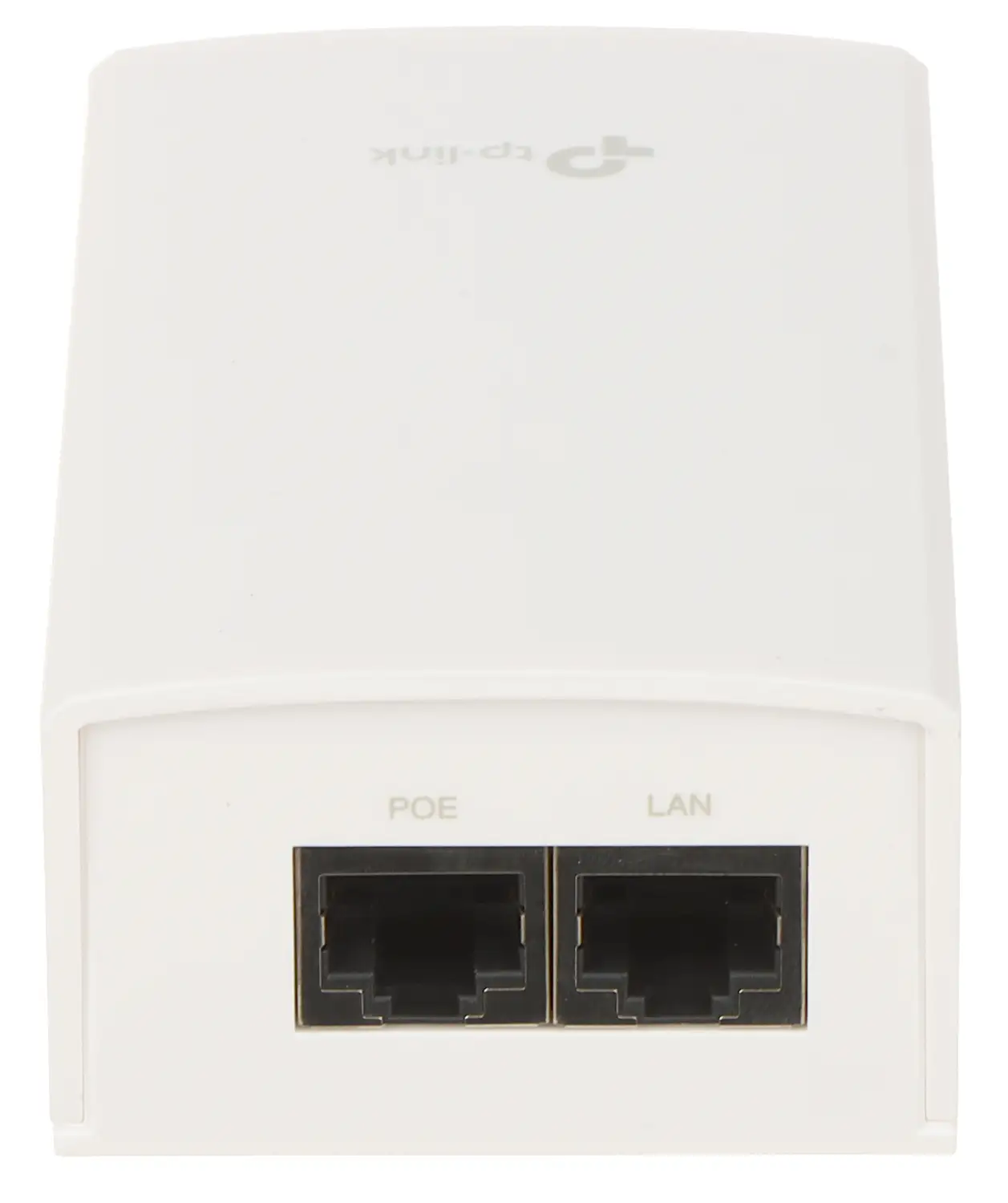
The “convenient wall‑mount design” matches reality: photos and buyer notes confirm tidy, secure mounting that suits home offices or small business setups.
Cross-Platform Consensus
Universally Praised
Convenience is the recurring theme. Across Trustpilot, Reddit, and Quora entries, users laud how the TL-PoE4824G eliminates the need for separate extension cords. A verified buyer noted: “reduces the need for separate power cables, making set up easier and less cluttered.” For installers working in older buildings without ceiling power feed, the ability to place APs freely is a big win.
Cost efficiency is another universally agreed benefit. By combining data and power transmission over a single Ethernet cable, it removes the expense of buying PoE‑capable switches when only a few devices need it. Quora reviewers called it “a straightforward way to inject 48V passive PoE into your network,” ideal for retrofitting select devices without overhauling infrastructure.
Durability also enjoys praise, with users reporting continuous operation for critical APs and cameras without unexpected drops. One Reddit post about powering a U6 Lite for months without issue reinforces this perception of reliability.
Common Complaints
Limited compatibility tops the complaint list. Because it only works with passive 48V PoE, many found it incompatible with PoE+ or 802.3af/at gear. Reddit user oz_mroz shared the frustration of discovering that his Edgerouter X PoE port wouldn’t power a Ruckus AP: “learned the hard way… so add a PoE adapter… strong enough to power the R500.”
Its continuous live cable nature was called out as a hazard in DIY installs. This risk makes it less forgiving in environments where cabling might be reconfigured frequently, compared to active PoE gear that negotiates power before energizing.
The capped 24W maximum power output is a real restriction. While sufficient for many APs, it may under‑deliver for pan‑tilt‑zoom cameras or multi‑radio enterprise APs.
Finally, lack of centralized power management means each injected link is “fire and forget,” requiring manual access to each injector for resets or swaps.
Divisive Features
Some users see the wall‑mount as neat professional finish, while others find it unnecessary when installing near network racks. Likewise, gigabit passthrough is valuable for high-speed WAN, but in small IoT or camera networks capped well below 100 Mbps, that support is moot.
There’s also debate on value: for some, the $24–$25 price is cheap insurance against buying ticketed PoE switches; others feel that given the feature simplicity, prices could be lower, especially when deploying multiples.
Trust & Reliability
Trustpilot and Provantage data show an 8.0/10 score maintained over time. No patterns of scams or misrepresentation emerge; listings are consistent in describing the passive‑only nature. Buyer warnings tend to focus on preventing equipment damage via incorrect cable hookup rather than faulty units.
Long‑term durability stories on Reddit reveal steady service: installations powering outdoor CPE and office APs show no drop‑outs over months of operation. There’s no widespread mention of heat issues or component failure, suggesting dependable build quality, as supported by FCC and RoHS certifications.
Alternatives
Alternatives mentioned are almost exclusively Ubiquiti injectors and specific PoE switches. Reddit user evil_kittie recommended: “if you can't find the U‑POE‑AT with its MSRP of $12, this one can be used instead.”
In cases where IEEE PoE or more output is needed, upgrading to PoE+ gear avoids the hazards of passive power. However, for users powering TP-Link Omada EAP245 or CPE610 units, the TL‑PoE4824G matches specs and price without requiring a larger switch investment.
Price & Value
Current market prices hover between $24.00 (TP-Link Singapore) and $25.49 (eBay US), factoring import charges for some regions. Given the niche compatibility, resale value is modest but stable for IT resellers; small offices replacing APs often keep injectors as spares.
Community buying tips include verifying your device’s PoE type before purchase. As oz_mroz cautioned, “look at the power requirements… buy an adapter strong enough” to avoid mismatch. Bulk purchases for multi‑AP setups can yield small discounts from distributors.
FAQ
Q: Will this work with PoE+ or 802.3af/at devices?
A: No. It only supports passive 48V PoE. Using it with active PoE devices can damage equipment.
Q: What’s the maximum cable run?
A: Up to 100 meters (325 feet) over Cat5e or better, in line with gigabit Ethernet specifications.
Q: Can it power outdoor cameras?
A: Yes, if they require passive 48V and draw less than 24W. Always check the device’s power needs first.
Q: Does it have surge protection?
A: Not explicitly stated; users recommend pairing with surge-protected strips for outdoor or high‑risk installs.
Q: Is it safe to plug/unplug live cables?
A: With passive PoE, the cable is always energized, so unplug with care to avoid equipment damage.
Final Verdict
Buy if you’re running compatible TP-Link Omada APs, CPEs, or other passive 48V devices, need gigabit passthrough, and value a clean wall‑mounted install without investing in a PoE switch. Avoid if your devices require active PoE standards or exceed 24W draw. Pro tip from the community: label your passive PoE lines to prevent accidental cross‑connection with non‑compatible gear.





