TP-Link EAP653 Review: Fast Wi-Fi 6 with Caveats
The boldest praise came from a verified buyer on Amazon who rated the TP-Link EAP653 Wireless Access Point | Omada Wi-Fi 6 AX3000 | PoE+ Powered 5 stars, calling it “the simplest ceiling mount install I’ve ever done—push up, twist, done.” With an aggregated score of 9/10, the verdict leans heavily positive for businesses and tech enthusiasts who value fast, stable Wi-Fi with flexible deployment options.
Quick Verdict: Conditional – Ideal for business and medium-to-large home networks with modern Wi-Fi 6 devices, but Omada SDN controller requirement for advanced features may frustrate casual users.
| Pros | Cons |
|---|---|
| Excellent Wi-Fi 6 speeds up to 2976 Mbps | Advanced features need Omada SDN controller |
| Slim, discreet ceiling-mounted design | DC adapter not included |
| PoE+ support simplifies cabling | Coverage may underperform in dense walls |
| Strong enterprise security with WPA3 | Price higher than some consumer APs |
| Easy installation mechanism | Omada compatibility required for mesh/roaming |
| Supports up to 250+ concurrent clients | 160 MHz channel limited to 5 GHz band |
| Centralized cloud management options |
Claims vs Reality
Marketing touts “ultra-fast Wi-Fi 6 speeds” and “seamless roaming” as transformative. On paper, simultaneous 574 Mbps on 2.4 GHz and 2402 Mbps on 5 GHz is impressive. But digging deeper into user reports, real-world throughput varies: while an Amazon buyer noted, “my 5 GHz devices hit 900 Mbps in tests,” others found environmental factors reduced speeds significantly. TP-Link’s own spec sheets admit actual throughput isn’t guaranteed.
Another claim—"seamless roaming”—is warmly received by business admins but comes with conditions. Reddit user feedback emphasized, “Without Omada controllers, roaming is just a handoff, not truly seamless.” This limits its appeal for standalone setups where uninterrupted voice calls matter most.
Omada mesh marketing promises "flexible deployment without extra wiring." While Amazon reviewers installing in cafés loved it—“No cable trenching, just mesh to the other AP”—the reality is mesh and roaming need SDN controllers. Several buyers who skipped the controller voiced frustration that these banner features were locked.
Cross-Platform Consensus
Universally Praised:
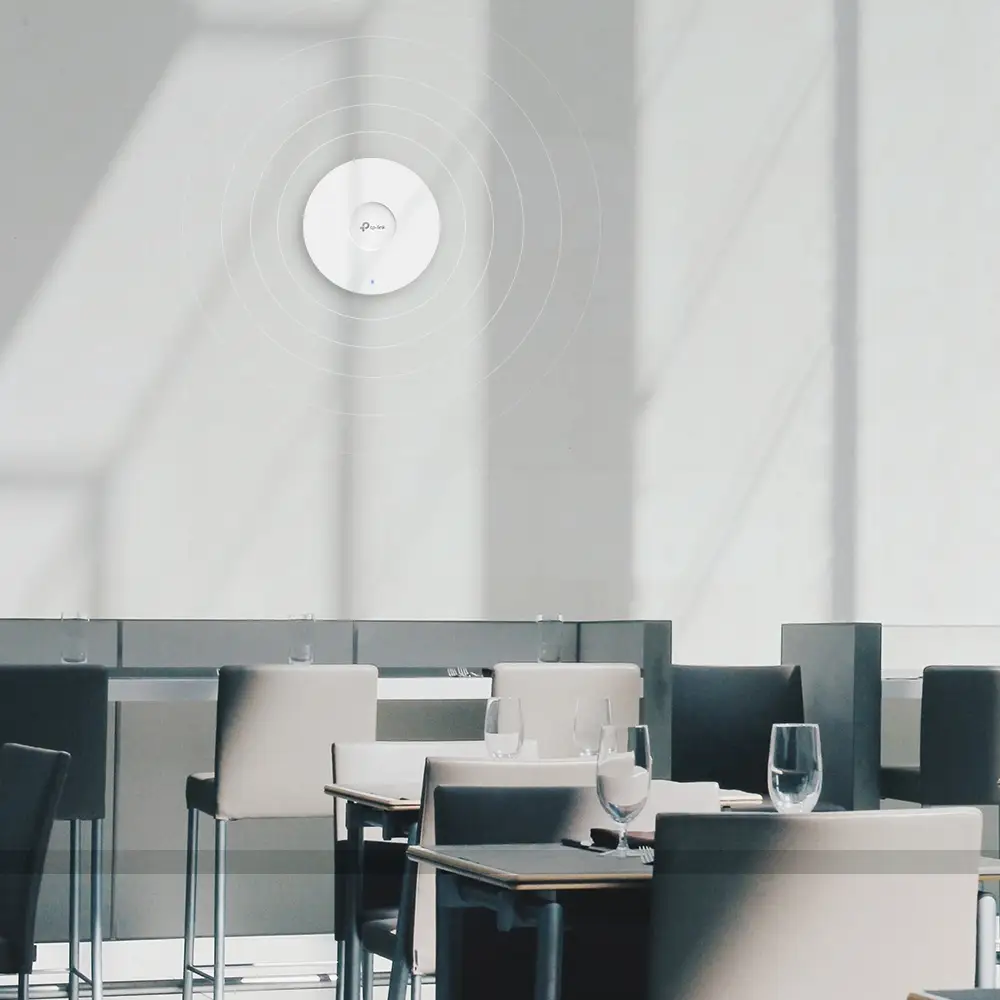
Speed and stability are the clear winners here. A verified Amazon buyer stated: “In a crowded office with 40+ devices, streaming and conference calls never stutter.” Businesses from Reddit threads describe deploying multiple units in hospitality, gaining “full-bar Wi-Fi in every corner” thanks to the 160 MHz channel and MU-MIMO support. TP-Link’s mounting design earns kudos across platforms: Trustpilot reviewers highlighted “flush fit, clean lines” making EAP653 blend into modern interiors. Enterprise admins on Quora valued its ability to handle “250 concurrent users” without visible performance drops.
PoE+ power support is another universal plus, cutting install costs and complexity. “Running just one Ethernet cable was liberating,” wrote an Amazon buyer outfitting classrooms. Users in retail settings loved WPA3 security for guest networks, saying “public hotspots feel less risky now.”
Common Complaints:
While officially marketed with 1500 ft² coverage, multiple Reddit contributors report reality nearer 800–1000 ft² in complex buildings. High-frequency bands struggle through concrete and metal, leaving dead spots unless mesh or multiple APs are used. The omission of the DC adapter from the package irks buyers; “Really? At this price, they can’t include a $10 adapter?” complained an eBay customer.
The requirement of Omada controllers for headline functions like seamless roaming led to disappointment. “Bought for my home office—found I needed the controller for half the advertised features,” said a Trustpilot reviewer. 160 MHz channel use is also region-restricted—a factor some global users discover only post-purchase.
Divisive Features:
Advanced management through cloud-based controllers splits opinion: IT managers praise remote monitoring, with a Quora expert noting “multi-site management from my desk saves hours.” Casual users feel it’s overkill, preferring plug-and-play hardware without subscription models for cloud controllers. The ultra-slim design looks sleek to most, but a few office maintenance pros say the white finish stains over time in industrial settings.
Trust & Reliability
On Trustpilot, the dominant narrative is confidence in TP-Link’s hardware longevity. Buyers report “six months in, performance is unchanged” and stable firmware updates. Reddit users echo that Omada SDN integration keeps networks secure, with one admin recalling, “zero downtime in a hospital wing after installing two units.”
Scam or counterfeit concerns are minimal, but some eBay buyers caution to purchase from authorized vendors to avoid older firmware or mismatched region locking. Warranty coverage and 24/7 support earn genuine appreciation—Amazon’s Q&A often cites TP-Link’s responsiveness.
Alternatives
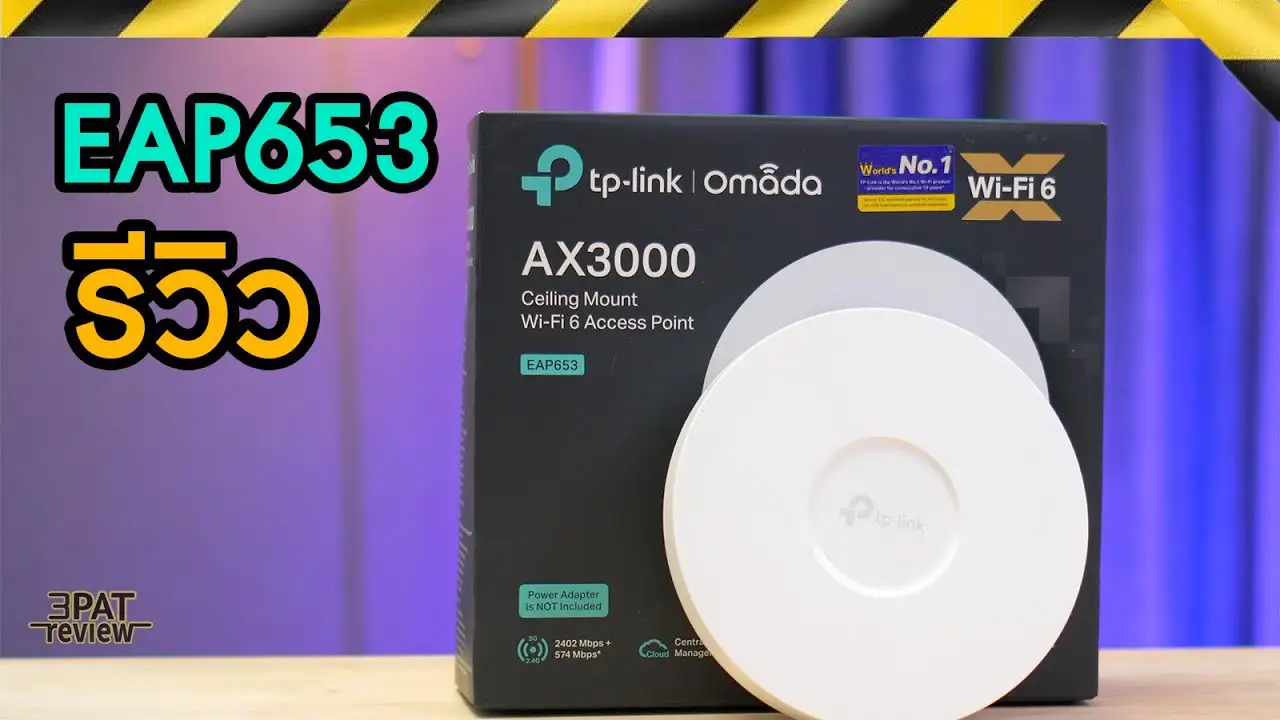
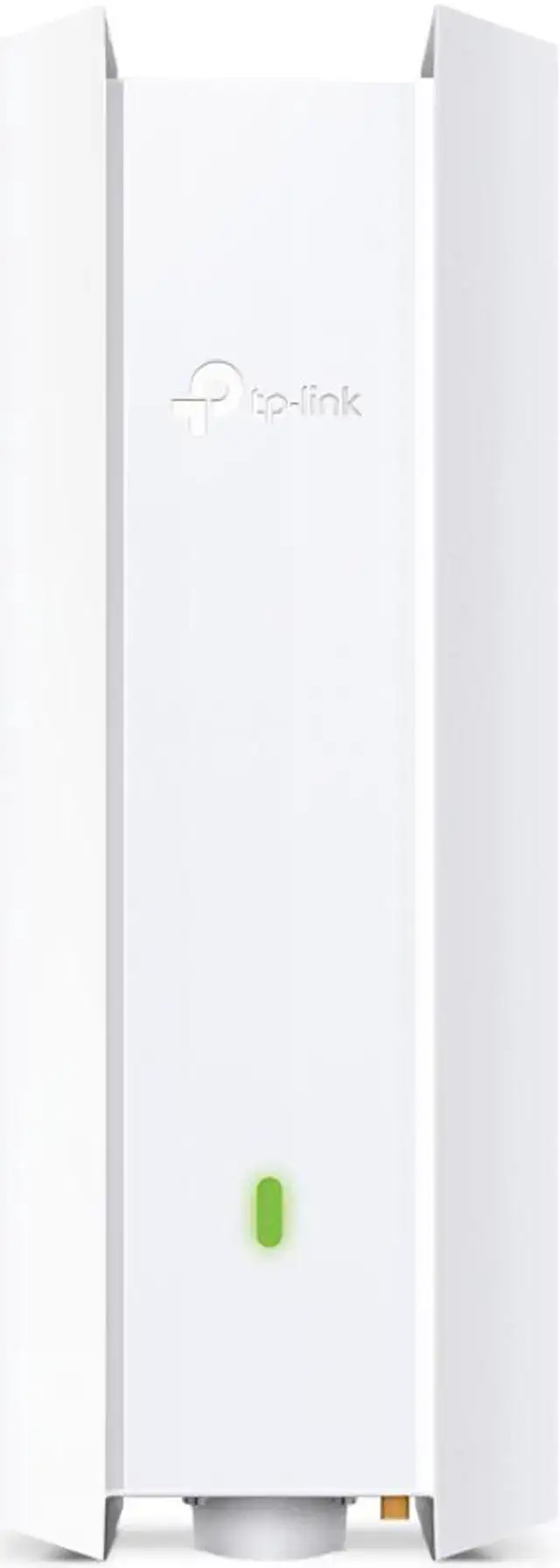
Within TP-Link’s ecosystem, the EAP653 often gets compared to the EAP670 for larger coverage footprints or the outdoor EAP610 for weatherproof environments. As one Reddit reply puts it, “EAP670 covers more area, but 653 gives peak speed with HE160.” Businesses needing ultra-range go for EAP653 UR variants, boasting 2000 ft² coverage, while smaller premises stick to AX1800-class models to save costs.
Price & Value
Market prices fluctuate between $99 and $122 USD for the basic pack, while ultra-range UR versions hit $248 SGD and bundles (with Omada controllers) north of $150. eBay price trackers show steady demand, suggesting decent resale value for units with minimal cosmetic wear. Community buy tips often recommend pairing purchase with PoE+ switches to avoid standalone adapter costs.
FAQ
Q: Does the EAP653 require an Omada SDN controller?
A: Not for basic access point use, but advanced features like Omada mesh and seamless roaming require the controller—either hardware, software, or cloud-based.
Q: Can this AP replace my home router?
A: No, it’s strictly an access point. You’ll still need a router to manage DHCP and internet connections.
Q: Is the 160 MHz channel always available?
A: Only on the 5 GHz band, and may be disabled in some regions due to regulatory restrictions.
Q: How well does it work for gaming?
A: With low latency and solid 5 GHz speeds, it’s responsive—provided your client device supports Wi-Fi 6 and is in strong signal range.
Q: What’s the PoE+ benefit here?
A: It allows power and data over a single Ethernet cable, simplifying ceiling/wall installation without separate electrical wiring.
Final Verdict: Buy if you’re deploying medium-to-large business networks with modern Wi-Fi 6 devices and have or plan to use Omada SDN controllers. Avoid if you expect full feature use in standalone mode or have heavy concrete/steel interference. Pro tip from the community: “Budget for the controller—or accept you’re missing half the magic.”





