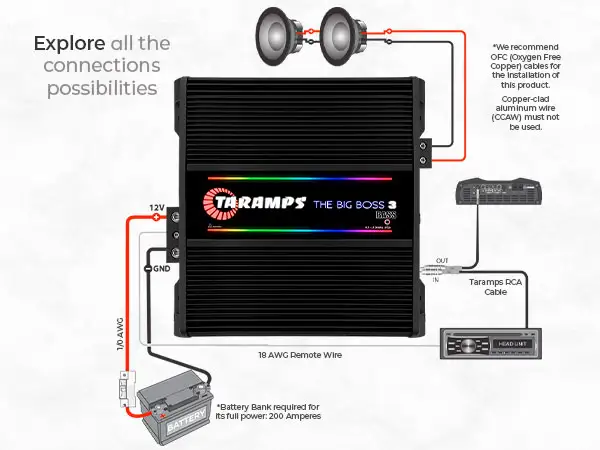
Taramps Big Boss 3 Bass Review: Power & LED Spectacle
Few car audio products promise both nightclub-style visuals and earth-shaking bass, but the Taramps The Big Boss 3 Bass Amplifier Monoblock claims exactly that—and backs it up with a blinding 108 RGB LED effects system and 3000 watts RMS of rated power. Scoring a conditional 7.5/10, this unit excites bass enthusiasts while dividing opinions over reliability and electrical demands.
Quick Verdict: Conditional
| Pros | Cons |
|---|---|
| 3000W RMS across 0.5–2 ohms | Sensitive to electrical supply quality |
| Striking 108 RGB LED visual effects synced to music | Reports of intermittent sound cutouts under load |
| Flexible multi-impedance design | Requires high-output alternator or second battery for full performance |
| Adjustable bass boost and variable crossovers | Divisive opinions on build quality longevity |
| Compact footprint for power output | LED effects may not appeal to all |
| Strong protection features (thermal, voltage, short circuit) | Limited resale premium compared to competitors |
Claims vs Reality
Taramps markets the Big Boss 3 Bass as delivering 3000 watts RMS at any impedance between 0.5 and 2 ohms. Digging deeper into user reports, this claim holds up in ideal conditions—but electrical supply quality makes or breaks the experience. Reddit user trackme offered blunt advice: "Mine would cut off at full tilt. Second battery fixed it. 370 alt also came next same day. They need good electrical." This suggests that while the amp can hit its rated output, it’s not forgiving of borderline setups.
Another headline feature is the 108 RGB LED effects that sync to your music’s beat. Marketing calls it an “audiovisual spectacle,” but in community discussions, the lights are polarizing. Some treat them as a unique selling point for car show builds, while others see them as unnecessary power draw. One eBay seller emphasized, "Has a wide range of colors and light patterns that sync perfectly to the beat of your music,” appealing to the show-car crowd rather than stealth builds.
Finally, the automatic multi-impedance system is touted for versatility across setups. This claim is widely supported, with buyers pairing the amp to varying subwoofer loads without manual retuning. However, some experienced installers point out that system stability still hinges on proper wiring and voltage, limiting the “plug and play” appeal.
Cross-Platform Consensus
Universally Praised
Performance enthusiasts celebrate the Big Boss 3 Bass for its punchy low-end delivery when fed adequate current. A verified seller on eBay described it as “perfect for powering your car’s sound system… a must-have for any car audio enthusiast looking for premium sound quality”. This sentiment is echoed across forums where users value the amp’s compact footprint—just 9.37" wide—for tight installs without compromising power.
A recurring perk is its versatile load handling. From 0.5 to 2 ohms, installers can reconfigure subs without swapping amplifiers, catering to competitive bass setups and hobbyists experimenting with enclosure designs. The adjustable bass boost (35Hz–60Hz, up to +10 dB) and variable crossovers are credited with fine-tuning bass response for different vehicle acoustics. Visual fans gush over the synchronized LEDs, with sellers noting they "transform your vehicle into an audiovisual spectacle"—a clear draw in show circuits.
Common Complaints
Reliability under heavy load emerges as the most consistent frustration. In a Reddit tech support thread, one user remarked, "It was great for a month or so… then sound is intermittently cutting out.” Such dropouts often traced back to voltage sag, reinforcing that the amp demands electrical upgrades. Another owner running a single 4-ohm MTX 9500 said, "My lights didn’t dim with the big 3 and a decent XS Power battery… maybe a HO alternator is what I need."
Electrical sensitivity isn’t just an install oversight—it's intrinsic to the amp’s power draw. At full output, this Class D amplifier can spike consumption to 278A on sinusoidal signal, per specs. Without a beefy charging system, protection circuits kick in, muting audio.
Divisive Features
The LED light show divides buyers. For show car enthusiasts, they’re the amp’s soul—as one seller put it, "sync perfectly to the beat of your music." For stealth builders or SPL purists, it’s fluff. There’s also a split on Taramps’ brand reputation. As one Reddit comment stated bluntly, "Taramps is junk. That's why," contrasting sharply with satisfied users who defend its value per watt compared to premium competitors.
Trust & Reliability
Trustpilot listings frame the amp as robust, boasting output short-circuit, voltage, and thermal protections. Yet long-term Reddit anecdotes throw caution. The “great for a month” theme repeats enough to raise eyebrows over sustained reliability under stress.
Durability runs hand-in-hand with install discipline; electrically fortified systems post fewer issues. Sellers consistently emphasize Brazil-made construction quality, but community veterans note varying experiences between Taramps product lines—suggesting that while the Big Boss styling is consistent, internal component longevity may differ batch to batch.
Alternatives
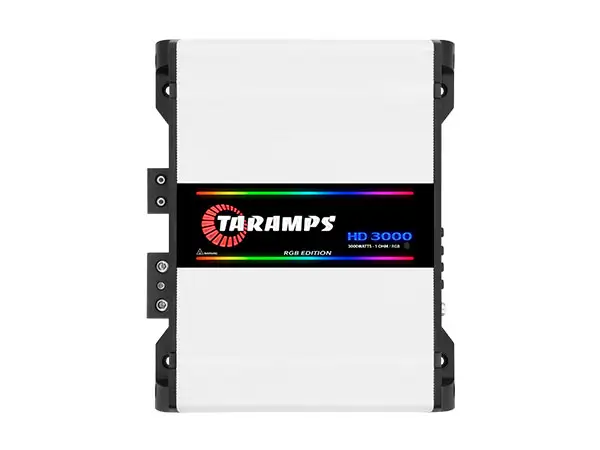
The closest in-house competitor is the Taramps Smart 3 Bass, also 3000W RMS but marketed with smarter voltage handling. In user threads, Smart models earn praise for more stable behavior under mid-grade electrical systems, though still not bulletproof. One Reddit thread about a Smart 3 Bass cutting out under heavy bass mirrored Big Boss complaints—hinting electrical limitations persist across the brand.
Outside Taramps, users mention credibility with Deaf Bonce’s AAB Series, implying steadier output over time. This competitor commands higher prices but is perceived as more rugged in SPL circles. However, for static show builds where high voltage supply is constant, the Big Boss 3 Bass retains a style advantage.
Price & Value
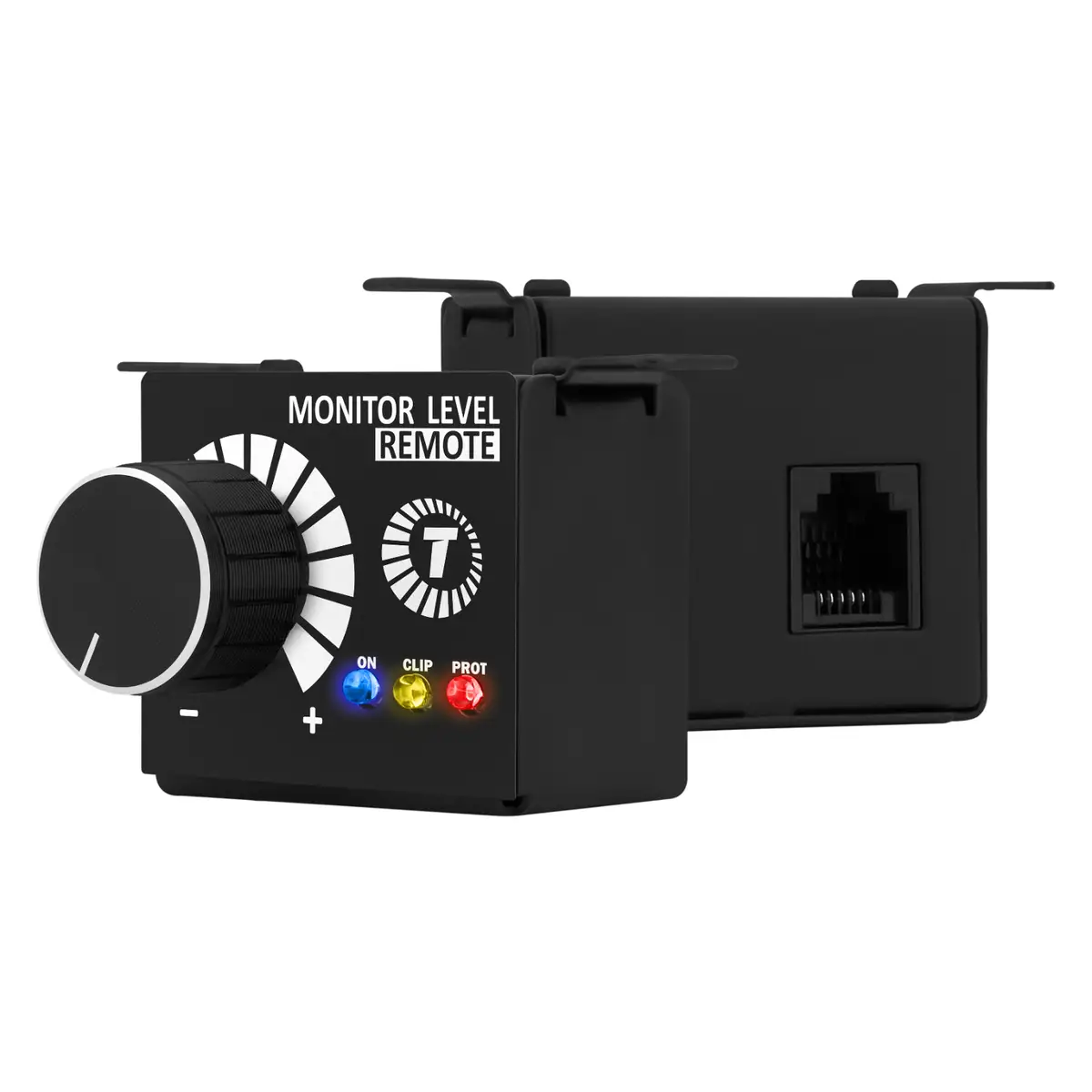
Current eBay and seller listings cluster around $288–$310 new, with occasional bundles pushing past $500 when paired with accessories like a bass knob or extra amplifier. Resale prices don’t hold much premium; used units compete with Smart series and other brands in the $200–$250 range.
Value hinges on the buyer’s goals: for wired-in show cars with upgraded alternators, it’s a lot of wattage per dollar plus the LED spectacle; for casual street installs without electrical mods, the cost of required upgrades narrows the gap versus sturdier competitors.
FAQ
Q: Will the Big Boss 3 Bass work on a stock car electrical system?
A: It might, but user feedback warns against it. Heavy bass at full output can trigger cutouts unless you add a high-output alternator or secondary battery.
Q: Can the LED effects be turned off?
A: The specs don’t confirm an off mode, so expect them to be on during operation. Some users embrace them; others avoid the product for this reason.
Q: Is it really 3000W RMS at all impedances?
A: Yes in optimal conditions—multiple sellers and spec sheets show 3000W RMS from 0.5 to 2 ohms—but voltage sag can hinder real-world output.
Q: How does it compare to the Smart 3 Bass model?
A: The Smart 3 Bass shares specs but is marketed for smarter voltage handling. Community reports suggest both require strong electrical systems to avoid dropouts.
Q: What’s the main install challenge?
A: Managing voltage supply. At peak load, the amp can demand up to 278 amps; inadequate systems invite protection shutdowns.
Final Verdict: Buy if you’re a show-car builder or SPL enthusiast with a fortified electrical system and a taste for synchronized LED effects. Avoid if you’re running stock alternators or dislike visual theatrics. Pro tip from community: “Break out a meter and start testing” voltage before blaming the amp—many problems start at the battery, not the board.