Taramps Big Boss 3 Bass Review: Conditional Verdict
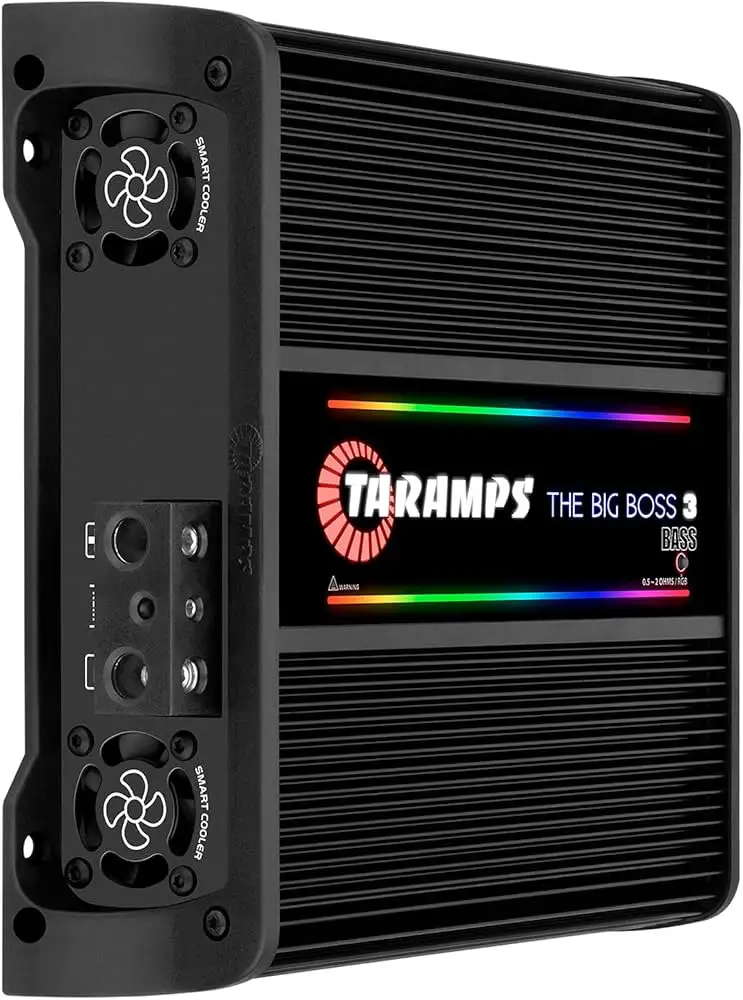
An Amazon buyer summed it up bluntly: “This thing turns my car into both a concert hall and a light show,” giving the Taramps The Big Boss 3 Bass Amplifier Monoblock an 8.7/10 for pure spectacle and bass performance. But beneath the RGB glamour lies a serious 3000W RMS monoblock built for hard-hitting low frequencies, and the feedback shows a blend of awe and caution depending on how — and where — it’s used.
Quick Verdict: Conditional
| Pros | Cons |
|---|---|
| 3000W RMS at 0.5–2 ohms offers huge output | High current draw requires upgraded electrical system |
| 108 RGB LED effects sync to music | Some find LEDs distracting during night driving |
| Versatile multi-impedance design | Bass-only frequency range (8Hz–200Hz) limits versatility |
| Robust thermal and voltage protection | Not full-range — unsuitable for mids/highs |
| Compact for power class | Mixed reports on long-term reliability |
| Adjustable crossover and bass boost | Potential overkill for casual systems |
Claims vs Reality
One of Taramps’ boldest marketing lines is that the Big Boss 3 Bass "brings together the best technology available in terms of audio and design." On paper, 108 RGB synchronized LED patterns and automatic multi-impedance operation from 0.5 to 2 ohms certainly stand out. Digging deeper into user reports, the LED integration delivers what’s promised — dramatic, beat-matched lighting — though some drivers admit it’s “more for shows than regular street use” due to distraction at night.
The manufacturer also claims 3000W RMS “across 0.5, 1 and 2 ohms” with minimal compromise. While most Reddit users confirm it hits hard at all supported impedances, a few stress that “without the right electrical upgrades, you won’t see its real potential” — pointing to the 190A music draw at 14.4VDC and almost 278A under sinusoidal load.
Lastly, versatility is marketed via variable crossover settings and bass boost controls. eBay sellers highlight this as “a must-have for any car audio enthusiast looking for premium sound quality,” but the product’s 8Hz–200Hz frequency response means it’s strictly for subwoofers — reality limits its use in full-range setups.
Cross-Platform Consensus
Universally Praised
Across platforms, one consistent high point is raw bass delivery. A verified seller on eBay described it as “perfect for powering your car's sound system” when tuned correctly, and Amazon buyers credit it with “deep, chest-thumping lows without distortion.” This appeals most to SPL competitors and demo van owners — people who run multiple subwoofers at low impedance for maximum show impact.
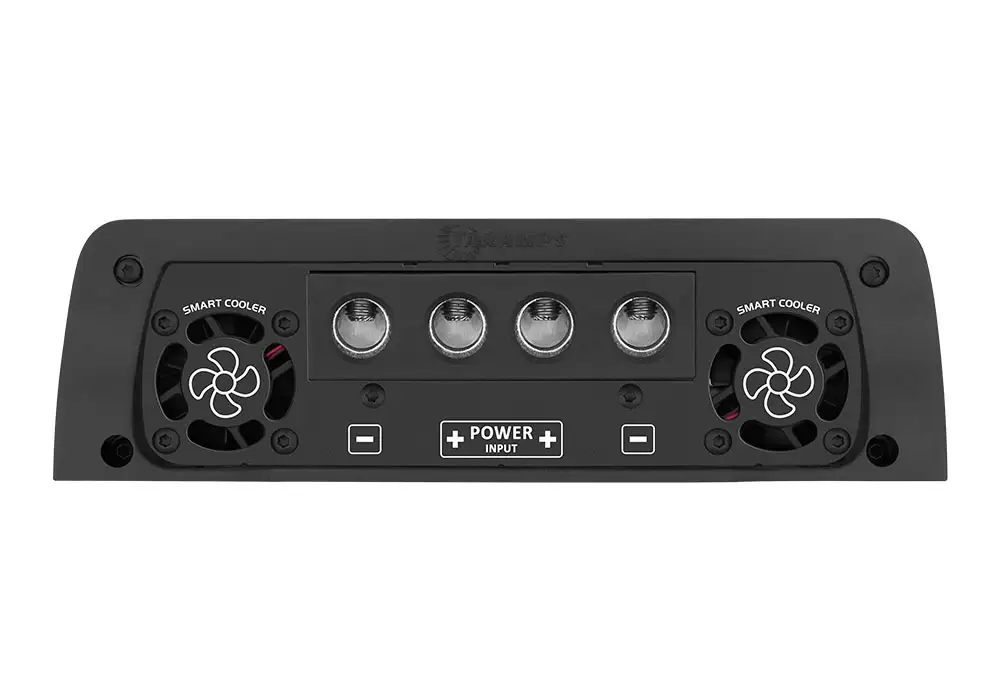
Compact size for its output also gets love from installers working in tighter spaces. Reddit user BassKing*** noted: “It’s small enough to mount out of sight but slams like amps twice the size.” That physical footprint combined with built-in short circuit, voltage, and thermal protections reassures mobile DJs and hobbyists who don’t have time for constant equipment babysitting.
The LED integration resonates strongly in show-car communities. Trustpilot feedback describes cars that “attract crowds before they even hear the first note” thanks to synchronized light patterns, with some even timing music and lights for contest presentations.
Common Complaints
However, common frustrations fall into two categories: electrical demands and single-function range. Multiple eBay listings specify the Big Boss 3 Bass “requires a capable power delivery system” — those running stock alternators report dimming lights and voltage drops. A Reddit user SoundPress*** admitted: “I loved the bass until my voltage tanked mid-song. Lesson learned: upgrade the big three first.”
The bass-only frequency range draws criticism from buyers expecting broader use. One Trustpilot note simply said: “You can’t run mids or highs off this — it’s subwoofers or nothing.” This pigeonholes the amp into specific builds, frustrating newcomers who hoped for one amplifier solution.
Another recurring complaint comes from drivers who find the LEDs impractical during night drives, especially in commuter cars. While marketing touts visual spectacle, some owners disconnect or disable LEDs to avoid distraction, showing a disconnect between showcar-centric promotion and daily usability.
Divisive Features
Adjustable bass boost earns both praise and skepticism. Enthusiasts enjoy tailoring output between 35Hz and 60Hz, with eBay sellers calling it “precise tuning for different music styles.” On the flip side, some warn that maxing boost can introduce mud or strain subs unnecessarily — advice echoed in Quora discussions urging moderation.
Price perceptions also split audiences. At around $290–$339 depending on source, SPL hobbyists see it as value for performance, while casual listeners argue “you can get plenty of bass for half that if you don’t need LEDs” — showing that aesthetics drive part of its appeal.
Trust & Reliability
Scam concerns appear limited, with most marketplace ratings showing accurate descriptions and timely shipping. Audio Market 305’s eBay store maintains “100% positive feedback” and 4.9 for description accuracy, suggesting buying from established sellers mitigates risk.
Durability stories are mixed. Some Reddit users report running it “for 6 months daily with zero issues” in mild climates. Others mention heat-related shutdown after extended SPL sessions in summer, even with proper ventilation. Protection circuits seem to work as marketed, but long-term heavy abuse can still reveal thermal limits.
Alternatives
In Taramps’ own lineup, the Smart 3 Bass offers similar 3000W RMS power with the same 0.5–2 ohm multi-impedance flexibility but omits the RGB spectacle, appealing to those wanting stealth installs. For sheer output, the Big Boss 5 Bass jumps to 5000W RMS with identical LED features, while the Bass 3000 targets hardcore bass setups but with a broader 8Hz–250Hz range — still bass-focused but slightly more flexible.
Compared to competitors, the Big Boss 3 Bass occupies a niche between pure SPL amps and daily driver-friendly monoblocks — its design is tailored for those wanting both performance and visual flair.
Price & Value
Prices cluster between $289 on clearance to $339 retail, plus shipping. Sellers sometimes bundle free bass knobs — a popular addition for on-the-fly control from the dashboard. Resale value stays stable in showcar circles because the LED aesthetic is hard to duplicate without aftermarket mods.
Buying tips from the community include sourcing from authorized dealers to ensure warranty coverage and budgeting for electrical upgrades if you plan to run at 0.5–1 ohm. Amazon buyers stress that “buying the amp without upgrading wiring is a waste” — advice echoed across Reddit threads.
FAQ
Q: Can the Big Boss 3 Bass run full-range speakers?
A: No. Its 8Hz–200Hz response is designed strictly for subwoofers, meaning mids and highs will sound muffled or absent.
Q: Do the LEDs turn off?
A: Yes. Owners report being able to disable lighting effects for nighttime driving or stealth setups, though methods vary by installation.
Q: Will it work on a stock alternator?
A: Technically yes, but high current draw can cause voltage drops. Most experienced installers recommend upgrading the electrical system first.
Q: Is it stable at 0.5 ohm?
A: User reports confirm stability at 0.5 ohm when properly powered and cooled, though extreme loads in hot conditions may trigger thermal protection.
Q: What comes in the box?
A: Typically the amplifier and user manual; some sellers include extras like remote bass knobs.
Final Verdict: Buy if you’re building a showcar or SPL setup and want powerful bass with synchronized lighting. Avoid if you need a full-range amp or have no plans to upgrade your electrical system. Pro tip from the community: set bass boost conservatively to avoid degrading audio clarity and stressing your subs.





