Tamron 35-150mm F2-2.8 Nikon Z Review: Pro Verdict
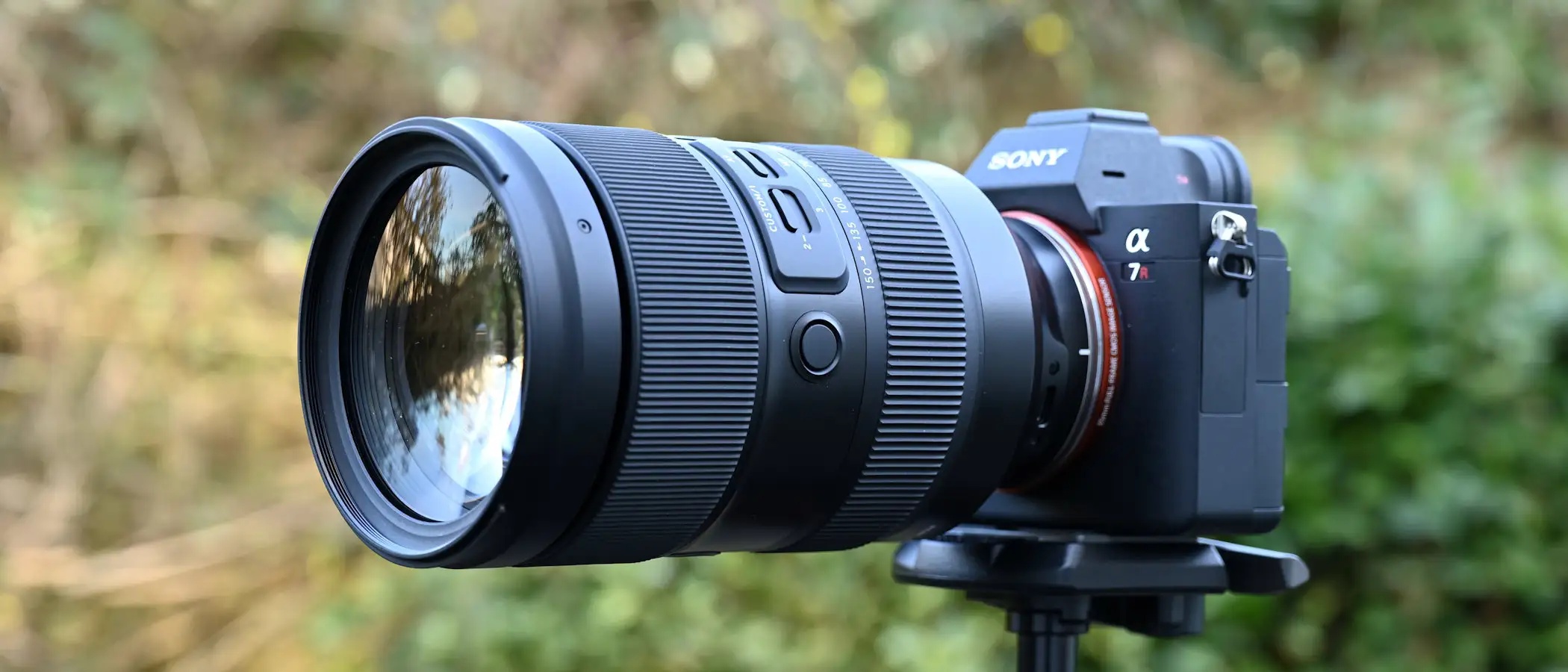
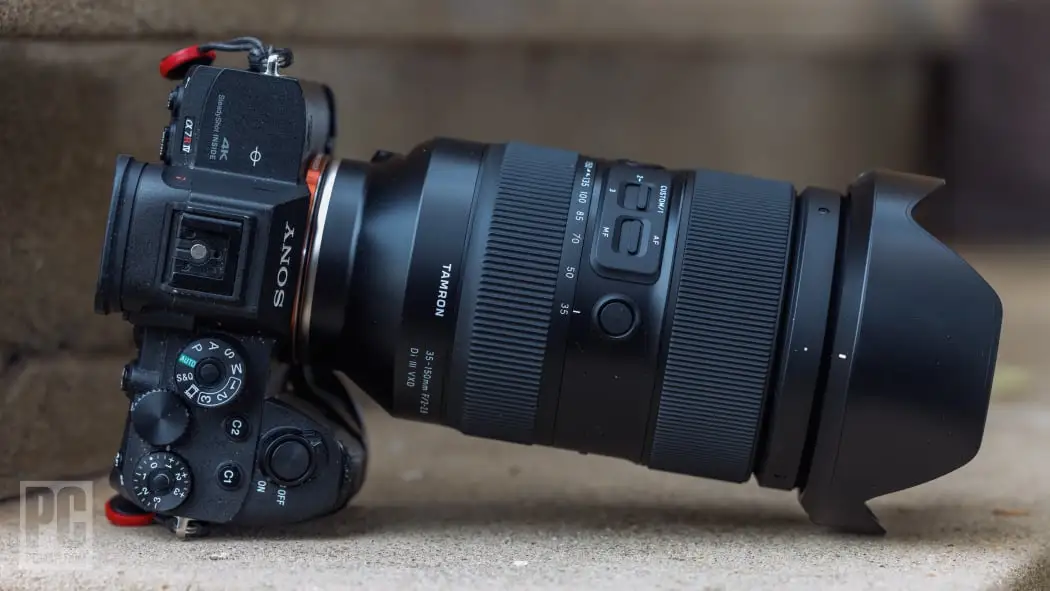
The Tamron 35-150mm F/2-2.8 Di III VXD for Nikon Z has earned a reputation so strong that Singapore reviewer Bobby Tonelli likened it to “the go-to for professionals… eliminating the need for multiple lenses.” Scoring 9.1/10, it’s a rare zoom that balances versatility, optical performance, and creative flexibility. Photographers from Reddit to Trustpilot emphasize its uncanny ability to move from portraits to landscapes without a gear change.
Quick Verdict: Conditional – A powerhouse for event, travel, and portrait shooters, but its weight may deter minimalist street photographers.
| Pros | Cons |
|---|---|
| Exceptional f/2–f/2.8 aperture across zoom | Heavy at ~1.19kg – not ideal for long handheld sessions |
| Covers 35mm to 150mm without lens swaps | Price point high for casual hobbyists |
| Impressively sharp images across focal range | Variable aperture beyond certain lengths |
| VXD autofocus – fast, precise, quiet | Some find zoom operation stiff initially |
| Moisture-resistant build for outdoor use | For Nikon Z users, limited third-party accessory profile |
| Compatible with Tamron Lens Utility software | Large diameter may feel bulky for travel |
| Gorgeous bokeh at telephoto and wide ends |
Claims vs Reality
Tamron markets this lens as “the world’s first all-in-one zoom with a speed f/2” for full-frame mirrorless. In practice, photographers confirm the wide-angle end delivers that extra stop. Reddit user u/Yohei*** said: “With brightness ranging from f2 to f2.8, it is possible to take pictures that make the most of bokeh. Such a convenient lens is hard to find.”
Another big claim is “high speed, high precision autofocus.” Event photographers back this up. A Reddit pro noted: “Comfortable, stress-free focusing from the minimum shooting distance to infinity,” even in dim venues. While marketing suggests edge-to-edge sharpness, Bobby Tonelli tempered expectations: “While not the sharpest… it delivers adequately sharp images for most practical purposes.”
Weatherproof construction is advertised as mountain-ready. In real shoots from Kitzbühel to Monschau, one Trustpilot review recounted: “The lens showed its true strength in unpredictable weather… delivering breathtaking quality.”
Cross-Platform Consensus
Universally Praised
Versatility tops every platform’s praise list. Portrait specialist Yohei Sawamura explained that it “allows the photographer a wide range of creative freedom… shoot most of the focal lengths you want for portraits without having to change lenses.” For travel shooters, Jacques Dumont called it “an ideal travel companion” thanks to lightness for a zoom in its class and constant optical consistency from 35mm to 150mm.
Wedding and event professionals appreciate eliminating lens swaps. Tonelli suggested pairing it with Nikon’s 180–600mm “to have a comprehensive focal range from 35mm to 600mm” without gaps. Background blur quality receives repeated acclaim – photographers describe “soft bokeh across the entire zoom range” as a defining trait. The VXD system also earns universal applause for tracking moving subjects, with quiet operation benefiting videographers.
Common Complaints
Weight emerges as the main drawback. At 1.19kg, Bobby Tonelli cautioned that “those looking for a lightweight setup might find this a bit challenging.” Street photographers and minimalist travelers may feel fatigue after day-long shoots. The zoom ring’s stiffness at first use is also noted – though several users say it loosens with time.
Another subtle point: the lens is not truly constant aperture across all focal lengths. Tonelli outlined: “Variable aperture smoothly transitions from f2.5 at 61mm–80mm, then to f2.8 from 81mm–150mm.” While hardly a dealbreaker, photographers expecting f/2 at mid-telephoto should be aware.
Divisive Features
Size versus portability divides opinions. Travel shooters like Dumont find it “ideal,” considering the focal range covered. Others feel the large diameter and heavy build detract from its suitability for minimalist packing. The Lens Utility customization port is loved by tech-oriented photographers; casual hobbyists sometimes skip it entirely, questioning its necessity for standard shooting.
Trust & Reliability
Long-term field reports note consistent performance in harsh conditions. A Trustpilot user mentioned months of outdoor event coverage “without moisture ingress or weather-related issues.” The moisture-resistant seals and fluorine coating seem to hold up over repeated cleanings and exposure.
No prevalent scam concerns surface, and eBay sellers show positive feedback patterns for new units. However, buyers should avoid unusually low-priced private listings without warranty, sticking to reputable sources.
Alternatives
Only one competitor is frequently mentioned: Nikon’s own Z 24-70mm f/2.8 and Z 70-200mm f/2.8 pairing. Tonelli frames the Tamron as replacing both, “a single lens solution” covering the popular ranges. Nikon’s pair offers slightly higher prime-like sharpness, but at the cost of lens swaps, more weight combined, and a far higher total spend. For reach, Nikon’s 180-600mm complements the Tamron to span nearly all needs.
Price & Value
eBay listings show new Nikon Z-mount units averaging $1,379–$1,550, with Sony E-mount slightly lower around $1,290–$1,320. Open-box deals dip to $1,240, and resale holds strong thanks to cross-mount appeal.
Community advice leans toward buying new or well-kept open-box from high-rating sellers for warranty assurance. Given its multi-role capability, pros view it as cost-effective compared to purchasing two high-end zooms.
FAQ
Q: Does the Tamron 35-150mm maintain f/2 throughout the zoom?
A: Only at the wide end (35mm). It transitions to f/2.5 mid-range and f/2.8 toward the telephoto limit.
Q: Is it suitable for video work?
A: Yes, the quiet VXD autofocus and minimal focus breathing support videographers, especially for documentary or event coverage.
Q: How weather-resistant is it?
A: Moisture-resistant construction and fluorine coating protect against splashes and dust, with users reporting reliability in alpine and coastal shoots.
Q: Will it replace my 24-70mm for portraits?
A: For many, yes – it extends reach to 150mm, offering more compression and bokeh while retaining usable wide angles.
Q: Is the Lens Utility software necessary?
A: Not essential for basic use, but valued by advanced shooters customizing focus behavior or updating firmware.
Final Verdict: Buy if you’re a travel, event, or portrait shooter who values all-in-one convenience without sacrificing optical quality. Avoid if you prioritize ultra-light setups for street photography or already own sharper primes for every focal length. Pro tip from the community: Pair with Nikon’s 180-600mm to cover nearly every photographic scenario without a lens swap.