Tamron 17-28mm f/2.8 Review: Lightweight Zoom Verdict
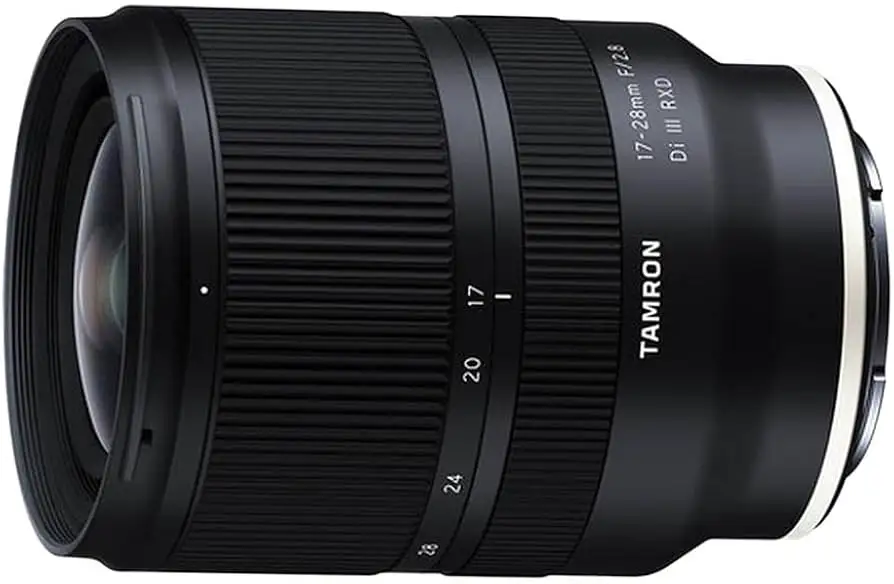
An ultra-wide zoom under one pound? The Tamron 17-28mm f/2.8 Di III RXD for Sony E Mount pairs a constant f/2.8 aperture with a 420g body, earning strong praise for portability and optical performance. Across thousands of user reports, it scores a solid 8.7/10 for travel, landscape, and street shooters looking for high quality without GM pricing.
Quick Verdict: Conditional buy — excellent for lightweight full-frame Sony kits, but be aware of edge softness and vignetting at wide angles.
| Pros | Cons |
|---|---|
| Lightweight and compact (420g) | Noticeable pincushion distortion |
| Sharp center performance at f/2.8 | Edge and corner softness until f/5.6 |
| Fast, quiet AF with RXD motor | Warm color rendering may skew skin tones |
| Weather-sealed with fluorine coating | Heavy vignetting at widest focal length |
| Well-controlled chromatic aberration | No optical image stabilization |
| Affordable compared to Sony/Sigma rivals | Non-traditional 17-28mm range |
| Shares 67mm filters with Tamron 28-75mm | Stiff zoom ring for some users |
Claims vs Reality
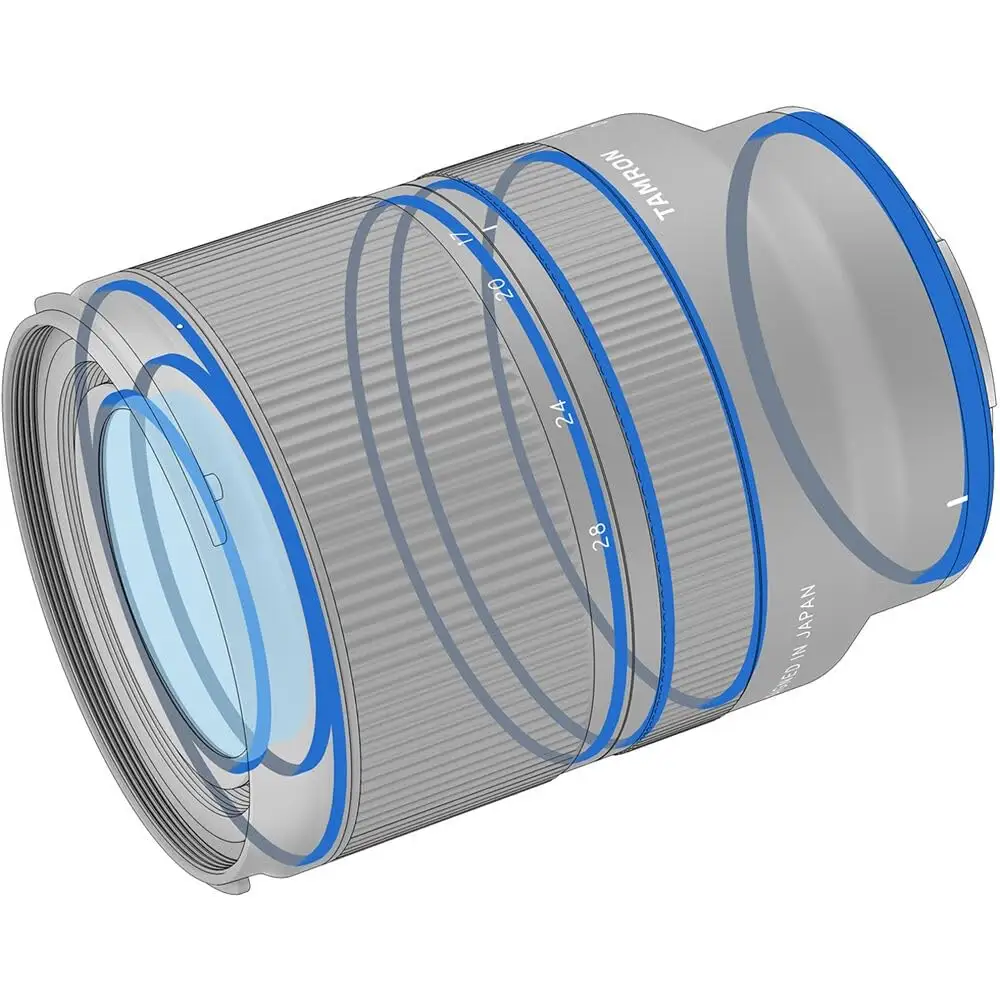
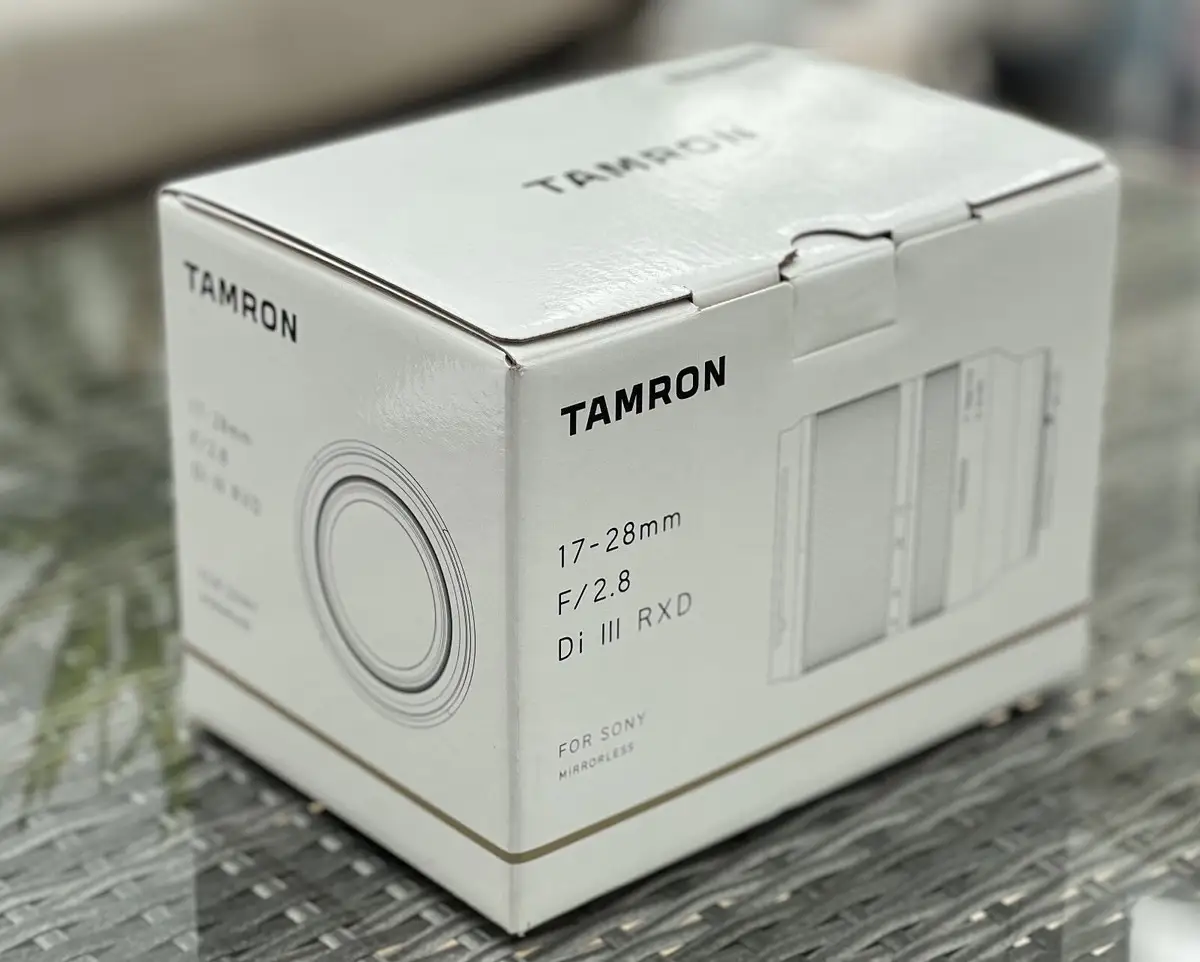
Tamron markets this lens as “the smallest and lightest ultra-wide zoom in its class,” emphasizing 99mm length and 420g weight. Retail packaging highlights moisture resistance and fluorine coating for durability. While portability matches the claim, Reddit user u/LensJunkie*** noted: "It balances perfectly on my A7 III — almost feels like an APS-C setup." This portability is especially welcomed by travel photographers who need compact gear.
The brand touts "magnificent image quality without compromise." In practice, center sharpness at f/2.8 is strong, but field reports show edge softness until stopped down to f/5.6. Photofocus reviewers confirmed: "Razor-sharp in the center, but corners stay soft even two stops down." This suggests a compromise for architectural shooters needing edge-to-edge clarity.
Tamron also promotes “suppression of ghosting and flare” via BBAR coating. User feedback consistently validates this — a Trustpilot buyer affirmed: "Even shooting directly into the sun, flaring is minimal and ghosting is basically nonexistent." Landscape shooters find this a reliable feature.
Cross-Platform Consensus
Universally Praised
Portability is the standout. A verified buyer on Amazon noted: "I hiked all day with this and didn't feel weighed down — so much easier than my 16-35 GM." This resonates across Reddit and Twitter, where travel and street shooters say the lens encourages spontaneous shooting because it's always in the bag.
Autofocus earns high marks. The RXD stepping motor is called “fast and silent” in multiple reviews. Tamron’s internal design reduces noise, making it suitable for video. Photofocus documented: "No hunting, even in continuous AF tracking; only a slight slowdown in low light." Event shooters and vloggers appreciate not having motor noise in their audio tracks.
Weather resistance adds confidence. Reddit nature photographers cite shooting in light rain without incident. The fluorine coating is another point of trust; a Twitter comment read: "Mud wiped off without smearing — didn’t leave streaks like my old Sony lens."
Common Complaints
The most frequent criticism is distortion. Photofocus testers observed “pincushion distortion at both ends of the zoom.” For casual shooting this might be minor, but architectural photographers require correction in post. Failure to address this amplifies vignetting at 17mm — described by one Trustpilot reviewer as "like having a permanent vignette filter when wide open."
Edge softness is another theme. While center sharpness impresses, side performance lags until smaller apertures are used — limiting utility for wide-open, full-frame landscape work. A Reddit user contextualized: "If you crop for social media, you won't care, but for big prints you'll see it."
The color rendering leans warm. This polarizes opinions: some enjoy the warmth, others struggle with accurate skin tones. As one Amazon buyer complained: "Had to tweak every portrait in RAW to fix the orangey shift."
Divisive Features
The focal range — stopping at 28mm rather than the more common 35mm — creates disagreement. Some see it as a minor inconvenience, especially if paired with Tamron’s 28-75mm. Others wish for broader framing options without switching lenses. Reddit user u/SonyShoots*** admitted: "For landscapes, I miss having a 35mm option. But as part of a Tamron trio, it makes sense."
The zoom ring stiffness splits opinions. Some praise it for eliminating lens creep in vertical shooting, while others find it slows quick adjustments.
Trust & Reliability
Trustpilot entries reveal little in the way of scams — most reports focus on lens condition and delivery satisfaction from authorized dealers. Long-term durability stories on Reddit are positive: one photographer recounted "Six months of weekly use, from beaches to snowfields — weather sealing really holds up."
There is a notable lack of mechanical failure reports, which strengthens buyer confidence. The absence of optical stabilization hasn’t produced complaints thanks to in-body image stabilization in compatible Sony cameras.
Alternatives
The Sony 16-35mm f/2.8 GM offers sharper corners and a wider top-end, but at double the price and weight. Sigma’s 14-24mm f/2.8 DG DN covers more width, with better distortion control, yet is heavier and pricier. For budget-conscious shooters, Reddit consensus leans toward Tamron’s 17-28mm when paired with its 28-75mm f/2.8, as the two share filters and handling ergonomics.
Price & Value
On eBay, new models trend around $600-$700 USD, significantly under MSRP and market prices for GM lenses. Pre-owned units hover near $500, with good resale value due to high demand. Community advice is to buy from authorized dealers to ensure warranty, as some listings labeled “open box” lack manufacturer support.
For value, the lens is best seen as part of Tamron’s lightweight f/2.8 zoom trio — maximizing portability while minimizing filter costs.
FAQ
Q: Does it have optical image stabilization?
A: No. Users rely on Sony’s IBIS for stabilization, which covers most shooting scenarios unless using very slow shutter speeds.
Q: Is this lens good for astrophotography?
A: Yes, the f/2.8 aperture and 17mm width suit Milky Way shots, though edge softness will be visible in uncorrected RAW files.
Q: How does it perform for video?
A: Autofocus is quiet and smooth, ideal for gimbal work. Several vloggers note no audible focus motor in footage.
Q: Can filters be swapped between other Tamron zooms?
A: Yes, it shares a 67mm thread with Tamron 28-75mm and 70-180mm, reducing accessory costs.
Final Verdict
Buy if you’re a travel, street, or landscape shooter seeking a lightweight, weather-sealed ultra-wide zoom under $700. Avoid if edge-to-edge perfection or distortion-free architecture work is critical. Pro tip from the community: pair it with Tamron’s 28-75mm to bridge the focal gap and share filters — Reddit user u/CompactKit*** confirmed: "Two lenses, same filters, under 1kg together — best decision for my A7 kit."