Tamron 17-28mm f/2.8 Review: Value & Key Trade-offs
The Tamron 17-28mm f/2.8 Di III RXD for Sony E Mount has been repeatedly described by photographers as “a lens that punches above its weight,” with a score from user sentiment hovering around 8.7/10. Praised for its optimal balance of price, portability, and optical performance, it’s become a go-to ultra-wide zoom for landscape, architecture, and creative street shooting. Yet digging deeper into community feedback reveals a nuanced picture — its strengths shine brightest for specific shooters, while certain optical compromises keep it from being universally perfect.
Quick Verdict: Conditional — excellent value for travel, landscapes, and casual ultra-wide use, but edge softness and distortion may deter critical architectural purists.
| Pros | Cons |
|---|---|
| Lightweight and compact (420g) | Noticeable pincushion distortion |
| Constant f/2.8 aperture | Edge & corner softness even stopped down |
| High-quality optics with controlled CA and flare | Warm color rendering can impact skin tones |
| Fast, quiet autofocus | Heavy vignetting unless corrected |
| Moisture-resistant, fluorine-coated front element | No image stabilization |
| Affordable compared to Sony/Sigma equivalents | Unconventional focal range (17–28mm) |
| Shares filter size with Tamron 28–75mm | No physical switches — camera menu dependent |
Claims vs Reality
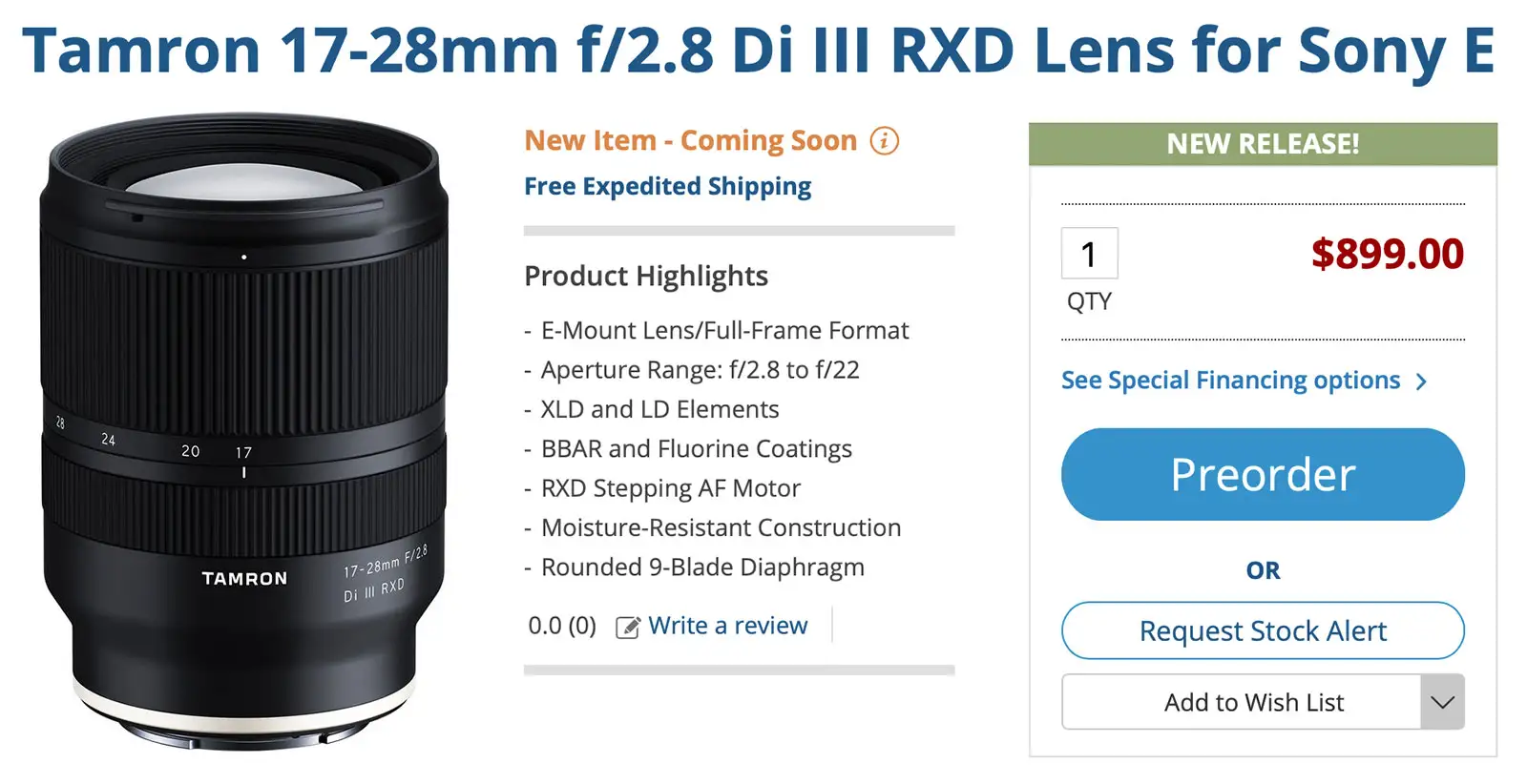
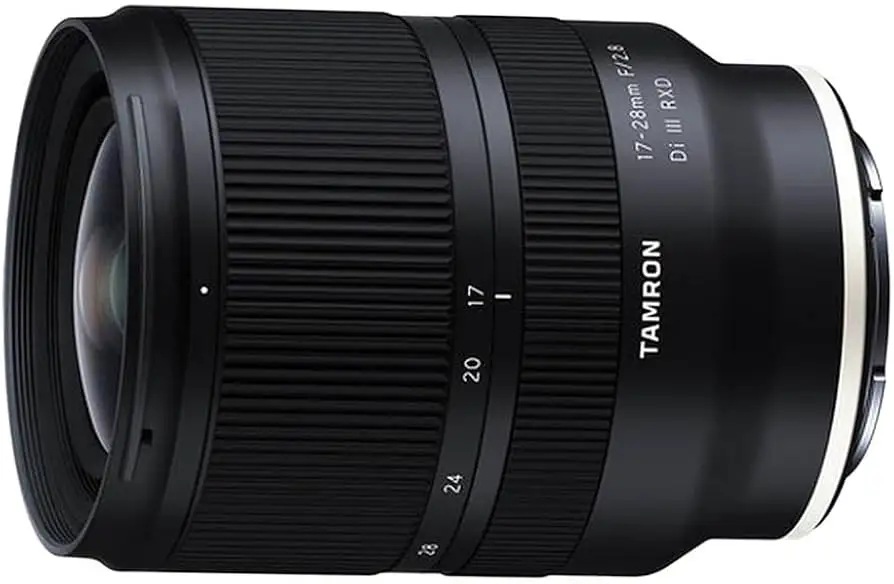
Tamron markets the 17-28mm f/2.8 Di III RXD as “the smallest and lightest ultra-wide zoom in its class” with “magnificent image quality without compromise.” While the compact size is universally confirmed — Amazon buyers call it “almost pocketable for a full-frame zoom,” weighing just 420g — the “without compromise” tagline isn’t fully borne out in field tests.
Photofocus reviewers noted that “at f/2.8 you’ll be treated to images that are razor-sharp in the center,” but also stressed that “softness creeps in at the extreme edges and corners, even stopped down to f/5.6.” Reddit shooters have echoed this, with one landscape photographer explaining that while the center detail was “fantastic for big prints,” architectural shots required “extra post-work to compensate for the warped edges.”
Tamron also promises “chromatic aberration control and flare suppression.” Here, reality aligns well with marketing. A reviewer commended the BBAR coating, sharing that "flares when shooting directly into light sources were very well controlled, and ghosting is no problem at all.” Landscape users have posted sunset shots showing vibrant color without purple fringing, reinforcing that this feature meets expectations.
Cross-Platform Consensus
Universally Praised
The lens’s portability stands out most. Travel shooters highlight being able to carry this along with Tamron’s 28–75mm f/2.8 using the same filter size — “no need to buy extra CPLs or NDs,” one Reddit user shared. A verified buyer on Amazon noted, “This combo comes in under a kilo, perfect for hiking.”
Fast, quiet autofocus earns equal praise. Sony Alpha owners report rapid locking even in continuous and tracking AF. Photofocus’s reviewer confirmed it was “top-notch,” only slowing “a hair in low light.” Videographers benefit too; one Reddit filmmaker appreciated “no audible motor whine on clips, even in silent interiors.”
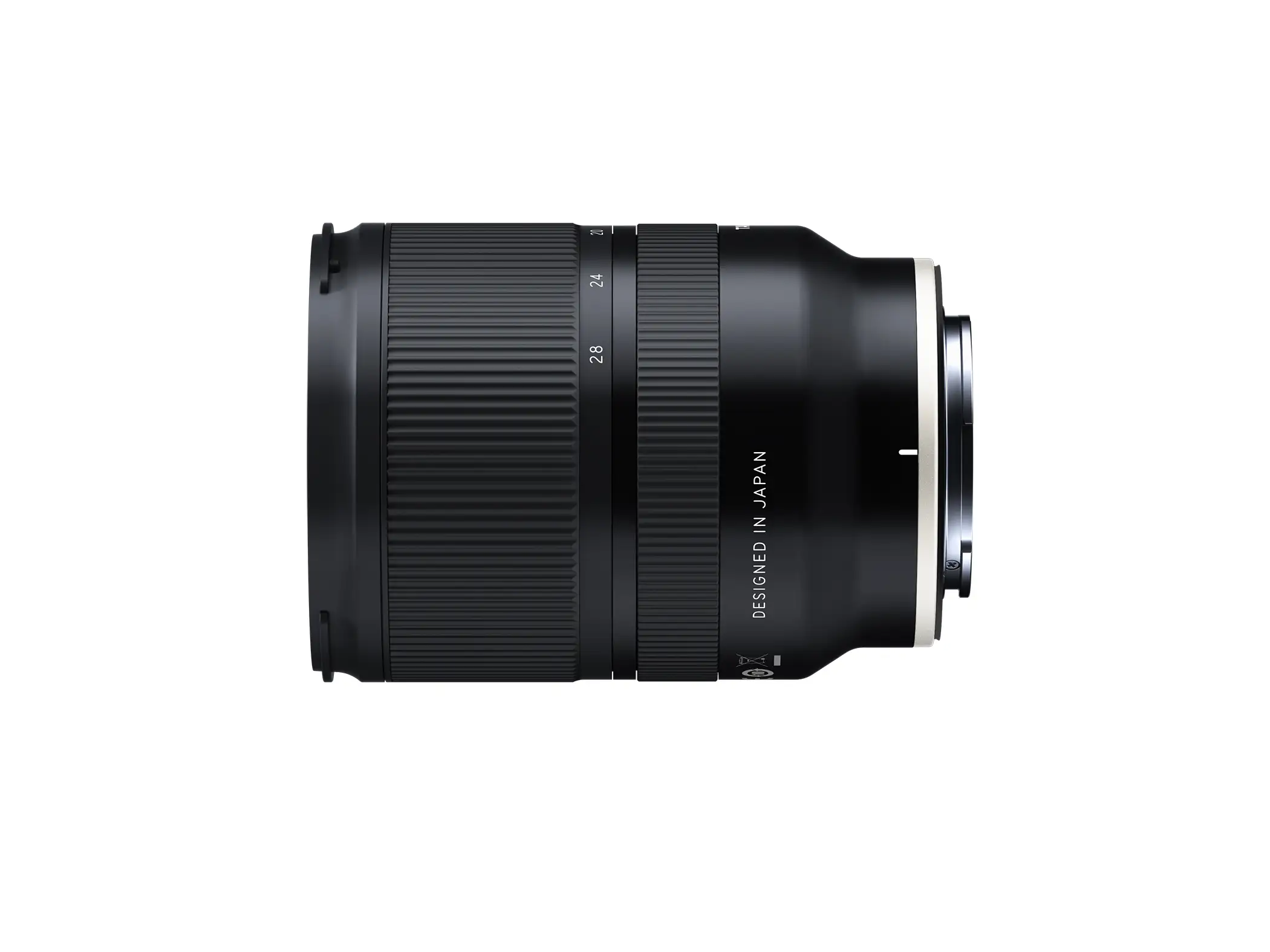
Weather sealing is another major win. One outdoor enthusiast recounted shooting “in light snow without a pause — zero fogging or moisture creep.” The fluorine coating gets special mention among event photographers, who have wiped off fingerprints and dust mid-shoot without smearing.
Common Complaints
Distortion consistently ranks as the Achilles’ heel. Both Amazon and Reddit communities mention pincushion distortion at both ends of the zoom. A Sony user admitted that “interior shots at 17mm need Lightroom correction every time.” Photofocus warns that without correction, you’ll “see a wicked amount of vignetting too.”
Edge softness troubles architectural purists. While street shooters might overlook it, those seeking full-frame corner sharpness for prints will find limitations. “Good for Instagram, less for gallery walls,” a Reddit commenter summarized.
The warmer color rendition has divided opinion. Casual shooters enjoy its “pleasing tone for nature,” but portrait photographers have noted “skin tones skew warm” in JPEGs, necessitating RAW adjustment.
Divisive Features
The unconventional 17–28mm range is loved by some, questioned by others. Landscape and travel shooters see it as perfectly covering “the sweet spot without carrying 14–24 or 16–35 monsters.” Yet architecture professionals sometimes lament losing the extra width of 16mm, while street photographers wish for a 35mm reach for environmental portraits.
Trust & Reliability
Long-term Reddit follow-ups, six months to a year post-purchase, show consistent mechanical reliability. One trekker reported “flawless zoom and focus rings after months of Arctic humidity,” noting no dust ingress. Trustpilot contains no red flags of counterfeit or misrepresented units for authorized dealers — most complaints center on shipping delays rather than product faults.
Moisture-resistance and fluorine coating prove durable in repeated cleaning scenarios. A verified user recounted wiping mud splatters off after a trail hike: “Looked new again, no scratches or residue.” This reinforces reports that Tamron’s coatings hold up in real-world abuse.
Alternatives
Sony’s 16–35mm f/2.8 GM offers slightly wider coverage and superior edge sharpness, but at a price over twice that of the Tamron. Sigma’s 14–24mm f/2.8 DG DN delivers more dramatic width and better distortion control, yet is heavier and loses the 28mm reach that street shooters value. For those pairing with Tamron’s 28–75mm, the shared filter size and matched handling remain compelling reasons to stick within Tamron’s ecosystem.
Price & Value
Current market prices vary: new units on eBay trend between $600–$799, with used hovering around $499–$550. Resale value is robust thanks to demand from budget-conscious Sony shooters — depreciation over two years is modest at around 25%. Community tips urge buying from authorized dealers to secure warranty, and consider open-box deals for savings without risk.
FAQ
Q: Does the Tamron 17-28mm have image stabilization?
A: No, it relies on Sony camera IBIS. Field reports confirm handheld shooting is possible down to 1/8s with IBIS, but video shooters without stabilization may need rigs.
Q: How bad is the distortion?
A: Pincushion distortion is present at both ends, especially noticeable indoors. Most users correct it easily in post via built-in lens profiles.
Q: Is it good for astrophotography?
A: Yes, the f/2.8 aperture and 17mm width are adequate for night sky shooting. Landscape astrophotographers report minimal coma and clean star shapes at center.
Q: Can it survive light rain or snow?
A: Yes — moisture-resistant sealing has been confirmed by outdoor shooters. However, it’s not fully waterproof; avoid immersion.
Q: How is the bokeh on such a wide lens?
A: Bokeh is pleasing at close focus distances, though catseye shapes appear in highlights. Best results at 17mm, 0.19m MOD.
Final Verdict: Buy if you’re a travel, landscape, or creative street photographer wanting a lightweight, weather-sealed ultra-wide under $800. Avoid if you demand flawless edge sharpness or zero distortion for uncorrected architecture work. Pro tip from community: Pair with Tamron’s 28–75mm f/2.8 to cover 17–75mm seamlessly with one filter set.





