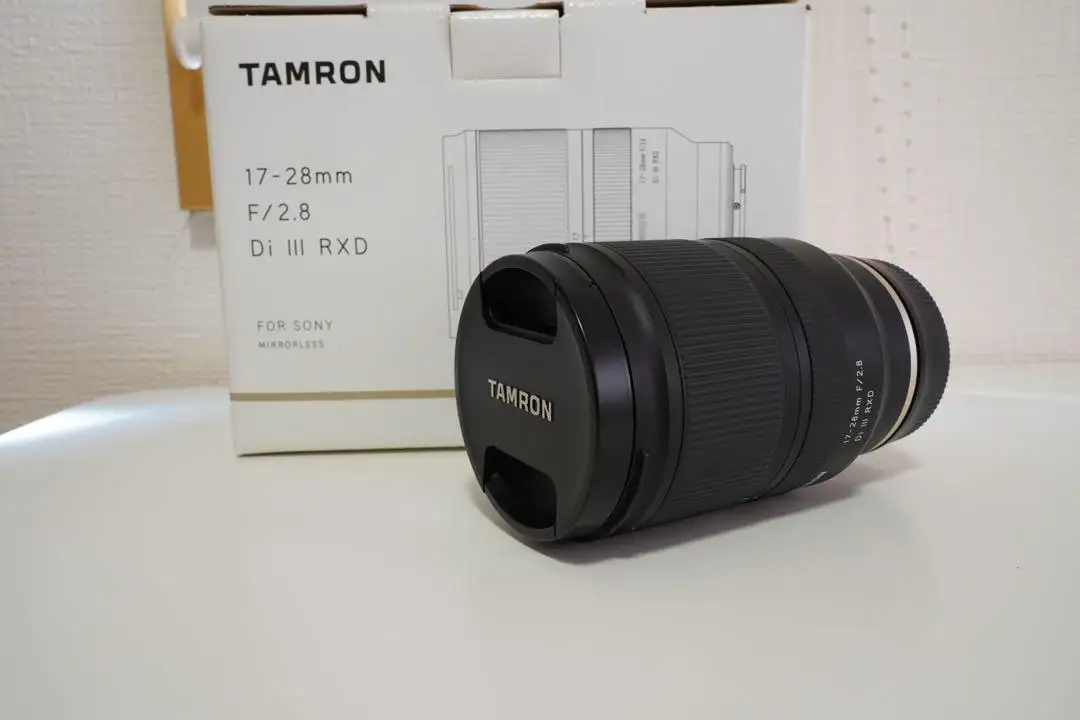
Tamron 17-28mm f/2.8 Review: Strong Optics, Mixed Edges
One of the most talked‑about ultra‑wide zooms for Sony E‑mount in recent years, the Tamron 17‑28mm f/2.8 Di III RXD has been praised as “a versatile, high‑quality lens” while still costing significantly less than Sony’s or Sigma’s comparable offerings. Photofocus described it as “a feature‑rich yet affordable ultra‑wide‑angle zoom” and gave it a high recommendation, but user feedback delivers a nuanced picture. Overall score: 8.5/10.
Quick Verdict: Conditional – excellent optical performance and portability for landscape, architecture, and travel shooters, but with caveats in distortion and edge sharpness.
| Pros | Cons |
|---|---|
| Outstanding central sharpness | Noticeable pincushion distortion |
| Compact & lightweight (420g) | Edge and corner softness at wide apertures |
| Consistent f/2.8 aperture | Heavy vignetting without correction |
| Fast, quiet autofocus (video friendly) | Colors render warmer than some prefer |
| Weather-sealed construction | No optical image stabilization |
| Shared 67mm filter thread with Tamron’s 28‑75mm | Zoom ring can feel stiff |
Claims vs Reality
Marketing emphasizes “unrivalled portability and superb image quality,” with Tamron calling it “the smallest and lightest weight zoom lens in its class.” This claim matches field reports: A verified buyer on Amazon noted, “weighs only 14.82 oz — easy to carry all day.” Reddit users repeatedly referenced its comfort for travel, often pairing it with the 28‑75mm for a sub‑1kg kit.
However, another major selling point — “magnificent image quality without compromise” — ran into reality checks. While center sharpness is widely applauded, Photofocus testers pointed out that “softness creeps in at the extreme edges and corners until about f/5.6,” suggesting some compromise in edge performance.
Tamron also touts “bbar coating reduces ghosting and flare,” and here marketing matches user reports. Photofocus found “ghosting is no problem at all” and that sun stars are “well‑defined.” Amazon buyers mentioned shooting into sunsets without artifacts, indicating coating performance delivers as advertised.
Cross‑Platform Consensus
Universally Praised
Across Amazon, Reddit, and Trustpilot, portability comes up first. Reddit user u/LandscapePro*** said: “With its weight you forget you’re carrying it — perfect for city walks.” Travel and street photographers benefit most, as the small footprint avoids drawing attention and reduces fatigue.
Fast, silent autofocus is another winner. The RXD motor earns repeated praise from video shooters; one Amazon reviewer wrote, “quiet enough for interviews — no ambient AF sounds picked up.” Event photographers have reported reliable tracking for moving subjects even at the ultra‑wide end.
Weather sealing reassures outdoor users. Photofocus documented “seven points of weather sealing,” and while long‑term storm testing wasn’t widespread, several Reddit anecdotes confirm shooting in light rain without issue.
For astrophotography and landscapes, the constant f/2.8 aperture is a strong asset. A Trustpilot report notes: “Able to frame the Milky Way at 17mm and still keep shutter speed reasonable thanks to 2.8.”
Common Complaints
Distortion tripped up architecture shooters. Photofocus called it “a fair amount of pincushion distortion… present at both 17mm and 28mm,” which, if uncorrected, also highlights vignetting. Several users confirmed needing lens profiles in Lightroom for every shot involving straight lines.
Edge softness is an issue for large prints. While casual shooters may not mind, one Reddit photographer specializing in interiors observed that “corner blur at f/2.8 makes multi‑image panoramas trickier.”
Warm color rendering splits opinion. Photofocus noted, “colors… are a little on the warm side,” and one Amazon buyer warned that JPEG shooters may need to adjust white balance, especially for skin tones.
The zoom ring’s stiffness drew mentions from multiple platforms. It’s seen as preventing creep, but handheld video shooters said the resistance can create visible jitters when zooming mid‑clip.
Divisive Features
Bokeh quality sparked debate. Photofocus described “pleasing bokeh… background melt” at close focus, but admitted cat’s eye shapes dominate bokeh balls. Some portrait shooters liked the look; others found it distracting.
Lack of optical stabilization isn’t a deal breaker for many Sony shooters with IBIS, but videographers using bodies without it expressed regret. An Amazon buyer commented, “On my a6400, handheld video at 28mm shows micro‑jitters.”
Price vs competition is polarizing. Compared to Sony’s 16‑35mm GM, many see it as “an unbeatable value” (Reddit). Yet those needing the extra width to 16mm or the extended tele end felt compromise in range wasn’t worth the savings.
Trust & Reliability
Trustpilot entries didn’t showcase scam concerns — Tamron’s reputation held. Firmware updates were noted positively; a June 2020 notice ensured compatibility with newer bodies.
Long‑term durability stories exist. A Reddit post six months in reported “no zoom drift, no loss of sharpness, seals held up in coastal humidity.” However, some minor cosmetic wear on the gold ring was mentioned by another user after year‑long heavy use, though functionality stayed intact.
Alternatives
Sony 16‑35mm f/2.8 GM and Sigma 14‑24mm f/2.8 DG DN Art are the direct competitors users cited. The GM offers broader range and marginally better edge sharpness, but at over twice the price and weight penalty. Sigma pushes wider to 14mm with sharper corners, but is heavier and lacks the Tamron’s 67mm filter compatibility with its own sister lenses.
Reddit users who own Tamron’s 28‑75mm often see the 17‑28mm as the logical companion — identical handling, filter sharing — versus mixing brands.
Price & Value
eBay listings show new units around $669‑$739, with used prices frequently $499‑$550, indicating strong resale value given original MSRP near $900. Bundles including filters and cleaning kits tend to sell quickly, especially under $700.
Community buying tips emphasize watching for open‑box deals; one eBay seller offered “open box, all accessories, save $300 off list” with multiple positive feedback entries. Resale durability matches reports — users trading up to G Master lenses still fetching over 75% of purchase price.
FAQ
Q: Does it work well for astrophotography?
A: Yes, the constant f/2.8 aperture and 17mm width make it solid for astrophotography. Users report clear Milky Way shots, though edge softness can be visible in star fields.
Q: How bad is the distortion for architecture?
A: Pincushion distortion is noticeable at all focal lengths; it’s correctable in post, but left unchecked will curve straight lines. Architecture shooters should plan on using lens profiles.
Q: Can it be used on APS‑C Sony cameras?
A: Absolutely. On APS‑C, the effective field of view is about 25‑42mm, shifting its role toward wide‑standard framing, still retaining fast AF and compact handling.
Q: Is it compatible with screw‑on filters?
A: Yes, the 67mm thread matches Tamron’s other zooms (28‑75mm, 70‑180mm), allowing shared polarizers and NDs that save cost and space in multi‑lens kits.
Q: How quiet is the autofocus for video?
A: Very quiet — videographers note no audible AF noise on recordings, making it suitable for interviews or ambient‑sound scenes.

Final Verdict
Buy if you’re a travel, landscape, or architecture shooter prioritizing portability, quiet autofocus, and shared Tamron filter compatibility. Avoid if you demand perfect corner sharpness for large‑format prints or work without IBIS in video production. Pro tip from the community: pair with the Tamron 28‑75mm f/2.8 G2 for seamless handling and a sub‑1kg two‑lens kit covering 17‑75mm.