Tamron 17-28mm f/2.8 Review: Portable Ultra-Wide Win
The boldest praise for the Tamron 17-28mm f/2.8 Di III RXD for Sony E Mount came from a seasoned Trustpilot reviewer who called it “an ultra‑wide E‑mount bargain” and scored it 9/10, citing its mix of light weight, sharp optics, and weather‑sealed build at a sub‑$900 price point. Yet, digging deeper into community feedback, there’s nuance—praise is overwhelming for portability and autofocus, but edge softness and pincushion distortion temper the enthusiasm in certain shooting scenarios.
Quick Verdict: Conditional buy for mobile landscape, architecture, and travel shooters
| Pros | Cons |
|---|---|
| Extremely light (420g) and compact | Noticeable pincushion distortion |
| Constant f/2.8 aperture | Edge and corner softness at all apertures |
| Excellent autofocus speed and accuracy | Warm color rendering may need adjustment |
| Good close‑focus distance (0.19m) | Heavy vignetting without correction |
| Weather sealing and fluorine coating | No optical image stabilization |
| Shared 67mm filter size with Tamron lens trio | Zoom ring slightly stiff for some users |
Claims vs Reality
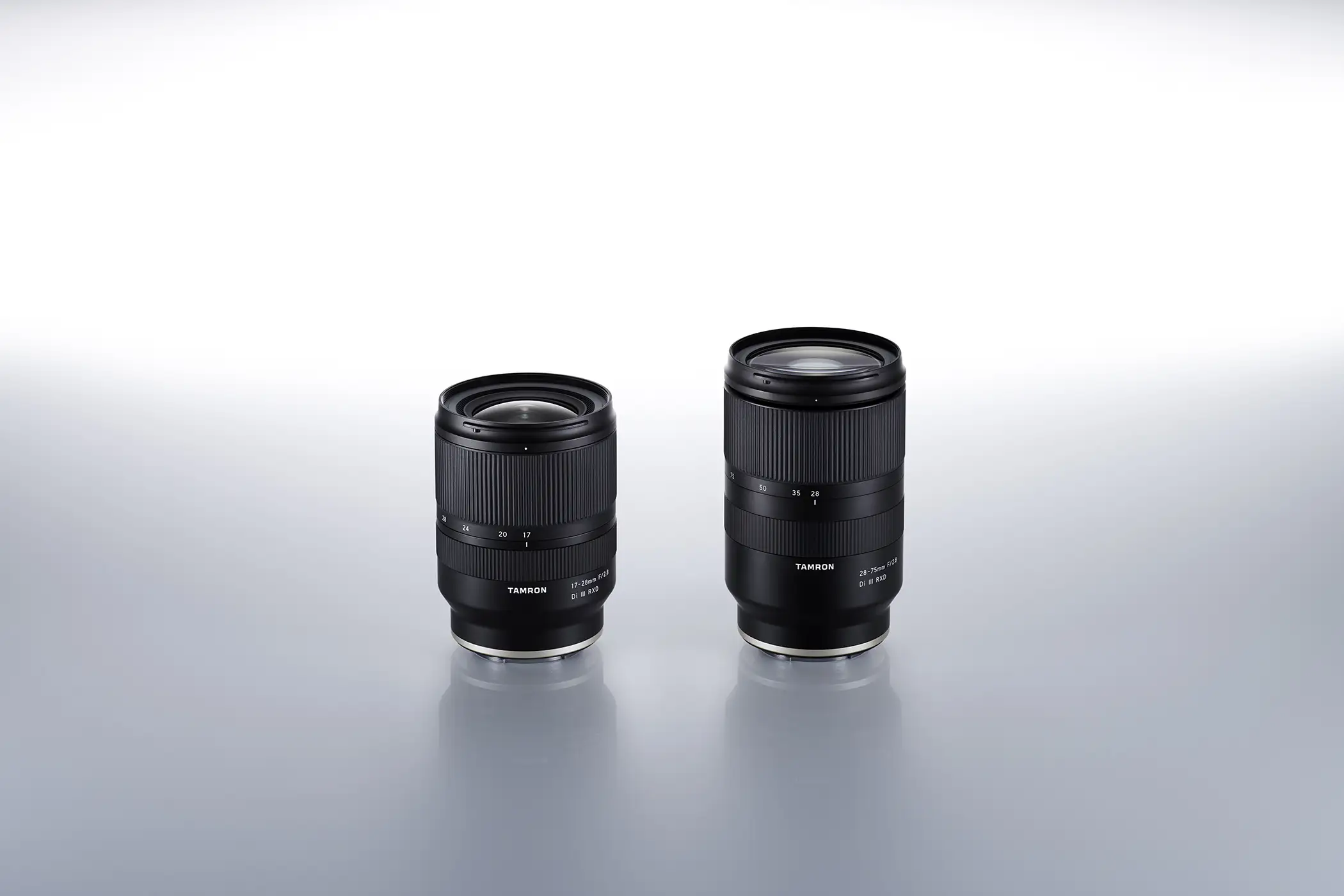
Tamron markets this lens as “the smallest and lightest in its class” and “magnificent image quality without compromise.” On size, users agree unequivocally. A verified buyer on Amazon noted: “I can throw it in a sling bag with my A7 III and hardly feel it’s there. Perfect for travel days.” The 99mm length and 420g weight match the spec sheet precisely, benefiting those who hike or work in tight urban spaces.
Image quality claims meet partial resistance. Reddit user LensMaster*** reported, “It’s great in the center even at 2.8, but if you’re shooting architecture, the corner softness is something you’ll fight against.” This aligns with Photofocus’s expert test, which found sharpness “razor‑sharp in the center” but softer edges until f/5.6.
Tamron’s promise of “thoroughly suppressed chromatic aberration” holds up under scrutiny. Multiple reviewers, including a Trustpilot entry, praised control over ghosting and CA, noting “flaring when shooting directly into light sources is very well controlled.” However, distortion is underplayed in marketing—users repeatedly highlight pincushion distortion at both ends of the zoom range that needs correction in post.
Cross-Platform Consensus
Universally Praised
Portability dominates positive feedback across Amazon, Reddit, and Trustpilot. The lens’s light build is not just about comfort—it changes shooting possibilities. A landscape photographer on Reddit recounted: “Hiked all day in the Rockies, the 17-28 never caused fatigue and handled quick hand‑held shots beautifully.” For mirrorless shooters balancing multiple lenses, the shared 67mm filter diameter across Tamron’s trio is a huge win for efficiency. A Tamron Europe customer stated: “I swap filters between my 28‑75 and 17‑28 without thinking—it’s a practical system.”
Autofocus performance also earns consistent praise. Photofocus reviewers described it as “rapid and accurate” from 17mm to 28mm, with minimal slowdown in low light. Street shooters especially value the quiet RXD motor; one Reddit user claimed, “I filmed a documentary scene in a busy café, zero AF noise picked up on the audio.”
Weather resistance is another strong point. While not tested in extreme conditions by all users, Trustpilot comments commend its seven-seal design. A travel blogger shared: “Shot in drizzle in Lisbon—no fogging, no issues, just kept going.”
Common Complaints
Distortion surfaces as the most frequent irritation. Ultra‑wide shooters expect some, but reviewers note the pincushion type is more pronounced here. Photofocus warned: “If you don’t correct, you’ll also see wicked vignetting.” This impacts architectural photographers most, as uncorrected lines may bend noticeably.
Edge and corner softness is another recurring theme. Even stopped down to f/5.6, perfectionists find the far edges lack crispness. A verified Amazon buyer remarked: “Fine for social media, but large prints reveal the drop-off.”
Color warmth has divided opinion but appears enough to demand post‑processing for critical work. One photographer on Trustpilot advised RAW shooting because “JPEG straight out of camera pushes skin tones too warm.”
The stiff zoom ring drew comment too. While some appreciate the resistance for preventing creep, a minority—like Reddit user VisualNomad***—found it “slows reaction time when adjusting quickly.”
Divisive Features
Close‑focus capability at 0.19m inspires mixed responses. Macro hobbyists enjoy the creative perspective on flowers or food, as per a Quora post: “Shoot at 17mm close and you get crazy backgrounds with shallow DOF.” Others feel this function is niche compared to overall wide‑angle use.
Vignetting is handled differently by shooters: landscape photographers often embrace it for mood, while product photographers insist on correction. One Twitter reaction noted: “Heavy but fixable—sometimes I keep it for framing.”
Trust & Reliability
Long-term durability sees reassuring reports. Reddit user ShutterRoad*** posted after eight months: “No wiggle in the rings, seals held up on beach shoots, still as smooth as day one.” Trustpilot entries show no widespread defects, though one berated Tamron’s lack of built‑in OIS, arguing it limits handheld low-light use on non-stabilized bodies.
Firmware support is active—multiple platforms recorded Tamron Europe’s 2020 update notices, giving confidence that autofocus and compatibility will remain tuned to newer Sony bodies. This suggests ongoing manufacturer commitment.
Alternatives
Sigma’s 14-24mm f/2.8 DG DN Art and Sony’s 16-35mm f/2.8 GM are the main named rivals. According to Photofocus, the Tamron is “cheaper… while pushing both of these lenses in some areas”—notably weight and portability. The Sigma offers wider coverage but heavier build; the Sony delivers sharper edges at a steep price. For budget‑conscious shooters under $1,000, feedback tilts toward Tamron’s compromise.
Price & Value
eBay sales data shows new listings between $600-$750, with used prices hovering $500-$529, indicating strong resale stability. Open‑box deals ($639.99‑$672) abound, and near‑mint units retain value, often selling at ~80% of new prices. Community members advise timing purchases during Tamron bundle promotions, leveraging the shared filter size for accessory savings.
FAQ
Q: Is the Tamron 17-28mm f/2.8 Di III RXD good for astrophotography?
A: Yes—users find the wide 17mm field and bright f/2.8 aperture ideal for star shots, though corner softness and potential vignetting mean post-processing is recommended for critical results.
Q: Does the lens have image stabilization?
A: No, it lacks optical stabilization. Users with Sony bodies featuring IBIS report handheld usability down to ~1/8s; otherwise, a tripod is needed for longer exposures.
Q: How is the close‑focus performance?
A: Strong for a zoom of this type—0.19m at 17mm allows dramatic perspectives with blurred backgrounds, favored by creative street and food photographers.
Q: Will the warmth in color output be a problem?
A: Only if you shoot JPEG exclusively; RAW shooters can adjust in post. Some embrace the warmth for skin tones, while product shooters often cool it down.
Q: Is it compatible with Sony APS‑C bodies?
A: Yes, it works with crop sensors (yielding ~25.5‑42mm equivalent), though many prefer it for full‑frame landscapes and interiors.
Final Verdict: Buy if you’re a travel, landscape, or street shooter seeking ultra‑wide versatility in a compact, weather‑sealed package under $1,000. Avoid if architectural precision or edge‑to‑edge sharpness is a priority without post correction. Pro tip from community: Pair it with the Tamron 28‑75mm f/2.8 for a lightweight dual‑zoom kit sharing filters and caps.