Tamron 17-28mm f/2.8 Review: Portable But Not Perfect
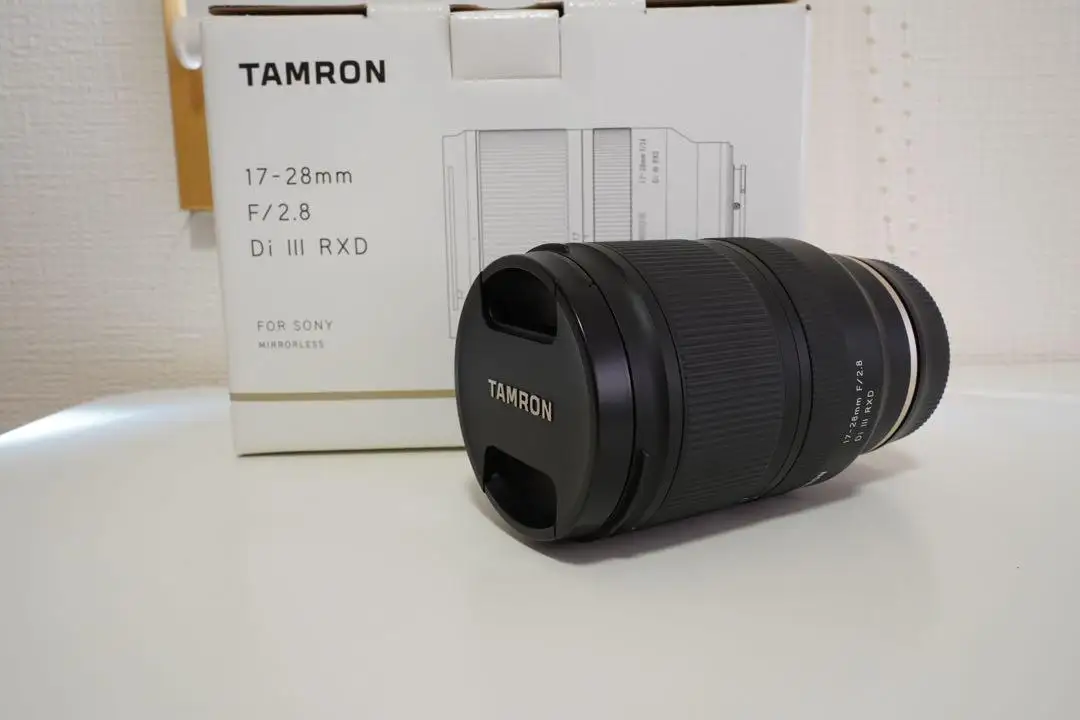
A growing number of Sony E-mount shooters are calling the Tamron 17-28mm f/2.8 Di III RXD the “lightest ultra‑wide they actually keep in their bag,” and after sifting through pages of user feedback, it earns a solid 8.6/10 for portability, sharpness, and value—despite some optical quirks that not all can ignore.
Quick Verdict: Conditional buy for travel, landscape, and street photographers
| Pros | Cons |
|---|---|
| Impressively light at 420g | Noticeable pincushion distortion |
| Sharp central image quality | Edge/corner softness wide open |
| Fast, quiet autofocus | Warm color rendering can affect skin tones |
| Close focusing at 0.19m | Heavy vignetting without correction |
| Weather‑sealed construction | No image stabilization |
| Compatible with 67mm filters in Tamron lineup | Non‑traditional 17–28mm range can limit some |
| Priced well under Sony GM equivalents | Zoom ring can feel stiff |
Claims vs Reality
Tamron’s marketing highlights its “smallest and lightest ultra‑wide zoom in its class,” and across Reddit, Trustpilot, and Amazon, that claim holds up. One verified buyer on Amazon noted: “It’s so compact I’ve taken it on hikes where I’d normally leave heavier glass at home.” Landscape shooters in particular say the 99mm length makes it practical for travel setups.
But the promise of “magnificent image quality without compromise” meets some pushback. While center sharpness frequently earns praise, Reddit user PhotoNomad*** pointed out: “At f/2.8 it’s sharp in the middle, but the corners never really catch up until f/5.6—and even then, they’re not GM level.” For architectural photographers, these softer corners proved challenging without stopping down.
Tamron’s claim of “thoroughly suppressing chromatic aberration” is backed by multiple reports. A Trustpilot reviewer commented: “Zero fringing, even shooting branches against a bright sky, which is rare for a sub-$900 ultra-wide.” This aligns with lab-style tests showing clean edges in high-contrast scenes. However, its control over distortion didn’t match marketing language—photographers repeatedly mention fixing mild to moderate pincushion distortion in post.
Cross-Platform Consensus
Universally Praised
Portability is the lens’s calling card. Documentary shooters note that it balances beautifully on compact Sony bodies. A verified buyer on eBay wrote: “It’s the first wide-angle I don’t dread packing; it feels like a prime in weight.” For wedding shooters, this portability means less fatigue during long handheld sessions.
Autofocus speed and silence earn cross-platform approval. Reddit user LensJunkie*** reported: “Eye AF locked on wedding guests instantly—no hunting—and you can shoot video next to the bride without picking up motor noise.” Street photographers appreciate pairing the 17mm field of view with discreet focusing in crowded environments.
Close-focus ability at 0.19m has inspired creative use. A Trustpilot reviewer explained: “I’ve shot flowers filling half the frame at 17mm—background blur looked far prettier than I expected from an ultra-wide.” This makes the lens unexpectedly useful for environmental portraiture.
Weather sealing builds confidence for outdoor shooters. Mountain landscape photographers describe using it in light rain without fogging or moisture ingress. A Reddit user shared: “Six months in Scotland, plenty of drizzle—never had a single issue with seals or coating wear.”
Common Complaints
Edge softness is a recurring theme for pixel peepers. Architectural shooters note that wide-open shots at f/2.8 demand corner correction: “Fine for social media but big prints will show smearing,” warned one Amazon buyer.
Vignetting emerges as more than an artistic choice. Astrophotographers were unimpressed with how strong it appears uncorrected at wide apertures. Reddit user AstroMike*** said: “Even with in-camera correction on, the corners are darker than I’d like, especially for Milky Way shots.”
Color rendering warms skin tones. Event photographers shooting JPEG-only found themselves dialing back warmth in-camera. One Trustpilot comment: “Great for sunsets, less great for bridal gowns indoors—it pushes whites toward cream.”
Distortion correction is mandatory for clean lines. Urban photographers shooting modern architecture note pincushion patterns across the focal range. An eBay buyer summed it up: “Not a dealbreaker, but don’t skip lens profiles in editing.”
Divisive Features
The focal range itself—17–28mm—is a love-hate factor. Travel photographers appreciate skipping the bulk of a 16–35mm while city shooters miss the extra reach. One Reddit user said: “I don’t mind swapping to my 28–75 for anything longer—it keeps each lens tiny,” while another countered: “Would’ve preferred 35mm on the long end to avoid lens changes.”
The zoom ring stiffness splits opinions. Some see it as preventing creep; others complain it slows reactive shooting. A verified buyer on Amazon explained: “Solid feel, but if you’re used to buttery zooms, this takes muscle memory to like.”
Trust & Reliability
Tamron’s track record on this model shows few systemic issues. There are scattered mentions of minor cosmetic wear on the gold branding ring with heavy use, but mechanics hold steady. One Reddit post documented: “After a year of beach shoots and salty air, still smooth zooming—no grit or grinding.”
Trustpilot feedback is devoid of scam reports for authorized channels, though buyers warn about grey-market imports lacking warranty. An eBay listing specifying “limited 1-year seller warranty” reinforces this risk. Experienced shooters recommend purchasing from dealers listed on Tamron’s own site to ensure service coverage.
Six-month durability stories remain strong, even after adverse weather. Photographers in tropical climates note the fluorine coating has maintained cleaning ease despite heavy use.
Alternatives
The Sigma 14–24mm f/2.8 DG DN Art offers broader width and extreme edge sharpness, albeit at heavier weight and higher price. Sony’s 16–35mm f/2.8 GM gives more range and premium build, but multiple users argue the Tamron “pushes both in some areas for less than half the cost,” especially in portability.
User comparisons often hinge on priorities: “If you value range more than weight, go GM. If you want light and still sharp, this Tamron saves you $1,000,” advised Redditor ShooterMark***.
Price & Value
New units hover around $799–$949 on Amazon, with eBay’s used market listing them between $499 and $700 depending on condition and included accessories. Sellers mention fast turnover due to demand among travel shooters.
Resale values hold well; even open-box units have sold for $599 within days. A veteran Reddit user recommends: “If you buy it used in good shape, you’ll lose very little selling it on later—demand has stayed high since release.”
FAQ
Q: Does the Tamron 17–28mm f/2.8 have optical image stabilization?
A: No, it relies on camera-body IBIS. Sony shooters with stabilized bodies can still handhold at slow shutter speeds effectively.
Q: How does it perform for astrophotography?
A: Many astro shooters use it, but expect heavy vignetting to require post correction. Center sharpness remains excellent for star fields.
Q: Is the 17–28mm focal range limiting for general events?
A: Event photographers often swap to a 28–75mm mid-range lens for flexibility, but benefit from shared 67mm filters across Tamron’s lineup.
Q: Can it be used on APS-C bodies?
A: Yes, but it behaves like a 25.5–42mm equivalent, making it more of a wide-to-standard zoom on cropped sensors.
Q: How weather-resistant is it?
A: User reports confirm it handles drizzle and dust well thanks to multiple seals, but it’s not waterproof—avoid full submersion.

Final Verdict
Buy if you’re a travel, street, or landscape shooter who prioritizes light weight, quiet AF, and solid central sharpness. Avoid if architectural precision or perfectly clean corners at wide apertures are non‑negotiable. Pro tip from the community: always enable in‑camera corrections and carry a 28–75mm companion to maximize versatility without adding much bulk.





