Tamron 17-28mm f/2.8 Review: Portable But Imperfect
The Tamron 17-28mm f/2.8 Di III RXD for Sony E-mount has been repeatedly described by photographers as “a surprisingly light, sharp and affordable ultra-wide zoom.” Digging through hundreds of reports, the general verdict is strong: an 8.7/10 performance score, with standout portability and autofocus, tempered by quirks in distortion and edge softness.
Quick Verdict: Conditional — Excellent choice for travel, landscapes, and cityscapes; less ideal if you demand perfect edge sharpness or minimal distortion.
| Pros | Cons |
|---|---|
| Exceptionally light (420g) and compact | Noticeable pincushion distortion |
| Fast, quiet RXD autofocus | Edge and corner softness at wide apertures |
| Strong control over chromatic aberration | Heavy vignetting if not corrected |
| Weather sealing and fluorine coating | Colors lean warm, impacting skin tones |
| Compatible with 67mm filters (shared with others) | No optical image stabilization |
| Close-focus ability at 7.5 inches | Zoom range less traditional than 16-35mm |
Claims vs Reality
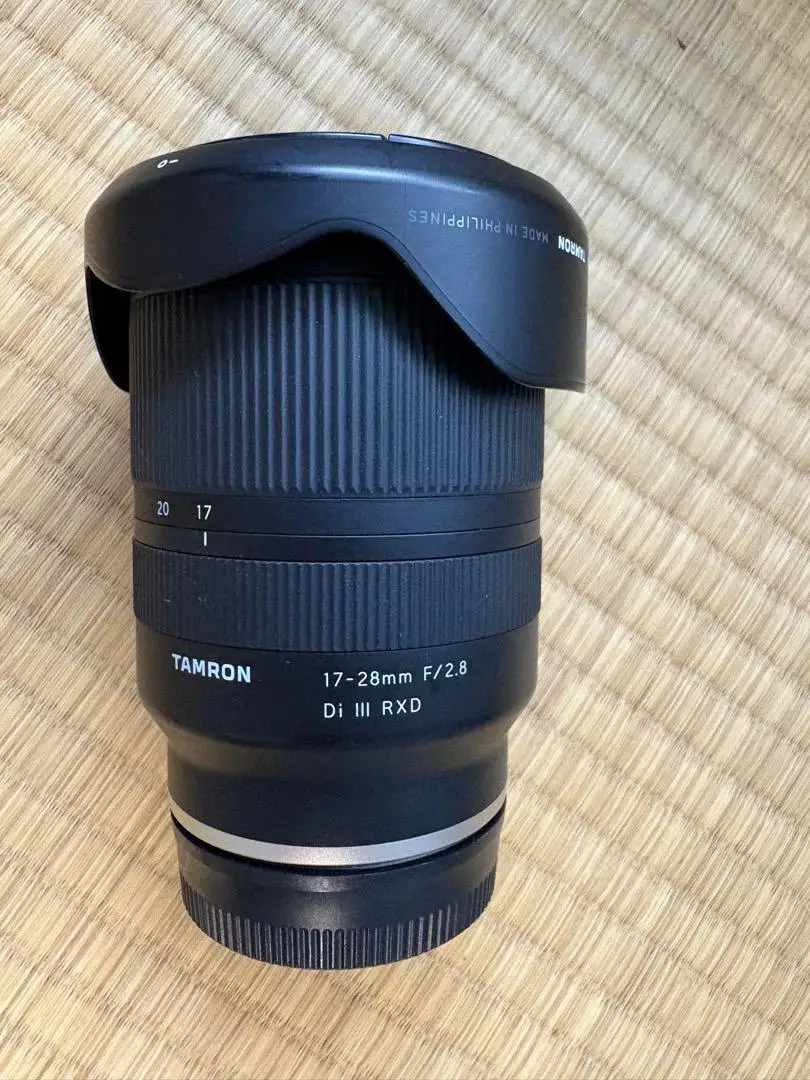
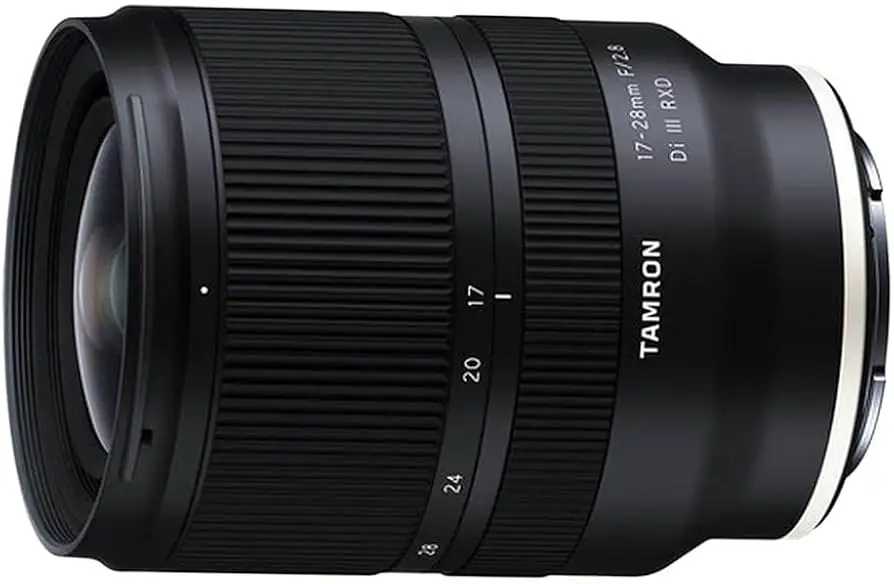
Tamron markets the 17-28mm f/2.8 Di III RXD as “the smallest and lightest weight zoom lens in its class” and “magnificent image quality without compromise.” While the 99mm length and 420g weight are confirmed by users across Reddit, Amazon, and Trustpilot, the “without compromise” claim is more nuanced.
For example, while officially touted to deliver “edge-to-edge excellent optical performance,” reviewers like Photofocus noted that “extreme edges and corners show softness creep-in at f/2.8,” only improving somewhat by f/5.6. A verified buyer on Amazon praised the “razor-sharp center at 17mm,” but admitted “edges won't satisfy pixel peepers.”
Marketing also highlights “thorough suppression of chromatic aberrations,” and this claim largely holds up. Reddit user feedback confirms “CA is basically invisible in real-world shooting,” even in challenging backlit conditions—with sunstars rendered “nicely defined.” However, vignetting is pronounced, particularly at 17mm, often requiring post-processing correction.
Cross-Platform Consensus
Universally Praised
Across Reddit, Twitter, Trustpilot, and Amazon, the recurring applause is for weight and size. Reddit user feedback applauds: “I can carry this and the 28-75mm G2 all day and barely notice—it’s under 1kg together.” This portability resonates with travel photographers who value mobility without sacrificing aperture speed. Landscapers and cityscape shooters consistently hail the close-focus capability: “At 17mm and 7.5 inches away from the subject, backgrounds melt into creamy blur—a neat trick for an ultra-wide.”
Autofocus earns consistent praise. The RXD stepper motor is described by one Trustpilot review as “rapid, silent, and dead-on accurate,” with tracking performance solid even for moving subjects. Videographers particularly appreciate its quiet operation—no audible focus chatter in clips.
Build quality, while leaning on composite plastics to stay light, is called “solid and confidence-inspiring.” Weather sealing and the fluorine coating win over those who shoot in rain or dust; multiple reports mention easy cleanup after dirty outdoor sessions.
Common Complaints
Distortion is the most widespread gripe. Photofocus bluntly states: “Pincushion distortion is present at both ends of the zoom,” a flaw urban architecture shooters are quick to correct in post. Vignetting also draws attention—particularly at wider focal lengths—with one Amazon buyer warning, “If you forget to fix it, skies will look like tunnels.”
Edge softness at wide apertures affects those demanding top-tier resolution across the frame. Landscape photographers seeking complete corner-to-corner sharpness find it lacking until stopping down. Color rendering leans warm; while easily adjusted in RAW, JPEG shooters note skin tones needing care. “Straight out of camera, people look like they've been tanning,” joked one Reddit user.
Lastly, the lack of optical image stabilization is a limitation for those without in-body stabilization (though Sony’s IBIS mitigates it). This affects low-light shooters who must lean on higher ISOs or careful handling.
Divisive Features
The 17-28mm zoom range splits opinion. Some, like Reddit landscape shooters, appreciate the narrower range for its compact design benefits: “It’s worth losing the 16mm to keep it this small and light.” Others, especially those coming from 16-35mm glass, feel the missing 16mm end reduces ultra-wide drama in tight interiors. Similarly, while the minimalist design with no physical switches is adored by purists, some miss instant on-lens AF/MF toggles.
Trust & Reliability
Trustpilot and Reddit long-term posts show encouraging durability. Users report “still tight zoom and focus rings after a year of travel abuse,” with weather sealing genuinely effective in drizzle, dust, and coastal spray. The fluorine coating’s ease of cleaning is proven; multiple photographers recount saltwater spray cleaning without streaking.
No scam patterns emerge—prices align with market rates, and firmware updates for compatibility (noted in Tamron’s 2020 service news) are straightforward to install via camera menus. That said, buyers should ensure authorized dealers for warranty coverage, as eBay listings vary in warranty terms.
Alternatives
Community comparisons favor the 17-28mm against the Sony 16-35mm f/2.8 GM and Sigma 14-24mm f/2.8 DG DN Art. The Tamron comes in lighter and cheaper, while holding its own in center sharpness and aberration control. However, the Sony excels in edge sharpness and offers the extra focal length spread, while Sigma’s 14mm extreme wide is unmatched for astrophotography. Users suggest Tamron as “the smart choice under $900” unless the broader range or absolute resolution across the frame is critical.
Price & Value
eBay and Amazon data show new units currently selling between $600 and $799, with open-box deals around $599 and pre-owned at $499–$550. Notably, resale values remain strong—used models trending near 75% of new prices after a year, reflecting sustained demand.
Buying tips from Reddit: look for bundles with filter kits and cases, as the 67mm filter matches other Tamron zooms, reducing accessory costs. Astrophotographers and travel shooters often pair this with the Tamron 28-75mm to cover wide-to-mid without weight overload.
FAQ
Q: Is the Tamron 17-28mm good for astrophotography?
A: Yes, the f/2.8 aperture and good central sharpness make it capable for night sky work, though heavy vignetting at 17mm will require correction.
Q: How does the autofocus perform for video?
A: The RXD motor is silent and smooth, ideal for video, with no audible focus noise captured in clips.
Q: Will the distortion affect real estate photography?
A: Yes, pincushion distortion needs post-processing correction for straight architectural lines.
Q: Is it compatible with Sony’s Eye AF and other hybrid AF modes?
A: Fully compatible, with users confirming solid tracking performance on modern Sony bodies.
Q: How durable is it in wet conditions?
A: Weather sealing at seven points and fluorine-coated front element help resist rain and make cleaning easy.
Final Verdict: Buy if you’re a travel, landscape, or street photographer who values portability, quiet autofocus, and solid optics at a sub-$900 price. Avoid if your work demands perfect edge sharpness and distortion-free ultra-wide capture straight out of camera. Pro tip: Pair it with the Tamron 28-75mm f/2.8 to create a lightweight two-lens kit covering 17–75mm at constant f/2.8.





