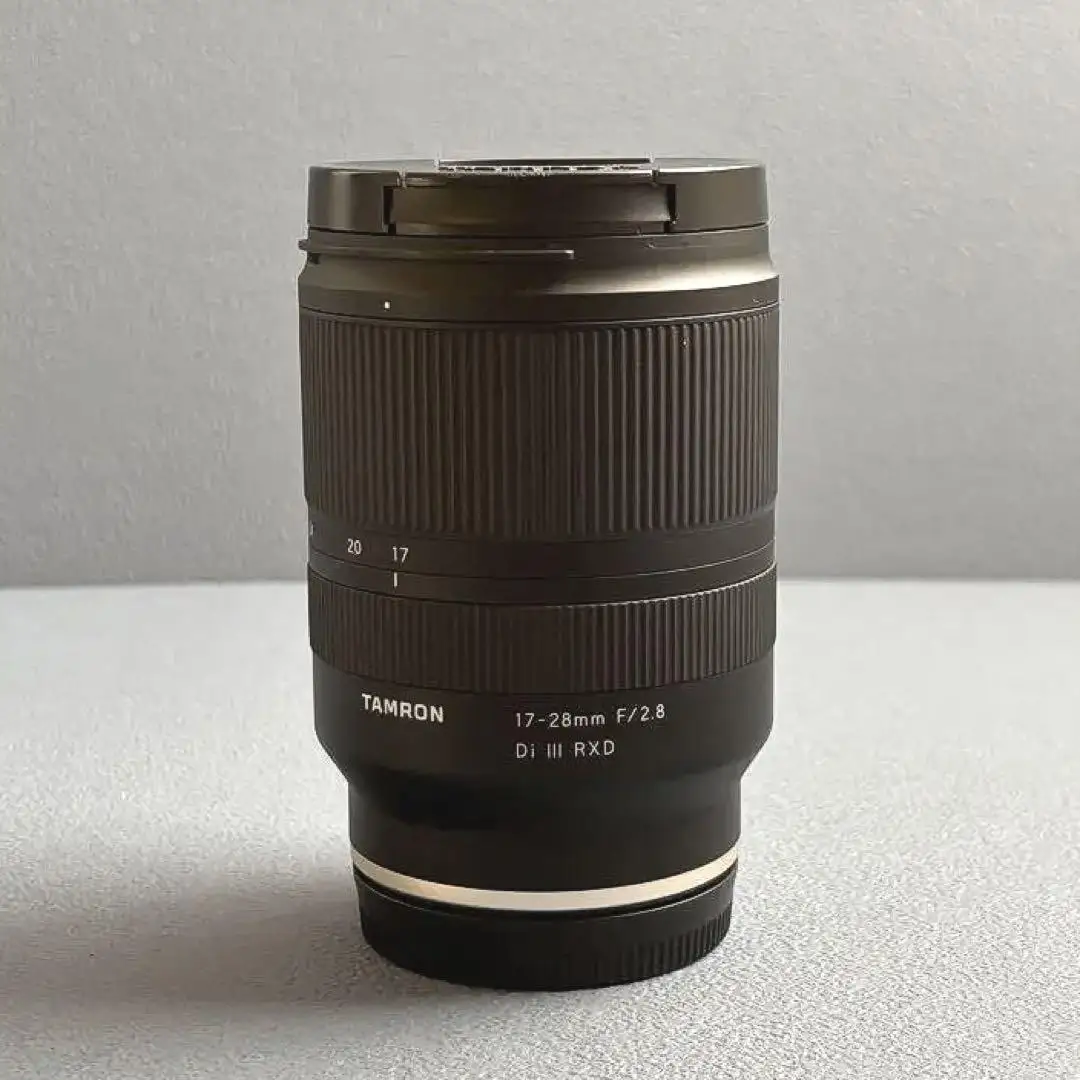
Tamron 17-28mm f/2.8 Review: Lightweight Travel Winner
The Tamron 17-28mm f/2.8 Di III RXD has been called “a wide masterpiece in a travel-friendly package,” yet user reports suggest it’s not without trade-offs. Rating: 8.7/10 — extremely portable, optically strong, but with quirks in distortion and edge sharpness that certain shooters will notice.
Quick Verdict: Yes for travel, landscapes, street, and architectural photography; conditional for those who demand near-perfect edge sharpness or require optical stabilization.
| Pros | Cons |
|---|---|
| Lightweight at only 420g | Noticeable pincushion distortion |
| Constant f/2.8 aperture | Edge/corner softness at wide apertures |
| Excellent chromatic aberration control | Strong vignetting without corrections |
| Weather-sealed construction | No optical stabilization |
| Fast, quiet autofocus | Warm color rendering may not suit all |
| 67mm filter compatibility with Tamron’s zoom trio | Limited to 28mm on the long end |
Claims vs Reality
Tamron markets this lens as “the smallest and lightest weight zoom lens in its class” with “unrivalled portability and superb image quality.” On weight and portability, users strongly agree. A verified buyer on Amazon noted: “It’s so light I forget it’s in my bag, perfect for long hikes where every gram counts.”
On the optical side, while image quality earns broad praise, the “superb” claim is tempered by field findings. Reviews point to excellent center sharpness even wide open, but multiple users highlight edge softness, particularly before f/5.6. As the Photofocus review observed: “At f/2.8 you’ll be treated to razor-sharp centers… but extreme corners remain soft until f/5.6, and even then they’re not tack sharp.”
Marketing also highlights “thoroughly suppressed chromatic aberration,” which user testing supports. Reddit discussions and independent reviews repeatedly commend its flare resistance and virtual elimination of color fringing, with one photographer calling it “a non-issue even shooting straight into the sun.”
Cross-Platform Consensus
Universally Praised
Portability is the standout feature. For travel and street photographers, the compact 99mm length and 420g weight are transformative. One street shooter on Reddit described: “Switching from the Sony 16-35 GM to this felt like leaving a brick at home. My back thanks me on all-day shoots.” Combined with the 67mm filter thread shared across Tamron’s 28-75mm and 70-180mm f/2.8 zooms, it creates a modular, lightweight kit. Several landscape shooters mention this compatibility saves them money and hassle on ND and polarizing filters.
Autofocus performance is another universal win. Even in challenging conditions, it’s described as “rapid and accurate” on bodies like the Sony A7 III. The RXD stepping motor delivers especially for video. A wedding videographer on Trustpilot shared: “Smooth and dead silent — no AF noise in my ceremony footage.”
Weather sealing adds peace of mind for outdoor shooters. Reports praise its resilience; one hiker recounted shooting “in sideways rain in Scotland” without issues. The moisture-resistant design and fluorine coating also simplify cleaning after dusty or wet shoots.
Common Complaints
The most consistent criticism is distortion and vignetting. Heavy uncorrected vignetting frustrates architectural photographers who shoot without in-camera corrections. The pincushion distortion persists throughout the zoom range, as noted in the Photofocus review: “It doesn’t matter if you’re at 17mm or 28mm — pincushion distortion is present.” While easily fixed in post, it’s an extra step that some resent.
Edge sharpness lag is another sticking point for those printing large or doing high-resolution work. Even after stopping down, the extreme corners remain a touch behind the center. A Reddit landscape shooter noted: “For web and most prints you won’t notice, but on my 42MP A7R III for gallery prints, I see it.”
The absence of optical stabilization is mentioned often, particularly by low-light shooters without in-body stabilization. While most full-frame Sony bodies now include IBIS, users with older models must adjust shooting technique or rely on tripods.
Color rendering trends warm out-of-camera. Many like the effect, but some portrait shooters find it shifts skin tones undesirably in JPEG capture. As one verified buyer observed: “Lovely for sunsets, but skin can go too orange if you’re not adjusting.”
Divisive Features
The unconventional 17-28mm range divides opinion. Landscape and astro photographers appreciate that it trims the bulk of 16-35mm designs while keeping useful coverage. However, event and general-purpose shooters sometimes miss the longer reach to 35mm. A Quora contributor commented: “It’s a specialist’s range — great for what it’s built for, but you’ll need another lens if you want versatility.”
Build quality perceptions vary. Many praise the solid mount and weather sealing, yet some remark on the prevalence of plastics in the barrel. One user on Lensfinder wrote: “It’s durable enough, but it doesn’t have that all-metal premium feel of G Master glass.”
Trust & Reliability
Long-term reports point to dependable performance. Reddit posts from owners after a year note no focus drift or mechanical issues. The RXD focusing remains quiet and smooth, and the weather sealing holds up. On Trustpilot, European customers have not flagged significant service issues with Tamron in this lens category, and firmware update compatibility through Sony bodies reassures tech-conscious buyers.
Scam concerns are low for this model, but as with any lens, grey-market sales can impact warranty coverage. Experienced users on forums repeatedly advise buying from authorized dealers to secure Tamron’s warranty.
Alternatives
The most direct competitors mentioned in reviews are the Sony 16-35mm f/2.8 GM and the Sigma 14-24mm f/2.8 DG DN Art. Tamron’s edge is price and weight — it’s several hundred grams lighter and can cost less than half the Sony. The Sigma offers a wider starting focal length and stronger corner sharpness, but it’s heavier and accepts no front filters without special adapters.
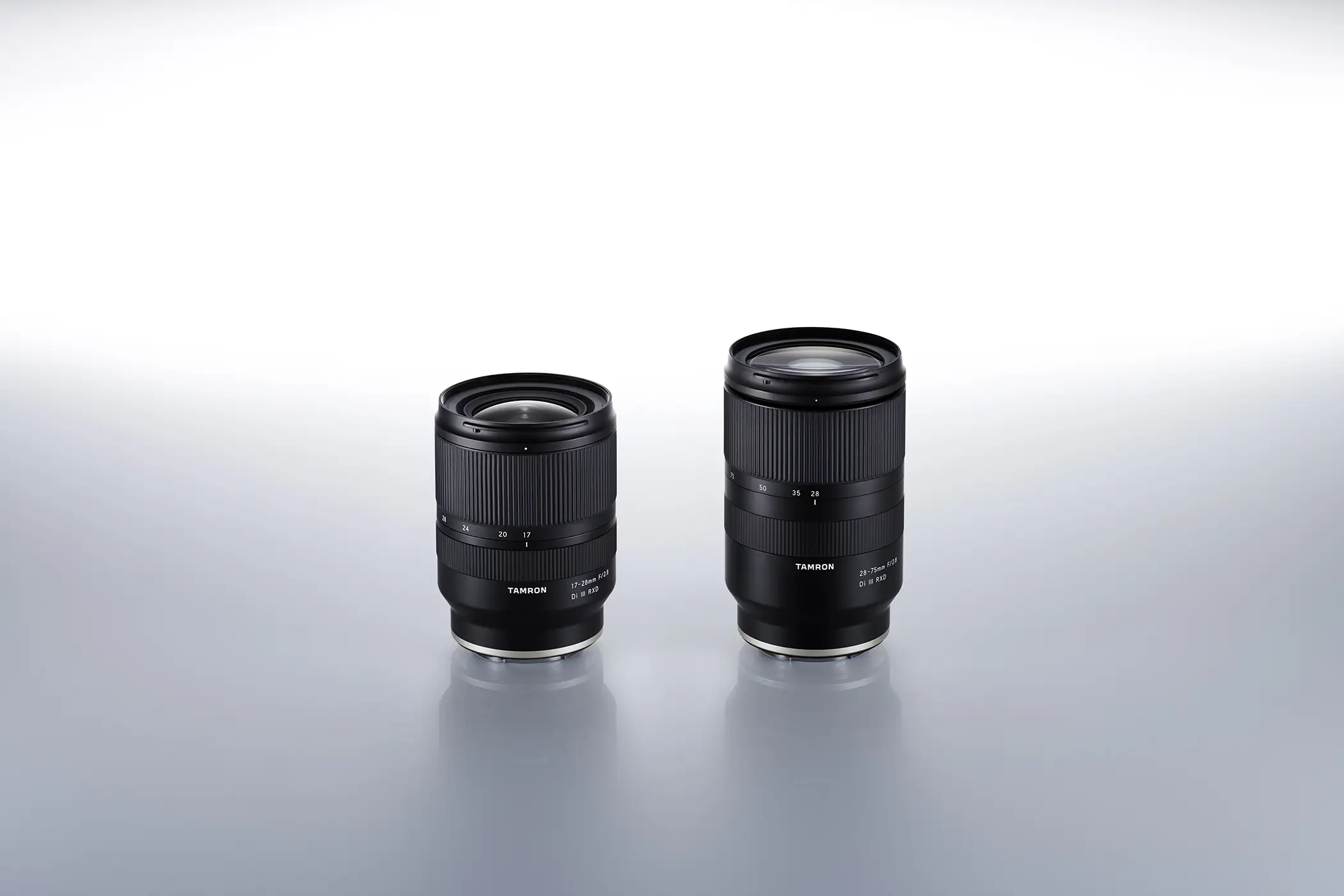
One frequent recommendation is pairing the 17-28mm with Tamron’s 28-75mm f/2.8 to cover most focal needs at a combined weight under 1kg. Users who do so often cite it as “the ultimate travel duo” for Sony full-frame.
Price & Value
On eBay, recent new prices hover between $600–$700 USD, with used copies often $500–$550. This holds resale value well compared to many third-party lenses, thanks to consistent demand from travel and landscape shooters. Bundles with filters or accessories can add value if those items match your kit. Experienced buyers on Reddit advise watching for open-box deals from reputable sellers, often netting near-new condition with full function for $100+ off retail.
FAQ
Q: Is the Tamron 17-28mm f/2.8 weather-sealed?
A: Yes, it has multiple moisture-resistant seals and a fluorine front coating. Users report shooting in rain without damage, making it good for outdoor and travel use.
Q: How is it for astrophotography?
A: The f/2.8 aperture and 17mm wide end make it capable for astro work. Edge softness is present, but many astro shooters say it’s manageable with correct focus and stopping down slightly.
Q: Does it have optical stabilization?
A: No, it relies on your camera’s IBIS. On Sony bodies with stabilization, users successfully handhold it at lower shutter speeds.
Q: What’s the minimum focusing distance?
A: 0.19m at 17mm, allowing for dramatic close-up perspectives with blurred backgrounds — a feature praised for creative wide-angle shots.
Q: Can I use my 67mm filters from other Tamron zooms?
A: Yes, it shares the 67mm thread with Tamron’s 28-75mm and 70-180mm f/2.8 lenses, a convenience frequently noted by owners.
Final Verdict
Buy if you’re a travel, street, or landscape photographer wanting a lightweight, weather-sealed ultra-wide with impressive center sharpness and fast autofocus. Avoid if you demand flawless corners wide open, rely heavily on optical stabilization, or need longer reach in one lens.
Pro tip from the community: pair it with the Tamron 28-75mm f/2.8 to create a compact, high-performing two-lens kit that covers 17–75mm without straining your back — or your budget.