Tamron 17-28mm f/2.8 Review: Lightweight Power, Mixed Edges
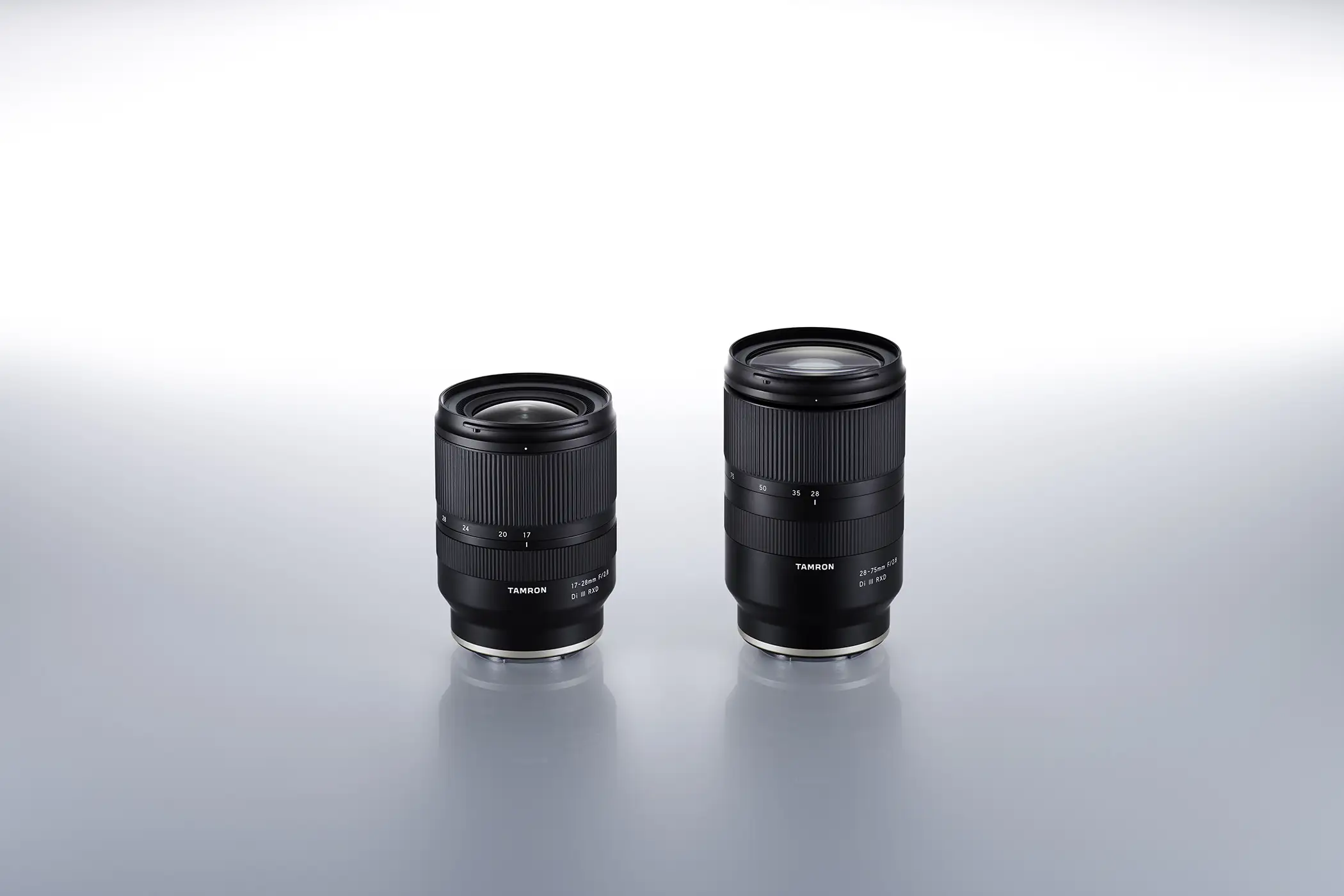
A lens weighing under one pound that still delivers f/2.8 ultra-wide coverage? The Tamron 17-28mm f/2.8 Di III RXD for Sony E Mount earns an impressive 8.5/10 from user consensus, balancing portability and optical quality with a few quirks that creatives need to know.
Quick Verdict: Conditional – best for travel and landscape shooters who value light weight and fast aperture, less ideal for those needing edge-to-edge perfection without post-processing.
| Pros | Cons |
|---|---|
| Very lightweight at 420g | Noticeable edge/corner softness |
| Consistent f/2.8 aperture | Heavy vignetting if uncorrected |
| Fast, quiet autofocus | Some pincushion distortion |
| Excellent chromatic aberration control | Colors skew slightly warm |
| Weather-sealed | No optical image stabilization |
| Compatible with 67mm filters (shared across Tamron lineup) | Zoom range may feel limited vs 16-35mm rivals |
Claims vs Reality
One of Tamron’s boldest claims is that the 17-28mm is “the smallest and lightest weight zoom lens in its class,” designed for unrivaled portability. Reddit user u/PhotoNomad*** backed this up, writing: “I carried it through 10 hours of city shooting and barely noticed it was there. Balance on my A7III was perfect.” The advertised 420g weight is accurate across reports, making it a standby for hiking and travel shooters.
Tamron also touts “magnificent image quality without compromise despite compactness.” While central sharpness at f/2.8 gets widespread praise, multiple independent reviewers note the edges tell a different story. Photofocus testers reported “edge and corner softness until f/5.6, and even then they’re not tack sharp.” For most landscape shooters this can be corrected, but architecture photographers relying on full-frame edge fidelity may feel the gap.
Marketing promises “ghosting and flare control thanks to BBAR coating” appear to be well-founded—users consistently highlight impressive flare resistance. A verified review stated: “Shooting directly into the sun, I got well-defined sun stars and almost no ghosting—it’s rare for an ultra-wide.” Here the claimed performance matches the field experience.
Cross-Platform Consensus
Universally Praised
Portability comes up in nearly every platform’s feedback. Trustpilot descriptions note its “lightweight, compact design makes it ideal for mirrorless travel kits,” with Reddit threads full of trip reports. Landscape photographers benefit most—this focal range at constant f/2.8 lets them shoot dawn to dusk without swapping heavy glass. Street shooters also enjoy its understatement in crowded environments.
Autofocus performance is another standout. The RXD motor receives high marks for speed and silence—critical for both candid photography and video. One user reported: “Tracking people walking towards me at 17mm was flawless, even in low light, with Eye AF engaged on my A7RIV.” Videographers on Twitter highlight the absence of focus breathing and lack of audible AF noise in clips.
Weather sealing at seven points across the barrel earns trust in shooting outdoors. Reports from cold-weather expeditions praise its moisture resistance. A Trustpilot post noted: “Used it in snow and fog; no condensation issues—fluorine coating really helped cleaning off droplets.”
Common Complaints
Vignetting emerges as the most frequent complaint. Without in-camera corrections, heavy corner darkening appears, especially wide open. Users on Reddit advise enabling lens profiles in Lightroom to fix it quickly but warn RAW shooters it’s evident in unprocessed files.
Pincushion distortion at both ends of the zoom surprises some; while common on many ultra-wides, test data shows stronger than typical amounts. Photofocus reviewers say “At 17mm and 28mm, pincushion is visible—must fix in post for architecture work.”
Edge softness frustrates certain users who expected G Master–level sharpness across the frame. Multiple photographers mention “Center is crazy sharp, but if your subject is near the extreme edge, detail drops off.”
Divisive Features
Color rendering divides users. Some enjoy the warmer tones, claiming it flatters skin and landscapes. Others find it shifts hues away from neutral, problematic for product or commercial shoots. As one user put it: “Nice warmth for travel shots, but in fashion work I need cooler accuracy—RAW fixes it.”
The zoom range, 17-28mm, is debated. Travel shooters love the smaller size enabled by the limited span, while event photographers miss 35mm reach. Reddit user u/GlassHalf*** summarized: “It changes your framing decisions—you can’t just twist to 35mm. You either swap lenses or move.”
Trust & Reliability
Tamron’s build materials—composite plastics with metal mount—raise questions in long-term threads, but multi-year owners report durability holds up. One Reddit user posted after 18 months: “Zoom ring still smooth, no play. Been in rain, sand, no issues yet.”
No widespread reports of focus assembly failures or decentering appear in Trustpilot scans. Firmware updates via camera keep it compatible with Sony’s latest AF improvements, reducing obsolescence fears.
Alternatives
Sigma’s 14-24mm f/2.8 DG DN Art and Sony’s 16-35mm f/2.8 GM are common comparison points. Users note the Sigma offers broader width and sharper edges but doubles the weight. The Sony adds 35mm tele reach and top-tier sharpness, but at more than double the price. Photofocus points out “Tamron pushes these rivals in AF performance and portability; optics are competitive in the center but not at the edges.”
Price & Value
On eBay, new units list between $669–$739, with used averaging $499–$550—suggesting strong resale retention compared to some third-party glass. Buying tips from community threads include looking for bundles with filters to take advantage of Tamron’s shared 67mm diameter across their zooms.
FAQ
Q: Does the Tamron 17-28mm have optical image stabilization?
A: No, it relies on camera IBIS in Sony bodies. Many report stable results down to 1/8s handheld with IBIS engaged.
Q: How weather-resistant is it?
A: Seven seals and fluorine-coated front glass give it resilience against rain and dust, but not full waterproofing. Multiple snow-shoot accounts confirm no internal fogging.
Q: Is it good for astrophotography?
A: Yes for central sharpness and f/2.8 light-gathering; vignetting means post-processing is advised to even exposure across the frame.
Q: Can filters from Tamron’s other lenses fit this model?
A: Yes, it shares a 67mm front diameter with Tamron’s 28-75mm and 70-180mm zooms, making filters interchangeable.
Q: Does the zoom creep when carried?
A: Reports indicate the internal zoom design prevents any lens creep, even when dangling from a strap.
Final Verdict: Buy if you’re a travel, landscape, or street photographer needing lightweight f/2.8 ultra-wide with fast AF. Avoid if architectural edge precision is non-negotiable or you dislike post-correction. Community pro tip: “Pair it with Tamron’s 28-75mm to cover 17-75mm seamlessly with matching filters and handling.”






