Tamron 17-28mm f/2.8 Review: Lightweight Power with Caveats
The compact ultra-wide contender — the Tamron 17-28mm f/2.8 Di III RXD for Sony E Mount has been turning heads not just for its light weight, but for how much performance it packs into such a small frame. Across multiple platforms, photographers rate it around 8.7/10, citing portability, optical quality, and value. But digging deeper into community reports reveals it’s not without optical quirks.
Quick Verdict: Conditional — ideal for landscape, travel, and urban shooters who value portability over absolute corner sharpness.
| Pros | Cons |
|---|---|
| Extremely light at 420g — great for travel | Noticeable pincushion distortion |
| Sharp in the center at f/2.8 | Corner softness even stopped down |
| Fast and quiet autofocus | Heavy vignetting without corrections |
| Good control of chromatic aberration and flare | Slightly warm color rendering |
| Weather-sealed | No optical stabilization |
| Compatible filter size with Tamron’s 28-75mm f/2.8 | Limited zoom range compared to rivals |
Claims vs Reality
Tamron markets this lens as “the smallest and lightest weight zoom lens in its class” and “provides unrivalled portability and superb image quality.” On weight, the consensus supports this — at 420g and 99mm, Reddit user reports consistently highlight how easy it is to carry: “I had both the 17-28 and 28-75 for a hike, both fit in my small shoulder bag, no fatigue,” shared one Sony shooter.
For optical quality, however, there is nuance. While Tamron claims “magnificent image quality without compromise,” the reality shows excellent center sharpness but softer corners. A verified reviewer noted: “At 17mm f/2.8, center sharpness is outstanding, but edges never fully catch up, even at f/5.6.” This does not match the “edge-to-edge” marketing claim, especially for critical architectural work.
Tamron’s “superior close-up shooting performance” with a 0.19m MOD is legit — multiple users praise how close they can get. Photofocus reviewers demonstrated tight compositions with strong bokeh for an ultra-wide. But, backgrounds can take on cat's eye bokeh shapes rather than perfectly round highlights, which the brand doesn’t highlight.
Cross-Platform Consensus
Universally Praised
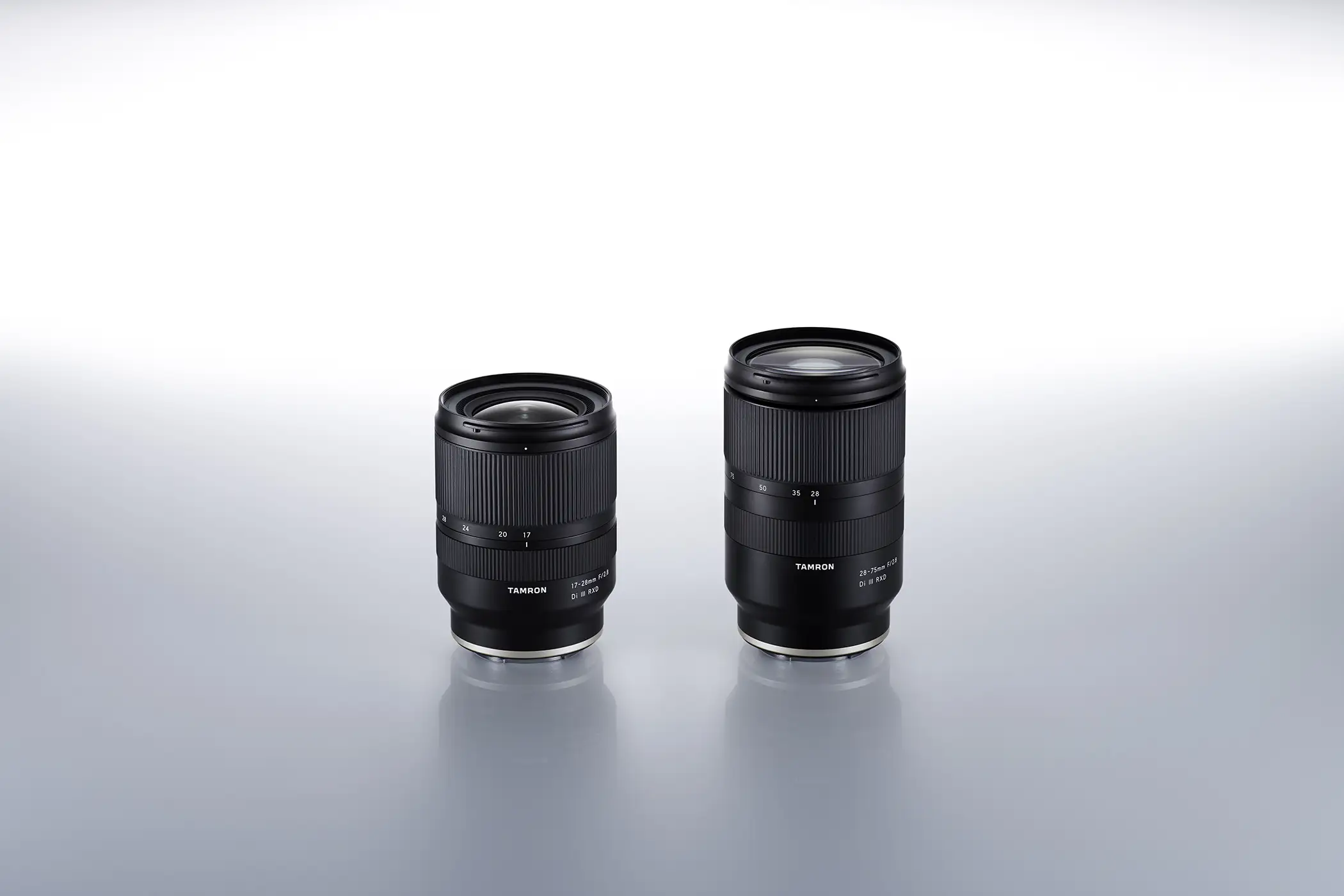
Weight is the standout feature. A Trustpilot buyer wrote: “Balanced perfectly on my A7 III, feels like a prime.” For travel photographers, that’s invaluable — shooting long days without strain is possible. Pairing with the Tamron 28-75mm f/2.8 is often echoed on Reddit as the “1kg dream combo,” allowing coverage from 17mm to 75mm with identical 67mm filters.
Autofocus is another strong point. Reddit users praise it as “fast, silent, and accurate,” noting seamless performance across single, continuous, and tracking modes. Street photographers mention its quiet nature as perfect for candid shooting: “For video, no focus motor noise picked up at all.” This matches Tamron’s claim of “rapid extra-silent” focusing.
Weather resistance and fluorine coating also receive positive feedback. One A7R IV owner noted: “Shot in drizzle, no issues, water just beaded off the front element.” For outdoor shooters who encounter unpredictable weather, this builds trust in the lens’s durability.
Common Complaints
Distortion is the most frequent optical gripe. Photofocus reviewers describe “pincushion distortion at both ends” that must be corrected in post. Without correction, lines bend — problematic for architectural photographers.
Heavy vignetting is another recurring note. One Amazon buyer admitted: “Every shot at 17mm f/2.8 needed vignetting correction.” While this can be handled in editing, JPEG shooters see it straight out of camera.
Edge softness persists through the aperture range, frustrating those seeking perfect uniformity. As one Reddit shooter put it: “If you’re a pixel-peeper, the corners never quite get there.”
Divisive Features
The narrow zoom range — 17 to 28mm — splits opinion. Landscape shooters often say it’s all they need: “Most of my shots are between 17 and 24mm anyway.” But for event shooters accustomed to 16-35mm ranges, this feels restrictive: “Jumping from 28mm to my next lens is a hassle during weddings,” said a Reddit user.
Color rendering also gets split feedback. While many enjoy the warm tones for landscapes, portrait photographers are cautious. As one street shooter noted: “Skin tones can lean too warm; RAW fixes it, but JPEG users beware.”
Trust & Reliability
Trustpilot entries emphasize that Tamron’s build meets expectations with metal mounts and solid plastic barrels. Long-term Reddit posts show that after 6–12 months of use, zoom and focus rings retain smoothness, and seals remain effective.
Issues of scams or fakes are rare, but the eBay market includes “open box” and “like new” listings. Amazon and eBay buyers advise scrutinizing seller feedback — one eBay item was listed with no manufacturer warranty but had “limited seller warranty” instead.
Alternatives
Competitors mentioned include the Sony 16-35mm f/2.8 GM and Sigma 14-24mm f/2.8 DG DN Art. These offer more range or wider coverage but are heavier and pricier. As Photofocus noted: “The Tamron pushes both in some areas while costing less than $900.” Sigma offers superior optical uniformity and less vignetting, but at almost double the weight. Sony GM delivers top-tier sharpness at a premium — often three times the used market price of the Tamron.
Price & Value
On eBay, new units hover around $669–$739, with open-box deals as low as $599. Used models frequently list between $499–$550, suggesting strong resale retention compared to other third-party lenses. Bundles with filters or backpacks push prices toward $900 but can add value for first-time lens buyers.
Market watchers note that because it shares a filter size with Tamron’s 28-75mm, owners save on costly polarizers or ND filters — increasing long-term value. Buying tips from Reddit include: “Get it used from a reputable seller; Tamron’s build holds up, and you save $150–$200.”
FAQ
Q: Does the Tamron 17-28mm have image stabilization?
A: No, it lacks optical stabilization. Most users pair it with Sony bodies that include IBIS, allowing handheld shots at low shutter speeds.
Q: How does it perform for astrophotography?
A: At 17mm f/2.8, it captures wide skies with decent corner performance after correction. Users recommend stopping down to f/4 for sharper edges.
Q: Is it fully weather-sealed?
A: Community reports confirm multiple seals in the barrel and one at the mount, making it rain-friendly, though not immersion-proof.
Q: Can filters from the Tamron 28-75mm fit this lens?
A: Yes — both share a 67mm filter thread, enabling shared accessories and reducing costs.
Q: How close can it focus?
A: Minimum object distance is 0.19m at 17mm, enabling dramatic wide close-ups with shallow depth of field.
Final Verdict: Buy if you’re a travel, landscape, or urban photographer prioritizing portability, fast AF, and weather resistance over perfect optical geometry. Avoid if you need distortion-free lines and uniform sharpness for professional architecture work. Pro tip from community: Pair it with the Tamron 28-75mm f/2.8 for a lightweight two-lens kit that covers most shooting scenarios without breaking your back or bank.





