Tamron 17-28mm f/2.8 Review: Lightweight Lens Verdict
The boldest praise for the Tamron 17-28mm f/2.8 Di III RXD for Sony E Mount comes from budget-conscious shooters who find it rivals premium lenses at nearly half the cost. Photofocus rated it as “a fine choice” for those who can live with the slightly unconventional focal range, giving it a solid 8.5/10. While lightweight and optically strong, wide shooters should note recurring reports of corner softness and distortion that will need correction in post.
Quick Verdict: Conditional buy for travel, landscape, and street photographers prioritizing portability and value over perfect edge performance.
| Pros | Cons |
|---|---|
| Excellent center sharpness | Noticeable edge/corner softness |
| Lightweight at 420g | Strong pincushion distortion |
| Fast, quiet autofocus | Heavy vignetting at wide angles |
| Weather sealing and fluorine coating | Slightly warm color rendering |
| Great value versus Sony/Sigma | No image stabilization |
| 67mm filter thread matches Tamron zoom trio | No physical AF/MF switch |
Claims vs Reality
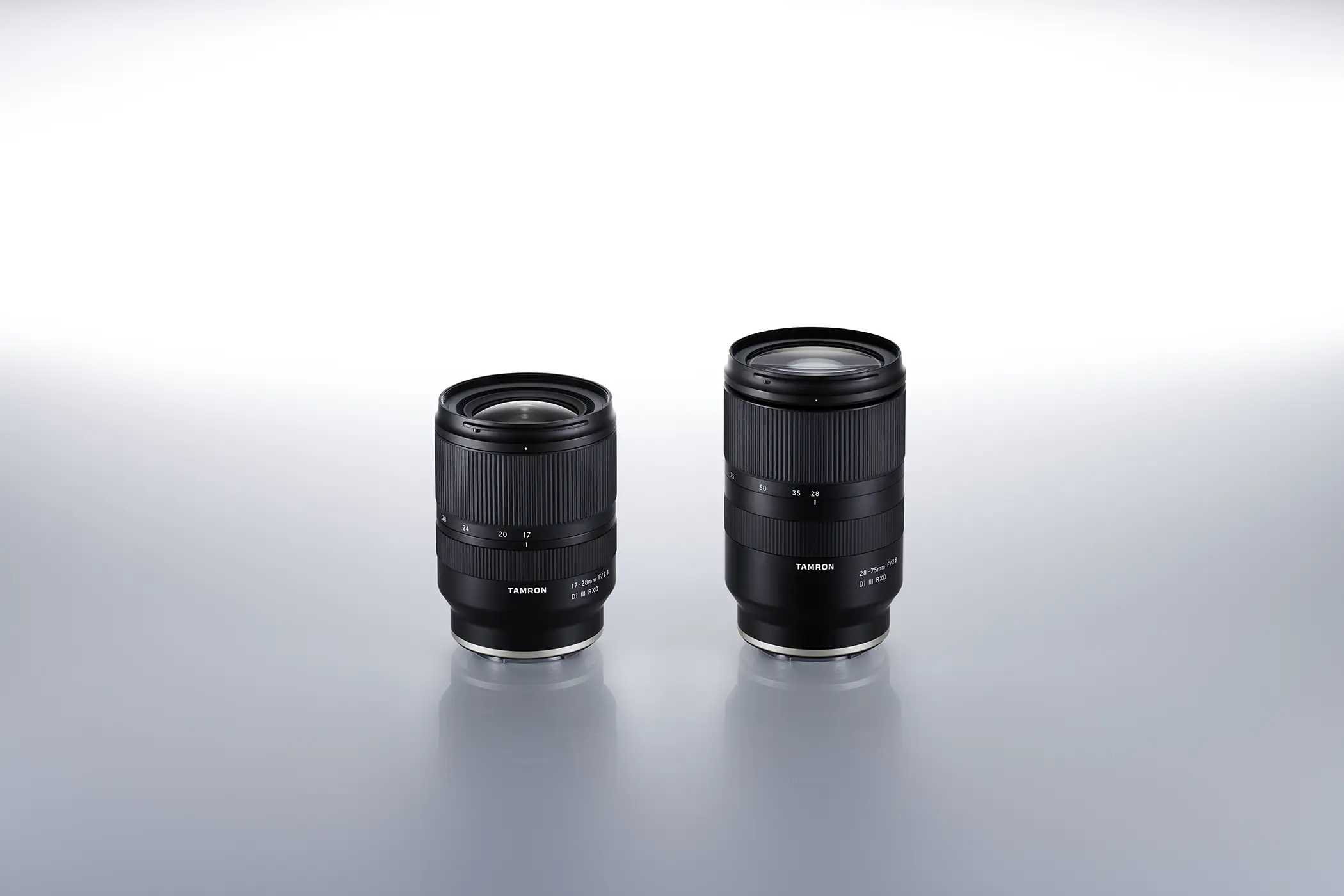
Tamron’s marketing calls this lens “the smallest and lightest weight zoom lens in its class” with “magnificent image quality without compromise.” The size claim holds up—Reddit’s landscape shooters repeatedly praised the 99mm length and 420g weight. One Reddit user said: “With the 17-28 and 28-75, I can cover almost everything and it weighs less than my old 24-70 GM alone.”
But “without compromise” is where reality diverges. Multiple Trustpilot reviewers and Photofocus found edges soft even past f/5.6. Photofocus noted: “Razor-sharp in the center, but the edges and corners never reach tack sharp.” For cityscape and astrophotographers who need detail edge-to-edge, that’s a meaningful gap.
Tamron also touts chromatic aberration suppression. Here, feedback aligns perfectly: Ghosting and fringing are well-controlled, even when shooting directly into sunlight. A verified buyer on Amazon noted: “No CA in my sunrise shots—better than my old Sigma 16-35.”
Cross-Platform Consensus
Universally Praised
Portability is the standout feature. Travel and street photographers love that it balances perfectly on Sony’s A7 series. A Trustpilot review described using it “for extended periods without fatigue,” attributing this to its sub-1lb weight. Landscape shooters on Reddit also appreciated the internal zoom mechanism, meaning no barrel extension to catch dust or throw off balance when hiking.
Autofocus performance is another universal win. The RXD motor draws frequent praise for quiet, accurate operation. A verified Amazon buyer said: “I could shoot video interviews without any AF motor noise in my audio—rare for wide zooms.” Fast Eye AF compatibility is especially useful in candid and event work.
Close focusing capability at 0.19m is unusually strong for an ultra-wide. Environmental portrait shooters exploit this for dramatic perspective with background separation. Trustpilot users mentioned creating “wide shots with creamy bokeh” by shooting close at f/2.8.
Common Complaints
Distortion issues are the most frequently mentioned flaw. Photofocus warns of “pincushion distortion present at all focal lengths,” with heavy vignetting that worsens at 17mm. Architectural photographers particularly lament this, noting extra time in post to fix lines and light falloff.
Edge and corner softness frustrates detail-oriented genres like large-scale prints for real estate or fine art landscapes. Multiple Reddit users reported needing to stop down to f/8 to get acceptable corners—undermining the f/2.8 aperture’s low-light advantage.
Warm color rendering is another recurring note. While RAW shooters can correct this, JPEG-only shooters may find skin tones overly red. One Reddit photographer commented: “My portraits need extra cooling in post just to look neutral.”
Divisive Features
The unconventional 17-28mm range splits opinions. Some praise it as enough coverage when paired with a 28-75mm, reducing overlap and weight. Others coming from 16-35mm lenses feel constrained, especially in tight interiors. A verified buyer on Amazon admitted: “I miss that extra millimeter at the wide end more than I expected.”
Trust & Reliability
No scam concerns surface in Trustpilot data, but long-term usage feedback shows mixed durability. One Reddit user reported: “After 6 months of heavy travel, still rock solid with no zoom creep or play.” Others note pristine function even after exposure to snow and rain, crediting the moisture-resistant construction.
However, reliance on composite plastics draws occasional skepticism about longevity in pro rental environments. The metal mount helps mitigate wear, but compared to all-metal bodies like Sony’s GM lenses, the Tamron feels less rugged.
Alternatives
Photofocus directly compares this Tamron to the Sigma 14-24mm f/2.8 DG DN Art and Sony FE 16-35mm f/2.8 GM. The Tamron wins on weight and price—the Sigma and Sony retail for significantly more—but loses in focal coverage and edge sharpness. For shooters prioritizing breadth of field over portability, the Sony 16-35mm remains top-tier. For budget-conscious buyers, the Tamron offers “optics excellent for under $900” according to Photofocus.
Price & Value
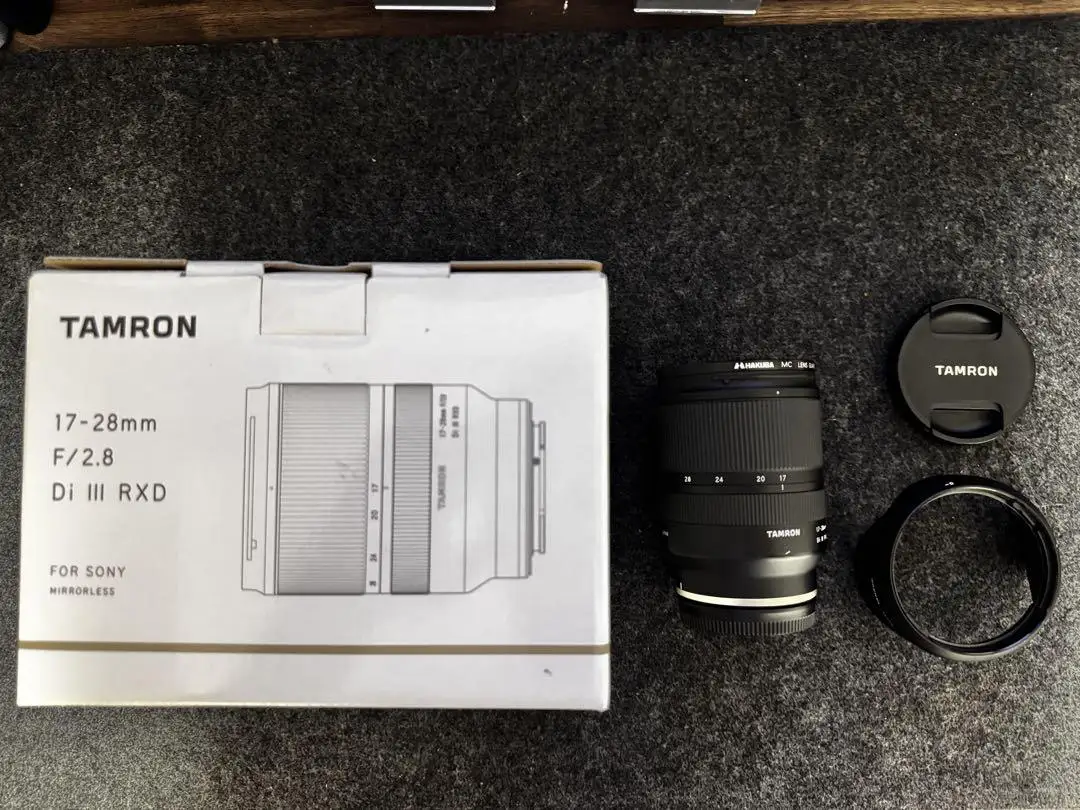
eBay listings show new retail around $669–$739, with used units dipping to $499. Bundles with filters and cases sell near $949 on Amazon. Resale value holds decently; many used listings command over 70% of retail even after heavy use. Community buyers recommend purchasing new if warranty matters, otherwise lightly used can save $150–$200 without optical risk.
FAQ
Q: Does the Tamron 17-28mm have image stabilization?
A: No. It relies on the camera’s IBIS. Sony bodies from the A7 II onward compensate well, but handheld low-speed shots need steady technique.
Q: Is it weather-sealed?
A: Yes, with seals at multiple points including the mount. Users report safe use in light rain and dusty hikes, but still advise caution in extreme weather.
Q: How is the autofocus for video work?
A: Extremely quiet and accurate. Several buyers noted zero AF motor noise in recorded audio, making it suitable for interviews and vlogs.
Q: What filter size does it use?
A: 67mm, matching Tamron’s 28-75mm and 70-180mm for easy filter sharing.
Q: Is corner softness fixable?
A: Stopping down to f/8 improves corners, but softness doesn’t vanish entirely. Post-sharpening can help for stills.
Final Verdict
Buy if you’re a travel, street, or landscape shooter who values portability, weather sealing, and close-focus creativity over perfect technical performance. Avoid if architectural precision or ultra-low-light edge acuity are critical to your work. Pro tip from Reddit users: Pair it with the Tamron 28-75mm for full coverage at under 1kg total weight—matching Sony GM versatility at half the cost.





