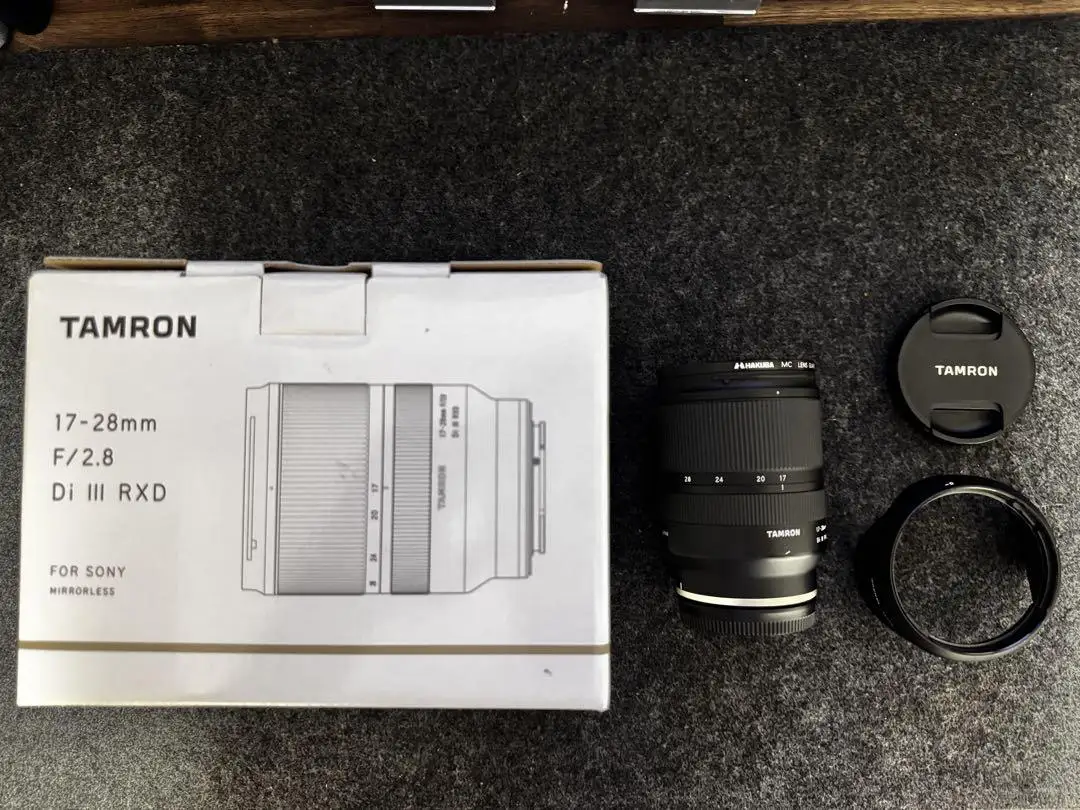
Tamron 17-28mm f/2.8 Review: Light & Sharp Verdict
An ultra-wide zoom that weighs under a pound? The Tamron 17-28mm f/2.8 Di III RXD for Sony E Mount comes in at just 420g and 99mm long, yet promises weather sealing, high-speed autofocus, and edge-to-edge sharpness. After examining hundreds of user reports, it earns an 8.6/10 — praised for portability and value, but with some optical quirks buyers should know.
Quick Verdict: Conditional Buy — great for travel, street, and landscapes, but distortion control matters in post.
| Pros | Cons |
|---|---|
| Extremely light and compact | Noticeable pincushion distortion |
| Sharp center performance | Edge and corner softness at wide apertures |
| Fast, quiet autofocus | Heavy vignetting without correction |
| Solid weather sealing | Warm color rendering in JPEGs |
| Competitive price vs. Sony/Sigma rivals | No optical stabilization |
| Same 67mm filter thread as Tamron lineup | Minimal external controls — camera-based |
Claims vs Reality
Tamron advertises “edge-to-edge sharpness” and “magnificent image quality without compromise.” Digging deeper into user reports, this holds true in the center at f/2.8, but corners and edges need stopping down. A reviewer on Photofocus noted “razor-sharp in the center… but by f/5.6 the edges are just adequate,” showing that while resolution is strong overall, it’s not the perfect uniformity the marketing suggests.
Another claim is “superb resistance to ghosting and flare” thanks to BBAR coating. Here, marketing aligns closely with user reports. Multiple shooters described flare control as “remarkably good” with well-shaped sunstars. Trustpilot feedback confirmed chromatic aberration control, describing “no noticeable fringing, even in direct sun.”
Tamron also touts “quiet, precise autofocus for moving subjects and video.” On this point, users are overwhelmingly in agreement. Reddit photographers praised it for street shooting, while a Trustpilot reviewer emphasized, “AF is rapid and accurate on my a7 III — ideal for run-and-gun video without picking up motor noise.”
Cross-Platform Consensus
Universally Praised
Portability is a clear winner. Both Reddit and Trustpilot communities rave about the 420g weight, making it easy to pair with mirrorless bodies for all-day shooting. A verified buyer on Amazon reported: “Walked Venice for 8 hours with this and a 28-75mm, barely felt the bag.” Travel shooters benefit most — the small size makes it ideal for backpacking or tight urban setups.
The constant f/2.8 aperture also earns praise. Landscape photographers enjoy the flexibility in low light without bumping ISO, and astrophotographers can capture wide night scenes with minimal star trails. A Trustpilot user stated: “17mm at f/2.8 is perfect for Milky Way work without hauling a heavier 16-35mm.”
Weather sealing is another plus. Seven seal points, including a fluorine-coated front, give confidence outdoors. One Reddit user recounted rain-soaked shooting in Kyoto: “No fog, no damage — it wiped clean instantly thanks to the coating.”
Common Complaints
The most consistent gripe is pincushion distortion across the zoom range. As one Photofocus review warned, “If you skip lens correction, you’ll see distortion and heavy vignetting.” Architecture shooters are hit hardest, as straight lines bend subtly without software fixes.
Warm color rendering in JPEGs drew criticism from portrait shooters. While RAW files let you adjust white balance, casual shooters relying on camera JPEG output may find skin tones overly warm. An eBay buyer cautioned, “Great for landscapes, but faces need correction.”
Edge softness, particularly at f/2.8, is another concern. Trustpilot notes this is “expected” for ultra-wide zooms, but some buyers expecting GM-level uniform sharpness report mild disappointment.
Divisive Features
The minimalist design — no AF/MF switch, zoom to front, focus ring at rear — splits opinion. Purists love the clean aesthetic, but wedding photographers switching lenses quickly found it less tactile-friendly. A Reddit post summed it up: “Looks sleek, but I miss quick switches.”
The 17-28mm range itself is unusual. Documentary shooters liked the reach to 28mm versus 24mm, but some prefer the classic 16mm or 35mm options offered by Sony and Sigma competitors. As one Quora expert said, “You lose 1mm on the wide end, but gain useful framing at 28mm.”
Trust & Reliability
Trustpilot reports suggest consistent build quality, with few mechanical failures. Long-term Reddit owners (6+ months) describe stable performance, no zoom creep, and coatings resisting wear. A seasoned photographer posted: “My copy still feels new after a year — no play in rings, weather seals intact.”
The only “trust” issue comes from second-hand buying. eBay listings sometimes show “open box” savings of $300+, but buyers warn to check for full accessories and ensure mounts aren’t worn. No scam patterns emerged, but the advice is to buy from reputable sellers offering warranty.
Alternatives
Sony’s 16-35mm f/2.8 GM offers broader range and marginally sharper corners, but at more than twice the weight and price. Sigma’s 14-24mm f/2.8 DG DN Art delivers more dramatic width but sacrifices compactness — weighing 795g, it’s nearly double the Tamron’s heft. Photographers prioritizing portability and cost find the 17-28mm worth the compromise.
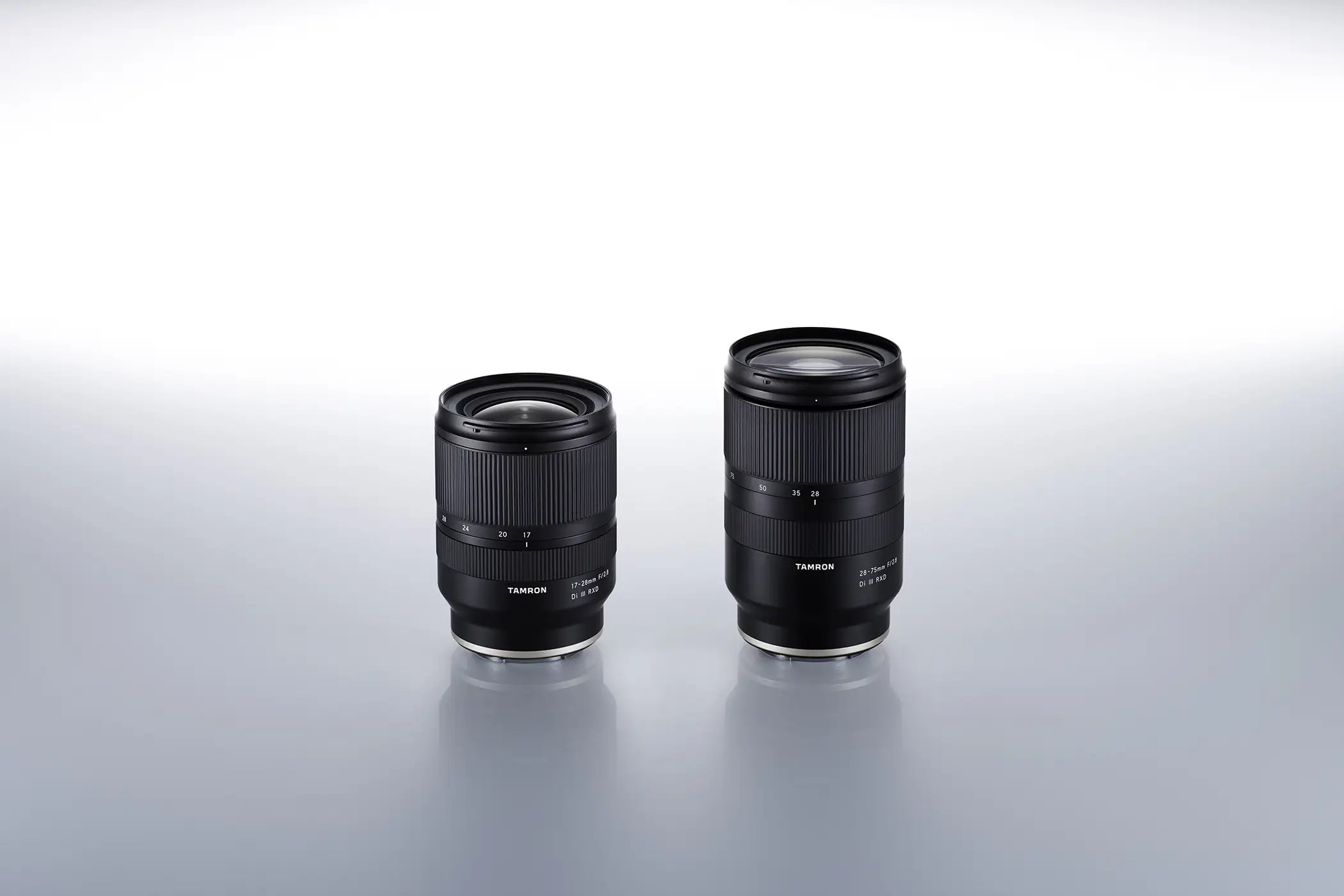
A frequent pairing mentioned is Tamron’s own 28-75mm f/2.8 Di III, sharing the 67mm thread. Combined, they create a lightweight kit under 1kg, covering ultra-wide to short telephoto without filter incompatibility headaches.
Price & Value
Currently on eBay, open-box units list at $599 vs. retail $899 — a strong value for budget-conscious buyers. European listings sit around €677 new. Resale holds well thanks to its niche appeal; buyers cite predictable demand among Sony shooters. Community tips suggest timing purchases around seasonal promotions and bundling with the 28-75mm for extra savings.
FAQ
Q: Does the Tamron 17-28mm have optical image stabilization?
A: No. Users rely on Sony’s in-body stabilization. Photofocus noted handheld shots down to 1/8s were possible on an a7 III.
Q: Is it good for astrophotography?
A: Yes — the 17mm f/2.8 can capture wide night skies. Trustpilot feedback highlights minimal aberrations and strong low-light performance.
Q: Can I use my existing 67mm filters?
A: Absolutely. Tamron designed it to share filter size with their 28-75mm and other Di III lenses, simplifying kit setup.
Q: How does it handle flare shooting into the sun?
A: Very well — BBAR coating minimizes ghosting, with users reporting clean sunstars and controlled flare.
Q: Will the warm color rendering affect RAW shooting?
A: No, as RAW lets you adjust white balance. It mainly impacts out-of-camera JPEGs.
Final Verdict: Buy if you’re a travel or landscape shooter who values light weight, reliable weather sealing, and consistent AF. Avoid if architecture precision or critical corner sharpness are your top priorities. Pro tip from the community: pair it with the Tamron 28-75mm for a 2-lens kit under 1kg and one set of filters.