Tamron 17-28mm f/2.8 Review: Light but Flawed Verdict
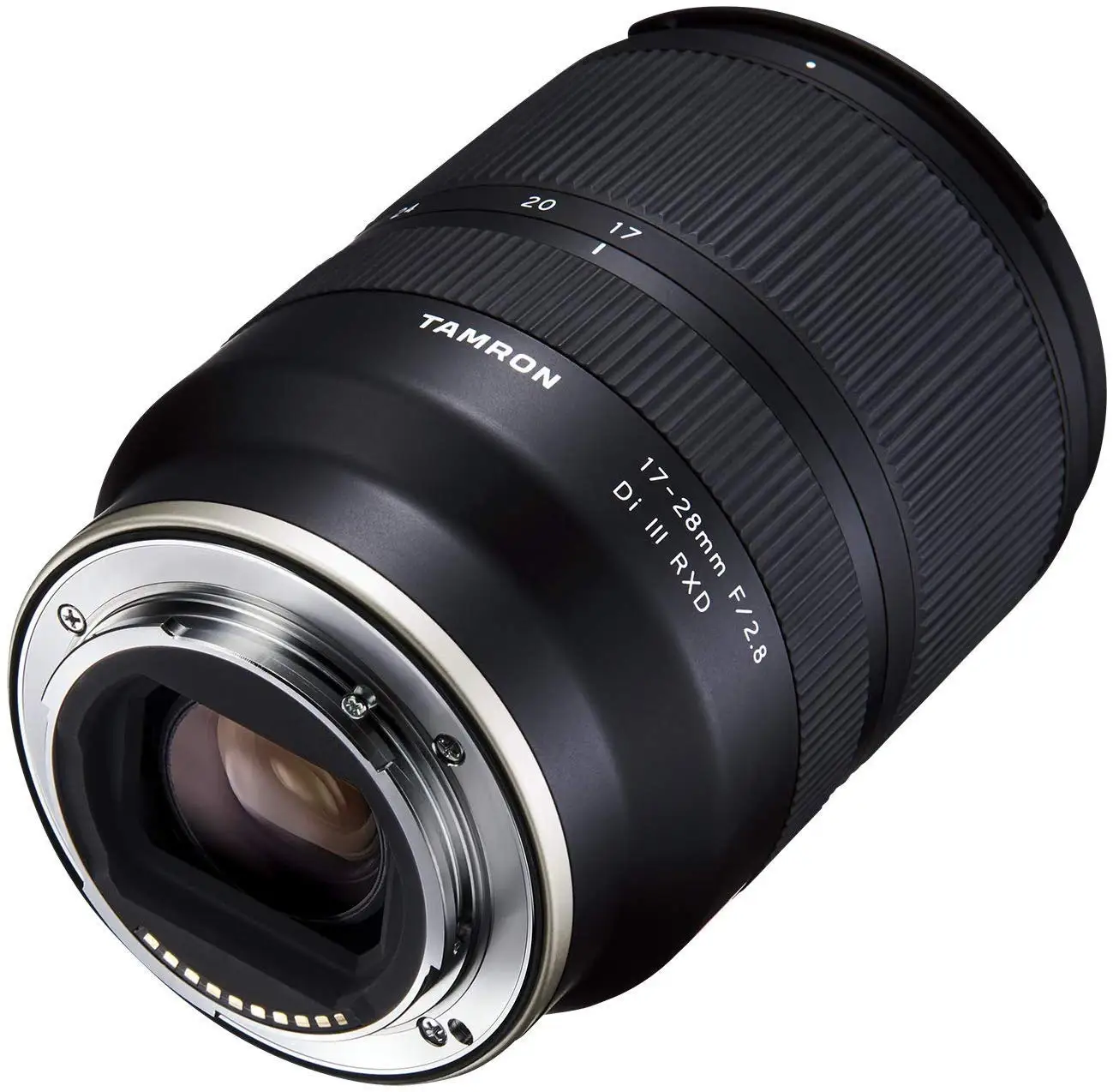
Small, light, and surprisingly sharp — the Tamron 17-28mm f/2.8 Di III RXD for Sony E Mount consistently scores around 8.5/10 in community sentiment, but comes with quirks buyers should know about before committing. While praised for portability and value, distortion and vignetting appear more often than marketing suggests.
Quick Verdict: Conditional
| Pros | Cons |
|---|---|
| Exceptionally light at 420g, easy to carry for long shoots | Noticeable pincushion distortion at all focal lengths |
| Sharp center performance even wide open | Edge and corner softness persists until f/5.6 |
| Smooth, quiet autofocus well-suited for video | Heavy vignetting if uncorrected |
| Effective weather sealing for outdoor use | Warm color rendering may require correction |
| Competitive price compared to Sony/Sigma rivals | No image stabilization within lens |
| Compatible 67mm filter thread matches Tamron series | Minimal physical controls — no AF/MF switch |
Claims vs Reality
One of Tamron’s headline claims is “magnificent image quality without compromise despite its compactness.” While verified buyers often confirm the lens performs well in the center, at the edges users temper their enthusiasm. Photofocus reported: “At f/2.8 you'll be treated to images that are razor-sharp in the center. However... corners will see softness creep in.”
Marketing emphasizes “chromatic aberration thoroughly suppressed.” On this point, feedback aligns closely with the claim. Trustpilot reviewers observed flaring and ghosting were “very well controlled,” with chromatic aberration nearly absent in real-world shooting — even into bright light sources.
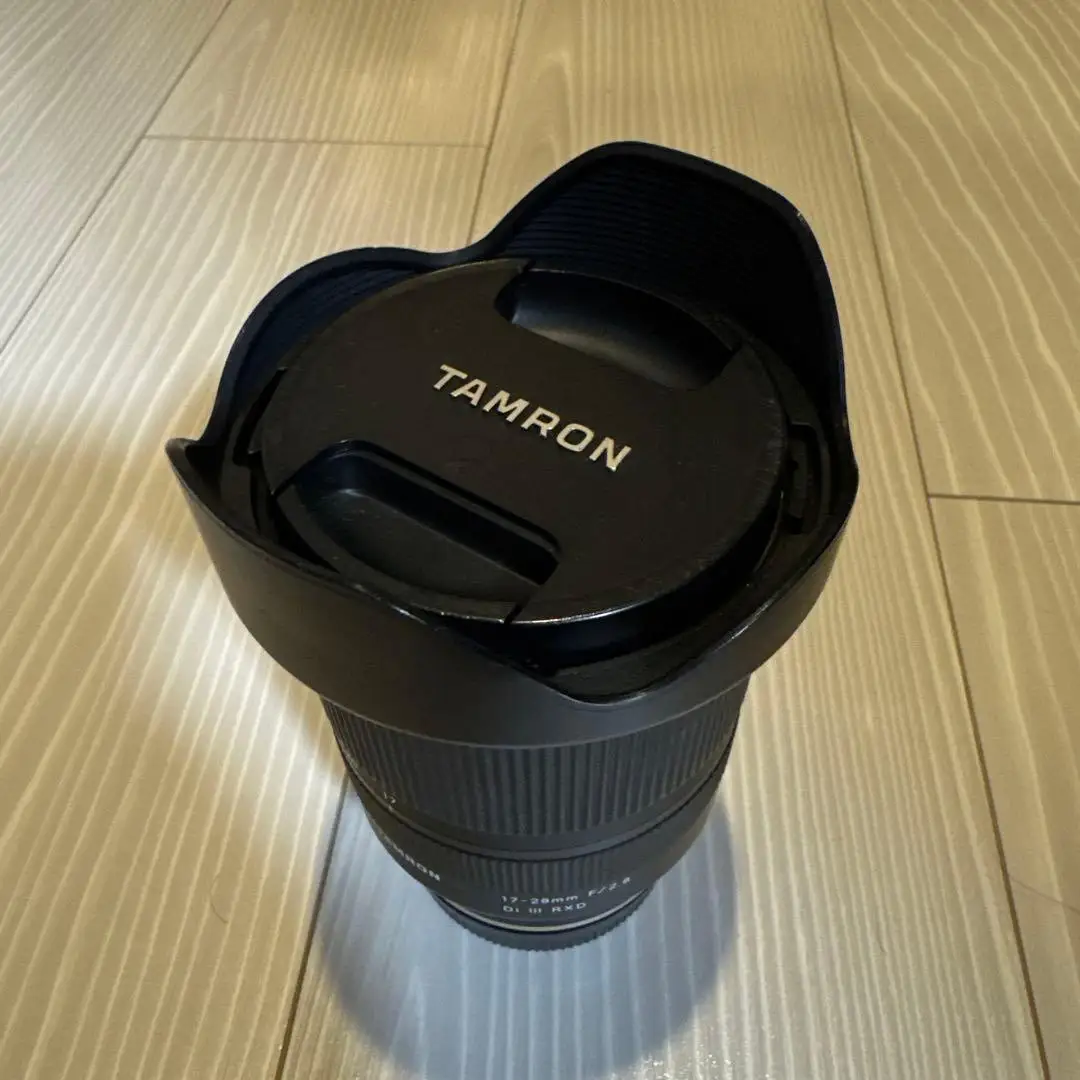
Tamron touts “consistent handling” with an internal zoom mechanism. Reddit discussions confirm the stable feel; one photographer noted they could swap between this and the 28-75mm G2 without handling adjustments thanks to identical zoom/focus ring positions and matching filter threads. That interchangeability is praised for minimizing downtime during shoots.
Cross-Platform Consensus
Universally Praised
Lightweight portability is the most repeated praise across platforms — crucial for travel and street photographers. A verified buyer on Amazon wrote: “Just 420g, yet it felt solid. I hiked 8 hours with it mounted and didn’t feel weighed down.” Landscape shooters call the 17mm wide end “perfect for cityscapes and mountains,” as one Trustpilot customer put it.
Autofocus earns consistent applause for speed and silence. Reddit users shooting video highlight its utility: “AF works so quietly that there’s virtually no operating interference in video recording.” This quiet AF becomes a selling point for content creators who need crisp focus without mechanical noise.
Weather sealing gets highlighted by outdoor photographers; even without firsthand extreme-weather trials, buyers mention confidence in “leak-resistant seals” and a fluorine-coated front element that wipes clean. One Trustpilot review praised how grime “just wouldn’t stick.”
Common Complaints
Distortion is the most persistent criticism. Photofocus noted “pincushion distortion is present at both ends of the zoom” and eBay buyers echo that it “needs correction in post.” This impacts architecture photographers most, as straight lines can curve without lens profile corrections.
Heavy vignetting when the lens correction profile is off is another frustration. Users warn that wide-open shots without correction show dark corners, with some Reddit comments describing it as “wicked” at 17mm.
Edges and corners lag behind center sharpness, with a Reddit contributor commenting: “It holds detail in the middle, but corners never quite pop unless stopped to f/5.6.” For large prints or critical detail work, this trade-off can be limiting.
Divisive Features
Color rendering gathers split feedback; while some praise warm tones for “pleasant overall character,” others caution that in JPEG shooting “skin tones can skew slightly” unless adjusted. RAW shooters are largely unbothered.
Its 17-28mm range is unconventional compared to 16-35mm industry norms. Street and event photographers appreciate the tighter long end for group shots, but astro and interiors specialists occasionally lament missing 16mm.
Lack of physical switches (no AF/MF toggle) divides opinion. Minimalists enjoy cleaner design; others prefer tactile controls, especially when adapting quickly in fieldwork.
Trust & Reliability
On Trustpilot, buyers reference design consistency across Tamron’s zoom lineup. This trust builds when accessories like filters and caps swap seamlessly, reducing costs. Long-term Reddit posts mention “six months in, still smooth zoom and no creep,” with fluorine coating maintaining ease of cleaning in dusty environments.
No scam concerns surface; however, used market purchases (especially eBay listings) show wide price variance. Condition descriptors range from “near mint” to “refurbished,” and savvy buyers stress checking return policies.
Alternatives
Sigma’s 14-24mm f/2.8 DG DN Art and Sony’s 16-35mm f/2.8 GM are the main community-mentioned competitors. The Sigma offers a wider low end and stronger edge sharpness but is heavier and pricier. Sony’s GM excels in optical performance and build but nearly doubles Tamron’s cost and weight.
Photofocus compared them directly: “The Tamron pushes both these lenses in some areas… cheaper, lighter, though accepts trade-offs in distortion and range.”
Price & Value
Market pricing varies: new units hover around $599–$799 USD on eBay with used options dipping to $499. A strong resale trend shows popular “near mint” listings selling quickly if under $530, suggesting healthy demand retention. Bundles with filters or flash kits can inflate sticker prices beyond typical retail, so buyers rate direct-lens purchases as best value.
Given its competitive price against Sigma and Sony equivalents, value is highest for users prioritizing portability over absolute optical perfection.
FAQ
Q: Does the Tamron 17-28mm f/2.8 have image stabilization?
A: No, it lacks in-lens stabilization. Most users rely on Sony’s IBIS for handheld shooting even at slower shutter speeds.
Q: Is it good for astrophotography?
A: At f/2.8 and 17mm, it’s capable for night sky work, but slight edge softness and vignetting may require post-processing for best starfield shots.
Q: How is it for video creators?
A: Quiet AF and stable internal zoom make it excellent for video, especially paired with gimbals where weight matters.
Q: Can this lens survive rough outdoor conditions?
A: Weather sealing and fluorine coating give solid resistance to moisture and grime, but extreme weather use still benefits from protective covers.
Q: Is distortion correction automatic?
A: With Sony bodies supporting lens profiles, yes — but RAW shooters must enable correction in post.
Final Verdict
Buy if you’re a travel, street, or landscape photographer seeking a light, quiet, weather-sealed ultra-wide zoom under $800 that pairs seamlessly with Tamron’s other Sony E lenses. Avoid if architectural precision or edge-to-edge sharpness is your highest priority. Pro tip from Reddit’s lens threads: “Enable lens correction in-camera — it’s a free fix for distortion and vignetting.”